Hanoi · Things to do
Things to Do and See in Hanoi: Real Guide for 2026
By Wander in Vietnam editorial team · Hanoi, Vietnam
What makes Hanoi different from other Vietnam cities?
Hanoi is older, denser, and louder than Ho Chi Minh City. It's the political heart, not just a commercial hub. You'll find stronger French-colonial architecture, narrower alleyways, slower-paced business rhythms—especially in Ba Dinh and Hoan Kiem districts—and locals who remember older Vietnam. Most visitors compare it to Ho Chi Minh City's sprawl and energy: Hanoi feels more layered, sometimes chaotic, but more historically lived-in. The trade-off: humidity peaks April–September, and motorbike traffic is genuinely aggressive.
📸 Book an ao dai photoshoot in Hanoi or Saigon (Cáo Studio)
Where should you actually spend time in Hanoi?
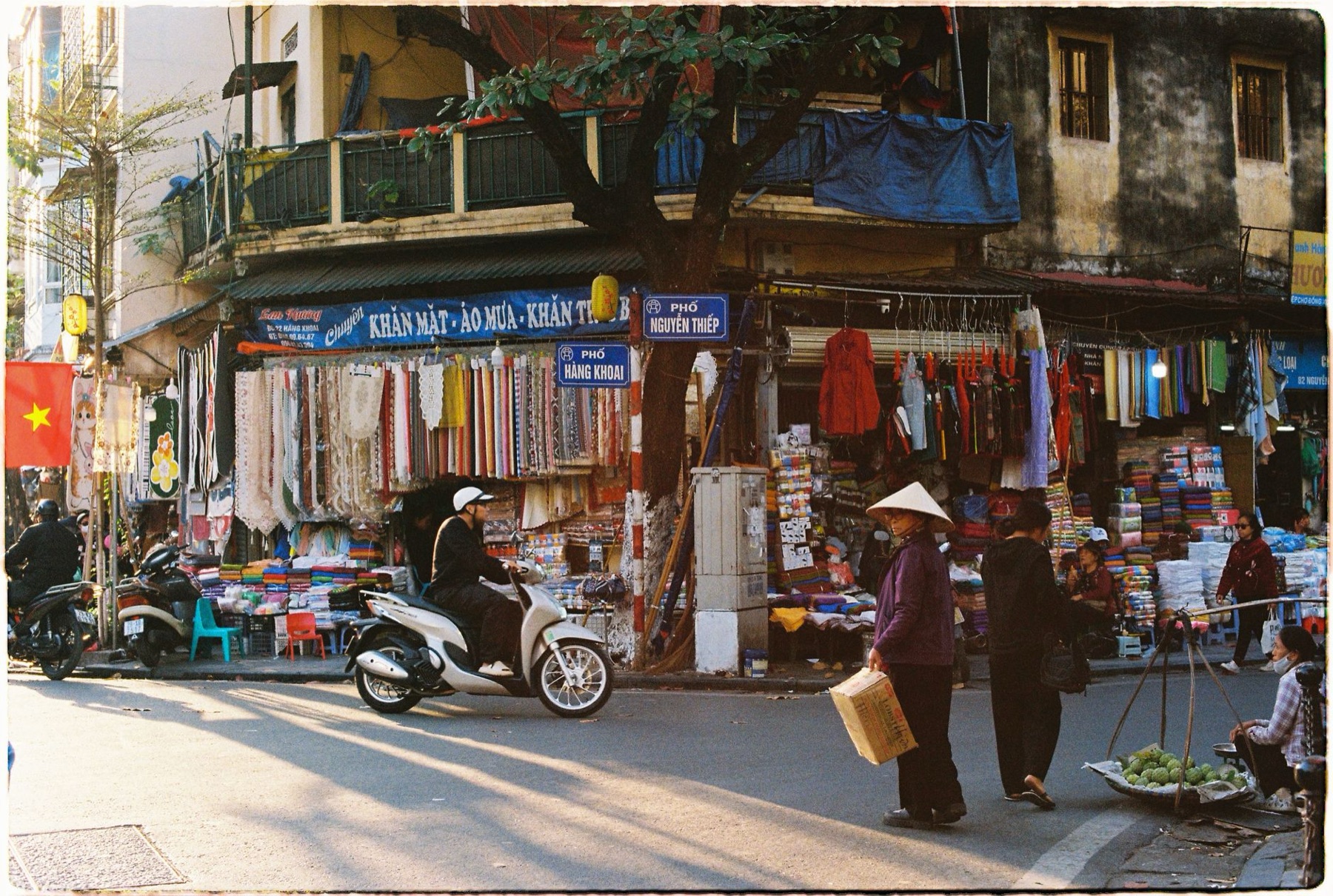
Old Quarter (Hoan Kiem district): Narrow streets named after what used to be sold there (Silver Street, Silk Street). It's touristy but unavoidable—go at 7–8 a.m. before the crowds. Expect motorbikes, street vendors, mid-range restaurants full of backpackers.
Hoan Kiem Lake area: Walk the eastern shore early morning. The Jade Island Temple (Ngoc Son Temple, ~around 30,000 VND / $1.20 entry) is peaceful on weekdays. Café Pho Co overlooks the lake; local spot, not a trap.
French Quarter (Ba Dinh district): Tree-lined streets, colonial villas, quieter. The Ho Chi Minh Mausoleum complex requires formal dress (no shorts, sandals); lines can be 2+ hours. Skip unless you have a strong history interest.
Tay Ho (West Lake): Larger than Hoan Kiem, less crowded. Rent a motorbike or bicycle (~around 50,000–80,000 VND / $2–3.20 per day) and loop the western shore. Cafés cluster near the water; locals swim at Yen Phu beach area.
Dong Xuan Market: Oldest covered market in Hanoi (Hoan Kiem district). Five stories, chaotic, authentic. Ground floor = tourist trinkets (overpriced). Upper floors = fabric, hardware, tools—actual Hanoian commerce. Go with a local or expect to get lost (intentionally). No entry fee.
What to skip: Ngoc Son Temple if you're short on time (30 min, packed). Museums unless you speak Vietnamese—signage is sparse. Tourist-focused water puppet shows charge 2–3× local prices; catch one at Thang Long Theatre if you want theater-style staging, otherwise skip.
🗺️ Plan your route: Vietnam itinerary
Which temples and cultural sites are worth the visit?
| Site | District | Entry (~) | Time | Honest Take |
|---|---|---|---|---|
| Jade Island / Ngoc Son | Hoan Kiem | 30,000 VND ($1.20) | 30 min | Pretty, crowded, quick. |
| Temple of Literature | Ba Dinh | 30,000 VND ($1.20) | 1–1.5 hr | Vietnam's first university (1070). Peaceful gardens, fewer tour groups than Mausoleum. Worth it. |
| Tran Quoc Pagoda | Tay Ho | Free | 30 min | Oldest temple in Hanoi (6th century). Sits on Red River peninsula, quiet, authentic. |
| Ho Chi Minh Mausoleum | Ba Dinh | Free | 1–3 hr | Lines long, dress code strict. For history buffs only. |
| Hoa Lo Prison (Hanoi Hilton) | Hoan Kiem | 30,000 VND ($1.20) | 1–1.5 hr | French-colonial jail, American War museum. Heavy subject; helpful audio guide. |
The Temple of Literature is our pick for best return on time. Gardens are peaceful, English signage exists, and it's genuinely important to Vietnamese education history. Go weekdays, 9–11 a.m.
What's the street-food hierarchy, and where do you eat it?
Breakfast: Pho (beef noodle soup, ~around 30,000–50,000 VND / $1.20–2). Popular Old Quarter spot: any corner stall with a line. Cơm Tấm Chim Xanh area (Hoan Kiem) has locals queuing at 7 a.m.
Mid-morning: Banh Mi (Vietnamese sandwich, ~around 20,000–35,000 VND / $0.80–1.40). Thanh Huong on Hang Ga is a benchmark. Get the pâté and cold cuts version.
Lunch: Bun Cha (grilled pork with noodles, ~around 40,000–70,000 VND / $1.60–2.80). Cha Ca La Vong Street (tiny alley in Old Quarter) sells one dish only, grilled fish with turmeric and dill. Queue at lunch; tiny plastic stools, locals, chaos—but authentic.
Dinner: Com Tam (broken-rice with grilled pork or egg, ~around 30,000–50,000 VND / $1.20–2). Any com tam stall, usually family-run. Ask for thit nuong (grilled pork).
Drinks: Egg coffee (~around 40,000 VND / $1.60) at Café Giang (Hang Manh Street, near Hoan Kiem). It's the touristy version now, but still good. Local iced tea (tra) or bia hoi (fresh beer, ~around 5,000–10,000 VND / $0.20–0.40) is cheaper and just as satisfying.
Scam avoidance:
- Weigh your banh mi before paying (vendors sometimes charge by weight).
- Agree on price before eating at street stalls (handwritten menus hide upcharges for tourists).
- Avoid plastic-stool places if your stomach is sensitive; locals have built-up immunity.
- Don't buy packaged snacks from street vendors near major tourist sites (marked up 5–10×).
How many days do you need, and what's a realistic itinerary?
3 days (minimum):
- Day 1: Old Quarter, Hoan Kiem Lake, Jade Island Temple, street-food crawl.
- Day 2: Temple of Literature, Tay Ho Lake loop by motorbike/bike, lakeside dinner.
- Day 3: Day trip to nearby Ninh Binh (2 hours by bus, caves and rural temples) or stay for museums and West Lake sunset.
4–5 days (ideal):
- Add French Quarter exploration, Hoa Lo Prison, Dong Xuan Market deep dive.
- Half-day to Ha Long Bay or Sapa if time allows (overnight, 3–4 hours by bus or flight respectively).
Practical logistics:
- Get a Vietnam eSIM (~around 5–10 USD, lasts 30 days) for maps and ride-hailing apps.
- Grab or Fastgo (bike taxis with apps) cost ~around 10,000–25,000 VND / $0.40–1 within central districts.
- Motorbike rental from hostels: ~around 50,000–100,000 VND / $2–4 per day (helmet mandatory, insurance optional but smart).
- Hotels: Budget hostels (Ba Dinh or Hang Dao area), ~around 100,000–200,000 VND / $4–8 dorm. Mid-range guesthouses, ~around 300,000–500,000 VND / $12–20 double.
🎟️ Compare tours & tickets for this place
What's worth buying as a souvenir—and what's tourist junk?
Genuine purchases:
- Lacquerware (small boxes, trays): Handmade in artisan workshops around Cat Linh. Expect ~around 200,000–500,000 VND / $8–20 for a small box. Dong Xuan upper floors have bulk options (negotiate).
- Silk scarves and fabric: Silk Street (Hang Gai) in Old Quarter. Real silk, not synthetic. Small scarf ~around 100,000–300,000 VND / $4–12.
- Water puppets (small, carved wooden): Sold at night-market stalls and Dong Xuan. Genuine ones ~around 150,000–400,000 VND / $6–16. Cheap plastic copies flood tourist corners—ignore them.
- Hanoi coffee (roasted beans or powder): Local roasters near Hoan Kiem sell freshly roasted bags. ~around 80,000–150,000 VND / $3.20–6 per 250g. Better than Nescafé airport offerings.
Gifts to take home: If you want keepsakes or personalized gifts to mail back, consider:
- Custom star-map prints (personalized to a date/location in Hanoi) for loved ones—thoughtful, lightweight, shippable. Browse keepsake and print collections.
- Engraved wooden or metal items (coasters, bookmarks) with Vietnamese place names or dates—easier to pack than lacquerware.
What to avoid: Fake designer goods, mass-produced "craft" items from tourist shops (3–5× overpriced), and anything labeled "Hanoian handmade" from chain stores.
📸 Book an ao dai photoshoot in Hanoi or Saigon (Cáo Studio)
---
What to Check Before You Buy (or Book)
If you're purchasing souvenirs or booking tours:
- Ask where it's made. Genuine lacquerware comes from specific workshops (artisans can usually describe the process). Mass-produced items come from factory stickers.
- Test the price locally first. Visit Dong Xuan or street markets before buying at tourist shops. You'll learn fair rates instantly.
- Check shipping weight and customs rules before buying heavy items like lacquerware. Fragile items need proper packing (~additional 30,000–50,000 VND / $1.20–2).
- Confirm tour operator reviews on local forums (not just Google—fake reviews are common). Ask your guesthouse for honest recommendations.
- Walk away if you feel pressured. Hanoi vendors are warm but persistent. Saying "Too expensive, I'll think" works.
---
Connecting to Broader Vietnam
Hanoi is often a starting or ending point. If you have 2–3 extra days, consider day trips or overnight stays to:
- Ninh Binh: 2 hours south. Caves, temples, rural beauty. Easier than Ha Long Bay for most travelers.
- Ha Long Bay: 3.5 hours northeast. UNESCO site, but boat tours vary wildly in quality. Budget 2–3 days.
- Sapa: 5–6 hours by night bus to northwest mountains. Rice terraces, hill tribes, cool air. Plan 2–3 days.
For a larger Vietnam itinerary, Hanoi typically anchors the north, then you head to central Vietnam (Hoi An) or south (Ho Chi Minh City).
Also ensure you have a valid Vietnam e-visa before arrival (online applications, ~around $25–35 USD, 3–5 business days).
---
Final Honest Take
Hanoi rewards patience. The first two days feel chaotic—motorbikes, noise, humidity, vendor pitches. By day three, you stop fighting it and start moving with it. Locals are friendlier than they first appear, street food is genuinely incredible, and quiet temples exist if you search. Don't just skim Old Quarter; rent a motorbike, get lost on Tay Ho's backstreets, sit at a plastic stool with pho at dawn. That's when Hanoi clicks.
Avoid the mausoleum queue unless history is your primary driver. Skip overpriced water puppet shows in air-conditioned theaters. Eat where locals eat, not where signs say "Welcome tourists." Stay 3+ days. You'll leave wanting to return.
---
FAQ
Is Hanoi safe for solo travelers?
Yes. Petty theft (bag snatching, drink spiking) is rare but happens in crowded Old Quarter bars after dark. Use common sense: don't flash cash, avoid unmarked taxis, travel in groups late night. Motorbike accidents are the bigger risk; wear a helmet.
What's the best time to visit Hanoi?
October–November and March–April. Cool, dry, low humidity. April–September is hot and humid (30–35°C / 86–95°F); January–February can be cool and cloudy. Avoid Tet (Lunar New Year, Jan/Feb) if you dislike crowds; many shops close 3–7 days.
How much cash should I carry?
ATMs are everywhere; withdraw 1–2 million VND (~$40–80 USD) per session. Street food and taxis require cash. Credit cards work in hotels and restaurants but often trigger 3% surcharges. Bring USD or EUR as backup; exchange rates are fair at banks, not tourist shops.
Do I need a guide, or can I explore alone?
Alone is fine for Old Quarter, lakes, major temples. Hire a local guide (~around 300,000–500,000 VND / $12–20 per day) for French Quarter history or to avoid tourist traps. Many guesthouses connect you with freelance guides; vet reviews first.
What language barrier should I expect?
English speakers are common in tourist areas and hotels, rare in local markets and pho stalls. Learn "Hello" (Xin chào), "Thank you" (Cảm ơn), and numbers. Google Translate's camera feature works for menu photos. Older locals rarely speak English; younger people often do.
Are tours worth booking in advance or on arrival?
Book on arrival. Prices drop 20–30% vs. online. Guesthouses have relationships with operators and can negotiate. Day trips to Ninh Binh or Ha Long Bay are cheaper locally (~around 400,000–800,000 VND / $16–32 all-in, vs. $40–60 online).
FAQ
Is Hanoi safe for solo travelers?
Yes. Petty theft (bag snatching, drink spiking) is rare but happens in crowded Old Quarter bars after dark. Use common sense: don't flash cash, avoid unmarked taxis, travel in groups late night. Motorbike accidents are the bigger risk; wear a helmet.
What's the best time to visit Hanoi?
October–November and March–April. Cool, dry, low humidity. April–September is hot and humid (30–35°C / 86–95°F); January–February can be cool and cloudy. Avoid Tet (Lunar New Year, Jan/Feb) if you dislike crowds; many shops close 3–7 days.
How much cash should I carry?
ATMs are everywhere; withdraw 1–2 million VND (~$40–80 USD) per session. Street food and taxis require cash. Credit cards work in hotels and restaurants but often trigger 3% surcharges. Bring USD or EUR as backup; exchange rates are fair at banks, not tourist shops.
Do I need a guide, or can I explore alone?
Alone is fine for Old Quarter, lakes, major temples. Hire a local guide (~around 300,000–500,000 VND / $12–20 per day) for French Quarter history or to avoid tourist traps. Many guesthouses connect you with freelance guides; vet reviews first.
What language barrier should I expect?
English speakers are common in tourist areas and hotels, rare in local markets and pho stalls. Learn "Hello" (Xin chào), "Thank you" (Cảm ơn), and numbers. Google Translate's camera feature works for menu photos. Older locals rarely speak English; younger people often do.
Are tours worth booking in advance or on arrival?
Book on arrival. Prices drop 20–30% vs. online. Guesthouses have relationships with operators and can negotiate. Day trips to Ninh Binh or Ha Long Bay are cheaper locally (~around 400,000–800,000 VND / $16–32 all-in, vs. $40–60 online).
More: Hanoi guide · Things to do in Hanoi