Ho Chi Minh City · Things to do
Things to Do and See in Ho Chi Minh City: Local Guide 2026
By Wander in Vietnam editorial team · Hanoi, Vietnam
Ho Chi Minh City rewards visitors who move slowly through neighborhoods rather than rushing between monuments. We've spent years eating, walking, and asking locals what actually matters—and the answer isn't always what guidebooks highlight. This guide breaks down where to go, how much to spend, what's overrated, and when to visit each district.
What are the must-see neighborhoods in Ho Chi Minh City?
District 1 (Quan 1) is the tourist hub: Reunification Palace, Ben Thanh Market, Bitexco Financial Tower, and Nguyen Hue Walking Street fill this colonial core. Expect crowds, marked-up prices, and police checking motorbike licenses. The real city lies in Binh Thanh (District 2 historically), where local restaurants, smaller temples, and residential streets show how Saigonese actually live. District 3 and District 4 (near the Saigon River) have craft galleries, cafes, and fewer tour groups. Tan Binh offers street markets, local beer joints, and cheap pho stands—no English menus, no tourists.
🗺️ Plan your route: Vietnam itinerary
Which museums and historical sites justify a full visit?
War Remnants Museum (23 Vo Van Tan, District 1) is emotionally intense and required viewing; go early (8:30 a.m. opening) to beat crowds and heat. Allow 2–3 hours. Reunification Palace (135 Nguyen Hue Boulevard, District 1) is a mid-century time capsule with guided tours only (45 minutes); many find it smaller than expected. Jade Emperor Pagoda (73 Mai Thi Luu, District 1) is ornate and functioning; cheap incense and dark wooden interiors make it feel authentic. Ben Thanh Market (Le Loi and Tran Hung Dao, District 1) is overrated for tourists but essential for locals buying fabric, spices, and prepared food at 6–8 a.m. Avoid the tourist stalls selling knock-off goods near the south gate; food vendors inside are reliable.
Entrance fees: around 150,000 VND ($6 USD) for most museums; pagodas are free or 10,000–50,000 VND ($0.40–$2) donation.
What's the best street food scene, and where do you eat it?
Pho runs 30,000–50,000 VND ($1.20–$2) for a bowl; the best isn't in District 1. Go to Tan Binh or District 10 after 6 p.m. Look for packed plastic-stool joints with steam rising and no English signs. Com tam (broken rice with grilled pork) is 40,000–60,000 VND ($1.60–$2.40); order at small shophouses near Binh Thanh Market (6–9 a.m. rush). Banh mi is 25,000–40,000 VND ($1–$1.60) from street carts; quality drops steeply if you buy from storefronts. Fresh spring rolls (summer rolls) at wet markets cost 5,000–8,000 VND ($0.20–$0.32) per roll when you buy 5+; tourist-facing vendors charge triple. Avoid "clean" stalls with plastic packaging and English menus—price inflation and lower turnover mean staleness.
Scam to avoid: Touts offering "local restaurant tours" in District 1 mark up drinks and desserts 300–400%; take your own route or ask your hotel's Vietnamese staff.
When should you visit, and what's the weather trade-off?
November–January: cool (20–25°C / 68–77°F), dry, and packed with tourists and higher prices. Best for walking comfort but crowded at museums. February–April: hot (25–32°C / 77–90°F) and dry; fewer tourists, cheaper hotels, and easier to negotiate. May–October: rainy, humid (28–35°C / 82–95°F), flooded streets after 3 p.m. downpours, fewer visitors, and rock-bottom hotel rates (save 30–50%). Good if you work indoors and eat indoors.
Police checks increase during Tet (Lunar New Year, late January/early February); carry passport or ID at all times. Motorbike theft peaks in District 1; use hotel parking or Grab.
📸 Book an ao dai photoshoot in Hanoi or Saigon (Cáo Studio)
How do guided tours compare to going solo?
| Tour Type | Who It Fits | Typical Cost (USD) | Pros | Cons |
|---|---|---|---|---|
| War museum + palace half-day | First-timers | $25–40 | Skip lines, context | Rushed, group pace, markup |
| Street food walking tour (3 hrs) | Foodies worried about choosing | $30–50 | Vendor relationships, translation | More than street price; crowded routes |
| Motorbike taxi (personal route) | Budget travelers | $5–8/hour | Flexible, intimate, cheapest | Language barrier, license risk |
| Self-guided (map + phone) | Confident explorers | $0 | Total freedom, real prices | Wrong turns, fatigue, scams |
| Organized group bus (1 day) | Resort tourists | $45–80 | Air-con, multiple sites | Lowest quality stops, commercial restaurants |
We recommend: hire a Grab (taxi app) for 3–4 hours, tell the driver your interests, and negotiate a flat rate of 200,000–300,000 VND ($8–$12). This works like a custom tour without the markup.
What should you skip, and where do tourists overspend?
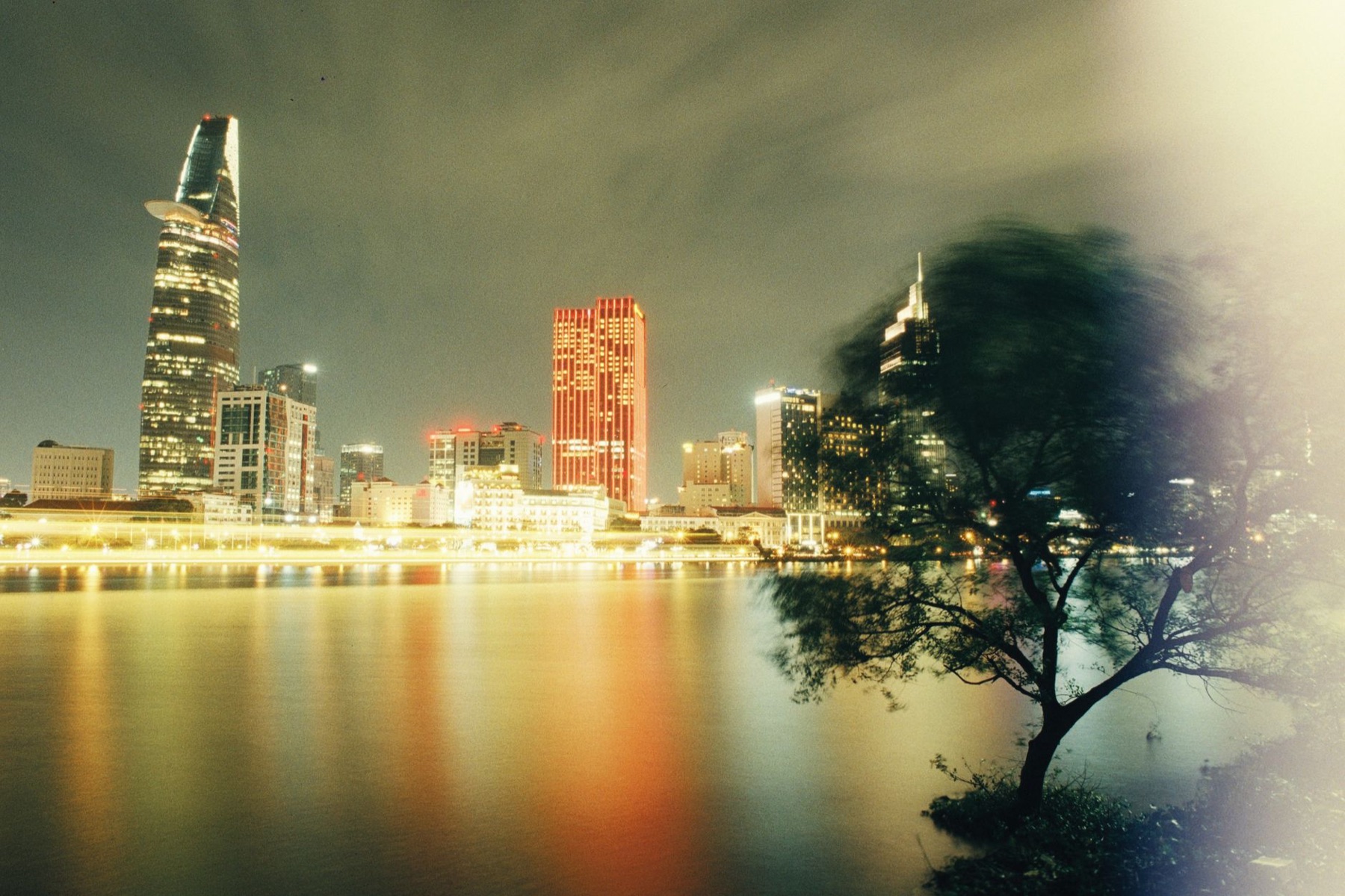
Bitexco Financial Tower skybar: sky deck entry (250,000 VND / $10) and drink markup (200,000+ VND / $8+) aren't worth it; Saigon River views are free from Nhat Tao Park or riverside walk at dusk.
Fake ao dai tailoring shops in District 1: upmarket tailors (Nguyen Hue area) charge 1.5–2 million VND ($60–$80) for custom áo dài; workshop tailors near Binh Thanh charge 400,000–700,000 VND ($16–$28) for the same quality. Quality difference is minimal. Book a professional ao dai photoshoot in Saigon (Cáo Studio) if you want styled images—rental + makeup + hair included.
Zoo and Botanical Gardens: Saigon Zoo is aging and sad; skip it.
Night market (Tan Binh): overrated; better street food at permanent neighborhood stalls.
Luxury coffee shops on Nguyen Hue: 80,000–120,000 VND ($3.20–$4.80) for cold brew that isn't better than 20,000 VND ($0.80) street coffee.
What to check before you book or buy
- Motorbike: Confirm taxi apps (Grab, Be) are live in your phone before arriving; download offline maps.
- Pagoda etiquette: Knees and shoulders covered; remove shoes; ask before photographing monks.
- Museum hours: Close 11:30 a.m.–1 p.m. for lunch (War Remnants doesn't); verify on day of visit.
- Market timing: Go 5–8 a.m. for food, locals, and deals; after 10 a.m. is picked over.
- Money: ATMs in every district; carry 500,000 VND for a day in cash; cards widely accepted except market stalls and street food.
- SIM card: Buy a local eSIM or SIM card on arrival; eSIM for Vietnam works instantly online.
🎟️ Compare tours & tickets for this place
How does Ho Chi Minh City compare to other Vietnam destinations?
| City | Best For | Time Needed | Vibe |
|---|---|---|---|
| Ho Chi Minh City | History, street food, energy | 2–3 days | Loud, fast, chaotic, modern |
| Hanoi | Colonial charm, temples, craft lanes | 2–3 days | Quieter, old-world, hilly, culture |
| Hoi An | Ancient architecture, tailoring, calm | 2–3 days | Slow, riverside, peaceful, picturesque |
| Ha Long Bay | Karst scenery, boat trips | 1–2 days | Nature, cruise crowds, scenic |
| Ninh Binh | Landscape photography, rural feels | 1–2 days | Quiet, adventure, fewer tourists |
| Sapa | Mountain trekking, hilltribe villages | 1–2 days | Cool, terraced rice, remote |
HCMC is the entry point and energy hub; pair it with quieter regions for balance. Plan a full Vietnam itinerary to mix cities.
What souvenirs actually hold value and reflect the city?
Avoid plastic Eiffel Tower replicas and mass-made silk scarves in District 1. Instead:
- Handmade ceramics and pottery from small galleries in District 3 (around 200,000–500,000 VND / $8–$20 per piece). Lighter than expected and genuinely local.
- Vintage Vietnamese lacquerware from mid-century markets (Binh Thanh flea sections); prices range 300,000–1.5 million VND ($12–$60) depending on age and condition.
- Coffee beans from local roasters (Highlands Coffee, Trung Nguyen, or smaller roasters in District 4): 150,000–250,000 VND ($6–$10) per 500g bag.
- Hand-stitched or embroidered textiles from craft workshops (not tourist shops); 200,000–800,000 VND ($8–$32).
- Personalized star maps or keepsake prints capturing your visit date and location—more meaningful than random souvenirs.
Explore handcrafted gift collections that reflect Vietnam travel memories without bulk or kitsch.
Getting around: Grab vs. walking vs. motorbike
Grab (ride-hailing app, similar to Uber) costs 30,000–80,000 VND ($1.20–$3.20) for 2–5 km within District 1; bike taxis (Grab Bike) are half the price but less safe with luggage. Walking is best in Districts 1 and 3; beyond that, distances are 3–5 km and heat is brutal. Renting a motorbike requires an International Driving Permit and Vietnamese license paperwork (risky); taxis and Grab are easier and insurable. Buses exist but routes are confusing; use them only if you speak Vietnamese.
🗺️ Plan your route: Vietnam itinerary
FAQ
How many days should I spend in Ho Chi Minh City?
Two full days (War museum, markets, pagodas, one neighborhood) is minimum. Three days lets you explore 2–3 districts, eat slower, and visit riverside areas without rushing. Four days is ideal if you include day trips or simply want to sit in cafes.
What's the best time to visit Ho Chi Minh City for weather and crowds?
November–January offers cool, dry weather but packed museums and higher prices. February–April is hot, dry, and less crowded. May–October is rainy and humid but cheapest for hotels (save 30–50%) and fewest tourists—best if you don't mind afternoon storms.
Is it safe to walk around Ho Chi Minh City at night?
Main tourist areas (Nguyen Hue, District 1 riverside) are safe until midnight with awareness. Avoid dark alleys, keep phones concealed, and don't flash cash. Grab rides after 11 p.m. are safer than walking alone. Police presence is high; carry ID copies.
How much should I budget per day in Ho Chi Minh City?
Budget travelers: 500,000–700,000 VND ($20–$28) daily (street food, budget hotel, local transport). Mid-range: 1.2–1.8 million VND ($48–$72) (nice hotel, restaurant meals, tours). Luxury: 3+ million VND ($120+) daily. Street food and local markets drop costs by 50% compared to tourist-facing restaurants.
Do I need to book museums and tours in advance?
War Remnants Museum doesn't require advance booking; arrive by 8:30 a.m. to avoid midday crowds. Reunification Palace tours run every 20 minutes (no booking needed). Organized half-day tours can be booked day-of via hotel concierge or Viator, but going solo is cheaper and more flexible. Compare Vietnam tours & tickets for best rates.
What's the most overrated tourist attraction in Ho Chi Minh City?
Ben Thanh Market is iconic but tourist sections are pricey knock-offs. The real market (local side) is excellent at 6–8 a.m. Bitexco Financial Tower skybar and Saigon Zoo disappoint most visitors. Nguyen Hue Walking Street has good street food but feels more commercial than cultural.
Can I get a good tailored ao dai in Ho Chi Minh City, and how much does it cost?
Yes; District 1 upmarket tailors charge 1.5–2 million VND ($60–$80), while Binh Thanh workshop tailors charge 400,000–700,000 VND ($16–$28) for equal quality. Turnaround is 3–7 days. For a styled experience with photography, book a professional ao dai photoshoot in Saigon (Cáo Studio)—includes rental, makeup, hair, and professional images.
Where should I stay in Ho Chi Minh City as a first-time visitor?
District 1 is convenient for museums but noisy and expensive. District 3 offers cafes, galleries, and local feel with lower prices. Binh Thanh is quieter, with authentic restaurants and fewer tourists. Tan Binh is budget-focused but requires Grab to reach District 1. Stay central for first 1–2 nights, then explore other areas on days 2–3.
How do I avoid scams and rip-offs in Ho Chi Minh City?
Avoid unmarked taxis (use Grab only); don't trust touts offering "local tours" or restaurant commissions; refuse inflated menu prices by eating where locals eat (no English, plastic stools); never buy "premium" coffee in tourist streets; use ATMs in banks (not tourist zones). Keep bags concealed and watch for motorbike theft in crowded markets.
FAQ
How many days should I spend in Ho Chi Minh City?
Two full days (War museum, markets, pagodas, one neighborhood) is minimum. Three days lets you explore 2–3 districts, eat slower, and visit riverside areas without rushing. Four days is ideal if you include day trips or simply want to sit in cafes.
What's the best time to visit Ho Chi Minh City for weather and crowds?
November–January offers cool, dry weather but packed museums and higher prices. February–April is hot, dry, and less crowded. May–October is rainy and humid but cheapest for hotels (save 30–50%) and fewest tourists—best if you don't mind afternoon storms.
Is it safe to walk around Ho Chi Minh City at night?
Main tourist areas (Nguyen Hue, District 1 riverside) are safe until midnight with awareness. Avoid dark alleys, keep phones concealed, and don't flash cash. Grab rides after 11 p.m. are safer than walking alone. Police presence is high; carry ID copies.
How much should I budget per day in Ho Chi Minh City?
Budget travelers: 500,000–700,000 VND ($20–$28) daily (street food, budget hotel, local transport). Mid-range: 1.2–1.8 million VND ($48–$72) (nice hotel, restaurant meals, tours). Luxury: 3+ million VND ($120+) daily. Street food and local markets drop costs by 50% compared to tourist-facing restaurants.
Do I need to book museums and tours in advance?
War Remnants Museum doesn't require advance booking; arrive by 8:30 a.m. to avoid midday crowds. Reunification Palace tours run every 20 minutes (no booking needed). Organized half-day tours can be booked day-of via hotel concierge or Viator, but going solo is cheaper and more flexible. [Compare Vietnam tours & tickets](/vietnam/tours) for best rates.
What's the most overrated tourist attraction in Ho Chi Minh City?
Ben Thanh Market is iconic but tourist sections are pricey knock-offs. The real market (local side) is excellent at 6–8 a.m. Bitexco Financial Tower skybar and Saigon Zoo disappoint most visitors. Nguyen Hue Walking Street has good street food but feels more commercial than cultural.
Can I get a good tailored ao dai in Ho Chi Minh City, and how much does it cost?
Yes; District 1 upmarket tailors charge 1.5–2 million VND ($60–$80), while Binh Thanh workshop tailors charge 400,000–700,000 VND ($16–$28) for equal quality. Turnaround is 3–7 days. For a styled experience with photography, book a [professional ao dai photoshoot in Saigon (Cáo Studio)](https://vietnamphotoshoot.com/saigon)—includes rental, makeup, hair, and professional images.
Where should I stay in Ho Chi Minh City as a first-time visitor?
District 1 is convenient for museums but noisy and expensive. District 3 offers cafes, galleries, and local feel with lower prices. Binh Thanh is quieter, with authentic restaurants and fewer tourists. Tan Binh is budget-focused but requires Grab to reach District 1. Stay central for first 1–2 nights, then explore other areas on days 2–3.
How do I avoid scams and rip-offs in Ho Chi Minh City?
Avoid unmarked taxis (use Grab only); don't trust touts offering "local tours" or restaurant commissions; refuse inflated menu prices by eating where locals eat (no English, plastic stools); never buy "premium" coffee in tourist streets; use ATMs in banks (not tourist zones). Keep bags concealed and watch for motorbike theft in crowded markets.
More: Ho Chi Minh City guide · Things to do in Ho Chi Minh City