Hanoi · Things to do
Things to Do at Night in Hanoi: Local's Guide 2026
By Wander in Vietnam editorial team · Hanoi, Vietnam
After dark, Hanoi reveals a different rhythm than daytime tourist circuits. The city's energy doesn't stop—it shifts. Street food vendors light charcoal grills, water puppet theatres fill with audiences, cafes spill onto pavements, and the Old Quarter's narrow lanes become theatrical with neon and lanterns. But which experiences deliver genuine local atmosphere versus overpriced tourist theatre? Here's what actually happens at night in Hanoi, where to go, what to expect, and what to skip.
What happens in Hanoi's Old Quarter after dark?
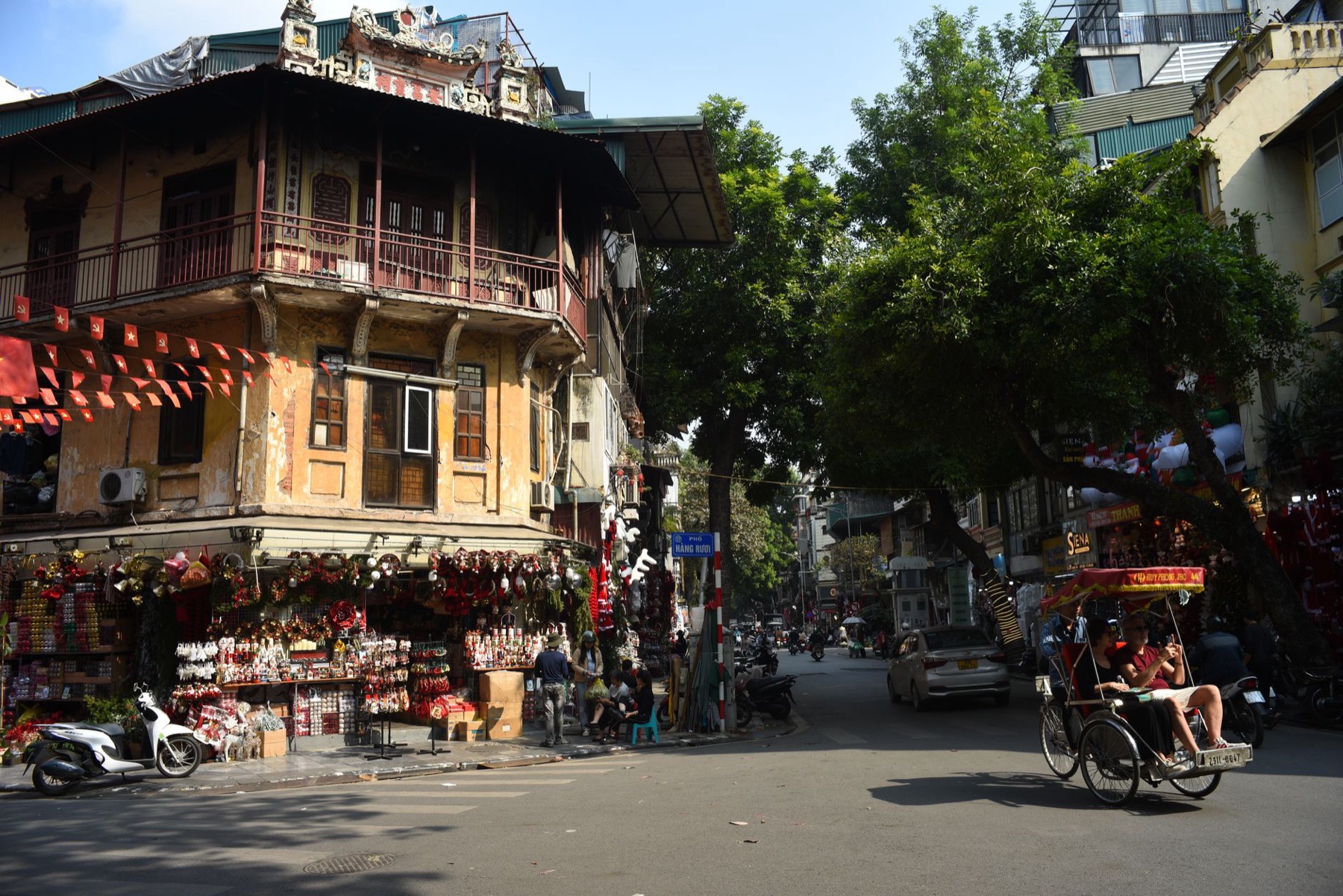
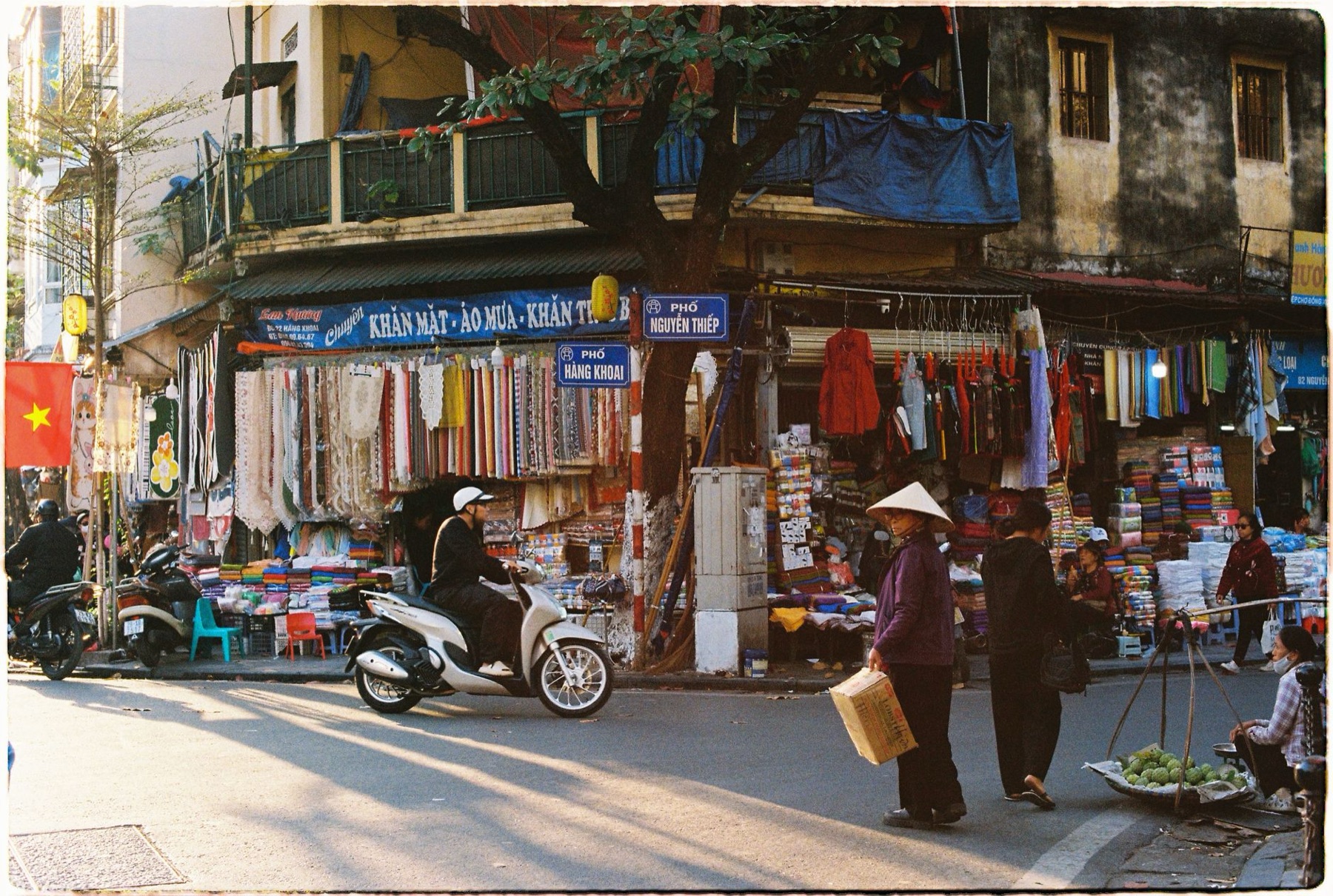
The Old Quarter (36 pho streets around Hang Dao, Hang Bac, Hang Gai in Hoan Kiem district) becomes a foot-traffic corridor after 6 p.m. Motorbikes park, shop shutters close, and the maze of narrow streets fill with visitors and locals hunting for dinner, drinks, or photo opportunities. Lanterns hang above; beer vendors set plastic stools on pavements; the air thickens with grilled meat and charcoal smoke. Real locals—families, young couples, older men—eat shoulder-to-shoulder at street stalls. Tourist crowds peak between 8–9 p.m., thinning after 10 p.m. Entry is free; food costs range around 40,000–120,000 VND ($1.50–$5 USD) per dish. The appeal is sensory immersion, not exclusivity. Overrated angles: paying double at sit-down "tourist-friendly" versions of street food; Instagram-bait "most colourful street" hype (Hang Ma, the lantern street, is photogenic but packed and thin on authentic meals). Go for eating and wandering, not photography alone.
🗺️ Plan your route: Vietnam itinerary
Is water puppet theatre worth the ticket price?
Water puppet theatre (Múa rối nước) is a Vietnamese art form unique to the north. Shows run nightly, typically 7:30 and 9 p.m., in climate-controlled theatres like those in Ba Dinh district. Tickets range around 100,000–250,000 VND ($4–$10 USD) depending on seating. The 50-minute performance is genuinely mesmerizing—hand-carved wooden puppets glide across a shallow stage-pool, controlled by puppeteers hidden behind a screen. Music is live traditional instruments. Tourists and locals both attend, though audiences skew heavily international. Real verdict: worth seeing once for the cultural specificity, not for repeat visits. The narrative (rural village scenes, fishing tales, comedic interludes) doesn't require language fluency; spectacle carries the experience. Book online or arrive early to secure mid-range seats; front rows flood occasionally. Avoid the smallest theatres in tourist alleyways—sound quality and stage depth suffer.
Where do locals drink and eat late?
Two categories: beer-hall culture and café culture.
Beer halls (Bia hoi) are open-fronted, neon-lit stalls serving draught beer (bia hoi) at around 15,000–25,000 VND per glass ($0.60–$1 USD), usually chilled and foam-heavy. Snacks—peanuts, squid jerky, boiled eggs, grilled meat skewers—cost 20,000–80,000 VND ($0.80–$3 USD). Clusters exist in Hoan Kiem, Ba Dinh, and Dong Da districts. Locals sit until 11 p.m.–midnight. Atmosphere is loud, smoky (smoking indoors remains common), male-dominated but increasingly mixed. Tourist prices are lower than full-service bars, and the social density is real. Fair warning: hygiene varies; bathroom conditions are often squat-toilet, no soap. Avoid over-drinking in unfamiliar alleyways.
Late-night cafes in Tay Ho (the riverside neighbourhood west of central Hanoi) and along Tran Hung Dao Street cater to younger crowds and couples. These open until 1–2 a.m., serve coffee, smoothies, and light meals (60,000–180,000 VND / $2.50–$7 USD), and charge table fees if you linger (around 20,000 VND / $0.80 per hour). Vibe is relaxed, conversation-friendly, Wi-Fi available. Better hygiene and English-speaking staff than beer halls. Realistic angle: you're paying for seating and air-conditioning, not food volume.
📸 Book an ao dai photoshoot in Hanoi or Saigon (Cáo Studio)
Which areas feel safe and walkable at night?
Safest, walkable zones:
| Area | Vibe | Timing | Crowds | Honest note |
|---|---|---|---|---|
| Hoan Kiem Lake perimeter (Ba Dinh, Hoan Kiem dist.) | Romantic, relaxed | 7–11 p.m. | Mixed locals & tourists | Well-lit, police presence, crowded enough to feel secure |
| Tay Ho waterfront | Upscale, modern | 6 p.m.–1 a.m. | Younger, expat-heavy | Quieter than Old Quarter, better English, pricier |
| French Quarter (Trang Tien, Ly Thai To area) | Colonial, walkable | 6–10 p.m. | Tourist-heavy | Beautiful architecture lit up; restaurants and cafes line streets |
| Hang Trong to Quan Thanh corridor (Ba Dinh) | Mixed local/tourist | 7–10 p.m. | Moderate | Less chaotic than Old Quarter; antique shops, cafes, quieter |
Areas to navigate carefully:
- Outer Old Quarter alleyways (Hang Manh, Hang Dieu) after 10 p.m. become darker and emptier; petty theft is possible.
- Hoan Kiem's east side (near Hang Bong) has looser police presence; best avoided alone late.
- Motorbike traffic intensifies 7–8 p.m.; stick to pavements and assume drivers won't stop.
Real talk: Hanoi after dark is safe by global standards. Street crime (theft, bag-snatching) is low. The risks are accidental—stepping into traffic, stumbling curbs (pavements are uneven), or overpaying at deliberately "friendly" establishments. Stick to main streets, avoid conspicuous wealth display, move in groups if possible.
What are the overlooked evening activities beyond eating and beer?
Live music venues in Ba Dinh and Hoan Kiem run nightly, hosting jazz trios, acoustic covers, and traditional ensembles. Venues range from 50-seat basement rooms to rooftop bars. No cover charge typically, but beer and cocktails cost 80,000–250,000 VND ($3–$10 USD). Start times: 8 or 9 p.m. Quality varies; smaller venues often deliver tighter performance than tourist-focused rooftops.
Night markets operate in some districts—notably Hang Dieu (silk and souvenirs) and sections of Dong Xuan Market—until 10–11 p.m. Daytime chaos subsides; evening crowds are lighter, haggling easier, and rhythm slower. No entry fee.
Cyclo rides around Hoan Kiem Lake or through Old Quarter streets cost around 150,000–300,000 VND ($6–$12 USD) for 30–45 minutes. Negotiate before boarding. Romantic but slow; traffic and logistics eat time.
Buddhist temple night visits are possible at larger temples like Tran Quoc (in Tay Ho) or One Pillar Pagoda precinct, though evening ritual hours vary. Entry is free; modest dress required. Less touristy than daytime; quiet, contemplative.
🎟️ Compare tours & tickets for this place
Gifting Hanoi memories: What makes sense?
If you're visiting Hanoi at night and want to bring souvenirs back or send gifts to friends reflecting the experience, consider items tied to your evening activities:
- Lantern-inspired home décor (paper, ceramic, silk lanterns in traditional designs) recall Old Quarter ambiance and work as wall hangings or table pieces.
- Water puppet figurines (small carved wooden replicas, 5–15 cm tall) are authentic Hanoi crafts, available at night markets and shop stalls around Ba Dinh. Prices typically 150,000–600,000 VND ($6–$25 USD).
- Coffee or tea sets (Vietnamese coffee filters, premium tea selections) tie to late-night café culture. Purchases from reputable shops cost 200,000–800,000 VND ($8–$33 USD).
- Silk scarves or textile pieces featuring traditional Hanoi patterns or night-market finds work as keepsakes or gifts.
- Personalized printed maps or star maps showing Hanoi's constellation on the night you visited are unique, lasting mementos that don't require luggage space.
None of these require in-person purchase at night; buy them during daytime at established shops (Hang Gai Street for silk, Trang An for coffee) or arrange delivery to your hotel. If you want a photo memento of your evening experience wearing traditional áo dài, book an ao dai photoshoot in Hanoi during the day or early evening—makeup and styling are included.
For longer-stay visitors or next-trip planning, explore other Hanoi daytime activities and broader Vietnam itineraries to build a fuller picture.
What to check before you commit
Before heading out for a night activity:
- Confirm opening hours by phone or visit venue's Facebook page (most Hanoi businesses rely on Facebook for updates, not websites).
- Book water puppet or live music tickets in advance online—walk-up tickets risk sold-out shows during peak season.
- Wear comfortable walking shoes and carry a small crossbody bag; pickpockets target phone and wallet.
- Download an offline map (Google Maps works in Vietnam; secure an eSIM for data if you don't have local SIM).
- Have small notes (10,000–50,000 VND denominations) for street vendors; many don't have change for large bills.
- Check weather—monsoonal rain (May–September) is heavy in evenings; October–April is dry and ideal.
- Avoid unmarked taxis; use Grab app (ride-hailing, widely available) to return to your hotel safely.
Honest skips: What's not worth your time at night
- "Rooftop bars" with 360 views: Overpriced cocktails (200,000–400,000 VND / $8–$16 USD), mediocre quality, tourist photography queue. Better value on street level.
- Cyclo photo tours: Slow, crowded, uncomfortable after 30 minutes. Walk the same route independently in less time.
- Massage and "herbal spa" establishments advertised by touts: hygiene is inconsistent; legitimate clinics are open daytime. Evening venues target intoxicated tourists.
- Karaoke rooms: Unless you're in a group and fluent in Vietnamese humor, the experience is isolating and the pressure to order expensive bottles is real.
---
🗺️ Plan your route: Vietnam itinerary
Before or after Hanoi, explore Ha Long Bay, Hoi An, Ninh Binh, or Sapa for complementary experiences. If Hanoi is part of a longer Vietnam trip, use our visa guide and eSIM tips to stay prepared and connected.
FAQ
What time does nightlife actually start in Hanoi?
Restaurants and street food open 5–6 p.m.; beer halls fill by 7 p.m.; water puppet shows run 7:30–9 p.m.; peak crowds in Old Quarter are 8–9 p.m.; venues close progressively after 11 p.m., with only late cafes and a few bars open past midnight.
Is it safe to walk alone at night in Hanoi?
Yes, by international standards. Violent crime is rare. Main risks are petty theft in crowded Old Quarter areas after 10 p.m., uneven pavements, and motorbike traffic. Stick to main streets, avoid flashing valuables, and use Grab if unsure of directions.
How much should I budget for a full night out?
Budget around 300,000–800,000 VND ($12–$33 USD) per person for food, one beer or coffee, and one paid activity (theatre or live music). Street food and beer halls are budget-friendly; rooftop bars and restaurants double or triple costs.
Can I visit temples at night?
Large temples like Tran Quoc and Quan Thanh open until dusk or early evening (6–7 p.m.). Evening prayer times vary; check ahead. Atmosphere is quieter and more contemplative, but lighting is minimal inside shrines.
Should I book tours or go independently?
Independent exploration of Old Quarter and lake walks costs nothing and is flexible. Book water puppet or live music shows in advance online to guarantee seating. Paid tours (food tours, walking tours) cost 500,000–1,500,000 VND ($20–$60 USD) but provide context and logistics; worthwhile if you prefer structure.
What's the best district for nightlife if I'm staying short-term?
Hoan Kiem district (central, around the lake) offers walkable access to Old Quarter, water puppet theatre, and good restaurants within 15–20 min on foot. Tay Ho (northwest) is quieter, better for cafes and couples. Ba Dinh has temples and a mix of both vibes.
FAQ
What time does nightlife actually start in Hanoi?
Restaurants and street food open 5–6 p.m.; beer halls fill by 7 p.m.; water puppet shows run 7:30–9 p.m.; peak crowds in Old Quarter are 8–9 p.m.; venues close progressively after 11 p.m., with only late cafes and a few bars open past midnight.
Is it safe to walk alone at night in Hanoi?
Yes, by international standards. Violent crime is rare. Main risks are petty theft in crowded Old Quarter areas after 10 p.m., uneven pavements, and motorbike traffic. Stick to main streets, avoid flashing valuables, and use Grab if unsure of directions.
How much should I budget for a full night out?
Budget around 300,000–800,000 VND ($12–$33 USD) per person for food, one beer or coffee, and one paid activity (theatre or live music). Street food and beer halls are budget-friendly; rooftop bars and restaurants double or triple costs.
Can I visit temples at night?
Large temples like Tran Quoc and Quan Thanh open until dusk or early evening (6–7 p.m.). Evening prayer times vary; check ahead. Atmosphere is quieter and more contemplative, but lighting is minimal inside shrines.
Should I book tours or go independently?
Independent exploration of Old Quarter and lake walks costs nothing and is flexible. Book water puppet or live music shows in advance online to guarantee seating. Paid tours (food tours, walking tours) cost 500,000–1,500,000 VND ($20–$60 USD) but provide context and logistics; worthwhile if you prefer structure.
What's the best district for nightlife if I'm staying short-term?
Hoan Kiem district (central, around the lake) offers walkable access to Old Quarter, water puppet theatre, and good restaurants within 15–20 min on foot. Tay Ho (northwest) is quieter, better for cafes and couples. Ba Dinh has temples and a mix of both vibes.