Ho Chi Minh City · Things to do
Things to Do Ho Chi Minh City: 14 Real Experiences Beyond the Hype
By Wander in Vietnam editorial team · Hanoi, Vietnam
Ho Chi Minh City has a reputation for being chaotic, expensive, and tourist-saturated. It's partly deserved. But if you skip the rooftop bars packed with Irish accents and actually talk to shopkeepers, cyclo drivers, and café owners, the city opens up. We've spent enough time here to know which experiences stick and which drain your wallet for Instagram clicks.
What's actually worth visiting in Ho Chi Minh City's centre?
The War Remnants Museum is hard but necessary; many travellers skip it and regret it. The Reunification Palace (Dinh Độc Lập) is overrated if you only look from outside—book the English tour. Ben Thanh Market is loud, smelly, and packed with fakes, but go early (6–7 a.m.) and you'll see real wholesale action. Bitexco Financial Tower's observation deck costs around $7–10 USD and isn't worth the queue; instead, grab a beer at a rooftop bar in District 1 (around $2–4 USD for local beer) with an actual view of the Saigon River.
The true finds are the smaller temples: Jade Emperor Pagoda (Chùa Ngọc Hoàng) in Binh Thanh District is free, rarely crowded, and genuinely eerie. Giac Lam Pagoda in District 10 is older, quieter, and has a roof garden that feels removed from the city. Both open around 7–8 a.m. and close by 5 p.m.
🗺️ Plan your route: Vietnam itinerary
How do you really eat like a local without food poisoning?
Forget the tourist-trap "street food tours" in District 1. Real street eats happen in Binh Thanh and Tan Binh districts at standalone stalls that open 6–11 a.m. for bánh mì and phở, then again 5–11 p.m. for bánh chưng (sticky rice cake), bánh mỳ, or cơm tấm (broken rice with egg and pork). Cost: around 20,000–40,000 VND ($1–2 USD) per meal.
For safety: eat where there's turnover and a queue. Avoid pre-cut fruit from street vendors; stick to whole fruit or items cooked fresh. Drink bottled or boiled water; ice is usually fine but ask "nước đá" to confirm. Café con sữa (egg coffee) is iconic but done better in Hanoi—still, try it once at a café in District 1 around 8 a.m. Cost: 30,000–50,000 VND ($1.50–2.50 USD).
The Binh Tay Market in District 5 (Cholon) is less touristy than Ben Thanh, cheaper, and more authentic. Go with cash (no cards) and haggle gently. It's a 15-minute taxi ride from District 1 (around 50,000–80,000 VND/$2.50–4 USD).
Is a Mekong Delta day trip worth the drive?
Yes—but only if you go early and skip the mid-tier packaged tours. A private driver (book through your hotel or Grab) costs around 600,000–800,000 VND ($30–40 USD) for 8–10 hours. You'll visit floating villages, orchards, and local workshops.
Avoid: overpriced "ethnic experience" villages with posed photo ops. Instead, ask your driver to stop at a market town like Vinh Long or Can Tho, eat at a waterside restaurant, and take a small sampan alone (negotiate around 100,000–150,000 VND/$5–7.50 USD for 1–2 hours). You'll see stilt houses, fish farms, and actual life—no English-speaking guide needed.
Bring sunscreen, a hat, and insect repellent. The best light is 6–9 a.m. or 4–5 p.m. Leave by 5 a.m. if you want to catch the morning.
| Day trip | Duration | Cost (solo) | Best for | Skip if |
|---|---|---|---|---|
| Mekong Delta (private driver) | 8–10 h | $30–40 USD | Local villages, food, slow travel | You hate boats or early starts |
| Cu Chi Tunnels (tour group) | 4–6 h | $15–25 USD | War history, crawling tunnels | You're claustrophobic or squeamish |
| Long An floating villages (tour) | 6–8 h | $20–35 USD | Instagram, shallow boats | You prefer unguided exploration |
🎟️ Compare tours & tickets for this place
What do locals actually do for an evening?
Rooftop bars in Bitexco or on Nguyen Hue are for tourists. Real locals go to:
- Café with no English menu (District 3): Sit for 2–3 hours over a ca phê đen (black iced coffee). Cost: 15,000–25,000 VND ($0.75–1.25 USD). Free air-con and people-watching.
- Karaoke in groups (Tan Binh/Binh Thanh): Locals karaoke 8 p.m.–midnight in small rooms (not the sleazy bars in District 1). Cost: 100,000–300,000 VND ($5–15 USD) per room, plus drinks.
- Night market (Binh Tay or Tan Binh): Open 6 p.m.–11 p.m. Eat grilled fish, squid, or spring rolls at plastic stools. Cost: 30,000–100,000 VND ($1.50–5 USD) per plate.
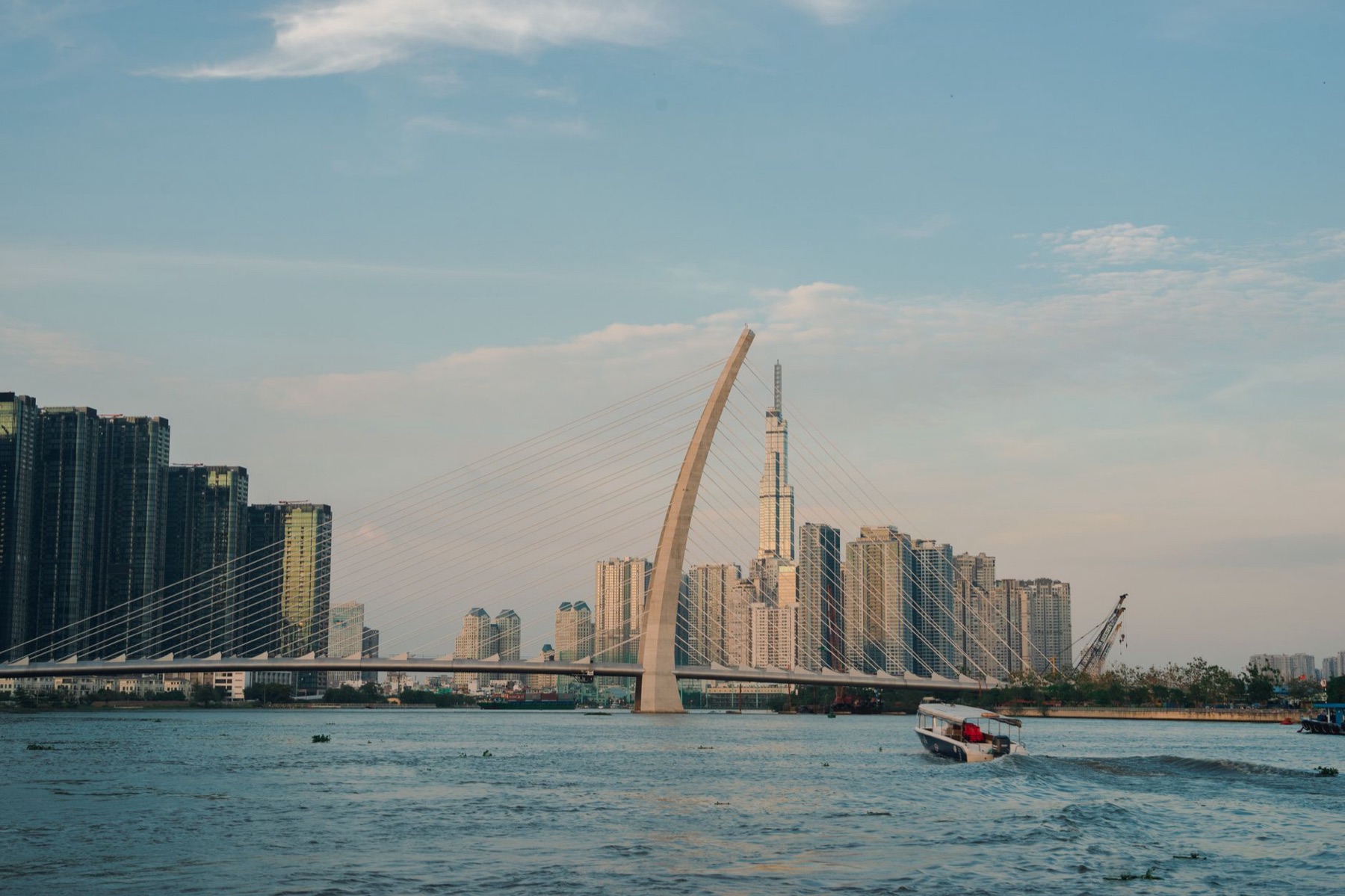
- Walking along the Saigon River at dusk: Free, calm, and you'll spot families and couples. Best at the path near Ton Duc Thang Street.
Avoid: neon-lit beer halls in District 1 unless you want to spend $10+ USD for a beer and chat with other tourists.
Which neighbourhoods should you actually spend time in?
District 1 (Quan 1): Yes, if you go to Jade Emperor Pagoda, walk Dong Khoi Street early morning for architecture, and eat at local cafés off the main drag. The Walking Street (Nguyen Hue) is packed by 9 a.m.
District 3: Quieter, more Vietnamese. Good restaurants, vintage shops, and parks. Take a 20-minute walk from Ben Thanh Market or a Grab ride (around 30,000–50,000 VND/$1.50–2.50 USD).
Binh Thanh: Where young Saigonese live. Try the Saigon Square area for cheap clothes and shoes (locals shop here), and street-food alleys near Nguyen Hue for bánh mì and banh cuon (steamed rolls). Less touristy, authentic energy.
District 5 (Cholon): The Chinese district. Packed, loud, chaotic—but genuinely different from District 1. Visit Thien Hau Temple, eat dim sum, and browse small alleys. Go mid-morning or late afternoon; it's overwhelming at lunch.
| District | Vibe | Best for | How long? | Cost level |
|---|---|---|---|---|
| District 1 | Tourist-friendly, colonial | History, landmarks, rooftop bars | 4–6 h | $$$ |
| District 3 | Quieter, Vietnamese | Cafés, parks, local restaurants | 2–4 h | $$ |
| Binh Thanh | Young, hip, local | Street food, bars, vintage shops | 3–5 h | $$ |
| Cholon (D5) | Chaotic, Chinese heritage | Markets, temples, dim sum, chaos tourism | 2–3 h | $ |
What should you avoid or do differently?
Bitexco observation deck: Overpriced and views are better from a $3 USD beer on any rooftop in District 1.
Packaged "street food tours" at night: Markup is 300–400%. Instead, ask your hotel for a nearby bánh mì stall and go solo.
Taxis without meters: Use Grab or Vinasun (official yellow taxis). Unmarked taxis overcharge tourists by 200–300%.
Jade Emperor Pagoda at noon: Go 7–8 a.m. or 4–5 p.m. The 11 a.m.–3 p.m. heat is suffocating.
Fake designer goods at Ben Thanh: Everything is fake. If you want decent souvenirs, go to Artisan Angkor (District 1, Nguyen Hue area) or a gallery in District 3.
Day trips sold at your hotel: Book directly with a driver or through Klook to save 30–40%.
📸 Book an ao dai photoshoot in Hanoi or Saigon (Cáo Studio)
How do you move around without stress?
Grab: Like Uber, but local. Bike (Grab Bike) is 15,000–40,000 VND ($0.75–2 USD) for short trips; car (Grab Car) is 40,000–100,000 VND ($2–5 USD) depending on distance. Prices surge 7–9 a.m. and 5–7 p.m.
Walking: Safe in District 1, 3, and Binh Thanh during the day. Wear a crossbody bag, not a backpack. Avoid walking alone after 10 p.m. in unfamiliar areas.
Cyclo (pedicab): Slower and more atmospheric. Negotiate the price before you ride (typically 100,000–200,000 VND/$5–10 USD for 20–30 minutes). Use Cyclo mostly for short sightseeing, not commuting.
Taxi meter: Vinasun (white or yellow, phone 08-38-27-27-27) is the most reliable. Grab is faster.
For navigating beyond Ho Chi Minh City, consider a Vietnam e-visa and explore neighbouring regions like the Mekong Delta or Ha Long Bay. An eSIM for Vietnam keeps you connected throughout your trip.
What to check before you book a tour or activity
- Time: Does it include travel time? (Many say "4 hours" but 2 hours is transport.)
- Group size: Smaller groups (6–8 people) are less exhausting than 20+.
- Inclusions: Lunch? Drinks? Entrance fees? Clarify before payment.
- Cancellation: Can you cancel 24 hours before for a refund?
- Pick-up location: Is it your hotel or a central meeting point? (Central saves money.)
- Language: Do you speak English, or will there be a guide?
- Reviews: Check Google and TripAdvisor, but ignore well-made reviews written in broken English (often fake).
For a complete overview of the city, read our full Ho Chi Minh City guide and compare it with experiences in Hanoi, Hoi An, and the wider Vietnam itinerary planner.
🎟️ Compare tours & tickets for this place
---
FAQ
Is Ho Chi Minh City expensive compared to Hanoi?
Slightly. A street meal in Ho Chi Minh City is 25,000–40,000 VND ($1.25–2 USD) vs. Hanoi's 20,000–30,000 VND. Tourist-area beer is pricier (50,000–80,000 VND/$2.50–4 USD vs. Hanoi's 20,000–40,000 VND). Avoid District 1 if you're on a tight budget; stay in District 3 or Binh Thanh instead.
How many days should you spend in Ho Chi Minh City?
Two to three days: Day 1 for War Remnants Museum, Reunification Palace, and temples; Day 2 for neighbourhood walks and street food; Day 3 for a day trip (Mekong Delta or Cu Chi Tunnels). More than four days risks repetition unless you're working or studying here.
Is it safe to walk around at night?
Yes, in District 1, 3, and Binh Thanh, but avoid back alleys after 10 p.m. Use Grab for transport after midnight. Keep valuables hidden and don't flash cash. Petty theft happens, but violent crime against tourists is rare.
What should I bring for comfort?
Sunscreen (SPF 50+, it's intense), a reusable water bottle, lightweight rain jacket (humidity is high but rain is quick), and blister treatment (you'll walk more than you think). Mosquito repellent is useful for the Mekong.
When's the best time to visit Ho Chi Minh City?
November–January (15–25°C, low humidity, dry). Avoid May–September (35°C+, monsoon rains, mosquitoes). April and October are transitional but manageable if you stay hydrated and plan activities for early morning and late afternoon.
Can you visit the War Remnants Museum if you find war history triggering?
Yes, but prepare mentally. The photography section and Agent Orange exhibit are graphic and emotional. There's no way to "skip" them while touring. If you're sensitive, read reviews or ask staff about the layout beforehand. Many visitors find it heavy but necessary.
FAQ
Is Ho Chi Minh City expensive compared to Hanoi?
Slightly. A street meal in Ho Chi Minh City is 25,000–40,000 VND ($1.25–2 USD) vs. Hanoi's 20,000–30,000 VND. Tourist-area beer is pricier (50,000–80,000 VND/$2.50–4 USD vs. Hanoi's 20,000–40,000 VND). Avoid District 1 if you're on a tight budget; stay in District 3 or Binh Thanh instead.
How many days should you spend in Ho Chi Minh City?
Two to three days: Day 1 for War Remnants Museum, Reunification Palace, and temples; Day 2 for neighbourhood walks and street food; Day 3 for a day trip (Mekong Delta or Cu Chi Tunnels). More than four days risks repetition unless you're working or studying here.
Is it safe to walk around at night?
Yes, in District 1, 3, and Binh Thanh, but avoid back alleys after 10 p.m. Use Grab for transport after midnight. Keep valuables hidden and don't flash cash. Petty theft happens, but violent crime against tourists is rare.
What should I bring for comfort?
Sunscreen (SPF 50+, it's intense), a reusable water bottle, lightweight rain jacket (humidity is high but rain is quick), and blister treatment (you'll walk more than you think). Mosquito repellent is useful for the Mekong.
When's the best time to visit Ho Chi Minh City?
November–January (15–25°C, low humidity, dry). Avoid May–September (35°C+, monsoon rains, mosquitoes). April and October are transitional but manageable if you stay hydrated and plan activities for early morning and late afternoon.
Can you visit the War Remnants Museum if you find war history triggering?
Yes, but prepare mentally. The photography section and Agent Orange exhibit are graphic and emotional. There's no way to "skip" them while touring. If you're sensitive, read reviews or ask staff about the layout beforehand. Many visitors find it heavy but necessary.
More: Ho Chi Minh City guide · Things to do in Ho Chi Minh City