Ho Chi Minh City · Things to do
Things to Do Ho Chi Minh City: Honest Guide to Neighborhoods, Markets
By Wander in Vietnam editorial team · Hanoi, Vietnam
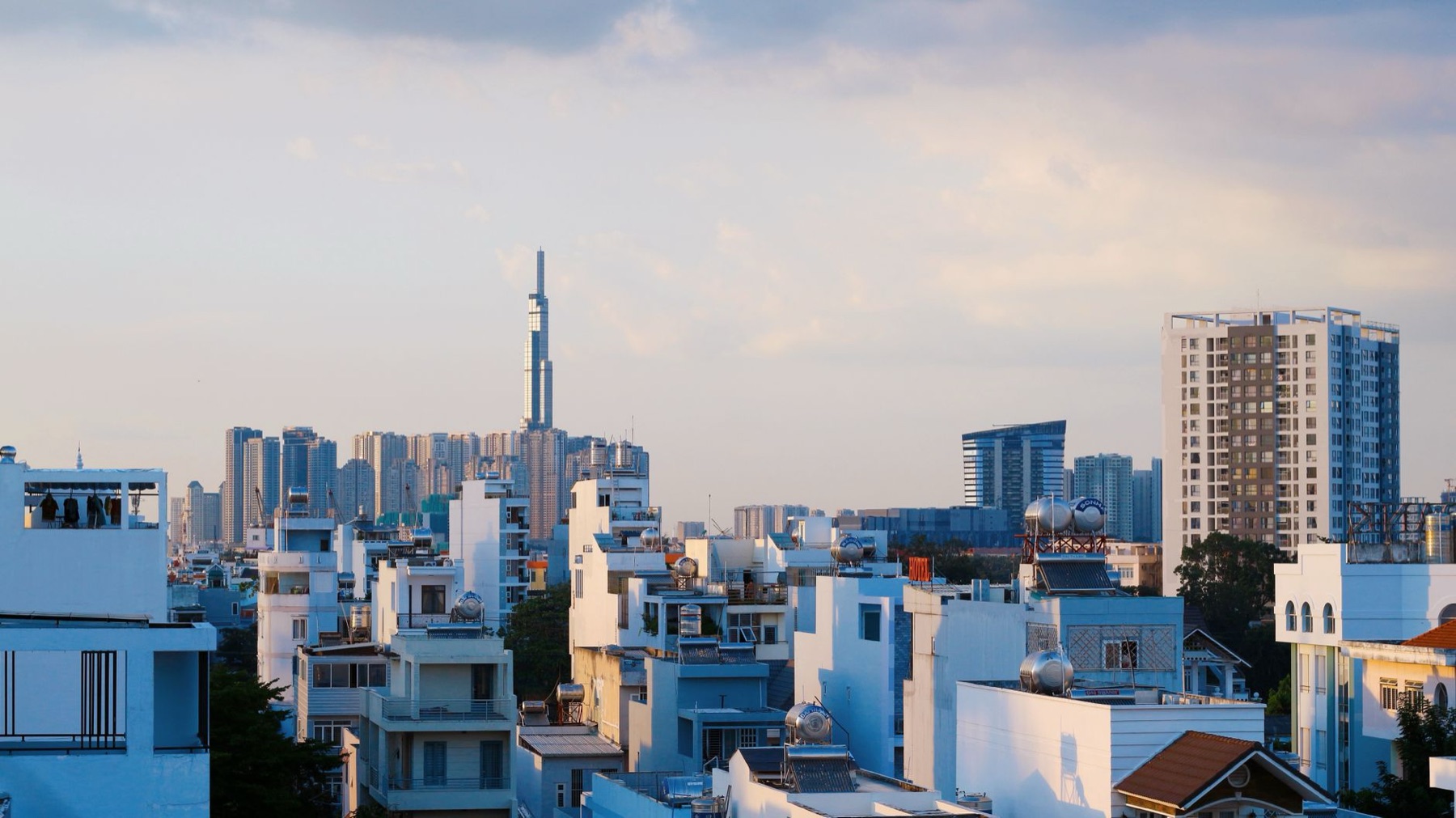
Ho Chi Minh City moves fast. Motorbikes honk, vendors shout prices in dialect, construction cranes slice the skyline. The city has no single "old town" like Hanoi—it sprawls into neighborhoods, each with its own rhythm. Most first-time visitors waste a day at Ben Thanh Market buying mass-produced "silk" and another at a tour-group rooftop bar paying $8 for a beer they could find for 50,000 VND ($2.40) elsewhere.
The real Ho Chi Minh City lives in the details: a family pho stall that's been on the same corner since 1985, a 200-year-old temple hidden behind a shophouse, a floating market where locals actually buy groceries at dawn. Below, we break down what genuinely rewards your time—and what you can skip.
---
Where Should I Start Walking in Central Ho Chi Minh City?
Begin in Dong Khoi, the tree-lined heart of old Saigon (District 1). This neighborhood of colonial villas, museums, and riverfront stretches roughly from Nguyen Hue Boulevard south to the Saigon River. The walking experience is slower here; the crowds are dense but mix tourists with office workers. Start at Saigon Opera House (Nha Hat Lon), take Dong Khoi Street south toward the river, then loop through the side streets—Ngo Duc Ke, Ton Duc Thang—where small galleries, antique shops, and French-era buildings stand shoulder to shoulder with modern cafés.
This 2-3 hour walk costs nothing but your time. Stop for coffee at one of dozens of street-level coffee shops charging 20,000–30,000 VND ($1–1.50) for a local iced coffee. The water puppet theater (Nha Hat Mua Roi Nuoc Thanh Ha, on Ly Tu Trong Street) runs shows daily and costs around 100,000–150,000 VND ($4.80–7.20) per ticket. Honestly? It's tourist-oriented; the puppets are small, the show 45 minutes. Worth it only if you're curious about the art form itself.
Skip the "Saigon Tourist" guided walking tours. They move too fast, stop at fixed shops paying commission, and you'll see nothing locals actually use.
---
Which Markets Actually Show You How People Shop and Eat?
Ben Thanh Market (Cho Ben Thanh), in the heart of District 1 near the river, is unavoidable—partly because every guidebook sends everyone there. It's real, historical (opened 1912), and genuinely useful for souvenir shopping—lacquerware, hand-embroidered items, dried goods. But pricing is geared toward tourists. A "silk" scarf sold as 100% mulberry often isn't. Haggle, expect 20–30% price reductions from opening asks.
Binh Tay Market (Cho Lon), in District 5 (Cholon, the ethnic Chinese neighborhood), is where you want breakfast and groceries. The market sprawls three levels; vendors shout in Cantonese and Mandarin as much as Vietnamese. This is not a tourist attraction—it's a working wholesale hub. Arrive before 9am. Get banh mi (30,000 VND / $1.45), sticky rice with pork, or a bowl of hu tieu (tapioca noodle soup, around 25,000–35,000 VND / $1.20–1.70). The energy is real, the prices are local, and you'll see office workers, grandmothers, and restaurant owners all in one place.
Tan Binh District (new Ben Thanh) doesn't have a single "market" but instead dozens of neighborhood wet markets (cho) scattered through residential blocks. Cho Tan Dinh (in District 3, near Tao Đan Park) opens 5am–noon and is a slice of ordinary Saigon—fish, greens, pork parts, flowers, all at wholesale prices. No tourists, no English signs, no fixed prices. Chat with a vendor; they'll give you a fair deal and watch you try their produce.
---
What Day Trips are Worth Leaving the City For?
Cu Chi Tunnels (Long An Province, 1.5–2 hours northwest) are real and historically significant—a 200km network where Viet Cong fighters lived and fought during the war. Tour operators sell this hard. The reality: the tunnels are narrow, humid, and partly reconstructed for tourists. The war museum attached is didactic and one-sided. Cost around 400,000–600,000 VND ($19–29) per person for a half-day tour from central Saigon, including transport and a guide. Skip group tours; hire a private driver or join a smaller operator. The Mekong Delta experience (below) is often more rewarding for the same time and money.
Mekong Delta (Vinh Long, Can Tho, Ben Tre; 2–3 hours south) is genuinely beautiful if you avoid the package-tour day trips. Stay overnight in a small town like Vinh Long or Ben Tre. Rent a private boat (negotiate around 300,000–500,000 VND / $14.50–24 for 4–5 hours, split among 2–4 people) and move through narrow canals where you'll see orchards, fish farms, and actual village life. Eat crunchy rice cracker (bánh tráng) at a family factory. Stop at a temple. No schedules, no bus-load groups. This rewards slow travel.
Vung Tau (Binh Dinh Province, 2 hours southeast by car) is a beach town where Saigon weekenders swim. It's not scenic—industrial shipping, busy beaches, not Caribbean-clear. Go only if you want a coastal break and cheapo seafood (fresh squid around 80,000–120,000 VND / $3.85–5.80 per kilo). Most travelers skip it and head to Phu Quoc Island or the coast further south instead.
---
Which Neighborhoods Should I Actually Spend an Evening In?
District 3 (Ba Distrct) is where young locals live, study, and eat. Nguyen Hue Walking Street is actually in District 1; don't confuse it. In District 3, walk Vo Van Tan Street or Tao Đan Street around dusk. Tiny pho stalls open 5pm, beer joints fill with workers, and the street hums without tourist hustle. Get a cold 333 or Tiger beer (around 15,000–25,000 VND / $0.70–1.20 at street stalls) and sit on a plastic stool. Grilled squid skewers (muc nuong), snail stew (oc)—all under 100,000 VND ($4.80).
District 1, Nguyen Hue Boulevard is the flashpoint of central Saigon. It's been heavily renovated and now fills with families, joggers, and date-night couples in the early evening. Closed to traffic on weekends, it's walkable and safe. Cafés line both sides. It's not "authentic," but it's where Saigon's aspirational middle class gathers—worth seeing for what the city is becoming.
Tan Binh District (around Tan Binh Market) feels like a snapshot of 1980s Saigon—busy, unpolished, no English menus, real family restaurants. Duong Tran Hung Dao runs through here; side-street restaurants serve cau (beef stew) and hu tieu. Come hungry, come ready to point at dishes, and expect bills under 200,000 VND ($9.60) for two.
---
What Cultural Experiences Aren't Tourist Traps?
Temple visits are genuine if you show respect and arrive early. Thien Hau Temple (Nguyen Trai Street, District 5) is the largest and busiest—a working temple where locals pray, burn incense, and make offerings. Entry is free; donations are voluntary. The ornate roof, altar carvings, and constant activity of worshippers are the real thing. Go 6–8am or after 5pm to avoid guided-tour clusters.
War Remnants Museum (Vo Van Tan, District 3) is heavy, honest, and single-perspective—all photography and artifacts from the American War as Vietnamese remember it. Not a "balanced" history, but a crucial part of understanding the country. Cost is around 100,000 VND ($4.80) entry. Go midweek morning; weekends and afternoons are crowded with school groups. Allow 2–3 hours. It's not entertainment; it's a museum.
Photography walks in your neighborhood (District 1, 3, or Binh Tay area) are often better than paid tours. If you want a professional photoshoot in traditional áo dài, our partner Cáo Studio runs ao dai photography sessions in Saigon with styling, makeup, and hair—they book travelers for heritage and street portraits. This is worthwhile if you want a keepsake beyond snapshots.
| Activity | Time Needed | Cost | Best For | Real Verdict |
|---|---|---|---|---|
| Dong Khoi walk | 2–3 hrs | Free–50k VND | Colonial architecture, cafés | Excellent intro; do once |
| Ben Thanh Market | 1–2 hrs | 50k–300k VND | Souvenirs, atmosphere | Touristy; Binh Tay better |
| Binh Tay Market + breakfast | 2 hrs | 50k–100k VND | Real market, food, Cholon vibe | Highly recommend |
| Cu Chi Tunnels | 4–5 hrs | 400k–600k VND | War history, tunnel tour | Historical but crowded |
| Mekong Delta (overnight) | 1–2 days | 1m–2m VND | Canals, rural life, food | Best value for time |
| Temple visit (early AM) | 1–1.5 hrs | Free–20k VND | Spiritual life, photography | Authentic, quiet, moving |
| War Remnants Museum | 2–3 hrs | 100k VND | War history, context | Heavy but essential |
---
What Are the Real Scams and How Do I Avoid Them?
Counterfeit silk is everywhere at Ben Thanh. "100% mulberry silk" sold for 200,000 VND is often polyester or a blend. Ask vendors for a fire test (they're usually willing); real silk shrinks, melts softly; polyester burns quickly with chemical smell. If unsure, don't buy. Price checks: authentic hand-embroidered silk scarves run 300,000–500,000 VND ($14.50–24) minimum; cheaper pieces are mass-made.
Drink spiking at tourist bars is rare but reported. Rooftop bars on Nguyen Hue that offer "happy hour" (5–7pm, buy one get one free) are fine; stick to those. Avoid tiny unlicensed bars where you're the only customer and a woman approaches you offering to "join for a drink." These often lead to inflated bills.
Taxi overcharging is common for newcomers. Use Grab app (like Uber) instead of hailing taxis. Grab shows the fare upfront and drivers don't negotiate. If you must use a taxi, insist on the meter ("ban xui di khong?" / "will you use the meter?"). Most legitimate cabs will; those that refuse, skip.
Tour guide kickbacks exist. "Free walking tours" often steer you to shops where the guide gets commission. Skip branded tours; hire a private guide through a known operator or ask your hotel for an unaffiliated recommendation.
Money changers are okay at airports and official exchange shops, but street changers and hotel desks often short you. Use ATMs (Vietcombank, BIDV) or pay with card if possible. Don't exchange large sums on the street.
---
What Should I Check Before I Book or Visit?
Before booking a tour or visiting a site, ask yourself:
- Does this serve tourists or locals? Ben Thanh = tourists. Binh Tay = locals. Choose accordingly.
- What time of day removes the crowds? Temples 6–8am. Markets 6–9am. Neighborhoods 8–11am or after 5pm.
- Can I do this independently? Walking Dong Khoi, visiting temples, eating street food—yes. Do it alone or with a friend, not a group.
- Is the guide selling commissions? Ask upfront if your guide receives commission from shops. If yes, and you buy nothing, are they still professional? If no, book them.
- Do I need transport, or can I walk/use Grab? Most central Ho Chi Minh City is walkable or a 20,000–30,000 VND Grab ride away.
---
🎟️ Compare tours & tickets for this place
---
What to Skip and Why
Rooftop bars on Nguyen Hue. They're loud, overpriced ($6–10 per beer vs. $1.50 on the street), and you're surrounded by other tourists. Go once for the sunset view if you must; don't return.
"Authentic" cooking classes. They're marketed to tourists, held in rented kitchens, and teach you to cook what tourists want (spring rolls, pad thai—wait, that's Thai). Real pho and hu tieu require years of broth technique. Take a market tour instead and eat at a family stall.
The Reunification Palace. It's a government building, tours are group-only, heavily controlled, and the history is one-sided. The War Remnants Museum gives you context more effectively.
Fake antique shops. Anything sold as "antique" in touristy areas is probably made last month. If you want a real piece (lacquer, ceramics), buy from a known gallery in District 1 (Ton Duc Thang area) or ask your hotel for a referral.
---
📸 Book an ao dai photoshoot in Hanoi or Saigon (Cáo Studio)
Now that you have a real map of Ho Chi Minh City, plan your broader Vietnam route. If you're heading north to other regions, our Vietnam itinerary planner helps you balance Ho Chi Minh City with Hanoi, Ha Long Bay, Hoi An, and other highlights. Check our separate guides for Sapa and Ninh Binh if you're considering longer stays.
For staying connected while you explore, grab an eSIM for Vietnam before you land—it's cheaper than roaming and works across all networks. If you haven't sorted your visa, check Vietnam e-visa requirements before booking flights.
---
🗺️ Plan your route: Vietnam itinerary
FAQ
Is Ben Thanh Market worth visiting?
Yes, for the experience and atmosphere—it's genuine, historic, and central. But prices are marked up for tourists. Go for souvenirs (lacquerware, embroidered items) and the visual chaos, not for deals. Binh Tay Market in Cholon is better if you want local prices and real food.
How many days should I spend in Ho Chi Minh City?
2–3 days is ideal. Day 1: walk Dong Khoi, visit a temple, eat street food. Day 2: explore a neighborhood (District 3 or Binh Tay), museum or market morning. Day 3: day trip to Mekong Delta or Cu Chi. Longer stays reward slow wandering through residential areas.
Is it safe to walk around Ho Chi Minh City at night?
Yes, central areas (District 1, Dong Khoi, Nguyen Hue) are busy and safe until 11pm. Stick to lit streets, avoid empty alleys, keep valuables secure (thieves target phones and bags on motorbikes). Use Grab after midnight instead of walking alone.
What's the best way to get around—taxi, Grab, or motorbike?
Use Grab. It's cheaper than taxis, the fare is set upfront, and drivers are usually familiar with navigation apps. Avoid motorbike-taxi (xe om) unless you're experienced; roads are chaotic. Walking is free and often faster for short distances in central districts.
Should I stay in District 1, or is another neighborhood better?
District 1 (Dong Khoi, Saigon River) is central and walkable but touristy and pricier. District 3 is quieter, more local, and a 15-minute Grab to everything. Tan Binh is residential and authentic but less convenient. First visit? District 1. Return visit? District 3.
What's a realistic budget for food and activities per day?
Street food and markets: 100,000–200,000 VND ($4.80–9.60). Mid-range restaurants: 200,000–400,000 VND ($9.60–19) per meal. Paid activities (museum, tour): 100,000–600,000 VND ($4.80–29). Budget travel: 500,000–800,000 VND ($24–38) per day. Mid-range: 1–1.5 million VND ($48–72).
FAQ
Is Ben Thanh Market worth visiting?
Yes, for the experience and atmosphere—it's genuine, historic, and central. But prices are marked up for tourists. Go for souvenirs (lacquerware, embroidered items) and the visual chaos, not for deals. Binh Tay Market in Cholon is better if you want local prices and real food.
How many days should I spend in Ho Chi Minh City?
2–3 days is ideal. Day 1: walk Dong Khoi, visit a temple, eat street food. Day 2: explore a neighborhood (District 3 or Binh Tay), museum or market morning. Day 3: day trip to Mekong Delta or Cu Chi. Longer stays reward slow wandering through residential areas.
Is it safe to walk around Ho Chi Minh City at night?
Yes, central areas (District 1, Dong Khoi, Nguyen Hue) are busy and safe until 11pm. Stick to lit streets, avoid empty alleys, keep valuables secure (thieves target phones and bags on motorbikes). Use Grab after midnight instead of walking alone.
What's the best way to get around—taxi, Grab, or motorbike?
Use Grab. It's cheaper than taxis, the fare is set upfront, and drivers are usually familiar with navigation apps. Avoid motorbike-taxi (xe om) unless you're experienced; roads are chaotic. Walking is free and often faster for short distances in central districts.
Should I stay in District 1, or is another neighborhood better?
District 1 (Dong Khoi, Saigon River) is central and walkable but touristy and pricier. District 3 is quieter, more local, and a 15-minute Grab to everything. Tan Binh is residential and authentic but less convenient. First visit? District 1. Return visit? District 3.
What's a realistic budget for food and activities per day?
Street food and markets: 100,000–200,000 VND ($4.80–9.60). Mid-range restaurants: 200,000–400,000 VND ($9.60–19) per meal. Paid activities (museum, tour): 100,000–600,000 VND ($4.80–29). Budget travel: 500,000–800,000 VND ($24–38) per day. Mid-range: 1–1.5 million VND ($48–72).
More: Ho Chi Minh City guide · Things to do in Ho Chi Minh City