Ho Chi Minh City · Things to do
Things to Do Ho Chi Minh City: Local's Honest Guide 2026
By Wander in Vietnam editorial team · Hanoi, Vietnam
Ho Chi Minh City rewards slow travelers. The city sprawls across 21 districts, but most visitors stay within Districts 1 (downtown), 3 (arty cafés), and 5 (Chinatown). We've tested the major activities, rated what's worth your time, and flagged the scams that catch most visitors.
What are the must-see historical sites, and which ones justify the entry fee?
The War Remnants Museum (District 1, Võ Văn Tần St.) is genuinely powerful—not just propaganda. Expect 2–3 hours; entry around 50,000 VND (~$2 USD). The Reunification Palace (District 1) offers guided tours only; book early to avoid crowds. The Bitexco Financial Tower observation deck (District 1, 262 Đ. Nguyễn Huệ) costs around 200,000 VND (~$8 USD) but the view is clearer than the nearby Saigon Skydeck. Skip the "Golden Dragon Water Puppet Theatre" unless you're committed to the art form—tickets run 250,000–400,000 VND (~$10–$16 USD) for mediocre-quality shows. Instead, catch a performance at Thành Phố Theatre or a small studio in District 1's side streets.
🎟️ Compare tours & tickets for this place
How do you navigate the markets without getting overcharged?
Ben Thanh Market (District 1, Lê Lợi St.) is chaotic but real. Arrive before 9 a.m., learn basic numbers in Vietnamese, and assume the first price quoted is 2–3× what locals pay. The ground floor is souvenirs (overpriced); head upstairs for textiles and snacks. Binh Tay Market (District 5, Hòa Hương St.) is less touristy—go for wholesale fabric, dried goods, and wholesale spice. Neither is a scam, but vendors sense hesitation and will test you. Don't haggle over 10,000 VND (~$0.40 USD); it's not worth your time. A scam to avoid: fake "special market tours" that steer you into shops where vendors pay commission. Go alone or with a trusted guide from your hostel.
🗺️ Plan your route: Vietnam itinerary
Which neighborhoods offer the best day walks without tour groups?
District 3 (Võ Thị Sáu St. corridor): Quiet cafés, small galleries, and street vendors. Start at Tao Đàn Park (early morning, locals doing tai chi), then walk south through residential lanes. Lunch at a local phở shop (around 40,000 VND / ~$1.60 USD for a big bowl). Most tourists miss this area entirely.
District 5 (Chinatown / Chợ Lớn): Thien Hau Temple (Nguyễn Trãi St.) is active and non-touristy. Explore side streets for noodle shops, herbalists, and family-run restaurants. The chaos is genuine, not staged.
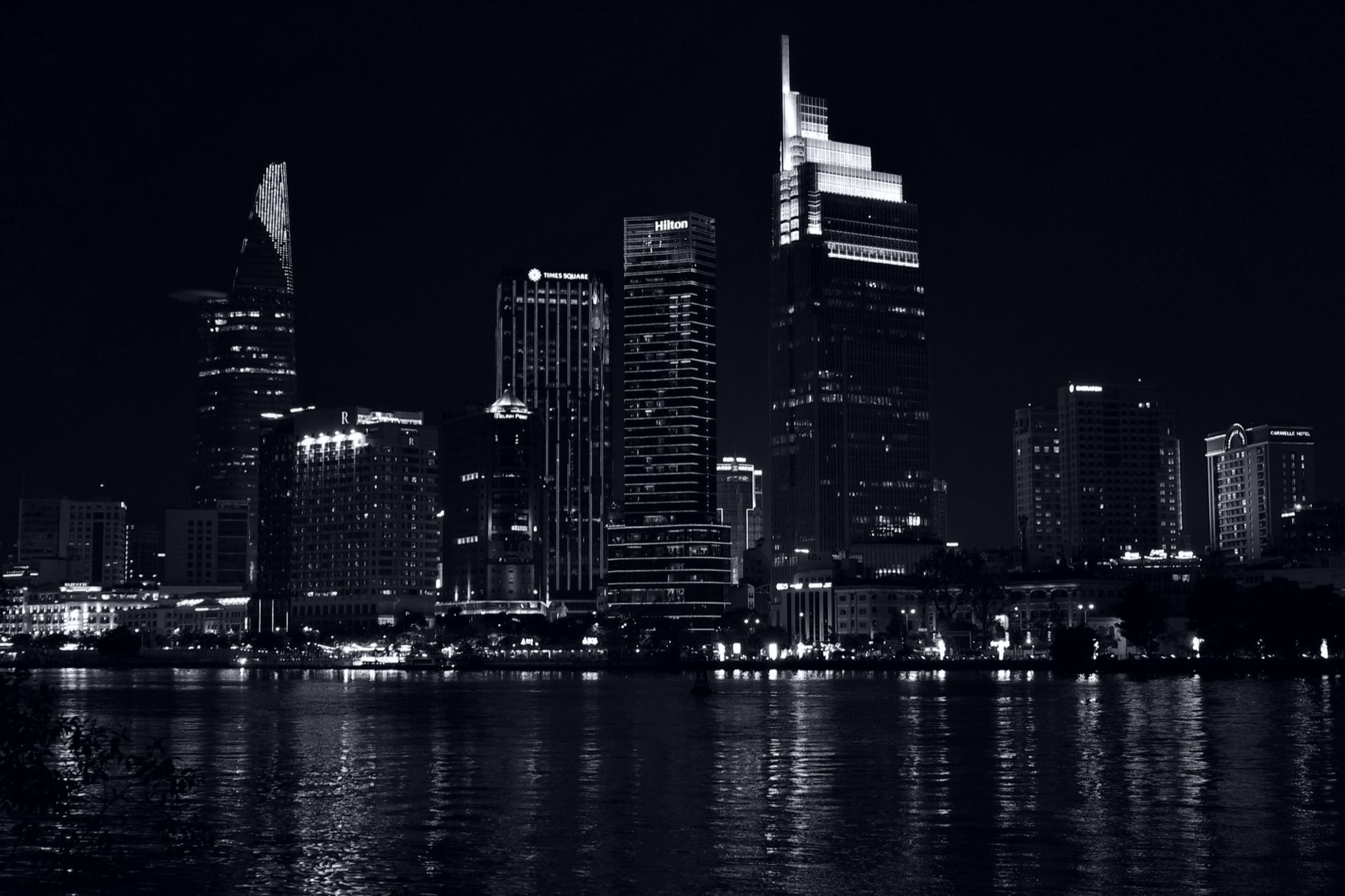
Along the Saigon River (Districts 1–4): Walk from Bitexco (District 1) toward Thu Thiem (District 2). Stop at local coffee shops overlooking the water. The Thao Dien area (District 2) is gentrifying but still walkable and has good craft beer bars.
Pro tip: Use Google Maps offline mode. Many streets are narrow, unnamed, and hard to describe. Start walks before 10 a.m. to avoid midday heat (40°C+ / 104°F+ in hot season).
What's worth your money for food, and what's tourist theatre?
| Experience | Real or Overpriced? | Approx. Cost (VND / USD) | Best Use |
|---|---|---|---|
| Street food tour (2–3 hrs, small group) | Real if ≤8 people | 400k–600k / $16–$24 | First-time visitors, photos |
| Cooking class (half-day, hands-on) | Real | 800k–1.2M / $32–$48 | 1–2 per trip, book 1 day ahead |
| Rooftop bar sunset | Overpriced | 150k–250k / $6–$10 (per drink) | Occasional splurge, not daily |
| Local pho shop breakfast | Real | 35k–50k / $1.40–$2 | Daily; ask locals to point you |
| "Floating market tours" (boat ride) | Tourist trap | 300k–600k / $12–$24 | Skip; real floating markets are 1–2 hrs outside HCMC |
| Canh chua (sour broth soup) at casual eatery | Real gem | 50k–80k / $2–$3.20 | Try once; ask vendor where locals eat |
Honest take: Street food is exceptional. Rooftop bars are fun but tourist-priced. Book a cooking class if you're staying 4+ days. Avoid "authentic village tours" unless you have a trusted Vietnamese friend recommending it.
📸 Book an ao dai photoshoot in Hanoi or Saigon (Cáo Studio)
Which experiences make the best souvenirs or gifts from HCMC?
Tangible memories beat trinkets. Consider:
- Ao dai tailoring (3–5 day turnaround): Visit a tailor in District 1 or 3, pay around 500k–1.2M VND (~$20–$48 USD) for a custom áo dài. Or book a professional photoshoot with full makeup and styling at Cáo Studio's Saigon location—a keepsake outfit + digital images.
- Lacquer or ceramic pieces: Ben Thanh has many; negotiate. Local artisans in District 3 offer higher quality. Budget 200k–800k VND (~$8–$32 USD).
- Coffee: Vietnamese coffee is carefully made. Buy whole beans from a roaster in District 1 (Trung Nguyen is a chain, but small roasters exist). Around 150k–300k VND (~$6–$12 USD) per 200g bag.
- Embroidered textiles or cushion covers: Binh Tay Market, District 5. Negotiate from 100k (~$4 USD) upward.
- Silk scarves or apparel: Avoid mass-market tourist shops. Look for small boutiques in District 3.
For those gifting back home, we recommend pairing a craft item (silk scarf, lacquer box, or printed textile) with a heartfelt note or a personalized photo album from your travels—more meaningful than generic souvenirs.
What hidden gems do locals actually visit, and what should you avoid?
Go:
- Jade Emperor Pagoda (District 10, Tạo Đàn St.)—ornate, active, few tourists; donation requested (~20k VND / ~$0.80 USD).
- Nguyen Hue Walking Street (District 1): Locals walk here in evenings. Coffee or juice stands, street performers, cheaper than bars.
- Tao Đàn Park and Lumière Park (early mornings): Real life, no entry fee.
- Saigon Central Mosque (District 1): Respectfully quiet; learn about Vietnam's Muslim community.
- Cảnh Chim Park (District 2): Mangrove boardwalk, birds, a 20-minute motorbike ride from downtown.
Skip:
- "Cu Chi Tunnels" full-day tours (tourist trap, heavily modified). If you insist on going, book directly from your hotel; don't accept street touts' offers.
- Overbooked "Mekong Delta day trips" (low-quality, exhausting). If you want the Delta, plan 2–3 days and go to Ben Tre or Can Tho provinces instead.
- "Penguin café" or trendy pet cafés (not worth the hype or cost).
- Neon-lit "gogo bars" (most are not what travelers hope; stick to craft bars in District 1 or 3).
---
What to check before you book or buy
- Confirm opening hours directly (call the venue or check their Facebook page—even major sites close for holidays).
- Use Grab or Gojek, not street taxis, for transport. Agree on price with motorbike taxis beforehand or use the app.
- Carry small bills (10k–20k VND notes). Vendors often claim they don't have change.
- Book cooking classes 24 hours ahead, not same-day; quality drops when walk-ins fill slots.
- Ask your hotel for current vendor recommendations, not your guidebook. Businesses change ownership monthly.
- Never accept unsolicited "guides" on the street. If you want a guide, book through your accommodation.
---
If you're planning a multi-city trip, start by mapping your whole journey at /vietnam/itinerary, then deep-dive into Ho Chi Minh City neighborhoods. Consider adding 2–3 days in nearby provinces: Ninh Binh (2 hours by bus), or heading north to Hoi An or Hanoi for cultural contrast.
🎟️ Compare tours & tickets for this place
FAQ
How many days should I spend in Ho Chi Minh City?
3–4 days minimum covers the major sites and neighborhoods. 5–6 days lets you breathe, revisit favorites, and take a half-day trip outside the city. Most tourists waste their first day on tourist-trap tours; skip those and walk instead.
Is it safe to walk around HCMC at night?
Yes, in Districts 1 and 3, particularly on main streets and around Nguyen Hue. Use common sense—avoid dark alleys and don't flash valuables. Stick to well-lit areas and go with a friend if you're unfamiliar with a neighborhood. The city has significant police presence.
What's the best time to visit HCMC?
November–February (cool and dry, 20–28°C / 68–82°F). March–May is hot but dry. June–October is monsoon; expect daily rain and 90%+ humidity. Avoid travel during Tet (late January–early February) unless you want to experience the holiday—many restaurants close, but the city feels alive.
Do I need a visa for Vietnam, and how long does it take?
US, UK, EU, Australian, and most passport holders can get an e-visa online in 3 days for around $25 USD. Apply at /vietnam/visa or direct with the Vietnamese immigration portal. Arrival visas (on-the-spot) cost more and require photos.
How much should I budget per day in HCMC?
Budget travelers: $30–50 USD (hostels, street food, free walking). Mid-range: $50–150 USD (guesthouses, mix of street and restaurant meals, paid activities). Luxury: $150+ USD. A good phở costs 40k VND (~$1.60 USD); mid-range restaurant meal is 100k–150k VND (~$4–$6 USD). Accommodation: hostels from 150k (~$6 USD), mid-range hotels from 600k (~$24 USD).
Should I get a SIM card or eSIM for Vietnam?
eSIM is easier if your phone supports it; activate before you land at /vietnam/esim. Otherwise, buy a local SIM (Viettel, Vinaphone, MobiFone) at the airport for around 50k–100k VND (~$2–$4 USD) plus credit. Data is cheap: ~50k–100k VND (~$2–$4 USD) for 1 GB.
FAQ
How many days should I spend in Ho Chi Minh City?
3–4 days minimum covers the major sites and neighborhoods. 5–6 days lets you breathe, revisit favorites, and take a half-day trip outside the city. Most tourists waste their first day on tourist-trap tours; skip those and walk instead.
Is it safe to walk around HCMC at night?
Yes, in Districts 1 and 3, particularly on main streets and around Nguyen Hue. Use common sense—avoid dark alleys and don't flash valuables. Stick to well-lit areas and go with a friend if you're unfamiliar with a neighborhood. The city has significant police presence.
What's the best time to visit HCMC?
November–February (cool and dry, 20–28°C / 68–82°F). March–May is hot but dry. June–October is monsoon; expect daily rain and 90%+ humidity. Avoid travel during Tet (late January–early February) unless you want to experience the holiday—many restaurants close, but the city feels alive.
Do I need a visa for Vietnam, and how long does it take?
US, UK, EU, Australian, and most passport holders can get an e-visa online in 3 days for around $25 USD. Apply at [/vietnam/visa](/vietnam/visa) or direct with the Vietnamese immigration portal. Arrival visas (on-the-spot) cost more and require photos.
How much should I budget per day in HCMC?
Budget travelers: $30–50 USD (hostels, street food, free walking). Mid-range: $50–150 USD (guesthouses, mix of street and restaurant meals, paid activities). Luxury: $150+ USD. A good phở costs 40k VND (~$1.60 USD); mid-range restaurant meal is 100k–150k VND (~$4–$6 USD). Accommodation: hostels from 150k (~$6 USD), mid-range hotels from 600k (~$24 USD).
Should I get a SIM card or eSIM for Vietnam?
eSIM is easier if your phone supports it; activate before you land at [/vietnam/esim](/vietnam/esim). Otherwise, buy a local SIM (Viettel, Vinaphone, MobiFone) at the airport for around 50k–100k VND (~$2–$4 USD) plus credit. Data is cheap: ~50k–100k VND (~$2–$4 USD) for 1 GB.
More: Ho Chi Minh City guide · Things to do in Ho Chi Minh City