Ho Chi Minh City · Things to do
Things to Do Ho Chi Minh: Local Guide to Real Activities
By Wander in Vietnam editorial team · Hanoi, Vietnam
Ho Chi Minh City sprawls across 21 districts, but most visitors concentrate on District 1 (Saigon proper) and spill into Districts 3, 4, and 5. The real activity isn't always where the tour buses stop. We've lived this city long enough to know where to go when, what actually fills a meaningful day, and what's worth skipping. Here's an honest breakdown.
What's Actually Worth Visiting in District 1?
District 1 holds the iconic landmarks—War Remnants Museum, Reunification Palace, Notre-Dame Cathedral, Ben Thanh Market. Yes, they're crowded. Yes, they're touristy. But they're crowded and touristy because they're genuinely important to the city's story. The War Remnants Museum (10 Vo Van Tan, open 7:30–11:45 am, 1–5 pm) costs around 100,000 VND (≈$4 USD) and requires 2–3 hours minimum; arrive early to beat school groups. Reunification Palace (135 Nguyen Hue) operates on guided tours only (roughly 60,000 VND ≈$2.50), tours leave every 20 minutes. Neither is a scam, but both are significantly slower in humid afternoons. Hit them before 10 am or after 3 pm if possible.
Ben Thanh Market (Tran Hung Dao, District 1) is a tourist magnet—expect inflated prices for souvenirs, but the real food stalls inside (banh hoi, chao tom, che) offer genuine street food at local rates (20,000–40,000 VND ≈$0.80–$1.60). Don't buy "silk scarves" here; they're synthetic. Wander instead into the alleys north of the market (behind on Nguyen Hue Walking Street) where residents actually shop.
🗺️ Plan your route: Vietnam itinerary

Where Do Locals Actually Go on Weekends?
Skip the backpacker blocks and visit Tan Dinh district (District 1, east side) on a Saturday morning. Pho restaurants packed with families, no English menus, real prices (30,000–50,000 VND ≈$1.20–$2 for a bowl). Likewise, Cho Lon (Districts 5 & 6) is the city's Chinese-Vietnamese hub—walk Tran Hung Dao street, duck into fabric and hardware shops, eat at family-run spots in the lanes off Nguyen Trai. A full breakfast here (pho, cha ca, coffee, juice) costs around 60,000–80,000 VND (≈$2.40–$3.20) per person.
Binh Tay Market (Thap Muoi, District 6) is Cho Lon's main wet market—sprawling, chaotic, real. Arrive 6–8 am to see the action; by 11 am it's quiet. You won't buy anything, but you'll see how the city actually eats: dried fish, live snails, fresh herbs, hundreds of produce stalls. No admission, free to wander.
Jade Emperor Pagoda (73 Mai Thi Luu, District 1) is a working temple, not a museum. Small donation expected (20,000–50,000 VND if you wish), rarely crowded after noon. Go for the carved wooden screens, brass urns, and the lived-in spiritual atmosphere, not for photo ops.
When Should You Hit Temples, Markets, and Pagodas?
| Spot | Best time | Crowd level | Real stay | Why locals go |
|---|---|---|---|---|
| War Remnants Museum | 7:30–9:30 am | Low–medium | 2–3 hrs | Historical priority, school trips from 10 am |
| Ben Thanh Market | 6–8 am, 4–6 pm | Low | 45 mins | Produce vendors, breakfast, locals shopping |
| Jade Emperor Pagoda | 11 am–4 pm | Very low | 45 mins | Quiet worship, intricate carvings, no entrance fee |
| Cho Lon (street walk) | Sat 7–10 am | Medium | 2 hrs | Weekend fabric/hardware shopping, authentic breakfast |
| Binh Tay Market | 6–8 am | High (vendor action) | 45 mins | Morning supply runs, street food stalls nearby |
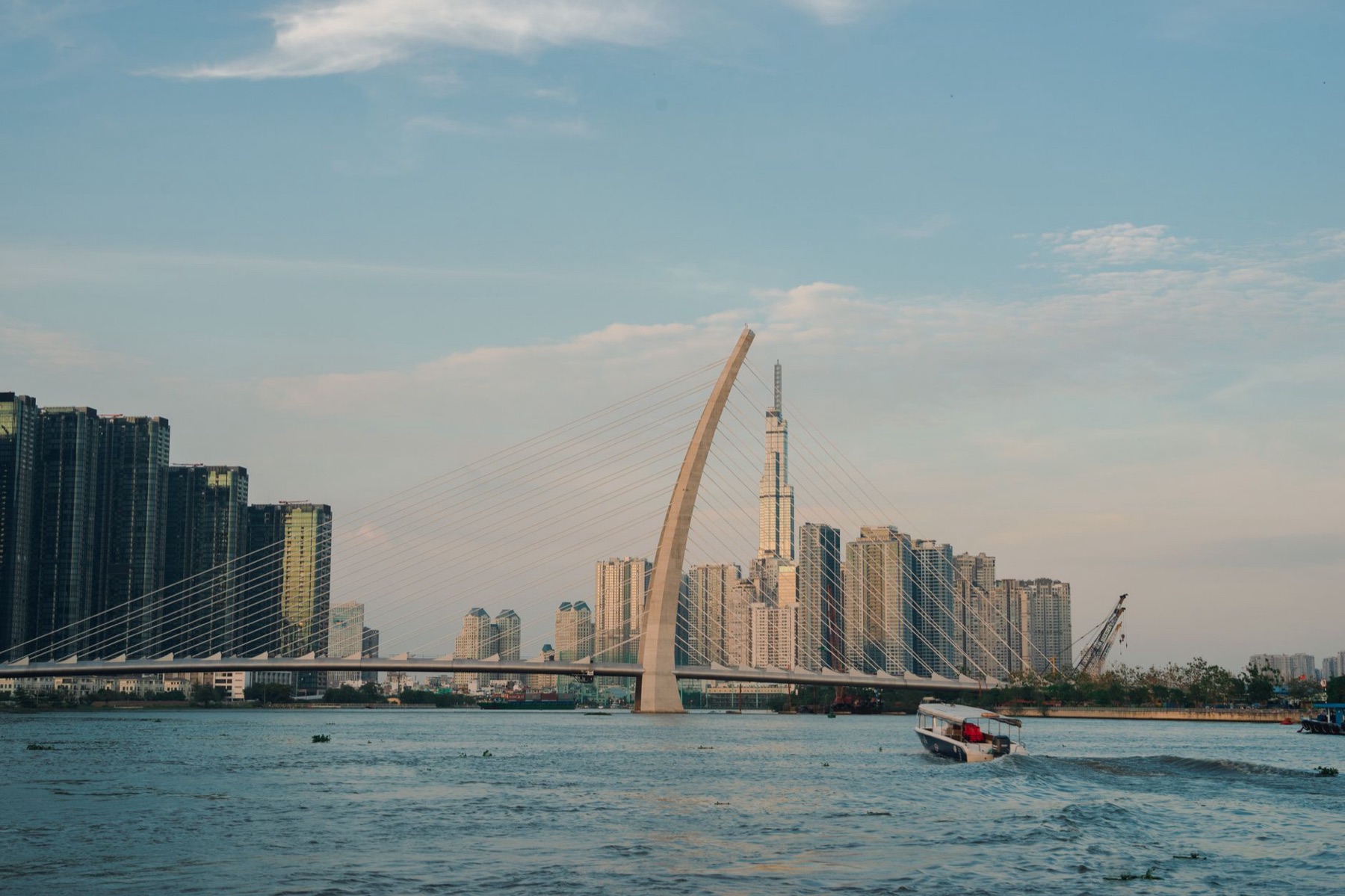
| Saigon River boat trip | 4–6 pm | Medium | 1.5–2 hrs | Sunset light, cooler air, city skyline views |
What About Day Trips? Cu Chi and Mekong Worth It?
Cu Chi Tunnels (30 km northwest, Duc Hoa district) are genuinely historically significant—North Vietnamese fighters lived underground for years during the war. Don't expect them to be comfortable or fun. Tunnels are narrow, humid, and partly reconstructed. Tours cost around 150,000–300,000 VND (≈$6–$12) depending on operator and group size; the official tour from District 1 hotels runs around 9 am–1 pm. We recommend the tunnels for history buffs; skip if you're claustrophobic or want beach-relaxation vibes.
Mekong Delta day trips (45–90 km south, Ben Tre or Can Tho) follow a fixed route: speedboat between floating villages, stop at an orchard, lunch at a homestay, visit a coconut candy factory. Roughly 250,000–500,000 VND (≈$10–$20 per person, depending on group size and inclusion of lunch). Honest take: the delta is beautiful, but most organized tours compress it into a rushed itinerary. If you have two days, stay overnight in Can Tho and move at your own pace. One day feels like you're ticking a box.
How Do You Document and Keep These Moments?
If you want professional photos wearing an ao dai in Ho Chi Minh City, Cáo Studio in Saigon offers makeup, hair, and full-session photography in traditional Vietnamese dress. Shoots typically run 1–2 hours, include edited digital files, and cost from the studio's rate card (check their site for current pricing). It's not a souvenir you can hold, but it's a memory you'll actually display and share.
For tangible keepsakes from your trip, star map prints capturing the night sky on your arrival date, engraved keepsake boxes, or travel-themed art prints tie your experiences to your home. These work because they're personal—your date, your city, your story—not a generic "Vietnam" trinket from a night market stall.
📸 Book an ao dai photoshoot in Hanoi or Saigon (Cáo Studio)
What Shouldn't You Do (and Scams to Avoid)?
Overpriced tours: Any tour operator who approaches you on the street offering "$5 day trips" is a middle-man; prices spike. Book directly through your hotel concierge or a vetted operator online.
Fake jade and silk: Ben Thanh and tourist markets sell synthetic blends labeled as silk and dyed stone as jade. If you want authentic, visit a known jeweler in District 1 or Dong Khoi (ask for certificates) or buy nothing.
Street money changers: Only exchange at banks or your hotel. Street changers offer slightly better rates because they're often running counterfeit notes.
"Massage and tea" traps: If a stranger offers a free massage or tea shop, decline politely. These are setups for bill padding and pressure to buy overpriced items.
Tuk-tuk agreement: Always agree on a price before entering any tuk-tuk, Grab car, or motorbike taxi. Meter taxis (Vinasun, Mai Linh) are safer and nearly always cheaper.
Jet skis and water sports: Rentals near the river often overcharge and have dubious safety records. Stick to operator-run activities booked through your hotel.
What to Check Before You Buy or Book
✓ Does this activity match my actual interest? (Not the Instagram version—the real reason you're going.) ✓ What's the cancellation policy? (Weather and sickness happen.) ✓ Is transportation included or do I arrange my own? (Matters for timing and cost.) ✓ What time do I actually get back? (Affects dinner and rest plans.) ✓ Do I need cash or card? (Many rural and market spots are cash-only.) ✓ Am I bringing enough water and sun protection? (90+ °F and high humidity are not negotiable.) ✓ Is this a guided group or self-guided? (Affects pace and flexibility.)
---
For a complete itinerary spanning the whole country, browse the Vietnam itinerary planner. If you're combining Ho Chi Minh City with Hanoi, see the Hanoi guide. Extending south or north? Check Hoi An, Ha Long Bay, Ninh Binh, and Sapa. Before you leave home, grab a Vietnam eSIM and confirm your visa requirements.
🎟️ Compare tours & tickets for this place
FAQ
Is Ho Chi Minh City safe to walk around alone at night?
Yes, District 1 and 3 are well-lit and busy until midnight. Avoid unlit alleys and keep valuables hidden. Use Grab (app-based taxi) after dark instead of street tuk-tuks. Petty theft (bag snatching) is the main risk, not violent crime.
How much should I budget per day for food, activities, and transport?
Budget around 500,000–800,000 VND (≈$20–$32 USD) daily if you eat street food, use local transport, and skip paid tours. Add 200,000–500,000 VND (≈$8–$20) per day for museum entries and day trips. Mid-range comfort doubles these.
Can I visit Reunification Palace and the War Remnants Museum on the same morning?
Technically yes, but not comfortably. War Remnants Museum takes 2–3 hours, Reunification Palace (with queue and tour) takes 1.5 hours. Start at 7:30 am at the museum, finish by 11 am, then Reunification Palace. You'll be rushed.
What's the best time of year to visit Ho Chi Minh City?
November to February (cool and dry, 20–28 °C / 68–82 °F). Avoid May to October (hot, humid, frequent rain, 28–35 °C / 82–95 °F). March to April is warm but manageable if you stay hydrated.
Do I need to book tours in advance or can I book on arrival?
You can book on arrival through hotel concierges or apps (Viator, GetYourGuide). Advance booking (online, 2–3 days prior) often costs less and guarantees availability. For popular spots (Cu Chi), book the night before at minimum.
FAQ
Is Ho Chi Minh City safe to walk around alone at night?
Yes, District 1 and 3 are well-lit and busy until midnight. Avoid unlit alleys and keep valuables hidden. Use Grab (app-based taxi) after dark instead of street tuk-tuks. Petty theft (bag snatching) is the main risk, not violent crime.
How much should I budget per day for food, activities, and transport?
Budget around 500,000–800,000 VND (≈$20–$32 USD) daily if you eat street food, use local transport, and skip paid tours. Add 200,000–500,000 VND (≈$8–$20) per day for museum entries and day trips. Mid-range comfort doubles these.
Can I visit Reunification Palace and the War Remnants Museum on the same morning?
Technically yes, but not comfortably. War Remnants Museum takes 2–3 hours, Reunification Palace (with queue and tour) takes 1.5 hours. Start at 7:30 am at the museum, finish by 11 am, then Reunification Palace. You'll be rushed.
What's the best time of year to visit Ho Chi Minh City?
November to February (cool and dry, 20–28 °C / 68–82 °F). Avoid May to October (hot, humid, frequent rain, 28–35 °C / 82–95 °F). March to April is warm but manageable if you stay hydrated.
Do I need to book tours in advance or can I book on arrival?
You can book on arrival through hotel concierges or apps (Viator, GetYourGuide). Advance booking (online, 2–3 days prior) often costs less and guarantees availability. For popular spots (Cu Chi), book the night before at minimum.
More: Ho Chi Minh City guide · Things to do in Ho Chi Minh City