Hanoi · Things to do
Things to Do in and Around Hanoi: Local Guide 2026
By Wander in Vietnam editorial team · Hanoi, Vietnam
Hanoi doesn't reveal itself on a postcard. The capital sprawls across ten districts, each with distinct rhythms: motorbike-choked markets in Hoan Kiem, university energy in Ba Dinh, riverside calm in Long Bien. We've walked these streets enough to know what actually matters—and what drains your time for a photo.
What makes Hanoi's Old Quarter worth visiting (or skipping)?
The Old Quarter is not Hanoi's best neighborhood—it's the most photographed. Expect dense crowds, inflated prices, and narrow alleys designed for medieval traders, not 2026 tourism. That said: the energy is real, the street food is genuinely good, and you should experience it once—just strategically.
Go early (06:00–08:00) for pho on Bat Dan Street or egg coffee at a local café in Hang Gai. Prices run around 30,000–50,000 VND (~$1.20–$2) for a bowl; coffee with egg around 40,000–60,000 VND (~$1.60–$2.40). Avoid 11:00–14:00 and 17:00–20:00 when tour groups clog every storefront. Stay for 2–3 hours maximum; your legs and wallet will thank you.
🗺️ Plan your route: Vietnam itinerary
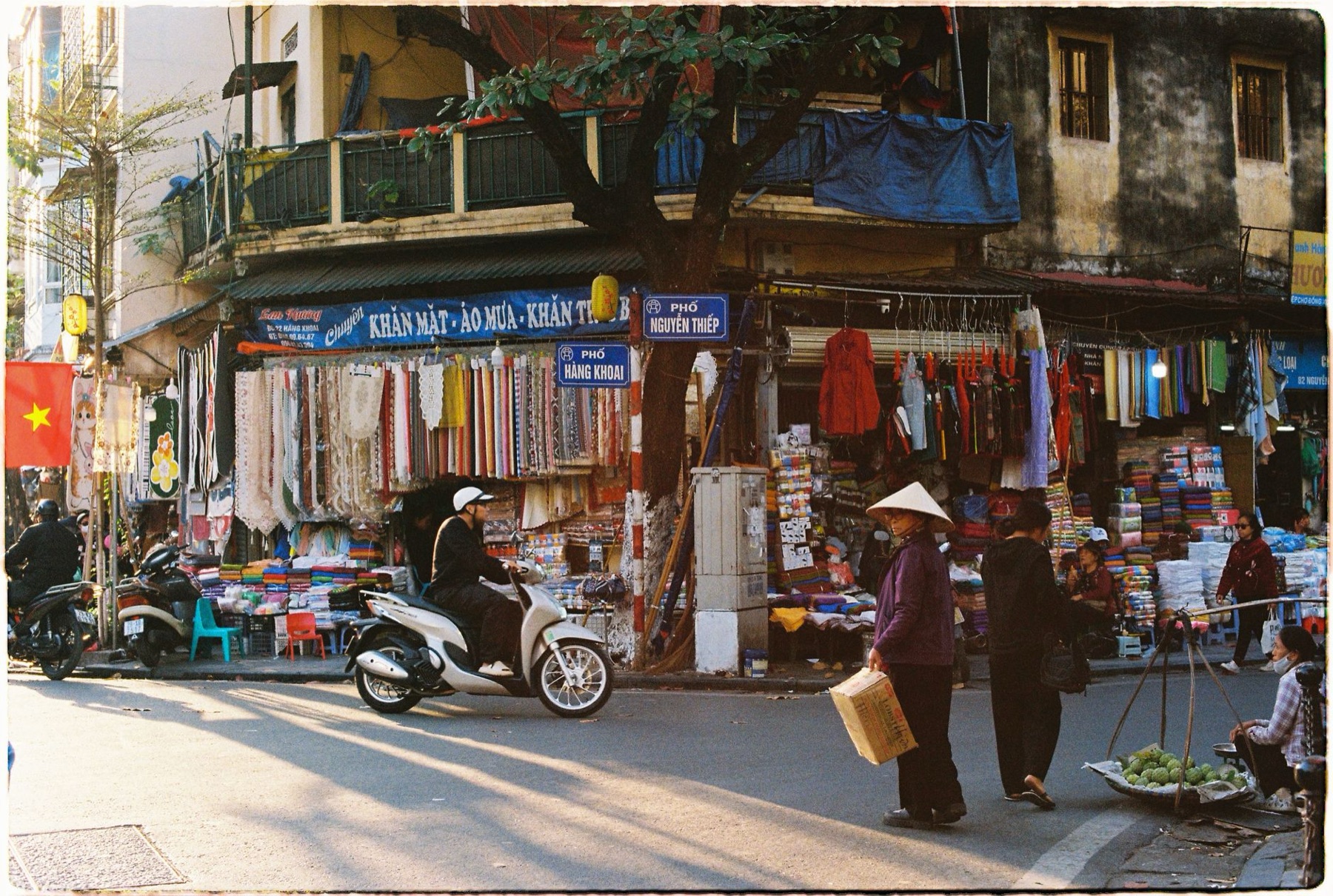
Where should you really spend your time in Hanoi?
Skip the Old Quarter's center after your initial morning. Instead, spend afternoons in Ba Dinh, Tay Ho, or Dong Da districts—neighborhoods where residents actually live.
- Ba Dinh District: Ho Chi Minh Mausoleum grounds (free entry, 08:00–11:00 only; dress conservatively), the One Pillar Pagoda, and Temple of Literature. Quiet by 12:00 noon. Walking distance to small cafés on Ly Thai To Street.
- Tay Ho District: Upscale waterside dining and local beer clubs. Tay Ho Lake itself is a 3 km walk or short taxi ride (around 50,000–80,000 VND / $2–$3.20) from the city center. Fewer tourists, actual neighborhoods.
- Dong Da District: Hanoi's university quarter. Cheap street eats, independent bookshops, and a lived-in feel. Lunch at a local com tam (broken rice) stall: around 25,000–40,000 VND (~$1–$1.60).
Real advantage: no entrance fees, no queues, and prices that reflect local income, not tourism markup.
How do you choose between Hanoi's museums and temples?
Both exist—not all are worth your time. Here's the decision framework:
| Type | Best for | Reality Check | Time Cost |
|---|---|---|---|
| War museums | Historical context | Can feel heavy; queue times 30+ min | 2–3 hours |
| Temple visits | Spiritual atmosphere, architecture | Most are still active; modest dress required | 1 hour each |
| Art museums | Contemporary & traditional Vietnamese art | Small collections; some poorly maintained | 1.5–2 hours |
| Mausoleum + Temple of Literature combo | Iconic sites, gardens | Highly regulated tours; photography limits | 3–4 hours |
| Night markets | Local life, street snacks | Chaotic, fun, no entrance fee | 1–2 hours |
Temple tip: Visit on quieter weekday mornings (07:00–09:00). Bring a light scarf; some temples enforce strict dress codes.
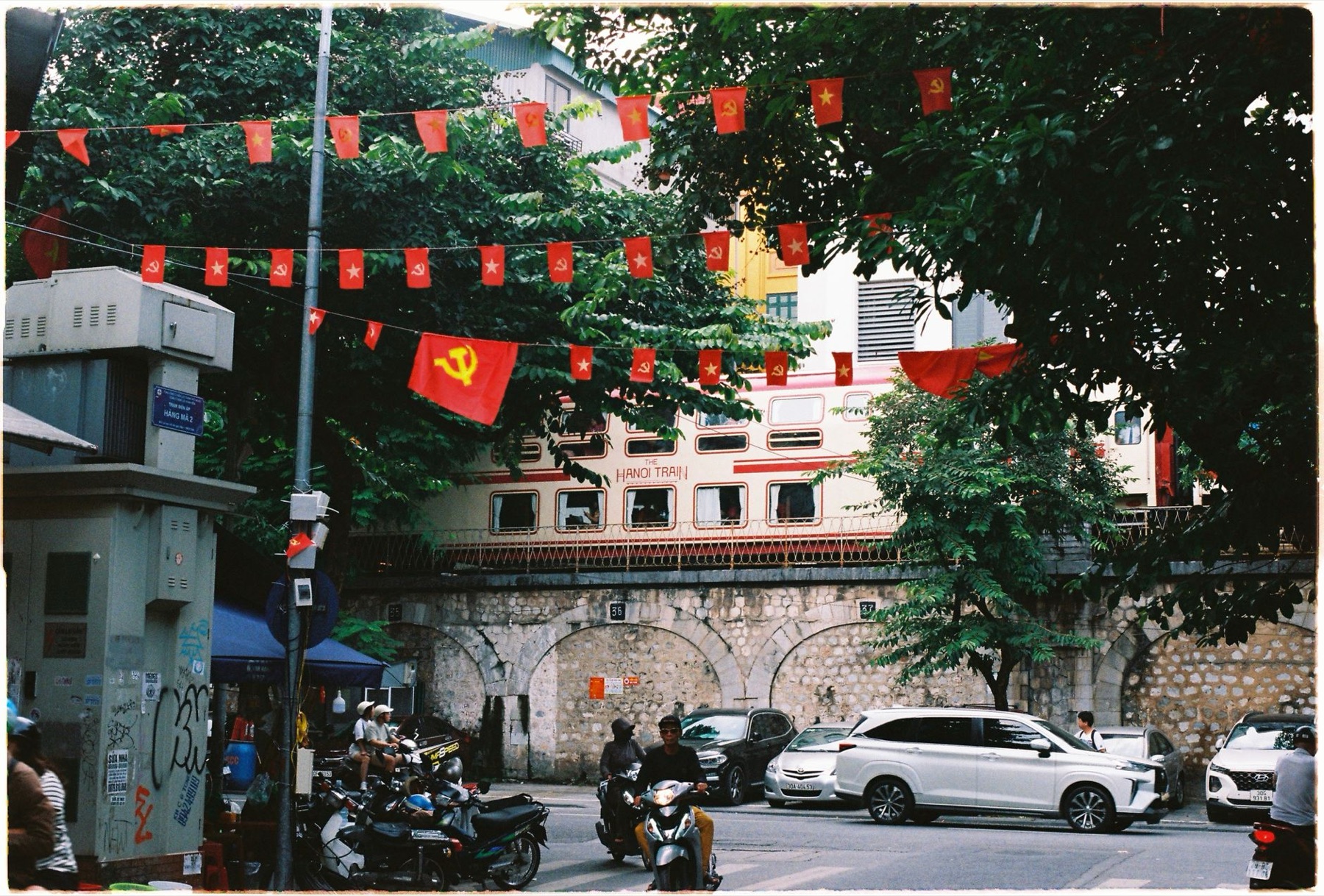
Which day trips from Hanoi are genuinely worth the travel time?
Hanoi's surrounding regions offer escape routes for 1–3 days.
- Ha Long Bay (160 km, 2.5–3 hour drive): UNESCO limestone karsts and overnight cruises. Overrated in guidebooks, but the geology is real. Budget a full day-plus; sunset views from the boat matter more than the caves. Many cruises include meals; mid-range options run 1.5–2 million VND (~$60–$80) per person for overnight. Early morning departures mean 05:00–06:00 hotel pickups. See Ha Long Bay for detailed planning.
- Ninh Binh (90 km, 1.5–2 hour drive): Mountains, rice paddies, caves, and temples. Less crowded than Ha Long. Boat trips through Trang An (around 250,000–350,000 VND / $10–$14 per person) or bike routes through Tam Coc villages. Often overlooked, actually superior for nature photography. Ninh Binh guide has logistics.
- Sapa (360 km, 4–5 hour drive or overnight train, 08:00 departure standard): Mountain town, hill-tribe villages, rice terraces. Cold, misty, beautiful—or cold, misty, and rainy. May–October is drier. Budget 2–3 days minimum. Guides run 300,000–500,000 VND (~$12–$20) for a half-day trek. Details at Sapa guide.
Honest take: Ha Long feels more famous than essential; Ninh Binh and Sapa reward deeper time investment.
🎟️ Compare tours & tickets for this place
What's the best way to actually move around Hanoi?
Grab (app-based taxi, similar to Uber) or standard white-licensed taxis remain the safest option: around 50,000–150,000 VND (~$2–$6) for most in-city trips. Motorbike taxis (Grab Bike) are faster, cheaper (~20,000–40,000 VND / $0.80–$1.60), and thrilling if you've never ridden one.
Don't rent your own motorbike unless you speak Vietnamese and have ridden in chaos before. Hanoi traffic kills confident tourists annually.
Buses are cheap (5,000–10,000 VND / $0.20–$0.40) but crowded and unpredictable for non-speakers. Walking works for neighborhoods—but Hanoi summers (May–September) are 35°C (95°F) and humid; mornings and early evenings only.
Data plan tip: Before arrival, grab a Vietnam eSIM for reliable maps and Grab app access.
What should you bring back from Hanoi beyond the clichés?
Forget silk scarves from the Old Quarter (marked up 400%). Instead:
- Lacquerware or wood-turned items: Real artisans work in Bat Trang (ceramic village, 15 km south) and Thanh Ha (silk village). Quality pieces start around 200,000–500,000 VND (~$8–$20). Check our artisan gifts collection for keepsakes.
- Hand-embroidered textiles or áo dài: Hoa Lo Prison gift shop (ironic, but ethical) and craft shops in Ba Dinh sell authentic pieces. An áo dài photoshoot with professional styling is also unforgettable—📸 Book an ao dai photoshoot in Hanoi or Saigon (Cáo Studio) captures you in the garment against Hanoi backdrops.
- Coffee (whole beans, not instant): Local roasters on Nguyen Huu Huan Street sell single-origin from Dak Lak and Lam Dong regions. Around 80,000–150,000 VND (~$3.20–$6) per 250g bag; fresher and cheaper than Western café markups.
- Personalized or travel-themed keepsakes: Consider a custom map or star map print marking your Hanoi dates or Vietnam itinerary—something physical to commemorate the trip without clutter.
What to check before you buy:
- Ask for a receipt in Vietnamese—it deters scams and helps if items break mid-travel.
- Haggling is expected in markets; don't embarrass yourself by starting at 50% of asking. Offer 70–80% and negotiate calmly.
- Avoid "antiques" from street vendors—most are fake, and exporting real Vietnamese antiques is illegal.
- If buying coffee, ask the roaster when beans were roasted; older than two weeks loses flavor.
- Textiles: inspect seams and ask about dye bleeding (wash separately in cold water first).
---
Key takeaway: Hanoi rewards patience and intentionality. Skip the Instagram checklist; spend mornings in neighborhoods, evenings in cafés, and at least one full day outside the city. The best memories come from unplanned moments—a conversation over pho, a temple courtyard at dawn, or a motorbike ride through rice paddies.
For more travel planning, see our Hanoi guide or start mapping your broader Vietnam itinerary. If you're combining Hanoi with southern trips, Ho Chi Minh City, Hoi An and beyond all have distinct character worth experiencing.
Need to send a gift to someone in Hanoi? 🌸 Flower delivery in Hanoi (Hoa Lang Thang) ships fresh arrangements across the city.
---
FAQ
Is the Old Quarter worth visiting if I only have one day in Hanoi?
Yes—go 06:00–08:00 for breakfast, walk 2–3 hours, then leave. Avoid peak hours (11:00–14:00, 17:00–20:00). Skip if time is truly scarce; Ba Dinh's temples and Tay Ho Lake give better Hanoi feel.
What's the best time of year to visit Hanoi?
October–November (autumn) and March–April (spring): 18–25°C, low humidity, clear skies. December–February is cooler (10–15°C), occasional rain. Avoid May–September (35–38°C, oppressive humidity).
How much should I budget per day in Hanoi?
Budget traveler: 200,000–400,000 VND (~$8–$16) daily on street food, transport, entry fees. Mid-range: 600,000–1.2 million VND (~$24–$48). High-end: 2+ million VND (~$80+). Hanoi is genuinely cheap compared to Western cities.
Can I visit Ha Long Bay as a day trip from Hanoi?
Technically yes, but not recommended. The 2.5–3 hour drive each way leaves only 4–5 hours on water. Stay overnight or skip it. Ninh Binh is a better 1-day alternative (90 min away).
Do I need a Vietnamese sim card or eSIM for Hanoi?
Yes—Grab, Google Maps, and hostel booking all need data. Grab a Vietnam eSIM before arrival for seamless connectivity. Local SIMs cost 50,000–100,000 VND (~$2–$4) at any phone shop, but eSIM is faster.
What's the scam I'm most likely to encounter in Hanoi?
Taxi drivers turning off meters or taking long routes (use Grab instead). Overpriced drinks at "nightclubs" (avoid unmarked bars in the Old Quarter). Fake tours quoted at inflated prices (book through your hostel or verified Grab partners). Street vendors marking up souvenirs 5–10x: negotiate firmly or walk away.
FAQ
Is the Old Quarter worth visiting if I only have one day in Hanoi?
Yes—go 06:00–08:00 for breakfast, walk 2–3 hours, then leave. Avoid peak hours (11:00–14:00, 17:00–20:00). Skip if time is truly scarce; Ba Dinh's temples and Tay Ho Lake give better Hanoi feel.
What's the best time of year to visit Hanoi?
October–November (autumn) and March–April (spring): 18–25°C, low humidity, clear skies. December–February is cooler (10–15°C), occasional rain. Avoid May–September (35–38°C, oppressive humidity).
How much should I budget per day in Hanoi?
Budget traveler: 200,000–400,000 VND (~$8–$16) daily on street food, transport, entry fees. Mid-range: 600,000–1.2 million VND (~$24–$48). High-end: 2+ million VND (~$80+). Hanoi is genuinely cheap compared to Western cities.
Can I visit Ha Long Bay as a day trip from Hanoi?
Technically yes, but not recommended. The 2.5–3 hour drive each way leaves only 4–5 hours on water. Stay overnight or skip it. Ninh Binh is a better 1-day alternative (90 min away).
Do I need a Vietnamese sim card or eSIM for Hanoi?
Yes—Grab, Google Maps, and hostel booking all need data. Grab a [Vietnam eSIM](/vietnam/esim) before arrival for seamless connectivity. Local SIMs cost 50,000–100,000 VND (~$2–$4) at any phone shop, but eSIM is faster.
What's the scam I'm most likely to encounter in Hanoi?
Taxi drivers turning off meters or taking long routes (use Grab instead). Overpriced drinks at "nightclubs" (avoid unmarked bars in the Old Quarter). Fake tours quoted at inflated prices (book through your hostel or verified Grab partners). Street vendors marking up souvenirs 5–10x: negotiate firmly or walk away.
More: Hanoi guide · Things to do in Hanoi