Cat Ba · Things to do
Things to Do in Cat Ba Island Vietnam: Complete Guide
By Wander in Vietnam editorial team · Hanoi, Vietnam
Cat Ba Island sits in the Halong Bay UNESCO zone but operates as a quieter, more active alternative to the crowded cruise-ship circuit. You arrive by ferry (around 60,000–100,000 VND / $2.50–4 USD one-way from Haiphong), and within hours you're either dangling from a limestone wall or paddling a kayak through hidden lagoons. The island hosts roughly 2,000 year-round residents; tourism infrastructure is basic but reliable, and that's the appeal.
We'll walk through the five activities worth your time, what to genuinely skip, and how to time your visit to avoid peak chaos.
What makes Cat Ba worth visiting over Halong Bay cruises?
Cat Ba Island gives you control. You're not locked into a 2-day floating hotel with 300 strangers. Hikes start from town at dawn; kayak tours leave on flexible schedules; rock-climbing operators match skill levels honestly, not just volume. Halong Bay cruises—especially budget ones—hustle you through limestone caves and photo ops. Cat Ba lets you stay three nights, climb twice, rest one day, eat real local meals. The trade-off: fewer resort services, rougher accommodations, and basic WiFi.
🗺️ Plan your route: Vietnam itinerary

Where should I stay on Cat Ba Island?
Most accommodation clusters in Cat Ba Town, the only settlement on the island's eastern shore. Homestays (around 200,000–400,000 VND / $8–15 USD per night) line the harbor; they're family-run, serve breakfast, and book local guides directly. Budget hotels cost 300,000–600,000 VND ($12–24 USD); mid-range resorts (600,000–1,200,000 VND / $24–48 USD) sit on clifftops south of town. Book homestays via direct messaging to local owners (ask your ferry operator or email ahead)—booking-site markups inflate prices by 30–50%. Avoid harbor-front "tourist hotels" with plastic furniture; they're loudly priced and poorly maintained.
Stay in town if you're hiking or climbing daily. South-coast bungalows suit divers or beach-loungers; you'll need a motorbike or taxi to reach restaurants and guides.
What are the real hiking routes and how long do they take?
Cat Ba Island has three main walks:
| Route | Duration | Difficulty | What you see | Start/end point |
|---|---|---|---|---|
| Ngu Lam Peak | 3–4 hours | Moderate | 360° island views, forested ridges, climbers | Cat Ba Town (east edge) |
| Hospital Cave (Hang Hanh) | 2–3 hours | Easy–moderate | War-era bunker, sea views, coastal forest path | North coast road |
| Cannon Fort Ridge | 2 hours | Easy | Panoramic harbor, town layout, sunset spot | Cat Ba Town (south side) |
Ngu Lam Peak (the highest point at 331m) draws the most crowds on clear mornings. Trails are un-marked; hire a guide through your homestay (around 300,000–500,000 VND / $12–20 USD for two people). Skip the "official" Cat Ba National Park hiking loop—it's poorly maintained and misses the limestone drama. Hospital Cave (Hang Hanh) is historically significant but underwhelming as a cave; the walk itself is better than the destination. Cannon Fort Ridge works as a short sunset hike with minimal planning.
Hike in May–September mornings or October–April afternoons. Humidity peaks July–August; visibility drops in November–December typhoon season.
Which water activities deliver real value?
Rock climbing and sea kayaking are the two standouts.
Rock Climbing (Half-day: around 600,000–900,000 VND / $24–36 USD per person; full-day: 1,000,000–1,500,000 VND / $40–60 USD): Climbers praise Cat Ba's limestone routes—varied grades, short approach from town, guides who adjust difficulty honestly. Operators like Cat Ba Climbing Center (run locally, booking direct via message) match beginners and advanced separately. Bring minimal gear; they supply harnesses, ropes, and helmets. Avoid large "Halong adventure" packages that club climbing into two-hour slots; they're rushed and expensive.
Sea Kayaking (Half-day: 400,000–700,000 VND / $16–28 USD; full-day: 800,000–1,200,000 VND / $32–48 USD): Paddling through karst lagoons and hidden beaches is meditative if you book small groups (4–6 people max). Most tours launch from Cat Ba Town harbor and head north toward monkey island or south to secluded inlets. Sunset paddles (depart 4 PM, return 7 PM) avoid midday heat and crowds. A real downside: some "eco-kayak" operators deliberately steer toward crowded limestone grottos to sell photos. Ask your guide upfront whether the route visits secluded lagoons or "famous" caves. Sunset paddles are honest because fewer tourists book them.
Skip jet-ski tours and speedboat island hops—they're noisy, polluting, and overpriced (1,000,000+ VND / $40+).
🎟️ Compare tours & tickets for this place
Which beaches and coastal spots are worth visiting?
Cat Ba Town's main beach (Bai Cat Co) is crammed with vendors May–August; it's a transit point, not a destination. Real beach time lives elsewhere:
- Cannon Beach (south of town, 30-min scooter ride): Quiet sandy cove, few shops, small family-run seafood huts. Swim in shallow, clear water; hike Cannon Fort Ridge from here.
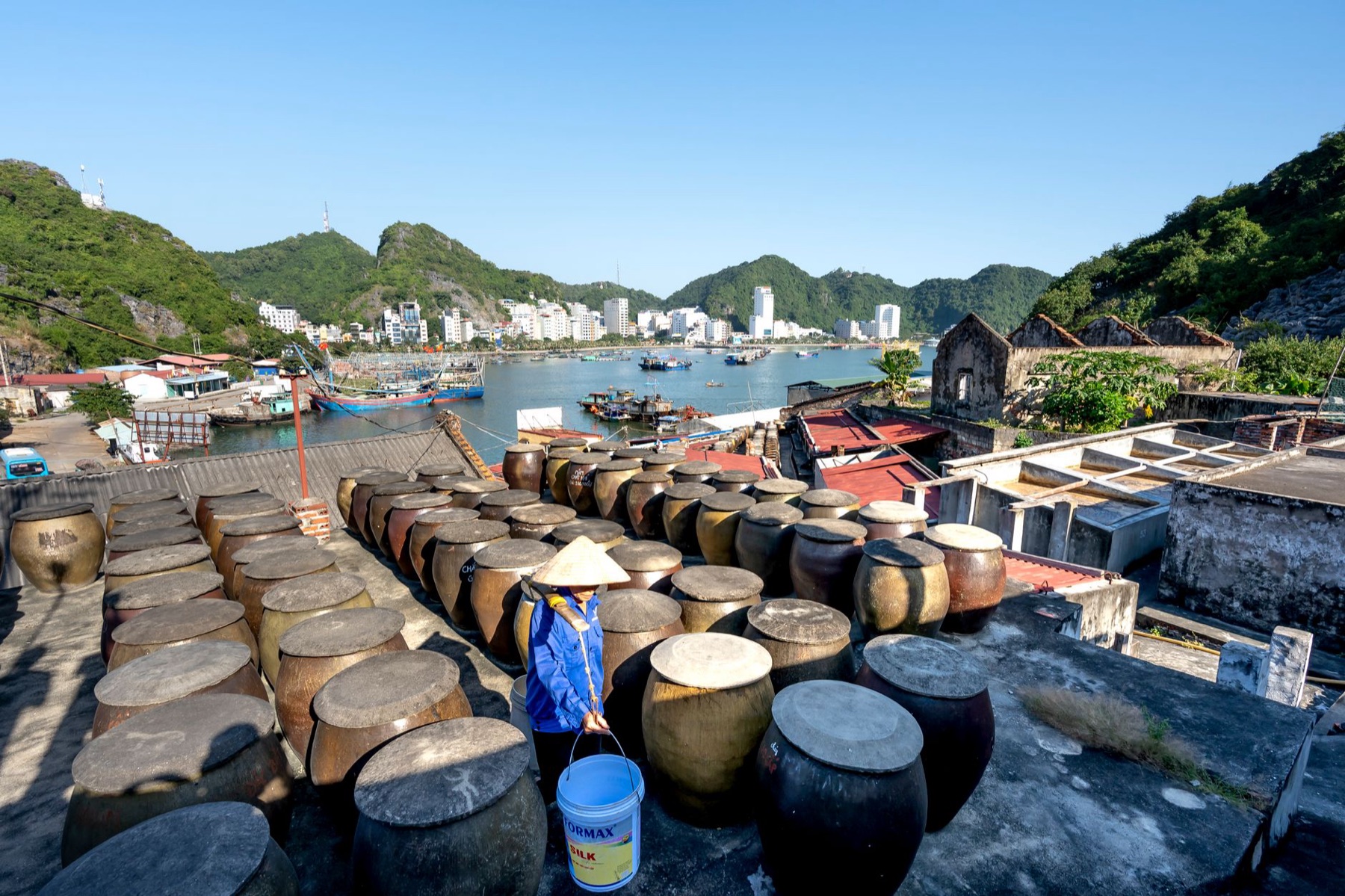
- Cat Ba Town Harbor Walk (free, anytime): Stroll the pier at dawn or dusk. Fishermen unload catches; the light is soft. Eat fresh grilled squid at harbor-side shacks (around 80,000–150,000 VND / $3–6 USD per skewer).
- Otter Beach (north coast, require motorbike + 20 min): Empty except weekends. Rocky, good snorkeling if you bring your own gear.
Avoid package "island-hopping" boat tours unless you're a non-swimmer interested in guided snorkeling. The islands visited (Monkey Island, etc.) are usually too crowded and the boats are slow, uncomfortable, and add 4–5 hours to your day for 45 minutes in water.
What are the best meals and local dishes?
Cat Ba Town has no fine dining; that's not a weakness—it's liberation from tourist markup.
Harbor-side shacks (along the main dock, open 6 AM–9 PM): Order cua cà mau (Mekong mud crab), mực nướng (grilled squid), or cá nấu dưới (braised whole fish). Meals cost 150,000–300,000 VND ($6–12 USD) per person. Eat standing or on plastic stools; the seafood is caught same-morning. No menu—point at the ice-packed display and say "nướng" (grilled) or "nấu" (stewed).
Pubs and homestay dinners: Cat Ba Town's homestays serve family-style dinners (included or 100,000–150,000 VND / $4–6 USD per person) with rice, greens, and one protein. Not fancy, consistently good. Skip the "fusion" restaurants targeting backpackers; they're mediocre and expensive.
Breakfast: Bánh mì from street vendors (around 20,000–30,000 VND / $0.80–1.20 USD), phở from local bowls (30,000–50,000 VND / $1.20–2 USD).
Avoid seafood restaurants with picture menus and white tablecloths; they're inflated pricing for tourists. Eat where locals queue.
How many days should I actually spend here?
Two days is minimum; three is ideal.
Day 1: Arrive via ferry (morning), settle homestay, lunch in town, afternoon hike (Ngu Lam or Cannon Fort), sunset harbor walk, dinner at dockside shack.
Day 2: Full-day rock climbing or sea kayaking, evening beach walk, night meal with local guide.
Day 3 (optional but worthwhile): Early Ngu Lam Peak hike, swim at Cannon Beach, motorbike coastal loop, departure ferry evening.
Four-plus days invites repetition unless you're diving (requires certification and an extra boat day) or climbing grade progressively.
What to check before you book a tour or activity
- Guide credentials: Ask if your climbing guide has IFMGA or equivalent certification (most do). If unsure, request a simple demo on technique before committing.
- Group size: Confirm headcount before paying. More than 8 on a kayak tour means you'll be in a convoy, not exploring.
- Pickup and drop-off: Clarify whether your homestay is included or if you pay extra for transport. Many "free pickup" deals add 100,000 VND to the final bill.
- Weather cancellation: Ensure the operator refunds 100% if weather forces cancellation. Typhoon season (Sept–Dec) is unpredictable; confirm their policy in writing.
- Lunch inclusion: Some full-day tours include packed meals; others charge 150,000–250,000 VND ($6–10 USD) extra. Confirm upfront.
📸 Book an ao dai photoshoot in Hanoi or Saigon (Cáo Studio)
How to get to Cat Ba Island and what to know about transport
By ferry from Haiphong (most common):
- Depart Haiphong's Bến Binh or Bến Bạch Đằng piers (45–60 minutes, around 60,000–100,000 VND / $2.50–4 USD).
- Ferries run every 30–60 minutes, 6 AM–5 PM. No reservation needed unless traveling lunar new year.
- Buy tickets at the pier 30 minutes before departure.
By private speedboat (Haiphong or Hanoi hotels):
- Available through tour operators; around 800,000–1,500,000 VND ($32–60 USD) per group of 4.
- Faster (30 min) but unnecessary unless you're short on time.
Getting around Cat Ba:
- Rent a motorbike (100,000–150,000 VND / $4–6 USD per day) or use hired taxis (negotiate: around 200,000 VND / $8 USD for a half-day south-coast loop).
- Walking town is 15 minutes end-to-end.
Return logistics: Book your outbound ferry before arriving. Peak times (weekends, holidays) fill up. We suggest departing on your last morning to avoid overnight rush.
Timing and what to skip
Best months: May–June and September–October. Light rain, warm water, reasonable crowds.
Peak (July–August, Lunar New Year): Book accommodations and activities a week ahead. Prices inflate 25–40%. Humidity peaks; water is warm but stagnant-feeling.
Worst months: November–December (typhoons, fog reduces views), January (dry but chilly).
What to skip:
- Monkey Island full-day tours (1,500,000+ VND / $60+): 6 hours of boat travel for 1 hour watching wild monkeys that may not appear.
- Cave-only tours: Sung Sot Cave or Thien Cung are packed and overrated. Hiking to viewpoints is better.
- Luxury resort stays: Cat Ba isn't built for high-end tourism; mid-range homestays offer better experience at half the price.
---
Related Vietnam destinations and guides to contextualize your northeast trip:
If you're exploring northern Vietnam's limestone karst, compare Cat Ba with Ha Long Bay (more tourist infrastructure, pricier, less active), Ninh Binh (river kayaking, temple caves, agricultural valleys), and Sapa (mountains, hill tribes, trekking—different climate and landscape entirely).
Combining Cat Ba with a Hanoi base (3 hours by car/bus) makes a 5–7 day northeast loop. Some travelers pair it with a Vietnam itinerary that includes Hoi An or Ho Chi Minh City later.
Practical info: Ensure your Vietnam e-visa or passport is valid. If you're staying over 3 days, a Vietnam eSIM (around $5–10 USD for 7 days data) saves phone-roaming charges and helps coordinate guide pickups.
Capture your trip: If you're hiking or swimming, consider a pre-trip photoshoot. Cáo Studio offers ao dai photography and makeup in Hanoi before you depart, or a sunset shoot in a nearby coastal town. It's a keepsake without needing to take selfies all day.
---
What to take as a keepsake or gift
After Cat Ba's activities, many travelers want to commemorate the trip. Explore custom keepsake collections like engraved wooden boxes (store shell fragments, sand, or a written memory), travel journals with map inserts (Cat Ba's coordinates pre-printed), or star-map prints of the night sky from your visit date (if you watched stars from Ngu Lam Peak). These aren't impulse buys; they're mementos that actually carry meaning.
For gift-giving, visit our personalized gift collections to find items matched to outdoor adventurers or sea-lovers. A custom map of Cat Ba Island in a frame or a coordinates-stamped travel mug (for holding coffee on that dawn hike) are more thoughtful than standard tourist souvenirs.
---
FAQ
Is Cat Ba Island safe for solo travelers?
Yes. Theft is rare; locals are friendly; homestays and guide services are used to solo visitors. Inform someone where you're hiking. Petty scams (inflated tour prices) exist but only if you book through random street touts instead of your accommodation or direct operators. Trust your homestay owner's recommendations.
How much should I budget per day on Cat Ba Island?
Budget around 500,000–900,000 VND ($20–36 USD) daily: accommodation (200,000–400,000 VND), meals (150,000–250,000 VND), one activity every other day (400,000–800,000 VND amortized). Activities are the variable cost. Climbing/kayaking days spend more; hiking or beach days spend less.
Can I do Cat Ba as a day trip from Hanoi?
Technically yes; practically no. Hanoi to Cat Ba is 3+ hours by car/bus plus ferry. A day trip loses 5 hours to transit for 5 hours on the island. Overnight (2 days) is the realistic minimum. Some tour operators sell "Hanoi to Cat Ba day tours" but you'll spend more on rush travel than staying one night.
What's the water temperature and is it safe to swim?
Water is 22–28°C (72–82°F) year-round. Swimming is safe; currents are gentle in bays. Avoid swimming alone at night or in unknown inlets. Jellyfish are rare but possible in late summer (July–August). Check with your guide before entering unfamiliar water. Snorkel gear rental is available from tour operators; bring your own if you need prescription lenses.
Is a motorbike rental necessary?
Not necessary but helpful. Town is walkable; organized tours include transport to trailheads. A motorbike (rent from your homestay or town shops) unlocks south-coast beaches and quieter trails on your own schedule. Vietnamese driver's license or International Driving Permit required; enforcement is lax but accidents are real. Wear a helmet always.
Do I need to book activities in advance?
Not usually. Call or message your homestay the morning before; they'll book that day's climbing or kayak slot (assuming no typhoon). Booking 2–3 days ahead is safer during July–August and Lunar New Year. Walk-in rates are the same as pre-booked; there's no premium for last-minute. Halong Bay tour companies overbook; Cat Ba's small operators don't.
FAQ
Is Cat Ba Island safe for solo travelers?
Yes. Theft is rare; locals are friendly; homestays and guide services are used to solo visitors. Inform someone where you're hiking. Petty scams (inflated tour prices) exist but only if you book through random street touts instead of your accommodation or direct operators. Trust your homestay owner's recommendations.
How much should I budget per day on Cat Ba Island?
Budget around 500,000–900,000 VND ($20–36 USD) daily: accommodation (200,000–400,000 VND), meals (150,000–250,000 VND), one activity every other day (400,000–800,000 VND amortized). Activities are the variable cost. Climbing/kayaking days spend more; hiking or beach days spend less.
Can I do Cat Ba as a day trip from Hanoi?
Technically yes; practically no. Hanoi to Cat Ba is 3+ hours by car/bus plus ferry. A day trip loses 5 hours to transit for 5 hours on the island. Overnight (2 days) is the realistic minimum. Some tour operators sell "Hanoi to Cat Ba day tours" but you'll spend more on rush travel than staying one night.
What's the water temperature and is it safe to swim?
Water is 22–28°C (72–82°F) year-round. Swimming is safe; currents are gentle in bays. Avoid swimming alone at night or in unknown inlets. Jellyfish are rare but possible in late summer (July–August). Check with your guide before entering unfamiliar water. Snorkel gear rental is available from tour operators; bring your own if you need prescription lenses.
Is a motorbike rental necessary?
Not necessary but helpful. Town is walkable; organized tours include transport to trailheads. A motorbike (rent from your homestay or town shops) unlocks south-coast beaches and quieter trails on your own schedule. Vietnamese driver's license or International Driving Permit required; enforcement is lax but accidents are real. Wear a helmet always.
Do I need to book activities in advance?
Not usually. Call or message your homestay the morning before; they'll book that day's climbing or kayak slot (assuming no typhoon). Booking 2–3 days ahead is safer during July–August and Lunar New Year. Walk-in rates are the same as pre-booked; there's no premium for last-minute. Halong Bay tour companies overbook; Cat Ba's small operators don't.
More: Cat Ba guide · Things to do in Cat Ba