Ha Long Bay · Things to do
Things to Do in Ha Long Bay: Honest Traveler's Guide
By Wander in Vietnam editorial team · Hanoi, Vietnam
Ha Long Bay stretches across Quang Ninh Province, 160 km northeast of Hanoi. The limestone karsts and emerald waters attract 3+ million visitors yearly, making it the single most recognizable landscape in Vietnam. But popularity brings traps: overcrowded tours, mediocre food, aggressive vendors, and prices that triple between Hanoi booking agencies and the dock itself.
We've tested boat tours, visited the main caves, hired private kayak guides, and eaten at waterfront restaurants across Cat Ba Island and the bay itself. Here's what actually works.
---
What's the best way to explore Ha Long Bay?
Overnight or multi-day boat cruises are the standard entry point. You'll typically board in Cat Ba Island (30 km from Ha Long City) or Ha Long City itself, cruise past karsts, anchor overnight, and return the next morning. Day tours from Ha Long City are cheaper but rush the experience and leave you tired. Cruises range from budget ($40–70 USD per person) to luxury ($300+ USD). We recommend mid-range options (around $80–150 USD) that balance comfort, food quality, and price.
Book directly through the cruise operator's website or a trusted Hanoi agency at least one day ahead. Prices drop 20–30% when you skip third-party resellers. Port-side vendors will approach you with "last-minute deals"—those are usually the worst boats with the most aggressive upsells for activities.
🗺️ Plan your route: Vietnam itinerary
---
Which caves are worth visiting?
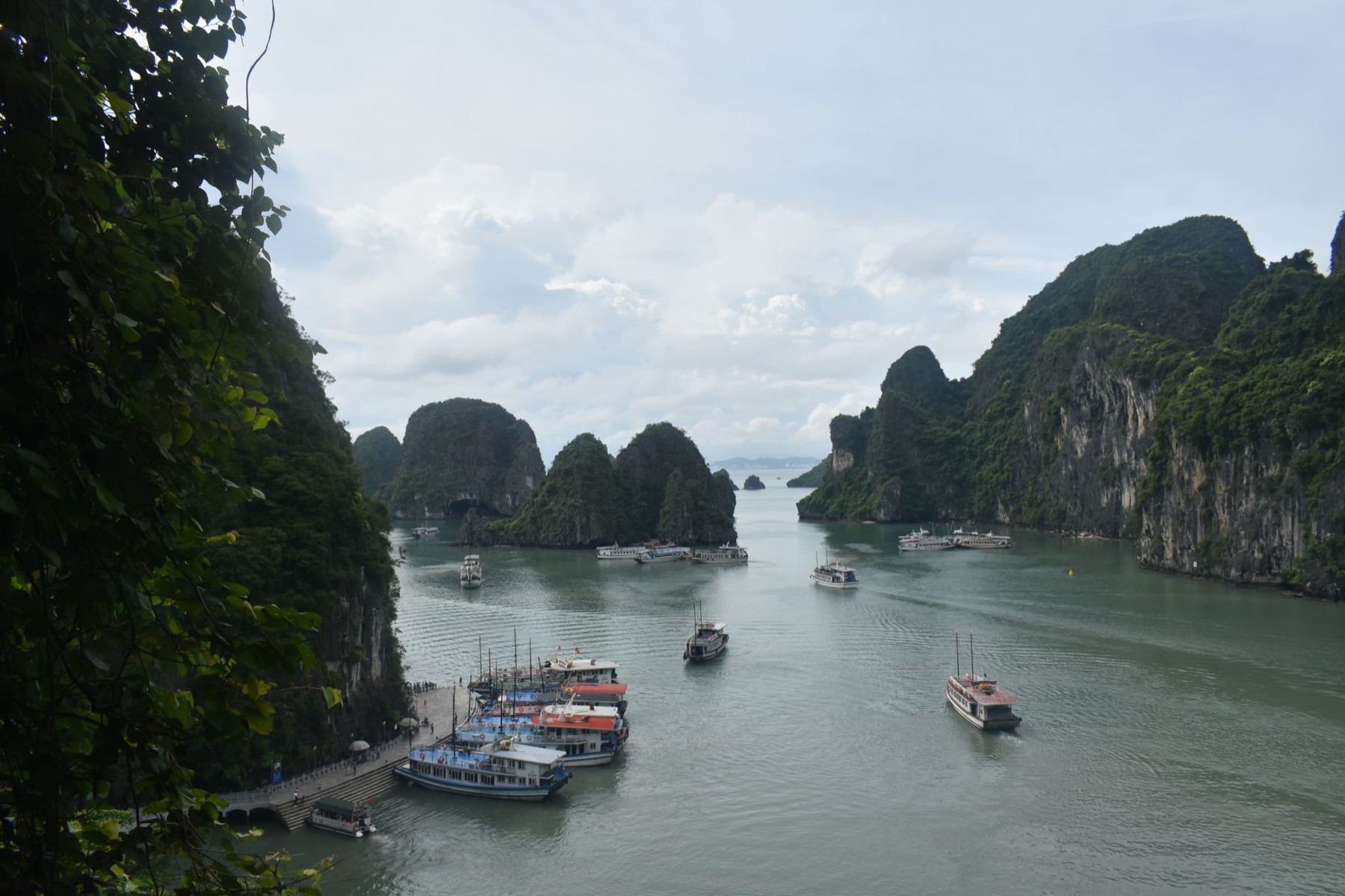
Three caves dominate the tour circuit: Sung Sot (Surprise Cave), Thien Cung (Heavenly Palace), and Dau Go (Wooden Stakes). Sung Sot is the largest and most impressive—a series of chambers with dramatic stalactites and stalagmite formations, accessed via an easy 800-step staircase. The upper chamber feels genuinely grand. Thien Cung is smaller but atmospheric, with fewer crowds if you time it early morning. Dau Go is often skipped; it's brief and less dramatic.
Most cruises include one cave visit. If your tour includes only Dau Go, negotiate to add Sung Sot—it's a 10-minute boat ride and worth the detour. Avoid the Pearl Factory "cave tour" marketed as a bonus activity; it's a 30-minute sales pitch disguised as cultural experience.
Expect 45 minutes to 1.5 hours total per cave (including climb, staircase, and return). Wear flat shoes with grip; wet limestone is slippery. Caves run around 6 AM to 5 PM daily, and group sizes swell noon–2 PM.
---
Is kayaking around karsts worth the extra cost?
Yes, if you pick a guided half-day kayak session rather than a solo rental. Guided tours (typically 2–3 hours, around $25–40 USD added to your cruise package) paddle through narrow channels between karsts, pass floating fishing villages, and offer photos you can't get from a boat. Solo kayak rentals are cheaper (around $8–15 USD per hour) but often pair you with low-quality equipment and zero navigation support—several travelers report getting lost or paddling into restricted areas.
Book the guided tour as part of your cruise package rather than arranging it separately on the island. Independent operators overcharge and sometimes lack safety equipment. The bay floor is limestone silt, not sandy bottom, so even in shallow areas, the visibility is poor—having a guide matters for safety.
Morning paddles are cooler and smoother. Afternoon winds kick up, making it physically harder. Wear a quick-dry shirt; you will splash or slip into waist-deep water at least once.
---
What's the reality of swimming in Ha Long Bay?
The water is cleaner than Hanoi's Red River but saltier and murkier than Thai islands. Visibility is typically 1–3 meters due to sediment from limestone erosion. Temperature ranges from 18°C (64°F) in winter to 29°C (84°F) in summer; anything below 22°C (72°F) feels cold for most Western swimmers.
Most cruises stop at a beach or shallow anchorage for 1–2 hours. Water is safest May–September; winter months carry higher risk of rough seas and limited visibility. Bring reef shoes—limestone spikes and sea urchins are common. Don't expect pristine visibility or resort-style beach clubs; you're in a working fishing bay.
Skip the "private beach island" add-ons marketed at $15–30 USD; they're often crowded and poorly maintained. Stick with the main beach stop included in your cruise.
---
Is overnight vs. day tour worth the price difference?
Overnight cruises (around $80–150 USD) cost 2–3× more than day tours (around $40–70 USD) but offer genuine advantages. You'll watch sunrise from the water, sleep aboard (basic cabins), eat dinner and breakfast on deck, and experience the bay's quieter hours. Day tours rush from 6 AM to 5 PM and often skip cave exploration due to time constraints.
If you have only one day, a day tour covers the basics. But if you can spare 24 hours, overnight is worth the premium cost. Budget cruises crowd you into 4-bed cabins; mid-range options offer private or shared 2-bed rooms with ensuite bathrooms. Luxury overnight cruises cater to couples and start around $250+ USD but feel unnecessary for most backpackers and adventure travelers.
Food on budget and mid-range cruises is standard Vietnamese: grilled seafood, rice, vegetables, no frills. Luxury cruises offer French-Vietnamese fusion menus. Neither justifies the price difference unless fine dining is a priority.
---
What hidden activities do most tourists miss?
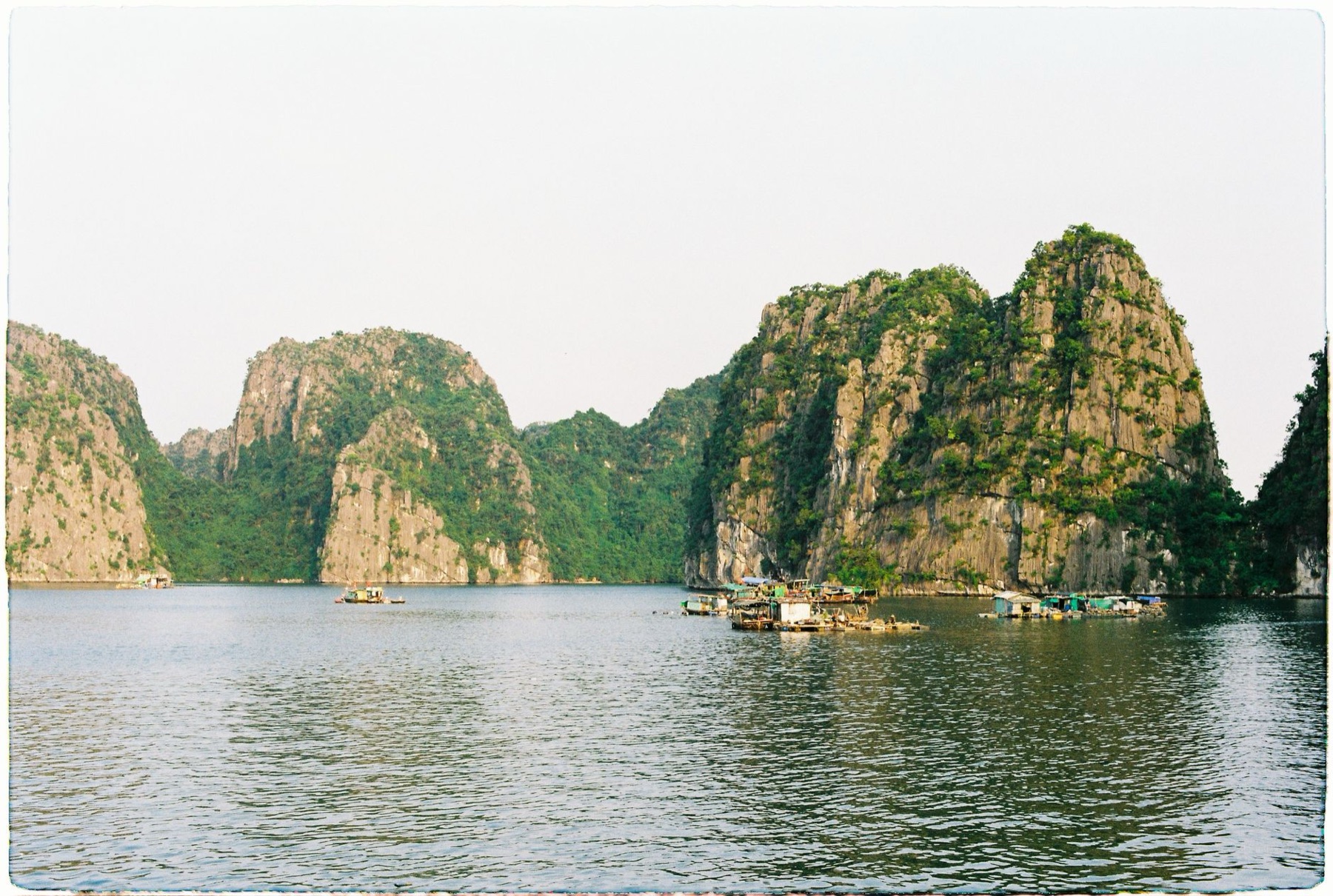
Floating fishing villages exist in the bay's deeper areas; some tour operators include a brief stop to visit and photograph locals. It's sobering—families live in boats year-round in cramped conditions. Don't photograph people without permission, and resist buying trinkets from kids; it encourages dependency. A respectful 20-minute visit is sufficient.
Sunset photography from the upper deck is free and overlooked. The light between 5–6:30 PM turns limestone gold and water blue. Bring a phone tripod if you want time-lapses or long exposures. This is the one moment the bay feels genuinely peaceful.
Early-morning bird watching attracts serious birders but requires waking at 5 AM. The bay hosts herons, cormorants, and migratory species November–March. Most cruises don't advertise this; ask your cruise director the night before if it's feasible.
Rock climbing on specific karsts is offered by adventure operators in Cat Ba Island (not directly in the bay proper). Multi-pitch climbs on bolted routes run around $60–100 USD per person for half-day sessions. You need moderate fitness and prior climbing experience. Book through climbing shops in Cat Ba Town, not your cruise operator.
---
When should you visit Ha Long Bay?
| Season | Weather | Crowds | Pros | Cons |
|---|---|---|---|---|
| May–September | 26–29°C, high humidity | High | Warmest water, most activities open | Hot, hazy, tourist season prices peak |
| October–November | 18–23°C, clear | Moderate | Best air quality, fewer crowds | Water colder, some boats skip due to storms |
| December–February | 12–18°C, cold northerly winds | Low | Lowest prices, sharp limestone clarity | Cold for swimming, occasional rough seas |
| March–April | 18–24°C, increasing heat | Moderate | Warm enough to swim, before peak rush | Spring haze, preparing for summer crowds |
Best time: October or November. Weather is mild, water swimmable, crowds manageable, and prices stable. Avoid mid-June through August if you're sensitive to heat and crowds. Winter (December–February) offers discounts but swimming feels uncomfortable for most.
---
What are the biggest scams and mistakes?
Inflated port-side pricing: Vendors at Ha Long City dock offer "last-minute" cruises at 20–50% discount. These boats are overcrowded, food is minimal, and staff push aggressive upsells (private beach, sunset dinner, activities). Book 1+ day ahead through verified operators.
"Pearl Factory" detours: Marketed as cultural education, these are 30-minute shops selling overpriced freshwater pearls (around $20–100 USD for mediocre quality). Skip entirely. Real pearl farms exist but aren't part of standard tours.
Taxi overcharges to the port: Ride-hailing apps (Grab) are 40–60% cheaper than negotiated taxis. Book via app before arriving at Cat Ba or Ha Long City.
Buying souvenirs on the boat: Crew members sell carved stone figurines, shell jewelry, and mass-produced "local" crafts at 3–4× market price. Wait until returning to Cat Ba Town or Hanoi.
Not bringing seasickness meds: The bay is generally calm, but older boats rock in waves. Dramamine or ginger tablets cost pennies in Hanoi pharmacies; they cost nothing aboard but seasickness ruins the experience for 10–15% of travelers.
Skipping travel insurance water-activity coverage: Basic cruises are safe, but kayaking, climbing, and fast-boat speedboat tours warrant accident insurance. Check your policy's adventure-activity limits before departure.
---
📸 Book an ao dai photoshoot in Hanoi or Saigon (Cáo Studio)
---
How should you plan Ha Long Bay into a larger trip?
Ha Long Bay works as a 1–3 day side trip from Hanoi (2.5–3 hours by car). Most itineraries pair it with Hanoi city tours, a Sapa mountain trek, or Ninh Binh. We recommend this flow:
- Hanoi base: 2–3 days exploring the Old Quarter, street food, water puppets.
- Ha Long Bay add-on: 1–2 days (overnight cruise or day tour).
- Onward to Sapa or Ninh Binh: 2–3 days for hiking, homestays, or rural landscape photography.
If you prefer beach relaxation, combine Ha Long Bay with Cat Ba Island (stay 1–2 nights post-cruise) or Phu Quoc Island further south. For culture and nature mix, pair with Ninh Binh (Day tours combine boat rides through Trang An Grotto with cycling through rice paddies—similar vibe, less crowded).
Read the full Ha Long Bay guide for accommodation, dining, and transportation specifics.
---
What to bring and what to skip packing?
Bring: Reef shoes, sunscreen (SPF 50+), polarized sunglasses, quick-dry clothing, motion-sickness tablets, portable phone charger, light rain jacket (October–February), underwater phone case.
Skip: Heavy luggage (boats have tiny cabins; a day pack is sufficient), formal clothes (casual is universal), expensive jewelry or electronics (theft is rare but tight quarters breed temptation), and underwater cameras (the visibility doesn't justify the gear weight).
Sunburn is the top complaint—the sun reflects off limestone and water intensely. Reapply sunscreen every 2 hours, especially arms and shoulders.
---
How to memorialize your trip without tourist trinkets?
Instead of shell jewelry or mass-produced souvenirs, consider meaningful keepsakes that fit into travel light:
- Engraved or custom keepsake boxes: Personalized with your trip date, bay coordinates, or a meaningful phrase. Durable and usable long after travel.
- Star map or constellation prints: Commission a print showing the night sky as it appeared on your visit night. Flat, ship easily, and tell a real story.
- Custom leather travel journals: Record cave names, sunrise times, kayak distances, and meals. More personal than photos.
These aren't sold in Ha Long Bay itself; book before departure from Hanoi or Saigon. They ship to your home, cost far less than onboard upsells, and remind you of genuine moments rather than transactional vendor encounters.
---
What's the honest take: Is Ha Long Bay worth the hype?
Yes, with caveats. The karst formations are genuinely spectacular and unique to Vietnam's north. A well-planned 1–2 day visit (booked through reputable operators, off-peak season if possible) delivers unforgettable landscape photos and peaceful water time. The caves are impressive, especially Sung Sot.
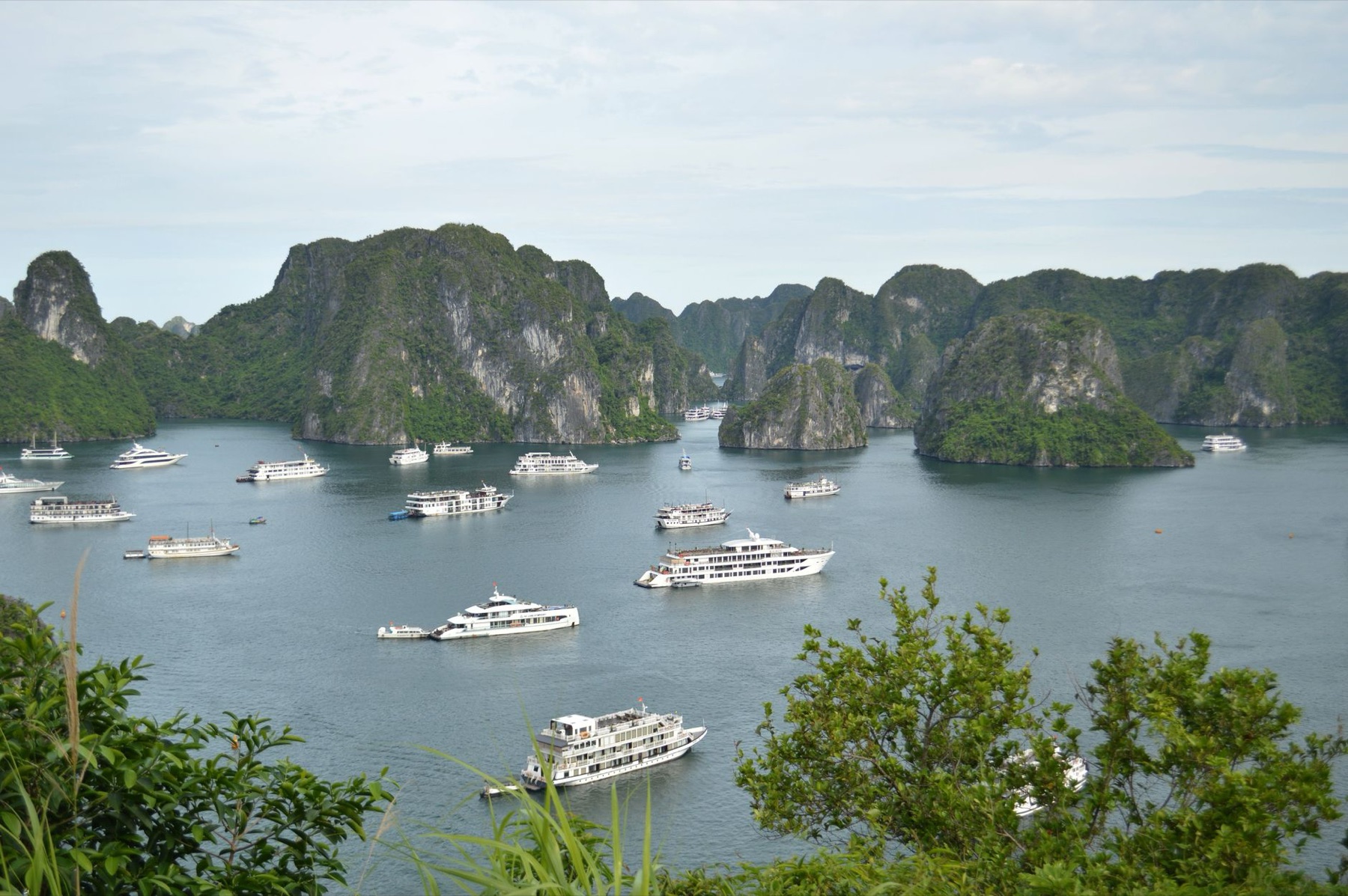
But it's not a remote wilderness experience anymore—you'll share anchorages with 20+ other boats, and the bay floor collects plastic and fishing debris. Treat it as a highlight within a broader Vietnam itinerary, not the entire reason to visit the country.
Our recommendation: book an overnight cruise (not a day tour), visit Sung Sot Cave, paddleboard or kayak for 2–3 hours, swim once, and spend the rest of the time reading, journaling, or watching the light change on stone. Resist upsells. Skip the Pearl Factory. Eat well onboard. The magic is in stillness, not in checking boxes.
---
🎟️ Compare tours & tickets for this place
---
Before you book, check these details:
- Boat age & reviews: Ask the cruise operator the vessel's construction year and request photos of your specific boat (operators often show you their flagship, not what you'll actually board). Check independent review sites (TripAdvisor, Google Maps for the boat name specifically, not the company).
- Cabin specs: If booking overnight, ask for cabin size (4-bed vs. 2-bed), ensuite bathroom (common areas are grimy), and air-conditioning wattage. Budget boats often lack strong AC in summer.
- Meal inclusions: Confirm whether breakfast, lunch, and dinner are included or if you pay à la carte. Budget tours often serve small portions; clarify in advance if you have dietary restrictions.
- Activity inclusions: List every activity (cave, beach, kayak, snorkel) in writing before payment. Verbal promises disappear when you board.
- Cancellation policy: Check if weather cancellations offer full refunds or rescheduling only. Typhoon season (July–September) can disrupt bookings.
- Pickup logistics: Confirm whether pickup from Hanoi is included, the exact pickup time, and what to bring. Some budget tours have chaotic morning logistics.
---
Read more about exploring Vietnam's north and plan your full itinerary.
FAQ
Can you visit Ha Long Bay as a day trip from Hanoi?
Yes, but it's exhausting. You'll spend 3 hours each way in a car, leaving 5–6 hours for the bay itself. Day tours rush cave visits, limit swim time, and skip meal quality. If you have only one day, go; but overnight or 2-day trips deliver far better value and experience.
Is Ha Long Bay safe for swimmers?
Generally yes. The bay sees millions of tourists annually with rare swimming incidents. Water is saltier than freshwater lakes, so you float higher and tire less. Limestone cuts are the main risk—wear reef shoes. Avoid swimming if weather looks rough or visibility is poor (winter months).
What's the difference between Ha Long Bay and Cat Ba Island?
Ha Long Bay is the limestone seascape and UNESCO site proper. Cat Ba Island is the largest island within the bay, home to 10,000+ residents, restaurants, hotels, and adventure bases (climbing, kayaking, hiking). Most visitors sleep on Cat Ba or in Ha Long City, then tour the bay itself daily.
Do you need a visa to visit Ha Long Bay?
Ha Long Bay is in Vietnam proper, so standard Vietnam tourist visa (or e-visa) applies. Check Vietnam visa requirements before booking. Most nationalities qualify for 90-day e-visas processed online.
What's included in a typical Ha Long Bay cruise package?
Mid-range overnight cruises (around $100–150 USD) typically include accommodation (shared cabin), meals (breakfast, lunch, dinner), one cave visit, and beach stop or kayaking. Sunset drinks, snacks, and activities beyond the one cave are often extra. Always confirm in writing before payment.
Is it worth upgrading from budget to mid-range cruises?
Yes. Budget cruises ($40–70 USD) crowd you, serve minimal food, lack AC efficiency, and aggressively upsell add-ons. Mid-range ($80–150 USD) offers better cabins, edible meals, friendlier staff, and fewer hard-sells. The $40–50 USD difference is worth it for comfort and peace of mind. ===
FAQ
Can you visit Ha Long Bay as a day trip from Hanoi?
Yes, but it's exhausting. You'll spend 3 hours each way in a car, leaving 5–6 hours for the bay itself. Day tours rush cave visits, limit swim time, and skip meal quality. If you have only one day, go; but overnight or 2-day trips deliver far better value and experience.
Is Ha Long Bay safe for swimmers?
Generally yes. The bay sees millions of tourists annually with rare swimming incidents. Water is saltier than freshwater lakes, so you float higher and tire less. Limestone cuts are the main risk—wear reef shoes. Avoid swimming if weather looks rough or visibility is poor (winter months).
What's the difference between Ha Long Bay and Cat Ba Island?
Ha Long Bay is the limestone seascape and UNESCO site proper. Cat Ba Island is the largest island within the bay, home to 10,000+ residents, restaurants, hotels, and adventure bases (climbing, kayaking, hiking). Most visitors sleep on Cat Ba or in Ha Long City, then tour the bay itself daily.
Do you need a visa to visit Ha Long Bay?
Ha Long Bay is in Vietnam proper, so standard Vietnam tourist visa (or e-visa) applies. [Check Vietnam visa requirements](/vietnam/visa) before booking. Most nationalities qualify for 90-day e-visas processed online.
What's included in a typical Ha Long Bay cruise package?
Mid-range overnight cruises (around $100–150 USD) typically include accommodation (shared cabin), meals (breakfast, lunch, dinner), one cave visit, and beach stop or kayaking. Sunset drinks, snacks, and activities beyond the one cave are often extra. Always confirm in writing before payment.
Is it worth upgrading from budget to mid-range cruises?
Yes. Budget cruises ($40–70 USD) crowd you, serve minimal food, lack AC efficiency, and aggressively upsell add-ons. Mid-range ($80–150 USD) offers better cabins, edible meals, friendlier staff, and fewer hard-sells. The $40–50 USD difference is worth it for comfort and peace of mind. ===