Ha Long Bay · Things to do
Things to Do in Ha Long Bay Vietnam: 2026 Honest Guide
By Wander in Vietnam editorial team · Hanoi, Vietnam
Ha Long Bay's UNESCO-listed karst landscape justifies the hype—but only if you choose the right activity at the right time. We've spent time on crowded group cruises, intimate junk boats, and solo kayak routes. Here's what actually delivers.
What's the best cruise type for your budget and interests?
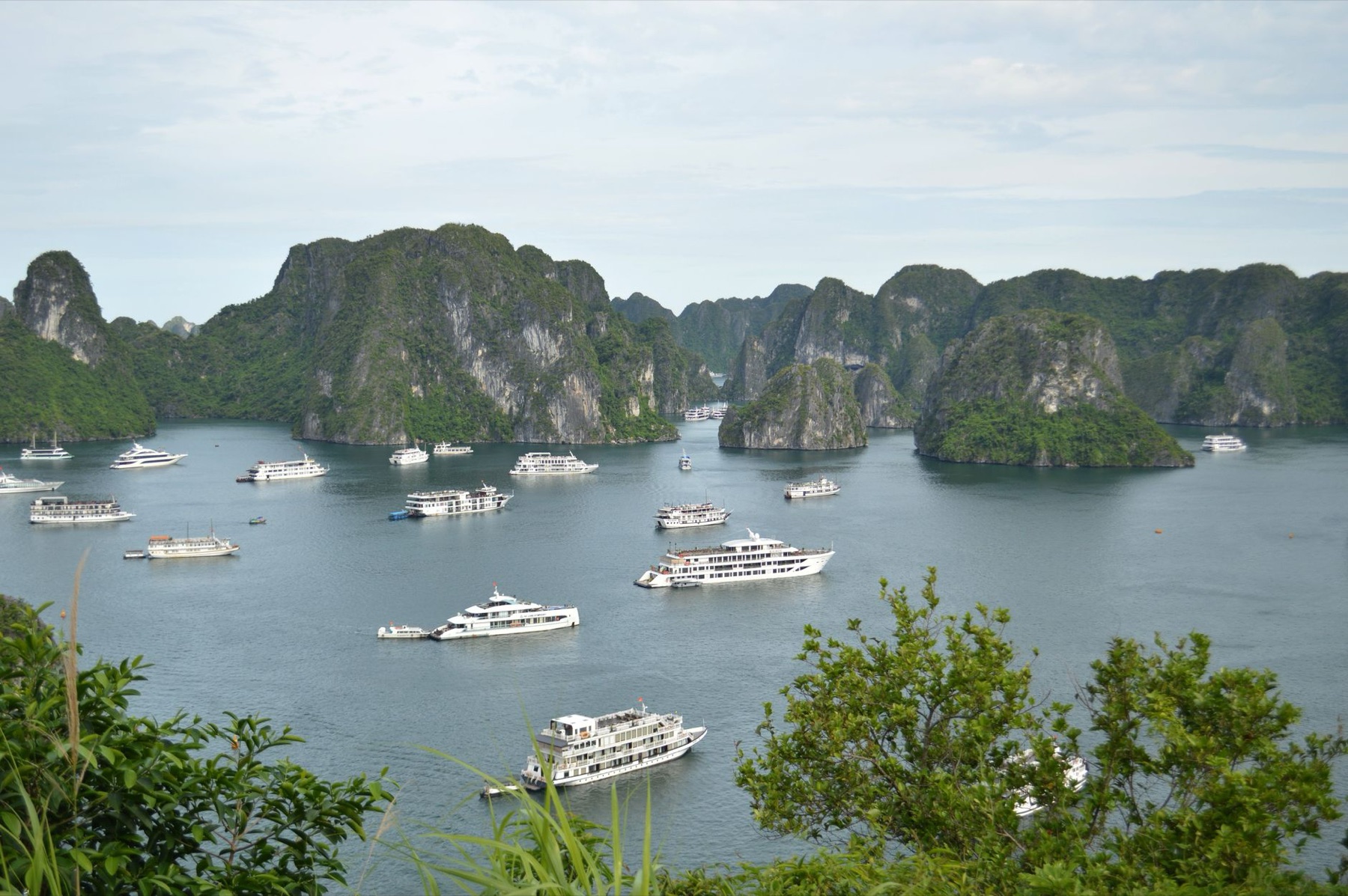
Ha Long Bay offers three distinct cruise experiences. Group tours (usually morning departures from Halong City pier) cost around 800,000–1,500,000 VND ($31–$58 USD) for a half-day and pack 30–60 people per boat—fine if you want social energy, awful for photos. Private or small-group junks (6–12 guests) run 2,500,000–5,000,000 VND ($97–$194 USD) per person overnight and let you anchor in quieter coves. Budget overnight options sleep 20+ in dorm bunks at 1,200,000–2,000,000 VND ($46–$77 USD) per night; noisy but memorable.
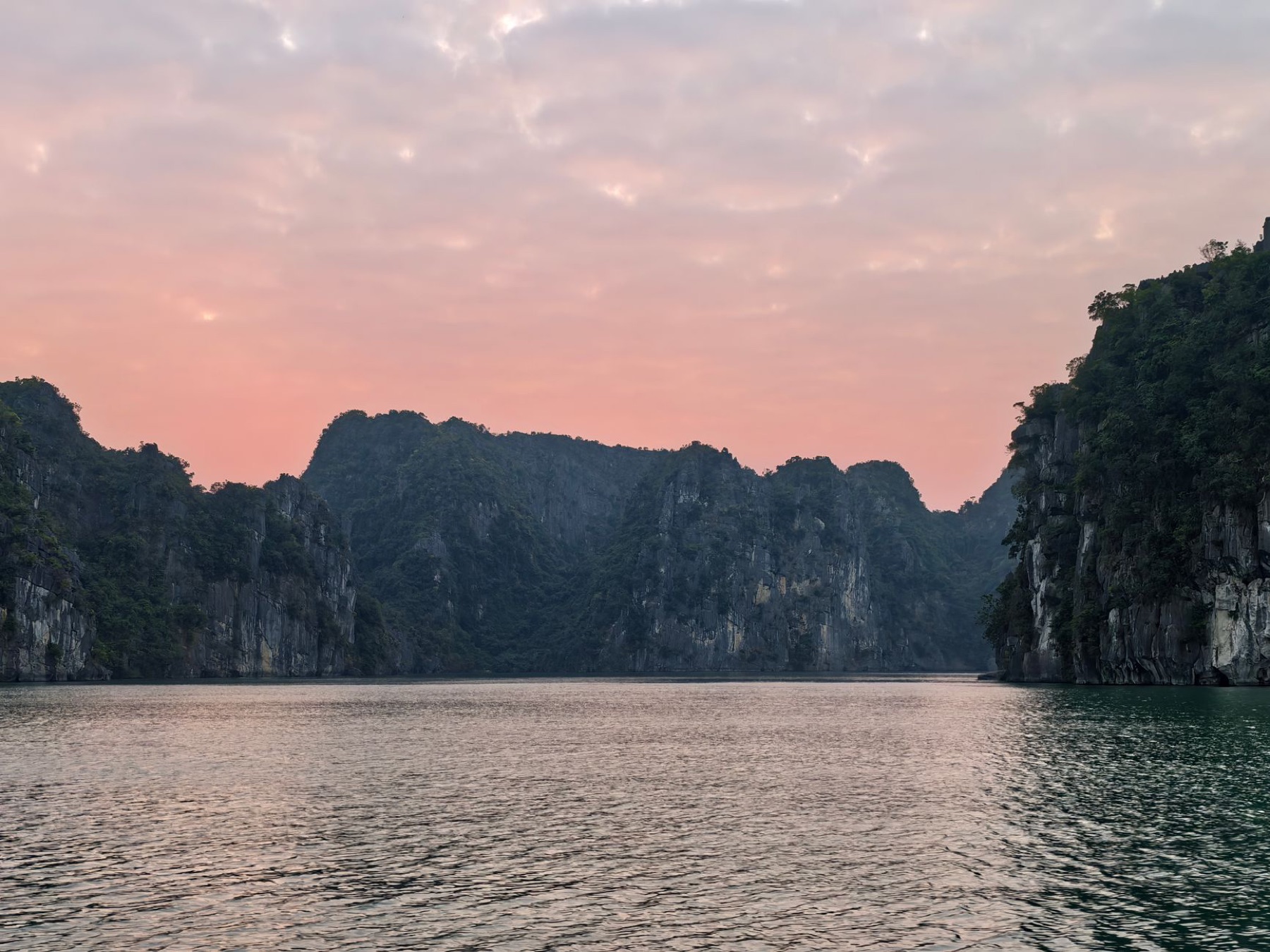
Our honest take: morning group cruises are rushed (2–3 hours floating). If you have one day, pair a half-day cruise with a cave visit or island walk instead. If you have two days, an overnight junk (even a mid-range one) transforms the experience—sunrise over the bay alone justifies it.
🗺️ Plan your route: Vietnam itinerary
How long should you actually spend in Ha Long Bay?
One day feels thin; two days with an overnight feels right; three days means repeating activities. A typical one-day itinerary: morning cruise (3–4 hours), lunch on board, cave exploration (Sung Sot or Thien Cung, 45 minutes), Titop Island hike (1–2 hours), return by 4 p.m. An overnight adds sunset at anchor, early breakfast on deck, and a second cave or kayak slot—genuinely different from day-trippers' experience. Don't extend beyond two full days unless you're combining with Ninh Binh limestone scenery 2 hours south.
Peak season (May–September, especially July–August and Tet/January–February) brings cruise gridlock—boats queue for cave entry, beaches fill by 9 a.m. April and October offer best weather (warm, fewer crowds). November–March is cooler, sometimes drizzly, but peaceful.
Which islands and caves are worth the stop?
Sung Sot (Surprise Cave) is the largest and most-visited—genuinely impressive stalactites, but expect 100+ tourists. Allow 45 minutes. Thien Cung (Heavenly Palace) feels less crowded, smaller, equally photogenic. Titop Island has a steep hike (10 minutes, 430 steps) to a viewpoint—excellent for photos, brutal in humidity. The beach is average; skip if you're short on time.
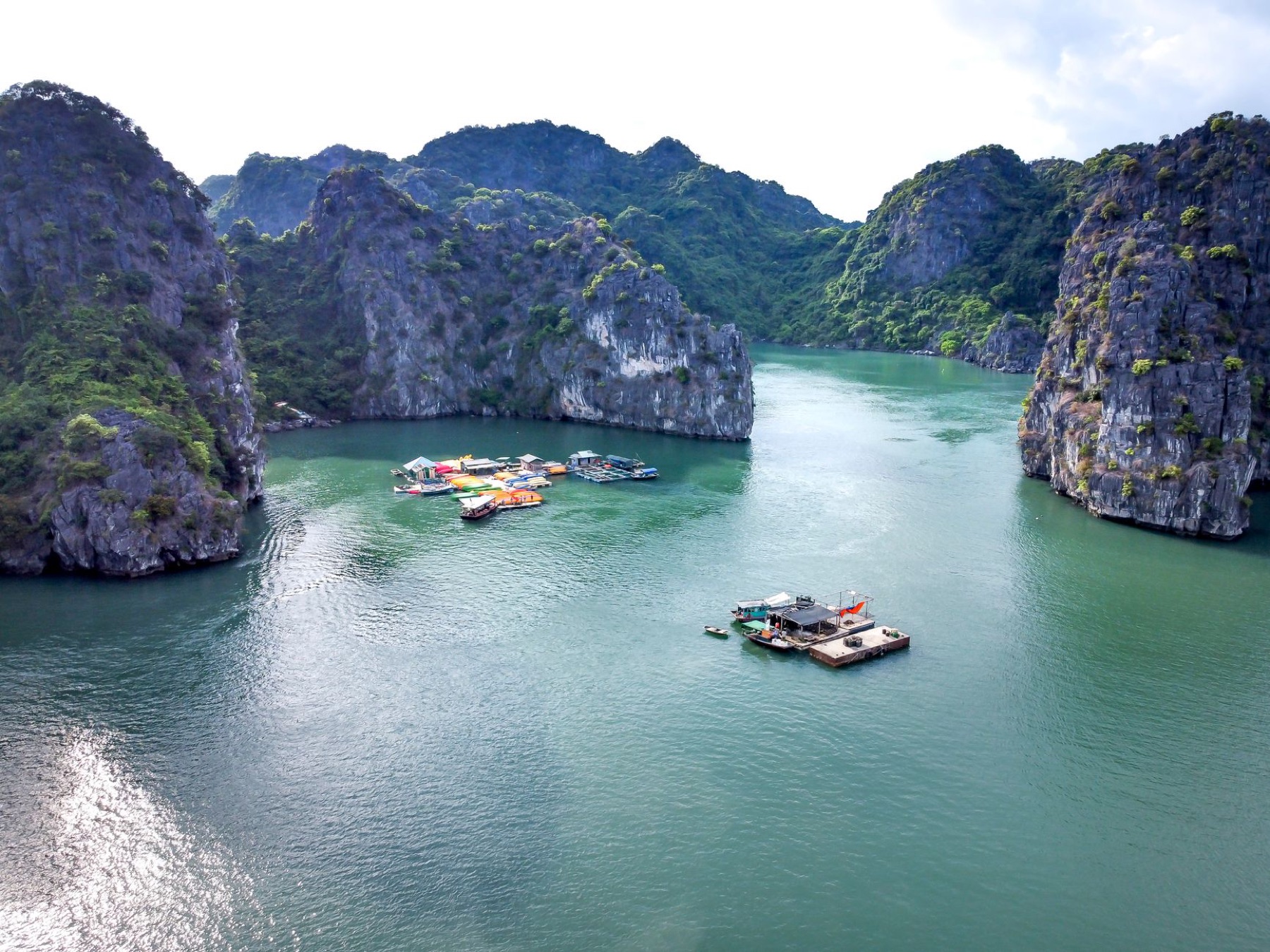
Dao Ti Top (near Lan Ha, not on most group tours) remains relatively quiet—ask your cruise operator. Cat Ba Island (south of main Ha Long, requires separate ferry) suits hikers and kayakers but isn't part of standard cruises. Floating villages (Vung Vieng, Cua Van) are polarizing—authentic fishing culture mixed with tourism staging. If you visit, respect the community; don't treat it as a petting zoo.
Skip: "beach days" marketed as part of cruises—beaches here are pebbly, often crowded, not what Instagram suggests.
What are the hidden costs and scams to avoid?
The cruise markup trap: Booking through your hotel costs 20–30% more than direct booking or Viator-style platforms. Check prices yourself. The "optional" add-on charge: Lunch drinks, cave entrance, transfers not clearly listed upfront—confirm what's included before paying. The overcrowded tour operator: Some budget companies cram 80+ people; request vessel size upfront.
The kayak upsell: Most cruises offer add-on kayaking (around 500,000 VND / $19 USD per 1–2 hours). It's genuinely worth it if you book in advance; late bookings often get overbooked slots or poor timing. The photoshop village claim: Some cruises promise "untouched fishing villages"—they're semi-staged for tourists. They're still culturally valuable but manage expectations.
Real cost breakdown for a one-day cruise:
- Cruise (half-day, group): 800,000–1,500,000 VND
- Hotel transfer to port: 300,000–500,000 VND (or book transport separately)
- Lunch (usually included on mid-range boats; free on budget): 0–300,000 VND
- Cave entrance (included on most): 0 VND
- Kayak add-on (optional): 500,000–1,000,000 VND
- Total: around 1,600,000–3,300,000 VND ($62–$128 USD)
What to check before you book:
- Is transport from your hotel included or separate?
- What's the boat capacity (should be <50 for a pleasant experience)?
- Does lunch include drinks, or are they extra?
- Is there a guarantee of good weather, or a rain-day reschedule?
- Do you need a visa or e-visa for entry? (Most tourists need a Vietnam e-visa unless you're a regional passport holder.)
How do you avoid the peak-season crush?
Skip these windows: July–August (heat + school holidays), Tet/January–February (Chinese New Year overflow), May (domestic holidays), weekends year-round. Best windows: early April, late October, November, January (weekdays), mid-June.
Book early-morning departures, even if they feel inconvenient—you'll anchor before midday crowds. Book directly with the operator, not through tour desks or apps, for smaller boat allocation. Consider an overnight junk instead of a day cruise; you'll wake before crowds and have first access to caves.
| Activity | Best Time | Crowd Level | Cost (approx.) | Duration |
|---|---|---|---|---|
| Half-day cruise | Nov–Mar, weekday | Moderate–High | 800K–1.5M VND | 3–4 hrs |
| Overnight junk | Oct–Apr | Low–Moderate | 1.2M–5M VND | 24 hrs |
| Kayaking in Lan Ha | April, Sept–Oct | Low | 500K–2M VND | 2–4 hrs |
| Titop Island hike | Nov–Mar | High (peak hrs) | Included | 1–2 hrs |
| Floating village tour | Jan–Mar | Moderate | 1M–2M VND | 3–4 hrs |
📸 Book an ao dai photoshoot in Hanoi or Saigon (Cáo Studio)
Should you combine Ha Long Bay with other nearby destinations?
Ha Long City itself (2–3 hours from Hanoi) is functional but dull—don't spend extra time there. Instead, anchor in nearby Ninh Binh (2 hours south), which offers similar but less crowded karst scenery, cave tours, and fewer tourists. A three-day itinerary might be: Day 1 overnight Ha Long junk, Day 2 afternoon transfer to Ninh Binh, Day 3 Ninh Binh cave hike and boat tour. This spreads costs and avoids fatigue.
If you're coming from Hanoi and have four days, consider: Day 1 Hanoi exploration (see our Hanoi guide), Day 2 early departure to Ha Long (overnight junk), Day 3 return to Hanoi and transfer onward. The overnight reduces redundant day-cruising and maximizes unique time.
Fly or overnight bus from Ha Long to Hoi An (4 hours to airport + flight to Danang, or 10+ hours by bus)—not worth it unless Hoi An is your next major stop anyway.
🎟️ Compare tours & tickets for this place
What to pack and how to stay comfortable.
Bring: reef-safe sunscreen (local shops are expensive and often poor quality), a lightweight rain jacket, quick-dry clothes, and closed-toe shoes for cave walks. Seasickness tablets if prone—morning departures on calm days usually mean smooth sailing, but overnight boats in winter can rock. Motion bands work for many travelers and cost around 150,000 VND ($6 USD) at convenience stores.
Most cruises are barefoot or sandal affairs onboard—pack flip-flops. Bring a power bank; boat WiFi is spotty. A printed copy of your e-visa or passport is wise (most crew speak limited English). Toilet paper and hand sanitizer are rare on budget boats—bring both.
Stay connected on the water: Grab a local Vietnam eSIM before departing Hanoi or book in your home country for seamless data at sea.
---
FAQs: Honest answers to what travelers actually ask.
Q: Is Ha Long Bay worth it, or just a tourist trap? A: It's genuinely stunning—UNESCO site, unique geology, worth one full day minimum. But it's also heavily commercialized. The experience is 70% the boat and crew you choose, 20% the weather, 10% the scenery. Book thoughtfully (small boat, early departure, off-season if possible) and it delivers; book through a hotel concierge in peak season and you'll be herded. Go—but go smart.
Q: How is the food on cruises? A: Budget boats serve repetitive seafood (often pre-cooked). Mid-range boats cook daily and quality improves noticeably. Overnight junks usually offer a decent mix of seafood, tofu, vegetables. Bring snacks (fruit, nuts, candy) as a backup. Soft drinks on board are marked up 200–300%. Tap water is usually drinkable; ask crew.
Q: Do I need a guide, or can I self-explore? A: Self-exploring is legally tricky—Ha Long Bay is a protected site and independent kayaking or boating requires permits. Stick to licensed tours. Guides on group cruises are inconsistent (some speak good English, others offer minimal commentary). Overnight junks often have better guide-to-guest ratios. Ask when booking.
Q: What's the weather like, and when is it actually safe to visit? A: Typhoon season is July–October (though direct hits are rare). Summer (June–August) is hot, humid, occasionally rainy. Winter (November–February) is cooler, clearer, fewer storms. April–May and September–October are sweet spots—warm without intense heat. All seasons are safe for cruises; winter visibility is best for photos.
Q: Can I visit as a day-trip from Hanoi? A: Yes, but it's exhausting. Halong City is 2–3 hours from Hanoi by minibus. A day tour departs 6–7 a.m., returns 5–6 p.m.—roughly 12 hours total for 3–4 hours afloat. It's doable as a tick-box but not recommended. Stay overnight if you can; the junk experience at anchor is the real payoff.
---
🗺️ Plan your route: Vietnam itinerary
Wander in Vietnam recommends treating Ha Long Bay as a two-day commitment: one overnight junk or one full-day cruise plus an evening ashore. Booking early and traveling off-season (April, October–November, early January on weekdays) transforms the experience from crowded spectacle to genuine exploration. If you're in Hanoi, factor in transfer time and consider extending to quieter Ninh Binh for a less hectic karst experience.
FAQ
Is there a chance of typhoons or bad weather canceling my trip?
Typhoons are rare but possible July–October. Most tour operators reschedule or offer refunds. Winter (Nov–Feb) has lowest weather risk. Check the forecast and book with operators offering free rescheduling; it's standard practice.
How much time do you actually spend seeing caves versus being herded onto the boat?
On group half-day cruises, roughly 30–45 minutes in caves, 3–4 hours cruising (much is transfer between stops), 30 minutes on a beach or island. Overnight junks allow 2–3 cave or kayak slots over 24 hours, less rushing overall.
Are English-speaking guides mandatory, and do they charge extra?
Most cruises include basic English-speaking crew. Private guides (separate hire) cost 1,500,000–3,000,000 VND ($58–$116 USD) per day—worth it if you want deep history or photography guidance, not essential for sightseeing.
Can I just kayak Ha Long without a tour?
No; Ha Long Bay requires licensed tour operators and permits. Self-guided kayaking is technically illegal (it's a protected UNESCO site). Book a kayak add-on with your cruise operator instead (usually 500,000–1,500,000 VND / $19–$58 USD for 2–4 hours).
Should I bring my own snorkel gear, or rent onboard?
Most cruises skip snorkeling (water quality and marine life are limited). If a cruise offers it, rentals onboard are fine and included. The water is warm enough (22–28°C / 72–82°F) but relatively murky; snorkeling isn't a major draw compared to caves or kayaking.
FAQ
Is there a chance of typhoons or bad weather canceling my trip?
Typhoons are rare but possible July–October. Most tour operators reschedule or offer refunds. Winter (Nov–Feb) has lowest weather risk. Check the forecast and book with operators offering free rescheduling; it's standard practice.
How much time do you actually spend seeing caves versus being herded onto the boat?
On group half-day cruises, roughly 30–45 minutes in caves, 3–4 hours cruising (much is transfer between stops), 30 minutes on a beach or island. Overnight junks allow 2–3 cave or kayak slots over 24 hours, less rushing overall.
Are English-speaking guides mandatory, and do they charge extra?
Most cruises include basic English-speaking crew. Private guides (separate hire) cost 1,500,000–3,000,000 VND ($58–$116 USD) per day—worth it if you want deep history or photography guidance, not essential for sightseeing.
Can I just kayak Ha Long without a tour?
No; Ha Long Bay requires licensed tour operators and permits. Self-guided kayaking is technically illegal (it's a protected UNESCO site). Book a kayak add-on with your cruise operator instead (usually 500,000–1,500,000 VND / $19–$58 USD for 2–4 hours).
Should I bring my own snorkel gear, or rent onboard?
Most cruises skip snorkeling (water quality and marine life are limited). If a cruise offers it, rentals onboard are fine and included. The water is warm enough (22–28°C / 72–82°F) but relatively murky; snorkeling isn't a major draw compared to caves or kayaking.