Hanoi · Things to do
Things to Do in Hanoi: 13 Real Activities Beyond the Tourist Trail
By Wander in Vietnam editorial team · Hanoi, Vietnam
Hanoi doesn't give up its treasures to people who stay on Nguyen Hue or Ta Hien Street. After 12 years running Wander in Vietnam from this city, I can tell you: the real Hanoi lives in narrow lanes where vendors have been slicing pho for three generations, in the hands of artisans who learned their craft before tourism became an industry, and in the quiet hours before tour buses arrive.
This guide is built on where I actually go—not what travel blogs regurgitate. I've listed what takes time, what's worth your money, what locals whisper about, and what you should skip entirely.
What's the fastest way to cover Old Quarter attractions without joining a tour?
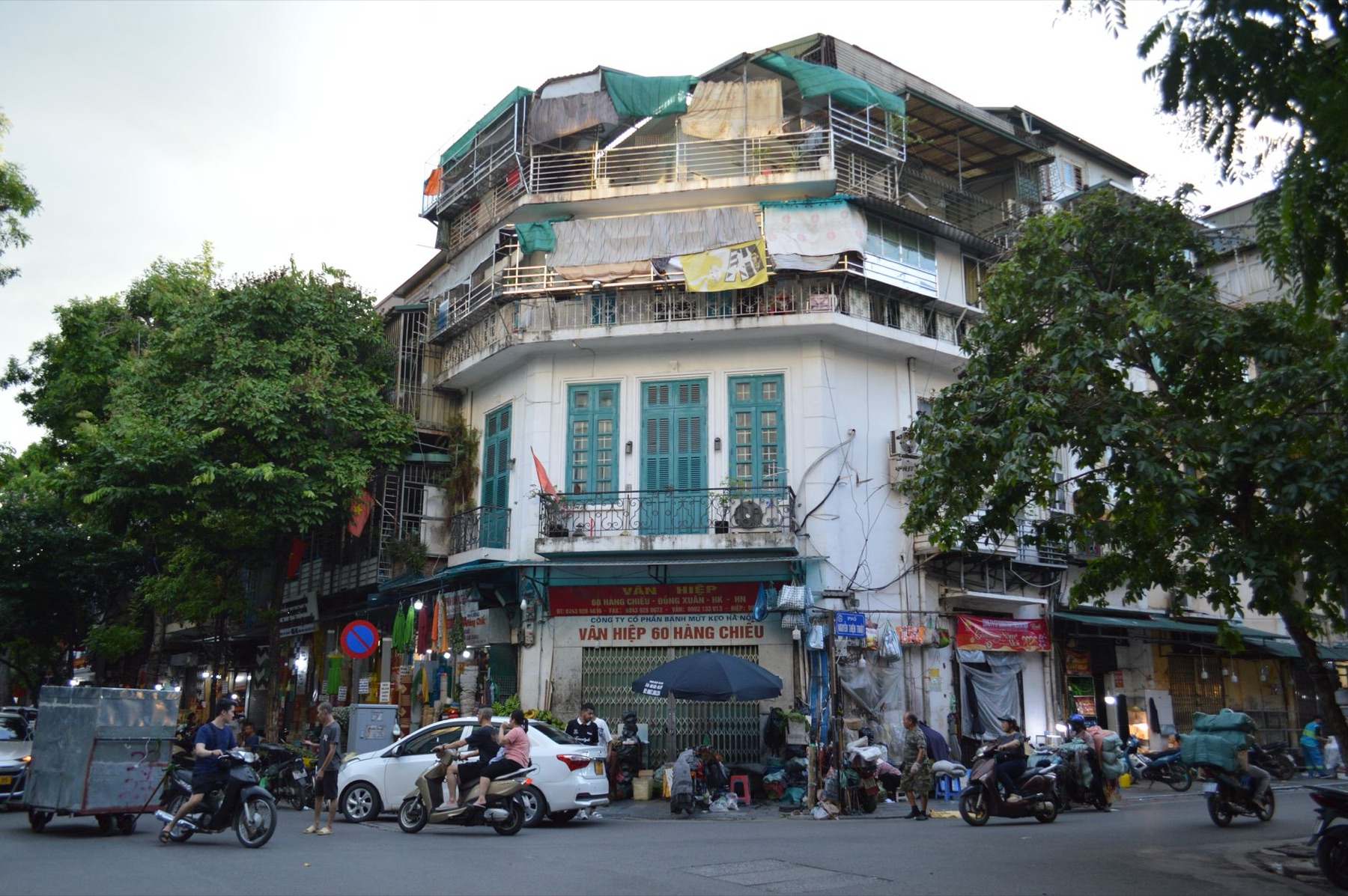
The Old Quarter is unavoidable but manageable if you move early and strategically. Start at St. Joseph Cathedral (Nha Tho Lon, corner Nha Tho & Ly Quoc Su streets) around 7:30 a.m., before it fills. Walk to nearby Hoan Kiem Lake, circle it counterclockwise, and reach the Turtle Tower by 8:30 a.m. The temple sits mid-lake on a small island; it's photogenic but crowded after 9 a.m. Grab egg coffee at one of the family-run cafes on Hang Gai Street (around 50,000 VND / $2.50 USD) and explore the narrow alleyways specializing in single trades—hardware, silk, paper—remnants of 13th-century guild organization. Finish with pho at a hole-in-wall joint (around 40,000 VND / $2 USD) before noon when the serious crowd arrives.
🗺️ Plan your route: Vietnam itinerary
Where do locals buy souvenirs that actually mean something?
Tourist shops on Ta Hien peddle the same plastic water puppets and mass-printed art. Real gifts come from working artisans. In Hoan Kiem district, visit Craftlink (84 Van Mieu Street)—a social enterprise gallery where you buy directly from disabled artisans making lacquerware, silk scarves, and woodblock prints. Prices are higher than night markets but transparent; makers' names are listed. Alternatively, Hanoi Silk (multiple locations including Hang Gai) sells handwoven scarves and ao dai fabric by the metre—a gift that carries genuine craft. For keepsakes, consider personalized star map prints or custom engraved items shipped from home after your trip; they're cheaper than luggage space and speak louder than souvenirs bought in haste.
📸 Book an ao dai photoshoot in Hanoi or Saigon (Cáo Studio)
| Item Type | Best For | Typical Price (VND) | Why It Works |
|---|---|---|---|
| Hand-painted silk scarves (Hoan Kiem artisans) | Immediate, wearable memory | 800k–2.5M | Lightweight, practical, genuine craft |
| Lacquerware bowls (Craftlink) | Home décor, lasting | 1.2M–4M | Fragile but stunning; tell a story of maker |
| Bamboo water puppet (night markets) | Kitschy but honest | 200k–500k | Lightweight, iconic, made locally |
| Personalized star map (sent home post-trip) | Sentimental, reflective | $35–80 USD | Arrives perfect condition; no luggage weight |
| Ao dai silk or ready-made (Old Quarter tailors) | Wearable investment | 2M–8M (fabric); 4M–12M (tailored) | Custom-fit, worn for years, real textile |
How much time should you actually spend at the Temple of Literature?
Two hours maximum, staggered into three visits. The Temple of Literature (Van Mieu) is Hanoi's most important Confucian site, built in 1070 and housing one of Asia's oldest universities. Most visitors rush through all five courtyards in 45 minutes and miss the actual story. Go early (7–8 a.m.) to walk the grounds without school groups. Read the stone tablets listing exam laureates from the 13th–18th centuries; they're in the fourth courtyard and quietly powerful. The first courtyard's bonsai garden is a breathing space. Skip the printed guide and instead hire a knowledgeable freelance guide (around 300k–400k VND / $15–20 USD for two hours) who studied here; they point out details the placards hide. Come back at dusk for a solitary walk if you're staying nearby—the temple softens in late light and vendors disappear.
Is the water puppet theatre worth the cost and crowd?
Yes—but only if you understand what you're watching and go to the right show. Water puppetry is not entertainment; it's a 1,000-year-old art form that evolved in rice paddies, with puppets controlled by puppeteers hidden behind screens. The difference is everything. The state-run Thang Long Water Puppet Theatre (1 Trang Tien Street, Hoan Kiem) is the most accessible; shows run at 3:15 p.m., 5 p.m., and 7:15 p.m. daily. Tickets are around 100k VND / $5 USD for foreigner prices (locals pay 60k / $3). The 50-minute performance includes scenes of everyday feudal life, dances, and historical tales. The catch: arrive 20 minutes early, the theatre is cramped, and the audience is 90% tour groups. If you want genuine practice, several community centres in outlying districts hold performances for locals; these are rare, unscheduled, and require local contacts. Skip the cheap puppet shows on Hang Ngang Street—they're lip-synced parodies targeting backpackers.
Which craft workshops let you actually make something and take it home?
Most tourist workshops are theatre: you paint a pre-made lantern or roll spring rolls under supervision, photos get taken, and they make their profit on your entrance fee. Real workshops exist but require asking neighbourhoods directly. In Bat Trang (the ceramics village, 15 km southeast, 30-minute scooter or bus), dozens of family kilns offer half-day pottery classes—you centre clay on a wheel, shape it, and return two weeks later to collect the fired piece (shipped to your home or hotel). Cost is around 400k–600k VND / $20–30 USD including materials and firing. Silk-weaving workshops near St. Joseph Cathedral (Hang Gai area) let you work a loom for an afternoon, making a small scarf; again, expect around 500k–700k VND / $25–35 USD. The key: ask your hotel directly, confirm you'll own the finished work, and allow 48 hours' notice. Many workshops close for Tet (lunar new year) and aren't listed online.
🎟️ Compare tours & tickets for this place
Where do you eat breakfast like a Hanoian, not a tourist?
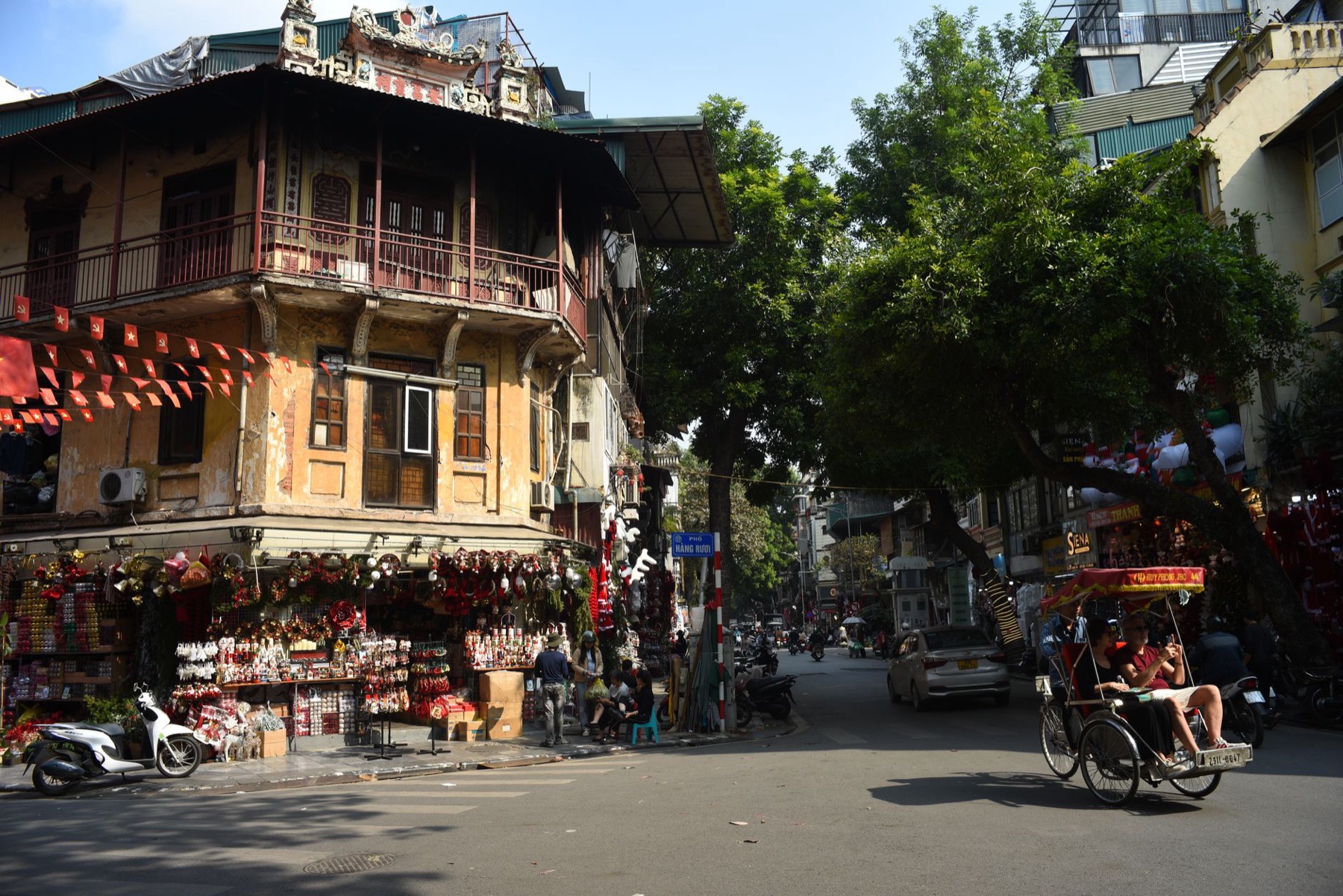
Old Quarter and around Hoan Kiem Lake are tourist feeding grounds. Cross the Red River to the east side (Hai Ba Trung district) or south to Dong Da district, where pho shops, banh mi stalls, and com tam (broken rice) joints operate without English menus or chair-raising prices. A typical breakfast: pho (around 40k–50k VND / $2–2.50 USD), banh mi (25k–35k VND / $1.25–1.75 USD), or com tam voi egg and meatball (40k–60k VND / $2–3 USD). Hang Manh Street has four competing pho stalls; pick the one with the longest queue of construction workers. Breakfast is 6:30–9 a.m.; by 10 a.m. they've run out. Avoid restaurants with English menus, colour photos, or plastic chairs arranged for photos. Bring cash; many don't take cards. Download an offline Vietnamese translator and point at what others are eating.
Should you hire a scooter and explore beyond central Hanoi?
Only if you're a confident rider and have an International Driving Permit (accepted; a Vietnamese license is not required for short-term rental). Traffic here is anarchic but predictable once you understand the rhythm—slower than it looks, with rules that operate by consensus rather than law. Scooter rental costs around 120k–150k VND / $6–7.50 USD per day from shops in the Old Quarter. Fuel is cheap (around 20k VND / $1 USD per litre). Wear a helmet and assume no one else will signal.
Worthwhile day rides:
- Thay Pagoda & Tay Phuong Pagoda (40 km west, two hours each way, 45-minute walk between them). Ancient temples set in limestone hills; fewer tourists than central temples.
- Bat Trang ceramic village (15 km southeast). Spend the morning at a pottery workshop, lunch at a family restaurant overlooking the kiln, return by afternoon.
- Co Lau Village (30 km north, two hours). Rice-paddy landscape, home-stay lunches, zero tourists.
Check a Vietnam e-visa guide before you arrive; foreign visitors can ride but should carry documents. Fill up fuel before leaving the city—rural stations are rare.
What's genuinely worth the trip outside Hanoi proper?
Ha Long Bay (170 km east, 2.5–3 hours by car) is a UNESCO site and jaw-dropping but oversold as a day trip. Overnight cruises (around 2–4 million VND / $100–200 USD per person including meals) are worth the money if you book 2–3 weeks ahead with small operators rather than backpacker brokers; see our Ha Long Bay guide for vetting advice.
Ninh Binh (100 km south, 2 hours) is underrated—limestone karsts, river kayaking, temple crawls, and better food than central Hanoi. Most visitors skip it, which is precisely why you shouldn't. Read our Ninh Binh guide for a two-day itinerary.
Sapa (350 km north, 5–6 hours by overnight train or bus) is best skipped April–September (humid, overbooked) and visited Oct–Nov when trails are clear and hill tribes' harvest festivals occur. See Sapa guide for honest assessment.
For logistical planning, consider a Vietnam itinerary planner to map drive times and seasons.
How do you stay connected and avoid overpaying for internet?
Get a local eSIM or SIM card before arriving or at Noi Bai Airport. Viettel and Mobifone are the major carriers; a monthly unlimited 4G plan is around 200k–300k VND / $10–15 USD. A eSIM (activated before landing) is simpler if your phone supports it; see Vietnam eSIM guide for current pricing.
Restaurant WiFi is free but unreliable. Your hotel's password works indoors only. Don't rely on public WiFi for banking or messaging—SIM data is cheaper and more secure.
What to check before you book or buy anything
- Tours & activities: Confirm cancellation policy in writing (verbal promises mean nothing). Pay 50% upfront only; full payment day-of via cash. Ask if the guide is local and how long they've worked the route.
- Souvenirs & crafts: Examine for genuine hand-work (loom marks on silk, uneven glazing on ceramics, wood grain on lacquer). Cheap items (under 150k VND) are mass-produced imports. Weight it—artisan goods are heavier due to materials.
- Scooter rental: Check lights, brakes, and horn before leaving the shop. Take a photo of scratches/dents to prove they existed. Get rental insurance (usually 50k VND / $2.50 USD).
- Flights & transport: Book domestic flights on Vietnam Airlines, Bamboo, or Vietjet 2+ weeks ahead. Night trains (Hanoi to Sapa, Ninh Binh) often oversell; reserve early.
- Accommodation: Read recent reviews mentioning your season (summer is hot & humid; winter is cool). Call the hotel directly to confirm rates—booking sites sometimes overcharge.
📸 Book an ao dai photoshoot in Hanoi or Saigon (Cáo Studio)
For flowers, celebrations, or last-minute gifts during your stay, Hoa Lang Thang delivers in Hanoi same-day within the city.
If you're planning a multi-city Vietnam trip, check our guides to Ho Chi Minh City and Hoi An—each has a distinct rhythm and worthwhile slowness. The Hanoi guide covers logistics, neighbourhoods, and where to eat beyond this activity snapshot.
FAQ
How many days should I spend in Hanoi?
Three full days minimum: one for Old Quarter and Hoan Kiem, one for Temple of Literature and outlying temples, one for a day trip (Bat Trang or Ninh Binh). Four days allows breathing room and workshop time. More than five days is excessive unless you're working or studying here.
Is Hanoi safe to walk around at night?
Yes, most central and inner-district areas (Hoan Kiem, Ba Dinh, Hai Ba Trung) are safe after dark. Petty theft and drink-spiking happen in backpacker bars on Ta Hien Street; avoid those. Don't carry valuables. Women solo-travelling face catcalls but not danger. Use common sense as you would in any large city.
What's the best season to visit?
October to November (autumn) and February to March (spring). Weather is 18–25°C, dry, and comfortable. December to January is cool but crowded. April to September is humid, hot (28–35°C), and rainy; avoid unless you prefer emptier streets and lower prices.
Do I need a visa to visit Hanoi?
Most nationalities need a visa; see our Vietnam visa guide for current requirements and costs. Visas can be processed online (3–5 business days) or at Noi Bai Airport on arrival (more expensive, longer queues).
Are activities cheaper if I book in English-speaking hotels vs. directly?
No. Hotel concierges take 20–30% commissions. Book tours directly with operators via phone or walk-in, or ask locals for neighbourhood guides. Prices drop 30–40% when you bypass middlemen.
FAQ
How many days should I spend in Hanoi?
Three full days minimum: one for Old Quarter and Hoan Kiem, one for Temple of Literature and outlying temples, one for a day trip (Bat Trang or Ninh Binh). Four days allows breathing room and workshop time. More than five days is excessive unless you're working or studying here.
Is Hanoi safe to walk around at night?
Yes, most central and inner-district areas (Hoan Kiem, Ba Dinh, Hai Ba Trung) are safe after dark. Petty theft and drink-spiking happen in backpacker bars on Ta Hien Street; avoid those. Don't carry valuables. Women solo-travelling face catcalls but not danger. Use common sense as you would in any large city.
What's the best season to visit?
October to November (autumn) and February to March (spring). Weather is 18–25°C, dry, and comfortable. December to January is cool but crowded. April to September is humid, hot (28–35°C), and rainy; avoid unless you prefer emptier streets and lower prices.
Do I need a visa to visit Hanoi?
Most nationalities need a visa; see our [Vietnam visa guide](/vietnam/visa) for current requirements and costs. Visas can be processed online (3–5 business days) or at Noi Bai Airport on arrival (more expensive, longer queues).
Are activities cheaper if I book in English-speaking hotels vs. directly?
No. Hotel concierges take 20–30% commissions. Book tours directly with operators via phone or walk-in, or ask locals for neighbourhood guides. Prices drop 30–40% when you bypass middlemen.
More: Hanoi guide · Things to do in Hanoi