Hanoi · Things to do
Things to Do in Hanoi City: 15 Honest Picks for Every Traveler
By Wander in Vietnam editorial team · Hanoi, Vietnam
Hanoi's best kept secret isn't a monument—it's the rhythm of real daily life. The capital doesn't rush you through Instagram moments; it invites you to linger in tea shops, taste a dozen breakfast styles in one morning, and stumble into silk weaving workshops where the same families have worked for generations.
We've spent years walking these streets, getting lost on purpose, and talking to locals who actually know what's worth your time. Here's what we'd genuinely do if we had just 3–4 days.
Which neighborhoods should you actually explore on foot?
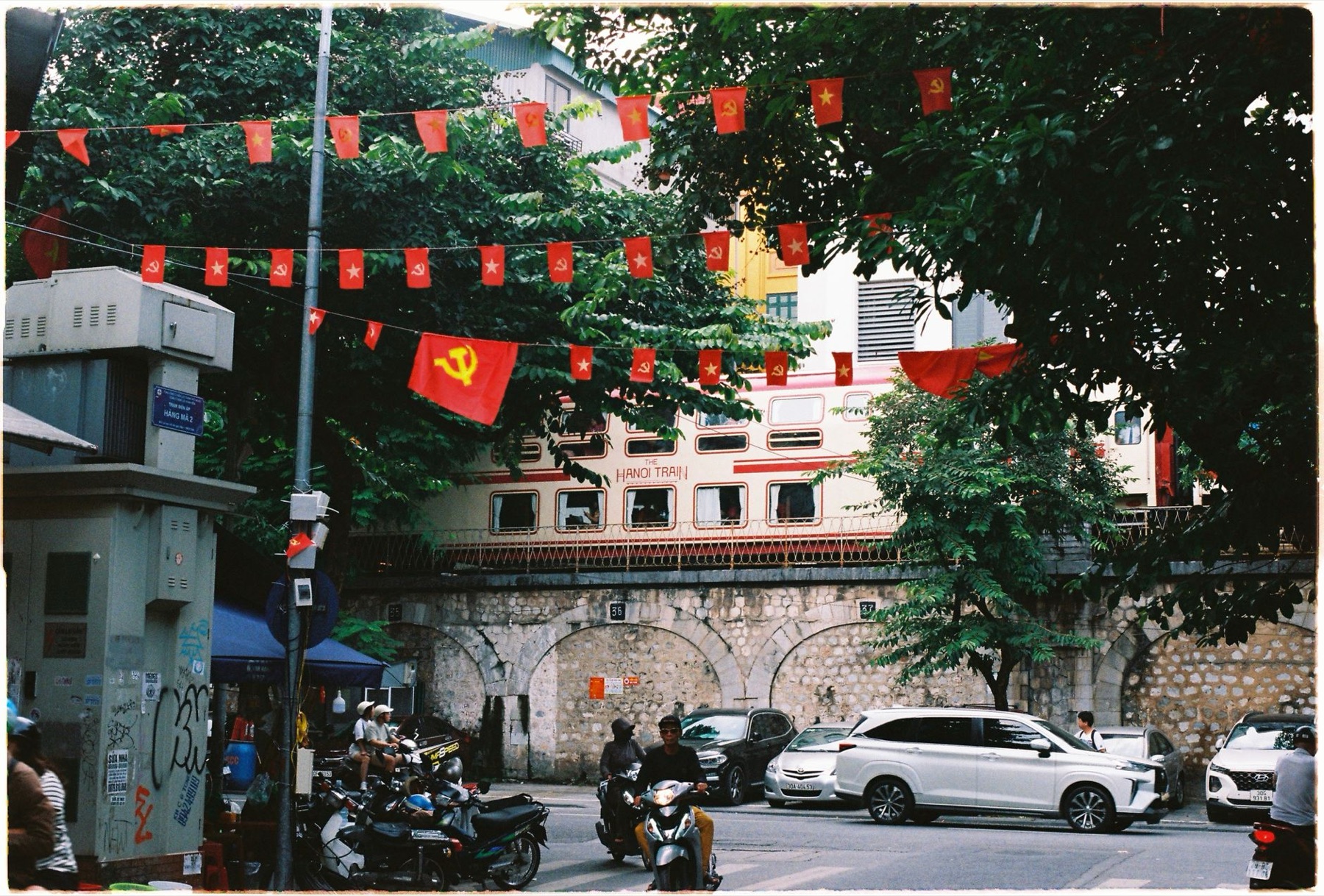
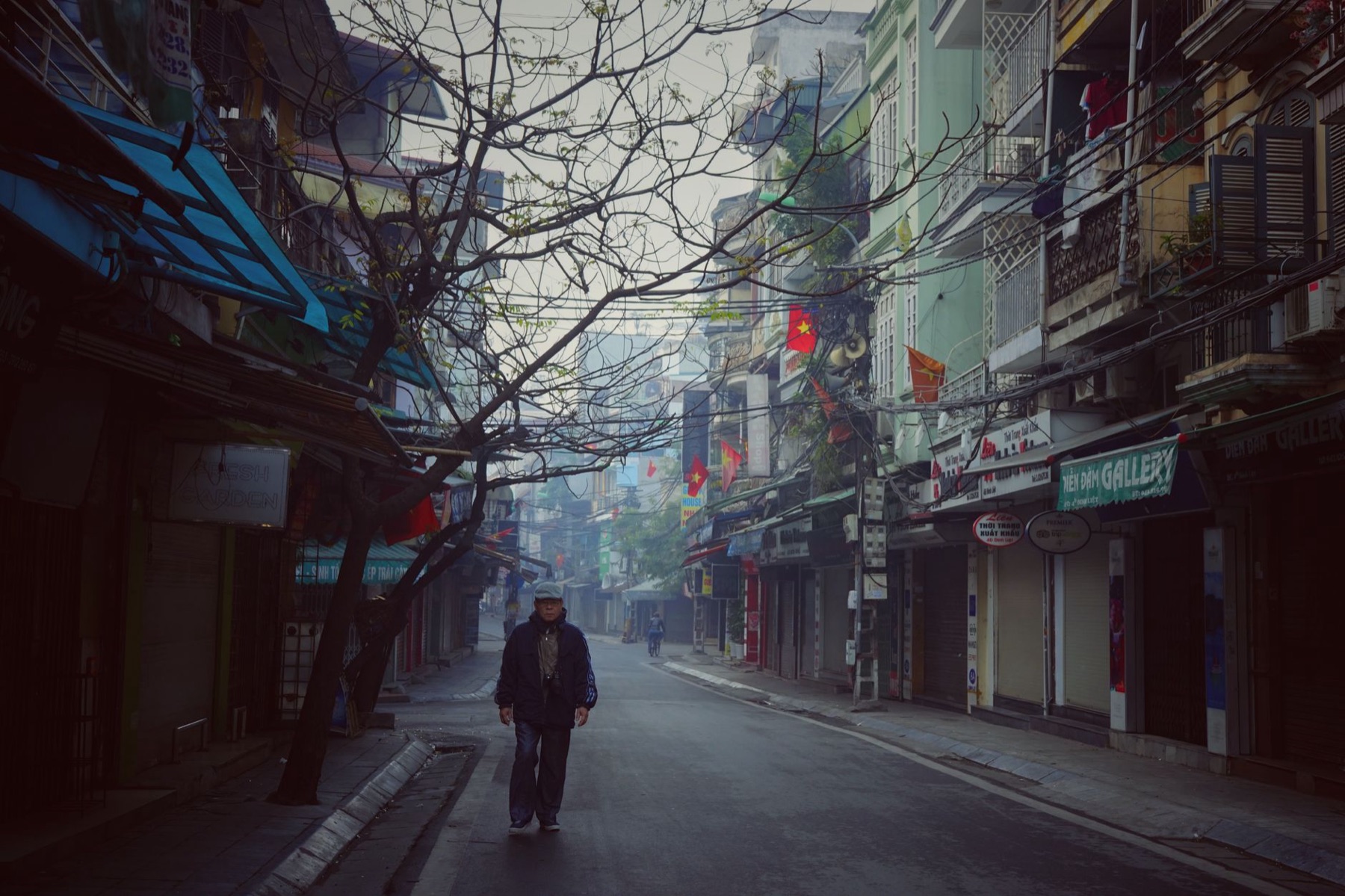
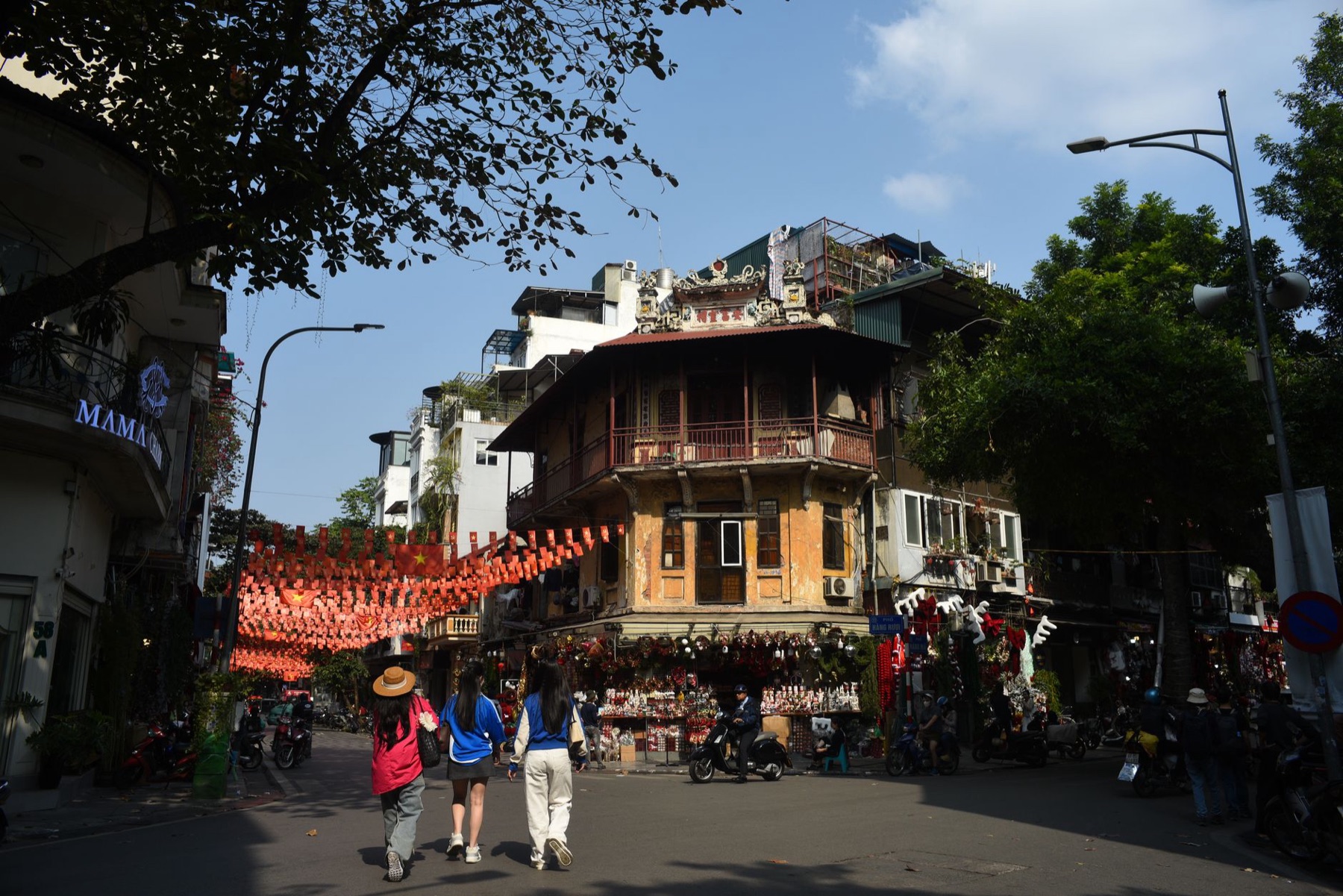
The Old Quarter (36 phố, Hoàn Kiếm district) is essential but exhausting: 1000-year-old lane names tied to trades (Silk Street, Silver Street, Tin Street), chaotic motorbike traffic, street food at every corner. Go early (6–7 am), skip midday heat, return at dusk. French Quarter (around Trang Tien, Ba Trieu) is calmer: colonial villas, tree-lined streets, cafés where you can actually sit and breathe. Grab the 5 am Old Quarter food tour experience once, then explore solo during off-peak hours.
West Lake (Tây Hồ) feels separate: residential, leafy, home to small temples, flower markets, and better-quality restaurants without the tourist premium. Take a taxi or grab bike here; walk the perimeter at sunset. Hoan Kiem Lake walks (early morning or late afternoon) beat any paid tour—rent a motorbike, circle it, stop for egg coffee.
🗺️ Plan your route: Vietnam itinerary
What food experiences are actually worth your time and money?
Skip the "authentic pho restaurants" with laminated English menus. Real pho tastes best at family stalls in Dong Xuan Market (north end, 6–9 am) or along Ngo Gai Street (Hoàn Kiếm): around 40,000–60,000 VND ($1.60–$2.40 USD). Egg coffee (cà phê trứng) at Giang Café or neighborhood copies costs around 50,000 VND ($2 USD)—the froth is overrated, but the ritual matters.
Hunt for bánh mì at street corners (30,000–50,000 VND / $1.20–$2 USD), bun cha at lunch joints in Ba Dinh, and cơm tấm (broken rice with grilled pork) at informal stalls—most around 40,000–70,000 VND ($1.60–$2.80 USD). A full sit-down meal with beer costs 150,000–250,000 VND ($6–$10 USD) in local spots; tourist areas charge 2–3× that.
Cooking classes (4–5 hours, market tour included) run 1,200,000–1,800,000 VND ($48–$72 USD) through established schools. Learn to make spring rolls and pho broth, then cook alongside the instructor. Better value than eating out three times that day and you keep recipes.
Why visit temples when you could just photograph them?
Temples aren't photo ops—they're where Hanoi sits still. Tran Quoc Pagoda (island in Tay Lake, entry free, 7 am–6 pm) is oldest temple in Hanoi (6th century), quiet on weekday mornings, packed on weekends. One Pillar Pagoda (Hoàn Kiếm district, entry around 20,000 VND / $0.80 USD) is historically significant but touristy; go early or skip the line by visiting 11 am–1 pm when crowds thin.
Quan Thanh Temple (Ba Dinh, entry free) overlooks Red River, less crowded, where locals pray. Go without expectations of "spirituality"; sit on stone benches, watch incense smoke, understand why these spaces matter to residents. Temples open dawn–dusk; respectful dress (covered shoulders, knees) is expected though not enforced for tourists.
How do motorbike rides actually work, and are they safe?
A 30-minute motorbike taxi (xe ôm) costs 50,000–80,000 VND ($2–$3.20 USD) across the city. Grab app rides are fixed-price, safer for solo travelers, around 30,000–100,000 VND ($1.20–$4 USD) depending on distance. Never hail random taxis at the airport; use Grab or ask your hotel. Agree on price before boarding informal motorbikes, and wear the helmet offered (law + sense).
Cyclo rides (three-wheeled pedicabs) are slow, atmospheric, utterly impractical for long distances, overpriced for tourists (typically 300,000–500,000 VND / $12–$20 USD for 1 hour). Do one short cyclo ride in the Old Quarter for the experience, then use Grab for actual transport.
What's worth buying, and what's an obvious trap?
| Item | Where to Find It | Real Price (VND) | Why It Matters |
|---|---|---|---|
| Silk scarf (authentic weaving) | Silk shops in Old Quarter, or Thanh Ha cooperative | 200,000–600,000 | Handmade, lasts years, genuine craft |
| Lacquerware box or tray | Markets + tourist shops | 150,000–800,000 | Heavy to pack; buy small items or ship ahead |
| Vietnamese coffee (beans) | Supermarkets (CoopMart), coffee roasters | 80,000–250,000 per bag | Better quality than street vendor jars |
| Water puppets (souvenir) | Nguyen Hue Walking Street, puppet theater shop | 80,000–300,000 | Iconic, fragile; wrap carefully or ship |
| Embroidered ao dai (custom) | Tailors (Old Quarter or Ba Trieu) | 500,000–2,500,000 | Requires 5–7 days fitting; pricey but wearable art |
Avoid: "handmade" silk scarves under 80,000 VND (synthetic), lacquer items in night markets (spray-painted plaster), coffee labeled "best in Vietnam" with laminated menus. Buy at cooperatives (Thanh Ha, craft villages), established shops, or supermarkets where prices are fixed.
🎟️ Compare tours & tickets for this place
Which museums and galleries justify your time?
Vietnam Museum of Ethnology (Cau Giay district, 150,000 VND / $6 USD entry, 9 am–5:30 pm, closed Mondays) is genuinely excellent: 54 Vietnamese ethnic groups, reconstructed stilt houses, textiles, and explanations that go beyond "exotic." Spend 2–3 hours here. Most tourist museums (War Remnants nearby, Folk Art) are better experienced in Ho Chi Minh City; Hanoi's colonial-era museums (Hoa Lo Prison, Ho Tay) are historically important but emotionally heavy—go with context, not casual curiosity.
Galleries in Hoan Kiem and Ba Dinh showcase local contemporary art; many are free or 50,000 VND ($2 USD). Opening hours are inconsistent; call ahead.
---
What should you absolutely skip?
Halong Bay day tours from Hanoi (4–5 hours each way by coach) are exhausting and often overcrowded. Fly to Halong or skip it if you're short on time. The "Old Quarter night markets" don't exist; what you'll find are regular food stalls with nighttime crowds and inflated prices. Avoid "golden hour boat tours" on Red River—they're gimmicky and poorly run. Hanoi after sunset is best explored on foot or via Grab, not in a novelty boat.
---
How to prepare before you arrive
Before booking or buying souvenirs:
- Download Grab app (for fixed-price transport).
- Charge your phone to 100%; dial 999 for emergency taxi.
- Exchange money at ATMs (lower fees than street vendors); carry small bills (20,000–50,000 VND) for markets and street food.
- Book cooking classes and temple guides 2–3 days ahead.
- If visiting during Tet (lunar new year, typically Jan–Feb), book hotels early; many businesses close 3–7 days.
For gifts and keepsakes:
- Buy fabric, embroidered items, or silk goods early in your trip (easier to carry or mail).
- Lacquerware and ceramics are fragile; either ship through the shop or pack extremely carefully.
- Coffee and spices are lightweight, high-value gifts; buy from supermarkets, not tourist stalls.
- Consider a custom ao dai photoshoot with professional makeup and styling—the photos are a timeless souvenir.
📸 Book an ao dai photoshoot in Hanoi or Saigon (Cáo Studio)
---
For gifts that capture your Hanoi memories, we curate collections that reflect the city's craftsmanship—from silk and textile keepsakes to handcrafted decorative items. Each piece tells a story of the artisans behind it.
If you're building a multi-city Vietnam trip, explore Ninh Binh's limestone cliffs, wander Hoi An's lantern-lit streets, or hike in Sapa for a full picture of northern Vietnam. Check our Vietnam travel guide for realistic routing and timing.
Safe travels, and linger—Hanoi rewards wanderers, not checklist hunters.
---
FAQ
Is it safe to eat street food in Hanoi, or will I get sick?
Millions of locals eat street food daily without issue. Choose stalls with high turnover, visible cooking, and queues of locals. Avoid salads and raw items if your stomach is sensitive. Start with mild dishes (pho, bánh mì) and build tolerance. Tap water isn't safe for tourists; buy bottled water everywhere.
How many days do I actually need in Hanoi?
Minimum 2–3 days to see Old Quarter, Hoan Kiem Lake, and one temple. Best experience is 4–5 days: day 1 temples and lakes, day 2 Old Quarter and markets, day 3 cooking class and cycling, day 4 museums and West Lake. Any less feels rushed; any more requires day trips outside the city.
Are motorbike taxis or Grab safer?
Grab (app-based) is fixed-price, insured, and trackable—best for solo travelers and safety. Motorbike taxis (xe ôm) are legitimate and locals use them constantly; agree on price first and wear helmets. Both are significantly safer than renting a motorbike yourself if you're not experienced with Vietnamese traffic.
What's the best time of year to visit Hanoi?
October–November and March–April: cool, dry, under 28°C (82°F), low humidity. June–August is hot, humid, and rainy. December–February is cool but can be overcast. Tet (lunar new year, typically late January–early February) is festive but chaotic; many businesses close. Avoid April–May heat.
Should I buy silk here or wait until I reach other regions?
Buy in Hanoi if you find authentic cooperative pieces (Thanh Ha village products in Old Quarter). Hoi An is famous for tailoring, not raw silk. Quality varies everywhere; inspect weave, ask where it's from, and avoid anything under 100,000 VND. Shipping heavy silks internationally from Hanoi shops is an option if you find something special.
Can I get ripped off at night markets and temple gift shops?
Yes. Night market stalls and temple shops charge 2–3× normal prices to tourists. Buy souvenirs at cooperatives, supermarkets, or daytime local shops. If you love something, pay the asking price and move on—haggling isn't standard in Hanoi like it is in Bangkok or Cairo.
FAQ
Is it safe to eat street food in Hanoi, or will I get sick?
Millions of locals eat street food daily without issue. Choose stalls with high turnover, visible cooking, and queues of locals. Avoid salads and raw items if your stomach is sensitive. Start with mild dishes (pho, bánh mì) and build tolerance. Tap water isn't safe for tourists; buy bottled water everywhere.
How many days do I actually need in Hanoi?
Minimum 2–3 days to see Old Quarter, Hoan Kiem Lake, and one temple. Best experience is 4–5 days: day 1 temples and lakes, day 2 Old Quarter and markets, day 3 cooking class and cycling, day 4 museums and West Lake. Any less feels rushed; any more requires day trips outside the city.
Are motorbike taxis or Grab safer?
Grab (app-based) is fixed-price, insured, and trackable—best for solo travelers and safety. Motorbike taxis (xe ôm) are legitimate and locals use them constantly; agree on price first and wear helmets. Both are significantly safer than renting a motorbike yourself if you're not experienced with Vietnamese traffic.
What's the best time of year to visit Hanoi?
October–November and March–April: cool, dry, under 28°C (82°F), low humidity. June–August is hot, humid, and rainy. December–February is cool but can be overcast. Tet (lunar new year, typically late January–early February) is festive but chaotic; many businesses close. Avoid April–May heat.
Should I buy silk here or wait until I reach other regions?
Buy in Hanoi if you find authentic cooperative pieces (Thanh Ha village products in Old Quarter). Hoi An is famous for tailoring, not raw silk. Quality varies everywhere; inspect weave, ask where it's from, and avoid anything under 100,000 VND. Shipping heavy silks internationally from Hanoi shops is an option if you find something special.
Can I get ripped off at night markets and temple gift shops?
Yes. Night market stalls and temple shops charge 2–3× normal prices to tourists. Buy souvenirs at cooperatives, supermarkets, or daytime local shops. If you love something, pay the asking price and move on—haggling isn't standard in Hanoi like it is in Bangkok or Cairo.