Hanoi · Things to do
Things to Do in Hanoi City: Real Neighbourhood Guide 2026
By Wander in Vietnam editorial team · Hanoi, Vietnam
Hanoi rewards visitors who ditch the guidebook checklist and move at the city's rhythm. You'll find more magic queuing 15 minutes for pho at a plastic-chair stall than rushing through a pre-booked "Golden Triangle" tour. This guide maps five genuine angles—each answerable in a morning or afternoon—so you leave with real memories, not Instagram screenshots.
What's actually worth doing in Hanoi's Old Quarter?
The Old Quarter isn't a museum; it's a living market where thousands of shopkeepers live above their stalls. Skip the souvenir gauntlets on Hoan Kiem Street; instead, walk the less-trampled lanes: Hang Dao (copper goods, real artisan workshops), Hang Buom (sail-makers' street, now fabric shops), and Hang Ngang (where locals buy everyday goods). Set aside 2–3 hours, no tour guide needed.
Cost: free entry; meals around 50,000–100,000 VND ($2.50–$5 USD). What works: go early (6–8 a.m.) before crowds and heat; wear flat shoes; bring cash. What to skip: packaged "rickshaw tours"—they're loud, scripted, and you'll miss the real movement.
🗺️ Plan your route: Vietnam itinerary
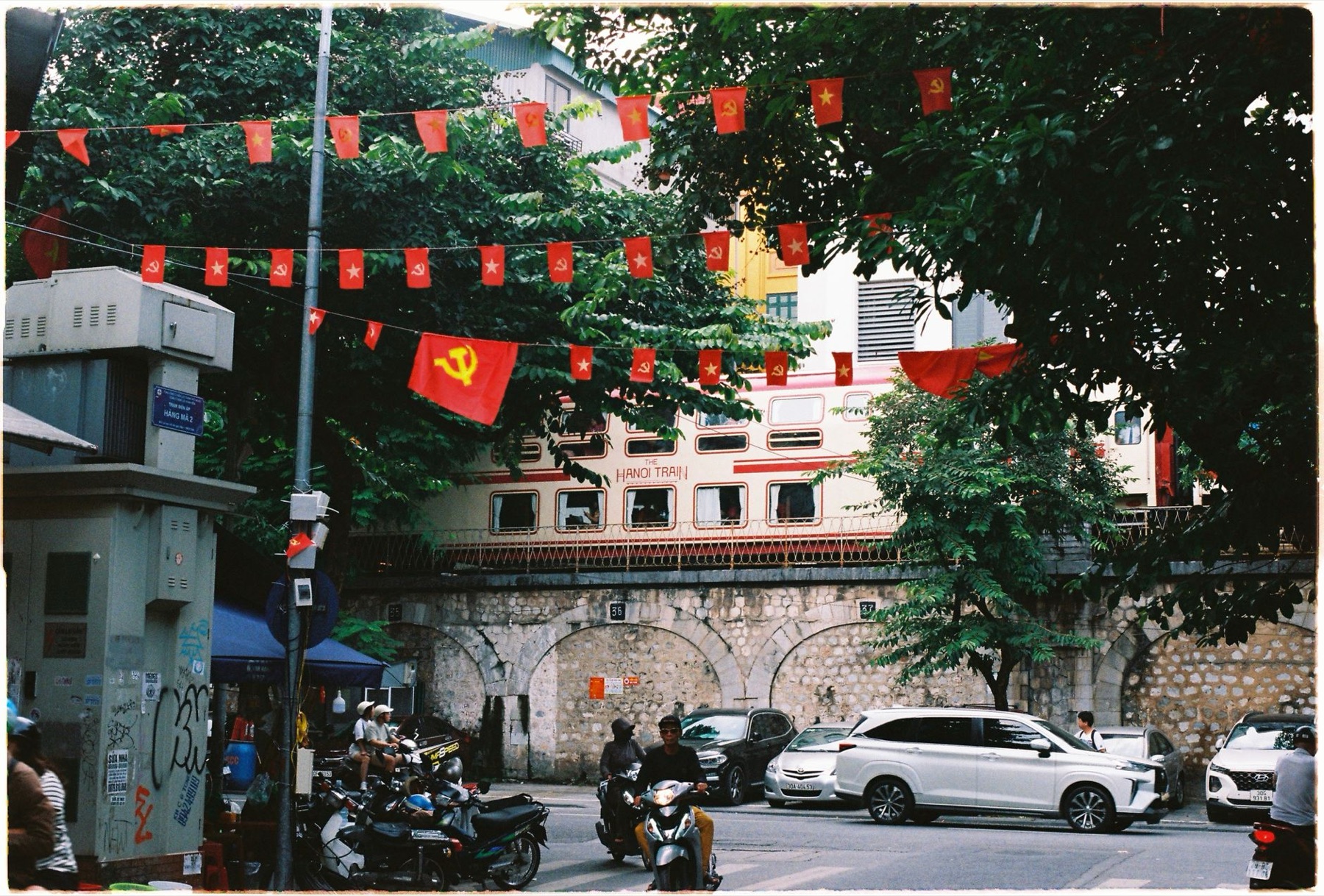
How do you spend a morning at Hoan Kiem Lake without wasting time?
Hoan Kiem Lake is beautiful but crowded by 8 a.m. Arrive at 6 a.m. to watch tai chi groups, joggers, and water-aerobics classes—genuine Hanoi life. Walk the east shore to Ngoc Son Temple (small entry fee, around 30,000 VND / $1.50 USD), then loop back via the west side where locals do morning exercises. The whole circuit takes 90 minutes, costs almost nothing, and feels nothing like the midday tourist crush.
Best time: 5:45–7:45 a.m. What to avoid: afternoon "romantic sunset" visits—every hotel pushes them, and the lake gets muggy and packed.
Which neighbourhood captures real Hanoi best: Ba Dinh or Tay Ho?
Ba Dinh, home to Ho Chi Minh Mausoleum and French colonial villas, feels official and guarded. Tay Ho (West Lake), by contrast, is where young Hanoians live, work, and eat. The west shore of Tay Ho has no major attractions, only neighbourhood cafes, local bakeries, and apartment blocks—exactly why it's worth 2–3 hours. Walk from Tay Ho Tay (the shore road) and stop into family-run coffee shops, then grab lunch at a no-name pho joint or banh mi stand. You'll spend 150,000–200,000 VND ($7.50–$10 USD) and feel like a resident.
Pro tip: visit a photoshoot studio in the area if you want professional ao dai photos in an authentic Hanoi setting.
📸 Book an ao dai photoshoot in Hanoi or Saigon (Cáo Studio)
What street food should you actually try, and where?
Forget "street food tours." Instead, pick one dish and hunt it properly. Pho bo (beef pho): queue at a cramped stall in the Old Quarter (Hang Sai or Hang Manh area) by 7 a.m.; a bowl costs around 40,000–60,000 VND ($2–$3 USD). Egg coffee: buy at a traditional café in the Old Quarter, not the Instagram-famous tourist trap on Hoan Kiem Street (around 50,000 VND / $2.50 USD). Banh cuon (rolled rice cake): find a vendor-only alley (Nguyen Huu Huan has good ones) between 6–8 a.m., around 30,000 VND ($1.50 USD) for two. Cha ca (turmeric fish): Cha Ca Street itself is a tourist trap now, but local spots in Ba Dinh still serve it well for 80,000–120,000 VND ($4–$6 USD).
The pattern: cheaper, less crowded, better quality = earlier, smaller, no English menu.
| Dish | Best time | Real cost | Why it works |
|---|---|---|---|
| Pho bo | 6–8 a.m. | 40K–60K VND | Peak queue = peak freshness |
| Banh cuon | 6–7:30 a.m. | 30K–40K VND | Sold out by 9 a.m. |
| Egg coffee | 9 a.m.–5 p.m. | 50K VND | Old Quarter, away from Hoan Kiem |
| Cha ca | 11 a.m.–2 p.m. | 80K–120K VND | Go to Ba Dinh shop, not the street |
| Bun cha | 11 a.m.–1 p.m. | 60K–80K VND | Grilled pork + broth; local-only spots |
🎟️ Compare tours & tickets for this place
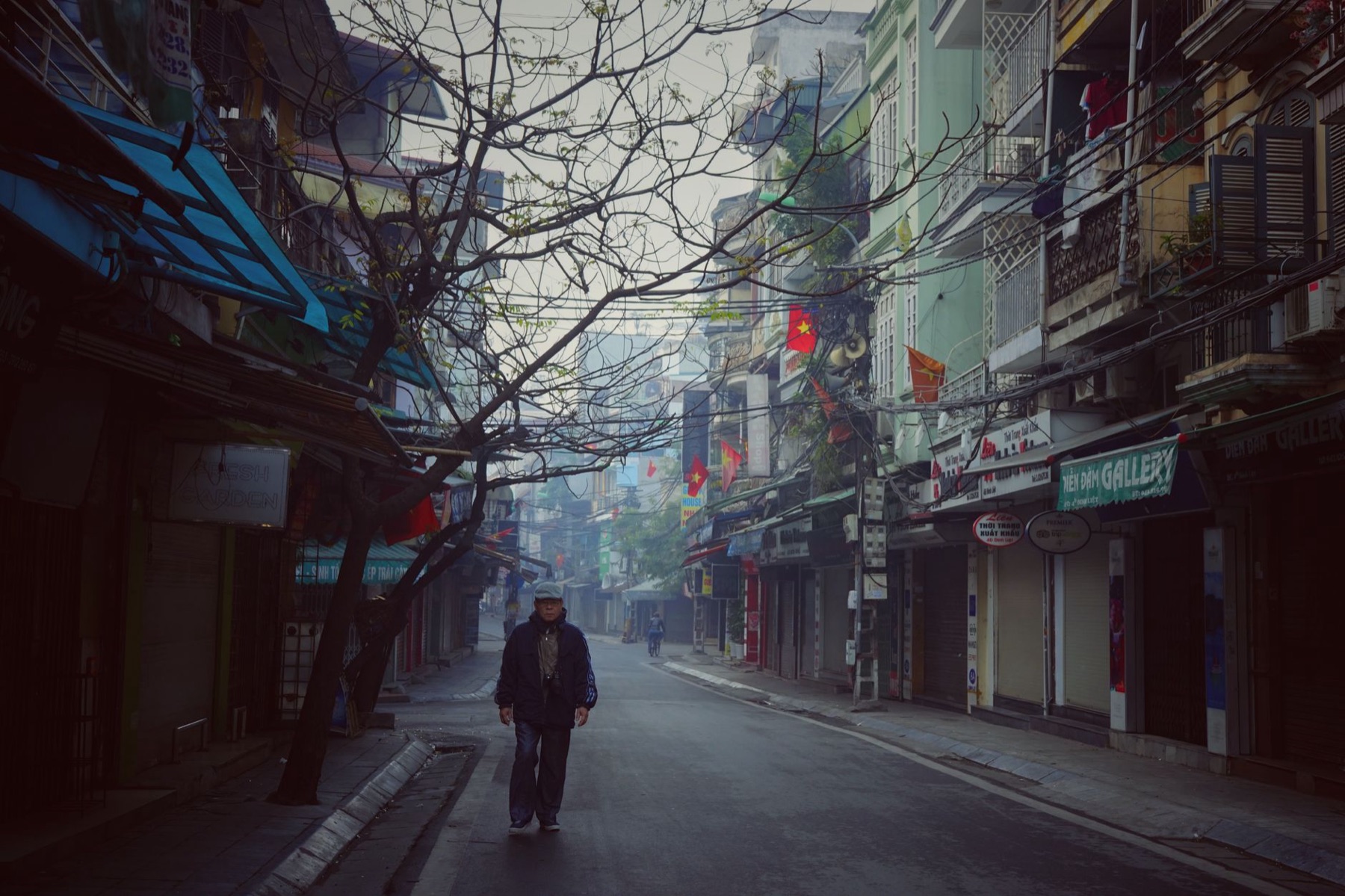
Which temples and museums are worth the entry fee?
Ho Chi Minh Mausoleum Complex (Ba Dinh): iconic but rigid (dress code, photo rules, long security lines). Around 30,000 VND ($1.50 USD). Go if you want the "done" feeling, skip if you prefer spontaneity.
Ngoc Son Temple (Hoan Kiem Lake): small, 30,000 VND ($1.50 USD), genuine—no tour groups before 9 a.m.
Vietnam National Museum of History (Trang Tien area): serious collection, 40,000 VND ($2 USD), often empty. Good if you want depth on dynasties and artefacts.
Temple of Literature (Van Mieu-Quoc Tu Giam, Ba Dinh): Confucian university, beautiful courtyards, around 30,000 VND ($1.50 USD). Best 90 minutes if you care about Vietnamese scholarship tradition.
Skip: the War Remnants Museum has important history but graphic war imagery; go only if you're committed to understanding the war's impact, not for a quick tour.
Honest call: temples matter more than museums for first-timers. A quiet morning walk beats cramped museum rooms.
What's the best way to see Hanoi without a tour guide?
Buy a SIM card or activate an eSIM for Google Maps, skip pre-booked tours, and move on foot or by taxi/Grab. Neighborhoods reveal themselves on foot—you notice shop signs, overhear conversations, and spot good cafes. Walk Hanoi's main arteries: Hoan Kiem Lake perimeter, Old Quarter's main lanes (Hang Dao, Hang Buom, Hang Gai), and the Tay Ho western shore.
For moving around: Grab (ride-hailing app) costs around 30,000–80,000 VND ($1.50–$4 USD) for short trips; public buses exist but are crowded and unmarked; taxis work if you speak Vietnamese or show the address. Walking is free and best.
Before you travel: activate a Vietnam eSIM so you have data for maps and translation tools. Check visa requirements before booking flights.
If you're extending beyond Hanoi, we've mapped Ha Long Bay, Ninh Binh, Hoi An, and Sapa with the same honest lens. Start a broader itinerary here.
What to check before you book activities
- Dress code: temples require shoulders and knees covered; check before entry.
- Opening hours: sites close unexpectedly; ask your accommodation or call ahead.
- Language barrier: hire a guide only if you want deep history; for neighbourhoods, Google Translate + walking works fine.
- Scams to avoid: tuk-tuk drivers offering "tours"; they pocket commissions at shops you don't want. Grab a taxi or walk.
- Best season: October–April is ideal (cool, dry); May–September is hot and humid but fewer crowds.
- Cash vs card: most stalls only take cash (VND); ATMs are everywhere in Ba Dinh and Hoan Kiem.
---
FAQ
How many days do you need in Hanoi to see everything?
Three days covers Old Quarter, Hoan Kiem Lake, Tay Ho, major temples, and good food crawls. One day feels rushed; two is tight; four lets you breathe and revisit favourite spots. Quality beats quantity here.
Is Hanoi safe to walk alone at night?
Yes, central areas (Old Quarter, Ba Dinh, around Hoan Kiem) are safe and well-lit after dark. Stick to main streets, use Grab if uncomfortable, and avoid deserted alleys. Petty theft from bags is rare but possible—keep valuables secure.
Should I hire a guide or go solo?
Go solo for neighbourhoods and markets; hire a guide only if you want deep history (temple meanings, war context). Many free-walking-tour guides are good, but you'll pay less and learn more by reading ahead and exploring on foot.
What's the best way to try street food without getting sick?
Choose busy stalls (high turnover = fresh food), eat where locals eat, avoid raw vegetables if your stomach is sensitive, and drink bottled water. Most travellers do fine; street food in Hanoi is cleaner than Western media suggests.
Can you visit Hanoi and nearby places in one trip?
Yes. Hanoi is 2–3 hours from Ninh Binh (Tam Coc, Hang Mua caves), 3–4 hours from Ha Long Bay (overnight cruises common). Plan 4–6 days total to feel unhurried. Use our itinerary planner to map it.
How much money should you bring per day?
Budget 500,000–800,000 VND ($25–$40 USD) for food, transport, and basic entry fees if you're budget-conscious. Mid-range travellers spend 1–1.5 million VND ($50–$75 USD) daily. Hanoi is cheaper than Ho Chi Minh City for street food and transport.
FAQ
How many days do you need in Hanoi to see everything?
Three days covers Old Quarter, Hoan Kiem Lake, Tay Ho, major temples, and good food crawls. One day feels rushed; two is tight; four lets you breathe and revisit favourite spots. Quality beats quantity here.
Is Hanoi safe to walk alone at night?
Yes, central areas (Old Quarter, Ba Dinh, around Hoan Kiem) are safe and well-lit after dark. Stick to main streets, use Grab if uncomfortable, and avoid deserted alleys. Petty theft from bags is rare but possible—keep valuables secure.
Should I hire a guide or go solo?
Go solo for neighbourhoods and markets; hire a guide only if you want deep history (temple meanings, war context). Many free-walking-tour guides are good, but you'll pay less and learn more by reading ahead and exploring on foot.
What's the best way to try street food without getting sick?
Choose busy stalls (high turnover = fresh food), eat where locals eat, avoid raw vegetables if your stomach is sensitive, and drink bottled water. Most travellers do fine; street food in Hanoi is cleaner than Western media suggests.
Can you visit Hanoi and nearby places in one trip?
Yes. Hanoi is 2–3 hours from Ninh Binh (Tam Coc, Hang Mua caves), 3–4 hours from Ha Long Bay (overnight cruises common). Plan 4–6 days total to feel unhurried. [Use our itinerary planner](/vietnam/itinerary) to map it.
How much money should you bring per day?
Budget 500,000–800,000 VND ($25–$40 USD) for food, transport, and basic entry fees if you're budget-conscious. Mid-range travellers spend 1–1.5 million VND ($50–$75 USD) daily. Hanoi is cheaper than Ho Chi Minh City for street food and transport.
More: Hanoi guide · Things to do in Hanoi