Hanoi · Things to do
Things to Do in Hanoi: Honest Guide for 2026
By Wander in Vietnam editorial team · Hanoi, Vietnam
Hanoi demands patience. Tourists who rush through Old Quarter in a morning miss what makes this city magnetic: the rhythms of Vietnamese life, the layering of history, the unexpected kindness of strangers. Here's how to spend your time here honestly.
📸 Book an ao dai photoshoot in Hanoi or Saigon (Cáo Studio)
What's Actually Worth Seeing (and What Isn't)?
The Old Quarter gets 80% of guidebook ink and 90% of pickpockets. Yes, Hang Ngang Street and the silver traders of Hang Bac exist. But so does eight-hour sensory overload, motorbikes honking at your ankles, and trinket shops selling the same Buddha head to every tourist on Earth.
Better: start at Thang Long Citadel (Hoang Thanh Thang Long), a UNESCO site occupying Hanoi's heart since the 11th century. The ramparts, royal pavilions, and archeological layers tell 1,000 years in stone. Around 80,000 VND (≈$3.20 USD). Opening hours typically 8 am–5 pm; arrive by 9 am before school groups flood in. The audio guide (available at entry) adds texture that solo wandering can't.
Temple of Literature (Van Mieu-Quoc Tu Giam), founded 1070, sits southeast of the citadel in a quiet pocket. Scholars studied here for centuries. The courtyards, stone turtle stelae, and gardens breathe differently from tourist zones. Around 30,000 VND (≈$1.20 USD). Best between 7–8 am or after 3:30 pm.
Ho Tay (West Lake) and Hoan Kiem Lake are not the same. Hoan Kiem (in the Old Quarter) is iconic but rammed with joggers, vendors, and selfie sticks by 6:30 am. Ho Tay, a working residential lake in Tay Ho district, feels Hanoi-for-Hanoians. Rent a motorbike or cyclo and loop the perimeter. Free. Stop at family-run pho stands in Tay Ho village (narrow lanes west of the lake). Pho costs around 50,000–70,000 VND (≈$2–$2.80 USD) for a bowl.
The Mausoleum of Ho Chi Minh (Ba Dinh district) stands at the top of many lists because it's historically pivotal, not because it's fun. Dress conservatively (covered shoulders, knees). Queue forms early; best to go by 7:30 am. Free entry. Lines can run 1.5 hours. Skip if you're time-poor.
🗺️ Plan your route: Vietnam itinerary
How to Navigate Neighborhoods Like a Local?
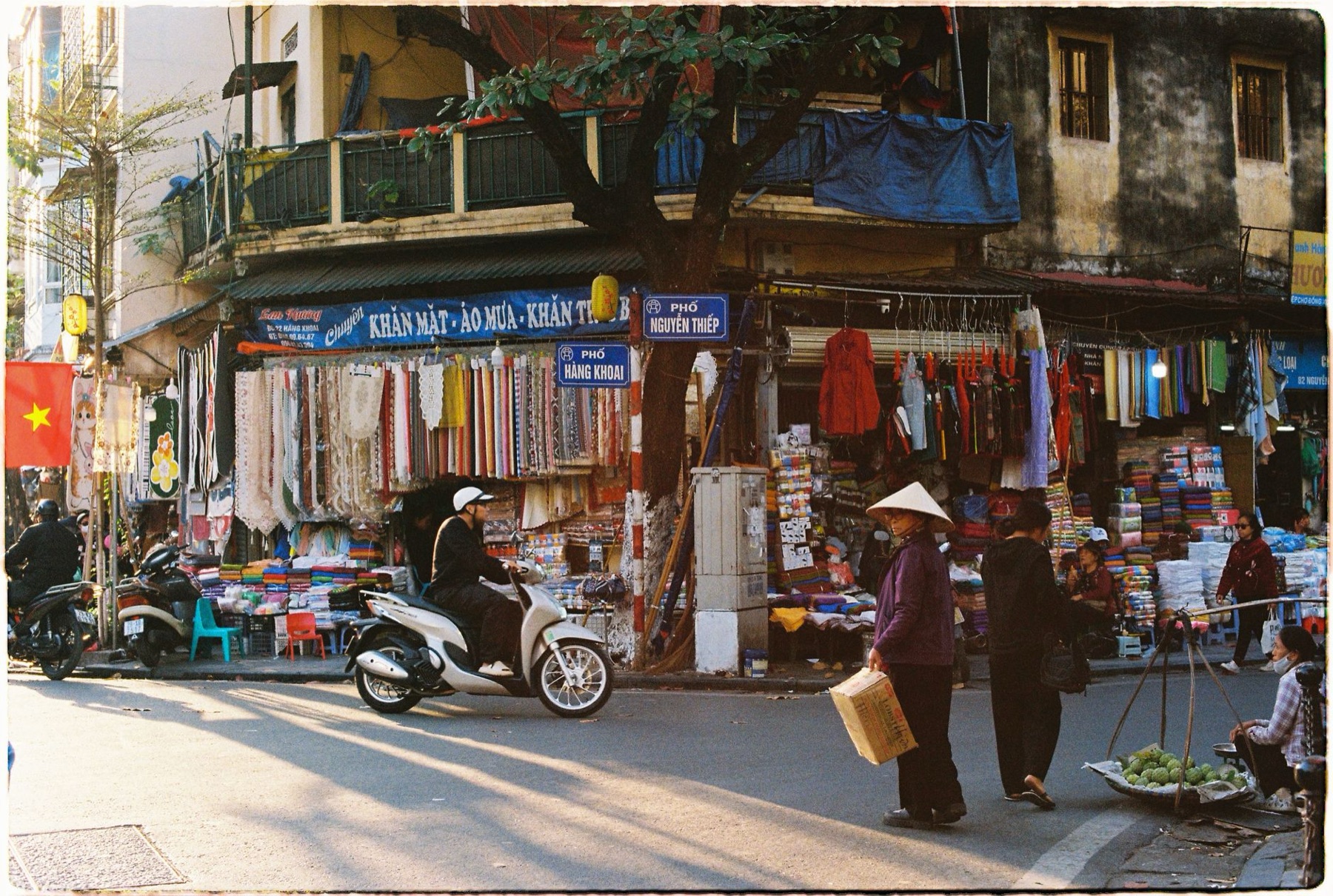
Hanoi isn't one city; it's dozens. Understanding where to spend energy saves frustration and money.
Old Quarter (Hoan Kiem district): Twelve narrow lanes named after goods once sold there (silver, silk, tin). Chaos, energy, history crammed into 1 km². Stay one night max if you're here for "Hanoi experience." Stay longer only for specific meals you've researched. Motorbike rental here is pricier (around 100,000–150,000 VND/day ≈$4–$6 USD) and bikes often have hidden damage. Rent from a central hotel desk instead.
Tay Ho (Tay Ho district): Wealthy residential zone, tree-lined, cafes, expat-owned restaurants. Slower pace. Good base if you want calm. Surprisingly affordable local pho and banh mi near the lake margins.
Ba Dinh (Ba Dinh district): Government district, wide streets, Ho Chi Minh Mausoleum, National Museum. Quieter than Old Quarter. Decent mid-range hotels.
Long Bien (Long Bien district): East of the Red River, working-class, fewer tourists. The Long Bien Bridge (Cau Long Bien) is a French colonial icon. Walk it at dawn. The riverside food stalls (pho, bun cha) are where Hanoi eats. Bun cha (grilled meat with noodles and dipping sauce) costs around 60,000–80,000 VND (≈$2.40–$3.20 USD). Arrive by 7 am or miss the breakfast rush.
French Quarter (Hoan Kiem district, south side): Tree-lined colonial villas, galleries, boutique cafes, embassies. Sunday evenings, part of Nguyen Hue Street nearby gets closed for pedestrians (note: Nguyen Hue Walking Street is actually in Ho Chi Minh City; Hanoi's main promenade is different). Walk, photograph, grab coffee. Expensive by Hanoi standards but worth one afternoon.
Where Should You Eat?
Food is Hanoi's truest language. Forget restaurant lists; eat where locals eat.
Street food by district:
| Dish | Where | What to expect | Cost (VND ≈ USD) |
|---|---|---|---|
| Pho bo (beef noodle soup) | Any street corner, 6–7 am | Fragrant broth, hours of simmering | 50,000–70,000 ≈ $2–2.80 |
| Bun cha | Long Bien, Ba Dinh (dawn–10 am) | Grilled pork, noodles, greens, dipping sauce | 60,000–80,000 ≈ $2.40–3.20 |
| Banh mi | Anywhere, morning & afternoon | Baguette, pâté, pickles, protein | 30,000–50,000 ≈ $1.20–2 |
| Egg coffee | Café clusters, all day | Espresso + whipped egg yolk + condensed milk | 40,000–60,000 ≈ $1.60–2.40 |
| Com tam (broken rice) | Lunch spots, 11 am–2 pm | Rice with grilled meat, egg, pickles | 50,000–70,000 ≈ $2–2.80 |
Scams to avoid: Tourist menus in Old Quarter with prices in USD (always pay in VND). Street vendors who quote inflated prices to foreigners (agree on cost before ordering). Taxis without meters (use Grab app, ride-sharing). Tours booked on the street often dump you in shops for commission.
What works: Download Grab (Southeast Asia's Uber). Use it for taxis and food delivery. Ask your hotel for pho recommendations; they'll point you to family stalls, not tourist traps. Eat standing up or at plastic stools—best meals happen there.
🎟️ Compare tours & tickets for this place
What Day Trips Make Sense from Hanoi?
Ha Long Bay (160 km northeast, 3–4 hours by road + 2–3 hours by boat): UNESCO limestone karst, emerald water, cave systems. Crowds rival the Grand Canyon. Book a 2-day/1-night cruise or day tour through a mid-range operator (not street vendors). Cost ranges from around 1,200,000–2,500,000 VND (≈$48–$100 USD) for day tours, 3,500,000–6,000,000 VND (≈$140–$240 USD) for overnight. Honest take: stunning, but go September–October or March–April to avoid July chaos. See Ha Long Bay guide for detailed logistics.
Ninh Binh (100 km south, 2 hours by road): Limestone karst inland, rivers, hiking, Hang Mua cave climb. Less touristy than Ha Long. Day tours around 1,000,000–1,800,000 VND (≈$40–$72 USD). Better value than Ha Long, fewer cruise-ship tourists. See Ninh Binh guide.
Sapa (350 km northwest, 5–6 hours by road or overnight train): Hill station, rice terraces, Hmong villages. Cool climate (relative to lowland Hanoi). Overnight stays necessary. Train + hotel packages start around 3,500,000 VND (≈$140 USD). Best June–September (dry season). See Sapa guide.
Best honest take: skip day trips if you have <3 days in Hanoi. Do them only if you have 5+ days and actually want to spend time elsewhere. Hanoi itself is a 4–5 day deep dive if you slow down.
How Should You Spend Your Last Hours?
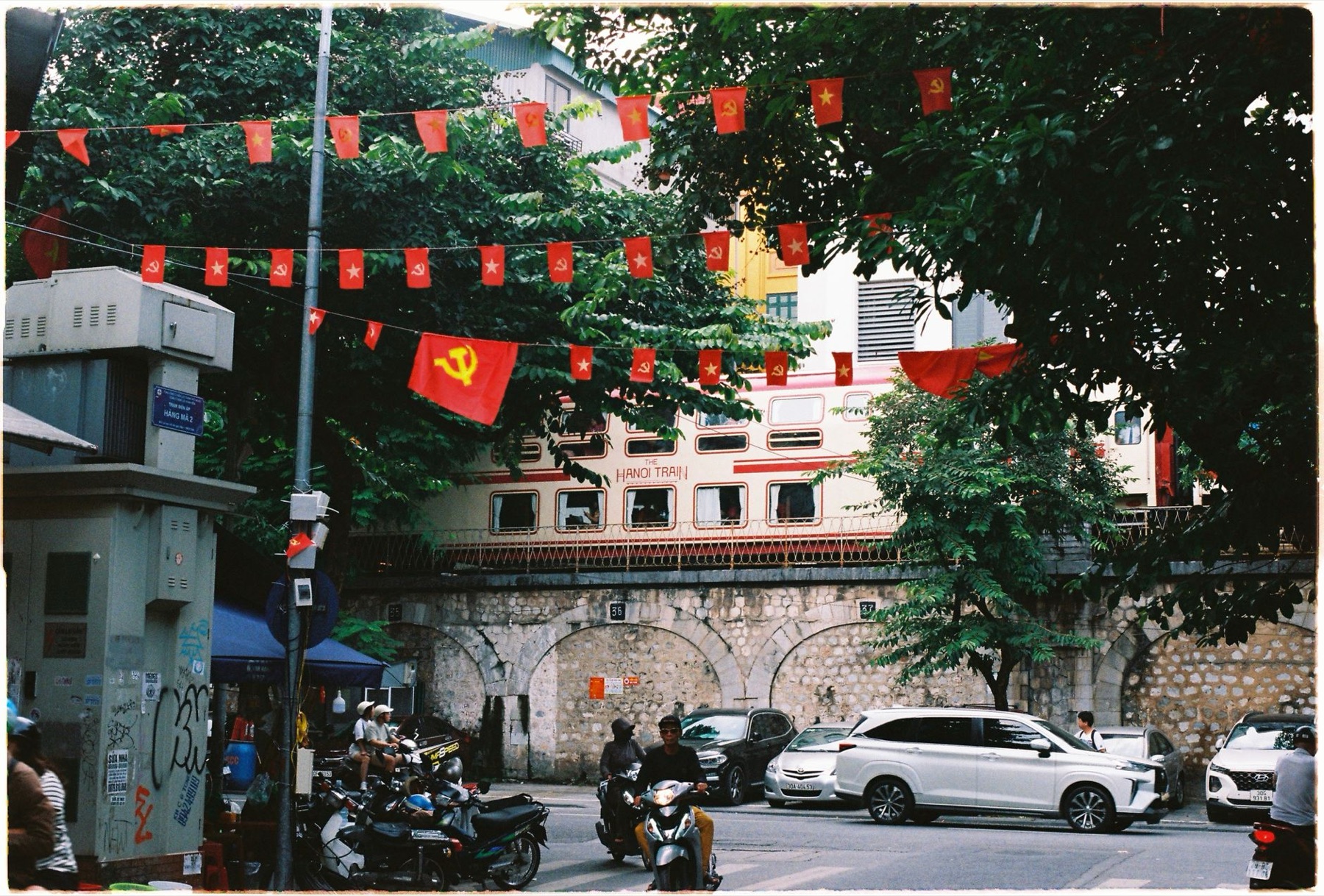
On your final evening, don't rush to the airport. Spend early evening at Hoan Kiem Lake's east bank (near Hang Dao Street side), grab an egg coffee at a corner cafe, watch the city settle. Buy flowers from a street vendor for 20,000–50,000 VND (≈$0.80–$2 USD). Alternatively, send flowers ahead with Hoa Lang Thang to someone who lives here.
Dinner: bun cha in Long Bien one last time, or a proper sit-down meal in the French Quarter if you want calm. Pho or com tam at a street stall costs what a coffee costs in your home city.
Last-minute gifts: buy a printed ao dai (traditional dress) from a tailor in the Old Quarter (three-day rush tailoring around 1,500,000–3,000,000 VND ≈$60–$120 USD for quality), or a star map print of Hanoi's night sky as a keepsake. These are available from local craft collectives and print shops. If you want professional portraits in an ao dai, book Cáo Studio's Hanoi photoshoot a week ahead—they handle makeup and styling for travelers.
What to Check Before You Buy or Book
Tours & day trips:
- Confirm cancellation policy (illness, weather). Reputable operators accept cancellations up to 24 hours.
- Ask group size. "Small group" should mean ≤12, not 30.
- Check what's included: lunch, entrance fees, guide language.
- Read recent reviews (TripAdvisor, Google) for no-shows or upselling complaints.
Street food:
- Eat where lines form (food turnover = freshness).
- Avoid pre-cut fruit from vendors; buy whole fruit and eat immediately.
- Stick to hot dishes (soup, grilled items), not cold salads (water safety).
- Cash only at street stalls; big restaurants take cards.
Accommodation:
- Book hotels with good recent reviews on Google Maps or Agoda.
- Confirm no hidden resort fees before checkout.
- Check WiFi speed if you're working remote.
Transportation:
- Use Grab (app-based, meter locked in advance).
- Never take unmarked taxis.
- Rent motorbikes only if confident; wear a helmet (legally required).
📸 Book an ao dai photoshoot in Hanoi or Saigon (Cáo Studio)
Honest Wrap-Up
Hanoi rewards time. Three days, and you'll see temples and eat pho. Five days, and you'll understand why people move here and stay. The city's magic isn't in a checklist; it's in the 6 am street coffee, the silence of the Temple of Literature, the kindness of a pho vendor who remembers your face, the riverside sunrise over the Red River. Move slowly. Skip what doesn't call to you. Explore our full Hanoi guide for neighborhood maps, language tips, and transport logistics.
FAQ
Is Old Quarter worth staying overnight in?
One night, yes—to say you've been. More than that, and you're paying premium rates for constant noise. Stay in Ba Dinh or Tay Ho (30 mins away by Grab) and day-trip into Old Quarter for specific meals you've researched. Better sleep, half the price.
What's the best time to visit?
September–October (cool, dry, clear views) or March–April (spring, flowers). Avoid June–August (hot, humid, Hanoi feels like a pressure cooker) and November–February if you dislike grey skies. New Year (Tet, late Jan–early Feb) shuts shops but feels magical if you embrace it.
Do I need a guide?
No for temples and neighborhoods. Yes for Sapa trekking or specialist food tours (seek recommendations from your hotel). Many "tour guides" on streets are commission-seeking; politely decline.
How many days should I spend?
Minimum 3 (rushed). Ideal 4–5 (see sites without sprinting). 7+ only if you're working remote or deeply invested in learning Vietnamese. Hanoi compresses more history than most cities; time spent here pays dividends.
Is Hanoi expensive?
Budget travelers spend $15–25 USD/day (street food, budget hotel, local transport). Mid-range, $40–70 USD/day (decent hotel, mix of street and restaurant food, occasional paid tours). Expensive by Southeast Asia standards only if you eat Western food and stay in five-star hotels; eating local keeps costs very low.
FAQ
Is Old Quarter worth staying overnight in?
One night, yes—to say you've been. More than that, and you're paying premium rates for constant noise. Stay in Ba Dinh or Tay Ho (30 mins away by Grab) and day-trip into Old Quarter for specific meals you've researched. Better sleep, half the price.
What's the best time to visit?
September–October (cool, dry, clear views) or March–April (spring, flowers). Avoid June–August (hot, humid, Hanoi feels like a pressure cooker) and November–February if you dislike grey skies. New Year (Tet, late Jan–early Feb) shuts shops but feels magical if you embrace it.
Do I need a guide?
No for temples and neighborhoods. Yes for Sapa trekking or specialist food tours (seek recommendations from your hotel). Many "tour guides" on streets are commission-seeking; politely decline.
How many days should I spend?
Minimum 3 (rushed). Ideal 4–5 (see sites without sprinting). 7+ only if you're working remote or deeply invested in learning Vietnamese. Hanoi compresses more history than most cities; time spent here pays dividends.
Is Hanoi expensive?
Budget travelers spend $15–25 USD/day (street food, budget hotel, local transport). Mid-range, $40–70 USD/day (decent hotel, mix of street and restaurant food, occasional paid tours). Expensive by Southeast Asia standards only if you eat Western food and stay in five-star hotels; eating local keeps costs very low.