Hanoi · Things to do
Things to Do in Hanoi: Honest Local Guide 2026
By Wander in Vietnam editorial team · Hanoi, Vietnam
Hanoi moves at two speeds: the tourist circuit and real life. Most guidebooks sell you the first. We'll give you both, plus the gaps worth filling.
The capital sits in the Red River Delta, where motorbikes outnumber cars, pho costs around 40,000–60,000 VND (USD $1.50–$2.25), and neighborhoods change personality block by block. You can spend a week here doing postcards, or you can spend three days doing something better: learning how the city actually works.
What makes Hoan Kiem Lake worth visiting (or skipping)?
Hoan Kiem Lake is beautiful at dawn when locals do tai chi and swim, chaotic by 10 a.m. when tour groups arrive. Walk the perimeter early (around 2 hours), visit Ngoc Son Temple on the small island if you're interested in Chinese architecture, then leave. Don't waste afternoon hours here waiting for sunset—the lake is ringed by traffic, and the light is mediocre. Better move: cycle around Ha Tay (West Lake) for real neighborhood life, coffee stalls, and no entry fees.
Which Old Quarter streets are actually worth exploring?
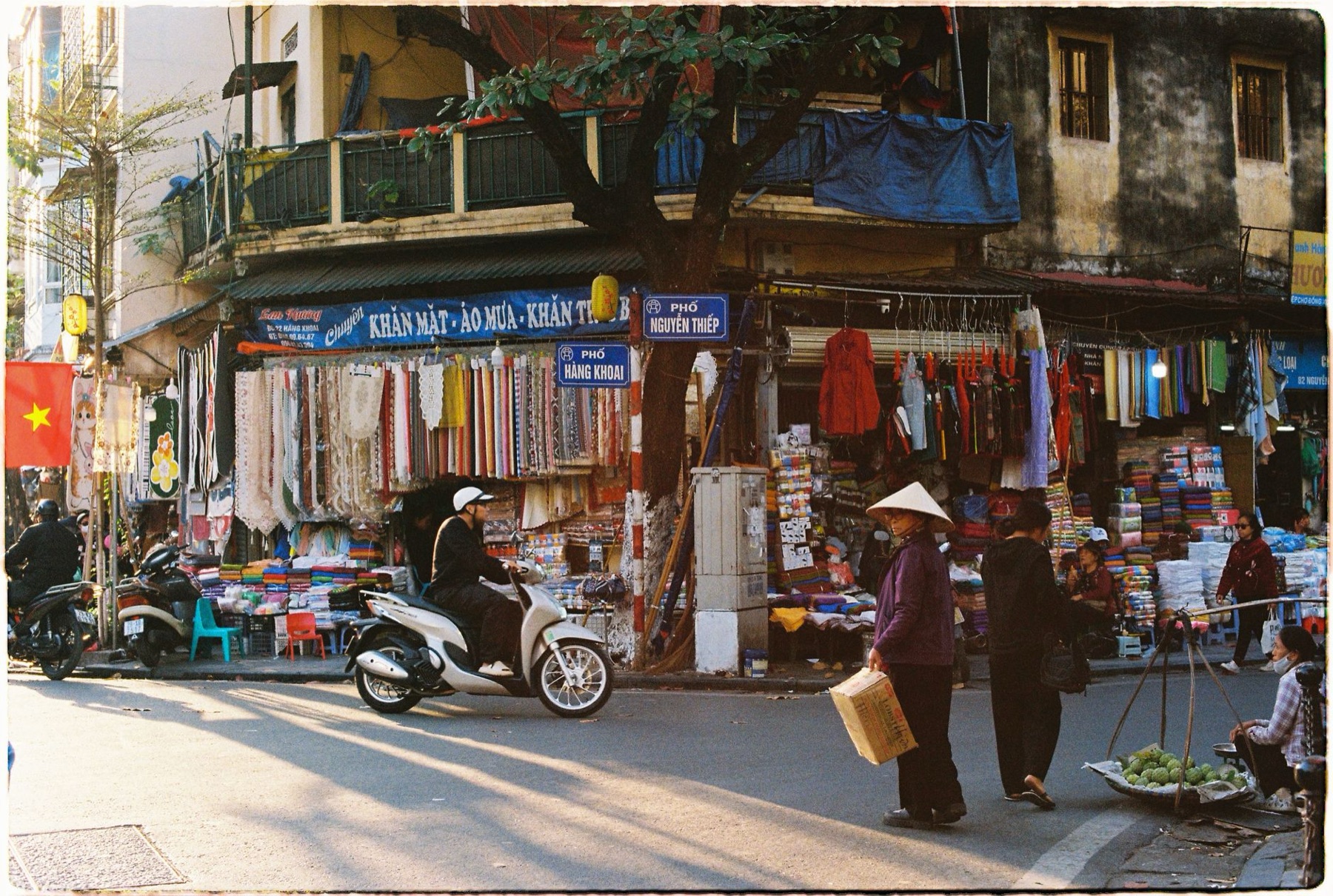
The Old Quarter (Hoan Kiem district, around Hang Dao and Hang Gai streets) mixes genuine heritage with aggressive hawking. Avoid the central tourist trap (Ta Hien Street after 6 p.m.)—overpriced bia hoi (draft beer) and roaming touts. Instead:
- Hang Buom Street (sail street): silk shops, old tube-house architecture, fewer tourists.
- Hang Thiec Street (tin street): working metalsmith workshops, still functional, little English spoken.
- Hang Ngang / Hang Dao intersection: real fabric wholesalers, local tailors, textiles you can't find elsewhere.
- Cau Go Street: quieter, Vietnamese restaurants at local prices (noodles 35,000–50,000 VND / USD $1.35–$1.90).
The rule: if a street has a Starbucks or three souvenir shops in a row, walk out and turn left.
What food experiences beat the "Hanoi food tour" package?
Paid food tours funnel you to restaurants that pay commission. You'll eat okay food, meet other tourists, and pay 20–30 times what locals pay for the same dishes.
Do this instead:
| Experience | How to Do It | Cost (VND) | Cost (USD) | When |
|---|---|---|---|---|
| Pho at dawn | Walk to any unmarked pho stall near Old Quarter, order "pho bo" (beef) | 35,000–50,000 | $1.35–$1.90 | 6–8 a.m. |
| Bia hoi (draft beer) + grilled meat | Ba Dinh district, any street corner with plastic stools around 4–5 p.m. | 60,000–80,000/person | $2.30–$3.05 | 4–7 p.m. |
| Egg coffee | Walk-in cafe in Old Quarter or Ba Dinh (ask locals where they go) | 25,000–35,000 | $0.95–$1.35 | 8–11 a.m. |
| Banh mi at a bakery stall | Street vendors outside Thanh Huong or similar bakeries | 20,000–30,000 | $0.75–$1.15 | 7–10 a.m. |
| Night street noodles (bun cha) | Walk Hoang Hoa Tham Street in Ba Dinh, sit at any stall | 45,000–65,000 | $1.70–$2.50 | 6–9 p.m. |
What to check before you buy: If a stall is mobbed by locals at 7 a.m. and has one plastic menu board (or none), you're in the right place. If it has laminated pictures and English translations, it's already compromised.
Walk Ba Dinh district in early evening—the street fills with grills, plastic chairs, and locals eating 40,000 VND grilled fish and beer. Sit, point, eat. No tour operator needed.
🗺️ Plan your route: Vietnam itinerary
Should you do a day trip or stay three nights?
Most visitors give Hanoi one day, then bolt. That's enough for the Lake + Old Quarter photo loop, but misses everything worth remembering.
One full day: Hoan Kiem Lake (dawn), Old Quarter wandering (9–11 a.m.), Temple of Literature (11:30 a.m.–1 p.m.), lunch in Ba Dinh, West Lake cycle (afternoon), street food dinner. Achievable but rushed.
Three nights (recommended): Day 1 = Lake + Old Quarter + colonial architecture walk. Day 2 = Ba Dinh neighborhood life, water puppet show at night (around 100,000–150,000 VND / USD $3.80–$5.75 per ticket), egg coffee mornings. Day 3 = bike ride to suburbs (Tay Ho village has pottery studios and old temples), or morning trip to Ninh Binh (2 hours by bus, around 80,000–120,000 VND / USD $3.05–$4.60 return).
What most guides don't tell you: Hanoi's best activity is sitting. Sit in a coffee shop for three hours (coffee costs 20,000–40,000 VND / USD $0.75–$1.50). Watch motorbikes. Listen. Eavesdrop. That's the city teaching itself to you.
Which neighborhoods reveal how Hanoi actually works?
- Tay Ho (West Lake): affluent, tree-lined, old French villas, weekend cafes. Cycle here to feel what wealth looks like in Hanoi.
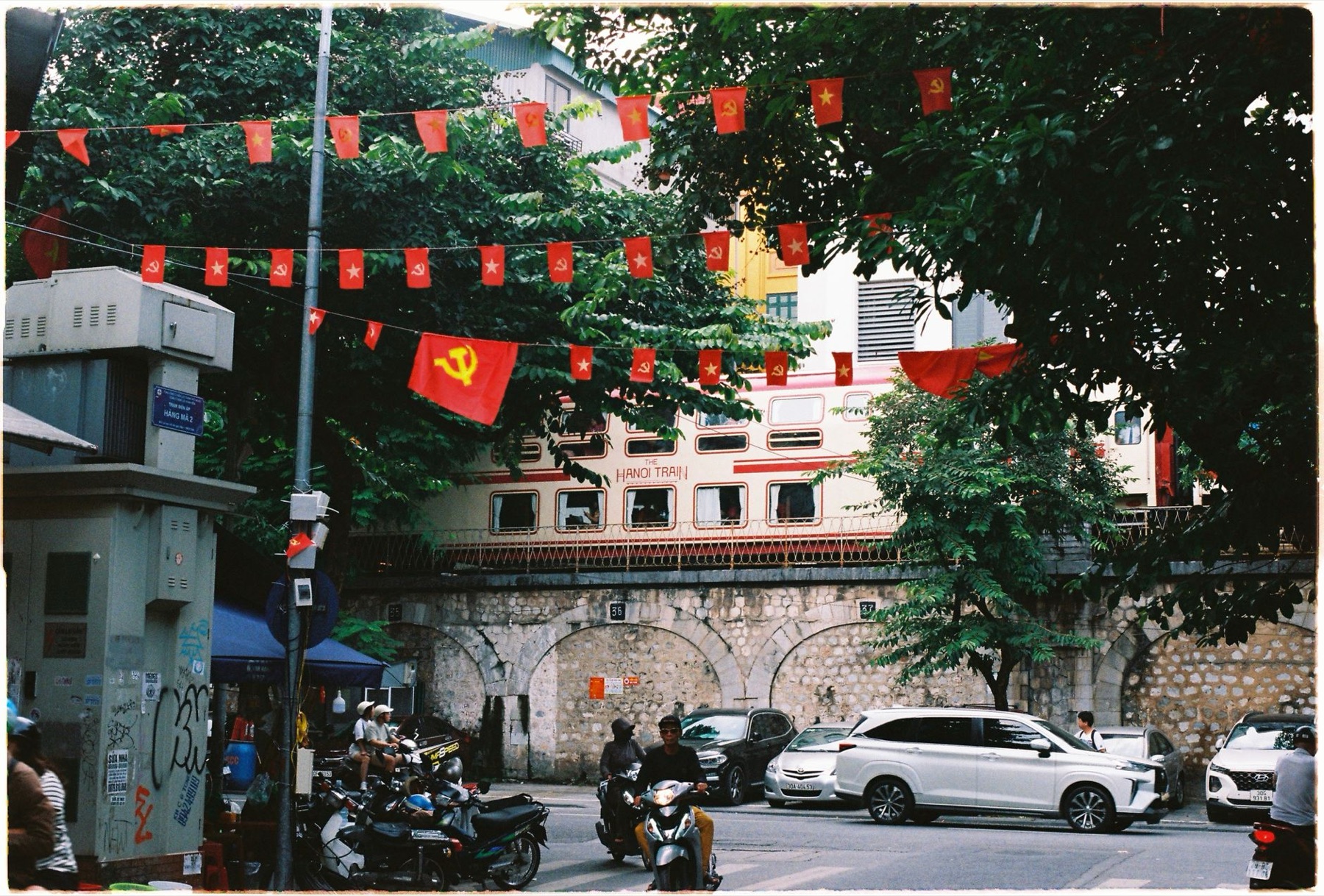
- Ba Dinh: working residential, street vendors, family restaurants, no English signage. This is where Hanoians live and eat.
- Dong Anh: far from center, industrial, real craftspeople (silk weavers, woodcarvers), authentic and exhausting to reach by public transport.
- Cau Giay: young professionals, coffee shops, bookstores, easier vibe than Old Quarter. Walk along Xuan Thuy Street.
- Truc Bach: quiet lake village feel, old neighborhoods, artist studios, locals fishing. Cross Thanh Nhan Bridge and disappear.
Skip: Tran Quoc Pagoda (overrated temple with zero shade), Hoa Lo Prison Museum (a single block, 30 minutes max, skip if you're short on time).
📸 Book an ao dai photoshoot in Hanoi or Saigon (Cáo Studio)
How to move between these neighborhoods without getting lost?
Hanoi's bus system is cheap (around 5,000–10,000 VND / USD $0.19–$0.38 per ride) and incomprehensible to visitors. Grab (motorcycle taxi app, similar to Uber) costs 15,000–40,000 VND (USD $0.57–$1.52) depending on distance and time of day. Renting a bicycle is 40,000–70,000 VND per day (USD $1.52–$2.67) and gives you control.
Walking is underrated. Hanoi neighborhoods are small. Walk from Old Quarter west to Ba Dinh (30 minutes), explore on foot, grab a motorbike back. You'll see things no bus passenger notices.
Scams to avoid:
- Cyclo drivers quoting prices in USD then claiming you said a different amount (agree on price in VND before leaving).
- Gem/silk "family shops" (tourists are steered to overpriced, low-quality stores; ignore anyone offering "private tours").
- Fake meters on metered taxis (use Grab instead, or ask your hotel to call a licensed taxi).
- Inflated prices in restaurant "tourist zones"—walk three blocks away and prices drop by 50%.
---
For gifts and keepsakes from your trip, consider personalized travel memory collections or handcrafted art prints—ways to hold onto neighborhoods and moments you've actually experienced. We ship globally in 5–10 days, and every order comes with a 30-day smile guarantee if it doesn't feel right.
If you're planning a longer Vietnam journey, check our itinerary planner to sequence Hanoi with Ha Long Bay, Sapa, Hoi An, and Ho Chi Minh City efficiently. And before you go, ensure you have the right Vietnam e-visa or eSIM for data.
🎟️ Compare tours & tickets for this place
---
What to check before you buy:
- Sunrise vs. afternoon: Lake is worth it at 6:30 a.m., worthless at 2 p.m. Plan accordingly.
- Cash only: Many neighborhood stalls don't take cards. Withdraw 500,000–1,000,000 VND (USD $19–$38) from an ATM in a shopping mall, not the street.
- Water quality: Tap water is not safe to drink; buy bottled water (10,000–15,000 VND / USD $0.38–$0.57 per liter).
- Motorbike safety: If you rent a bike, buy a decent helmet (not the thin ones at rental shops). Insurance is around 50,000 VND/day (USD $1.90).
- Language barrier: English is less common in neighborhood restaurants than the Old Quarter. That's a feature, not a bug—smile and point works.
FAQ
Is three days enough for Hanoi, or should I stay longer?
Three nights lets you see main sites without rushing and experience neighborhood life. One day feels incomplete; a week is ideal if you're combining cultural immersion with day trips. Most travelers do three, grab one day trip to Ninh Binh, then move on.
What's the best time of year to visit Hanoi?
October–November (autumn) and March–April (spring) offer coolest temperatures and clearest skies. Avoid May–September (humid, hot, occasional flooding) and December–February (cold, gray, but quieter). Book accommodation 2–3 weeks ahead during shoulder seasons.
Do I need to speak Vietnamese to get around?
English is spoken in hotels, tourist areas, and restaurants catering to visitors. In neighborhood stalls and street markets, it's minimal. Google Translate's camera function and a smile cover most gaps. Locals appreciate any attempt at Vietnamese phrases—basic "cam on" (thank you) and "bao nhieu tien?" (how much?) go far.
Is Hanoi safe for solo travelers, especially women?
Hanoi is generally safe. Petty theft (bag snatching from motorbikes, not pickpocketing) is the main risk. Keep valuables secure, avoid late-night solo walks in industrial areas, use Grab rather than hailing taxis. Women travelers report feeling safer here than in some Southeast Asian capitals.
Can I visit Hanoi and Ha Long Bay on the same trip?
Yes. Ha Long Bay is 2.5–3.5 hours by bus from Hanoi center (around 120,000–200,000 VND / USD $4.60–$7.65 return). Typical itinerary: 2–3 nights Hanoi, overnight cruise or day trip to Ha Long. See our Ha Long Bay guide and Vietnam itinerary planner for routing options.
What's the dress code for temples and religious sites?
Dress modestly—cover shoulders and knees. Shorts are acceptable at casual sites; avoid them at active temples. Remove shoes when entering prayer halls. Temple of Literature and Truc Quoc Pagoda enforce dress codes; enforcement is loose but respect local custom anyway.
FAQ
Is three days enough for Hanoi, or should I stay longer?
Three nights lets you see main sites without rushing and experience neighborhood life. One day feels incomplete; a week is ideal if you're combining cultural immersion with day trips. Most travelers do three, grab one day trip to Ninh Binh, then move on.
What's the best time of year to visit Hanoi?
October–November (autumn) and March–April (spring) offer coolest temperatures and clearest skies. Avoid May–September (humid, hot, occasional flooding) and December–February (cold, gray, but quieter). Book accommodation 2–3 weeks ahead during shoulder seasons.
Do I need to speak Vietnamese to get around?
English is spoken in hotels, tourist areas, and restaurants catering to visitors. In neighborhood stalls and street markets, it's minimal. Google Translate's camera function and a smile cover most gaps. Locals appreciate any attempt at Vietnamese phrases—basic "cam on" (thank you) and "bao nhieu tien?" (how much?) go far.
Is Hanoi safe for solo travelers, especially women?
Hanoi is generally safe. Petty theft (bag snatching from motorbikes, not pickpocketing) is the main risk. Keep valuables secure, avoid late-night solo walks in industrial areas, use Grab rather than hailing taxis. Women travelers report feeling safer here than in some Southeast Asian capitals.
Can I visit Hanoi and Ha Long Bay on the same trip?
Yes. Ha Long Bay is 2.5–3.5 hours by bus from Hanoi center (around 120,000–200,000 VND / USD $4.60–$7.65 return). Typical itinerary: 2–3 nights Hanoi, overnight cruise or day trip to Ha Long. See our [Ha Long Bay guide](/ha-long-bay) and [Vietnam itinerary planner](/vietnam/itinerary) for routing options.
What's the dress code for temples and religious sites?
Dress modestly—cover shoulders and knees. Shorts are acceptable at casual sites; avoid them at active temples. Remove shoes when entering prayer halls. Temple of Literature and Truc Quoc Pagoda enforce dress codes; enforcement is loose but respect local custom anyway.
More: Hanoi guide · Things to do in Hanoi