Hanoi · Things to do
Things to Do in Hanoi: Local Insider's 2026 Guide
By Wander in Vietnam editorial team · Hanoi, Vietnam
Hanoi rewards wanderers who sidestep the trodden paths. The city's energy shifts hour by hour—sleepy temple courtyards at 6 a.m., frenetic market haggling by 8 a.m., silent colonial boulevards at noon, buzzing street-food carts after dark. We've spent years navigating these rhythms, and the honest truth is that most guidebooks peddle the same ten spots. Here's what actually works, what costs what, and what to avoid.
What Makes Hanoi Different From Other Southeast Asian Cities?
Hanoi isn't a beach destination or a shopping mall. It's a 1,000-year-old city where French villas sit next to Soviet-era apartment blocks, where a motorbike honks behind a cyclo, where your 50-cent pho bowl is made by a family that's been stirring the same broth for thirty years. The chaos feels random until you learn the rhythms. Most visitors spend three days here; we'd recommend five if you can swing it.
The Old Quarter (Hoan Kiem district) is the touristed core, but walk fifteen minutes north into Dong Da district and you'll find neighborhoods where foreigners are rare. That's where the real Hanoi lives. Don't expect Instagram perfection—expect authenticity, noise, and food that tastes like someone's grandmother made it.
📸 Book an ao dai photoshoot in Hanoi or Saigon (Cáo Studio)
Where Should You Spend Your First Day in Hanoi?
Start at Hoan Kiem Lake at sunrise (around 5:30–6:00 a.m. depending on season). The lake is free. Walk the eastern shore toward the Old Quarter, watching tai chi classes and egg vendor setups. Stop for breakfast pho at a corner shop in the Old Quarter—roughly 35,000–50,000 VND (1.40–2 USD) for a large bowl. Avoid the tourist-marked stalls; look for lines of locals, no English menu, plastic stools.
By mid-morning, visit the Temple of Literature (Van Mieu) in Ba Dinh district, about 2 km west. Entry is around 30,000 VND (1.20 USD). It opens at 8:00 a.m.; arrive by 9:30 a.m. before school groups swarm it. The temple is Hanoi's oldest university (founded 1070) and genuinely moving—not a tourist trap, but increasingly crowded.
Lunch in the Old Quarter at a vermicelli or banh mi shop. Budget 40,000–80,000 VND (1.60–3.20 USD). Skip the restaurants with laminated menus and staff hovering outside. The best spots have zero English signage and turnover happens fast (a good sign).
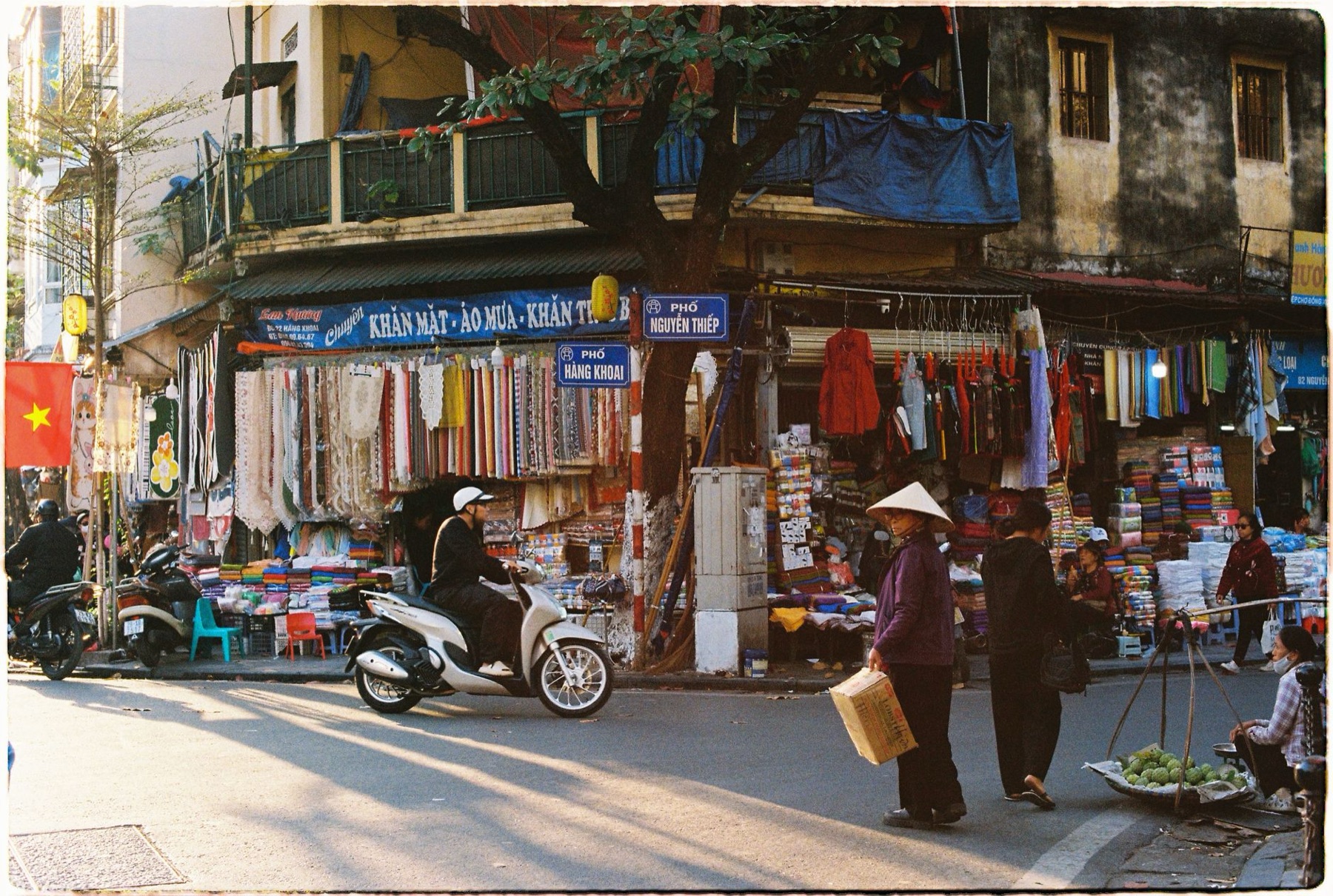
Afternoon: wander the Old Quarter's narrow streets on foot. Stick to the grid west of Hoan Kiem Lake; each block specializes (silk street, tin street, shoe street—a real medieval guild system). Take photos, buy nothing at first, observe. Many shopkeepers will try to upsell or scam; a simple "cam on" (thanks) and walk is your shield.
Evening: return to Hoan Kiem Lake as the sun sets (around 5:30–6:00 p.m. in winter, 6:30–7:00 p.m. in summer). The lake is free. Street vendors sell sugar-coated fruits and iced tea drinks (10,000–20,000 VND / 0.40–0.80 USD). Have dinner at a streetside pho or banh mi cart; the best ones operate 6:00–9:00 p.m.
Total first-day spend: around 200,000–350,000 VND (8–14 USD) excluding accommodation and transport.
Which Markets Are Authentic and Worth Your Time?
Dong Xuan Market (Hoan Kiem district, northwest of the Old Quarter) is Hanoi's largest indoor market, built in 1889. It's chaotic, multi-floor, and genuinely used by locals—not a tourist market. Go 7:00–9:00 a.m. for the freshest energy and best haggling. Ground floor has textiles, clothing, souvenirs; upper floors have kitchenware, hardware, plastic goods. Prices assume you'll haggle; expect 20–30% off asking prices. No tourists really haunt Dong Xuan because it smells, it's loud, and the bathroom situation is grim. That's exactly why it's real. Bring small change (10,000 and 20,000 VND notes).
Bat Trang Ceramics Village (Thu Duc district, southeast of central Hanoi, about 10 km away) specializes in blue-and-white pottery, bowls, and vases. Half-day trip: hire a grab bike or mini-bus (around 150,000–200,000 VND / 6–8 USD for the ride). Workshops open 8:00 a.m.–5:30 p.m. Prices range wildly—a small celadon dish from 100,000–300,000 VND (4–12 USD), larger plates 300,000–800,000 VND (12–32 USD). Many shops will pack and ship ceramics; expect domestic shipping around 100,000–200,000 VND (4–8 USD) depending on weight. Avoid pre-fired "antique" pieces unless you know what you're looking at; buy from working potters or established workshops.
Night markets operate in different zones (rotating schedule). Old Quarter night markets run Thursday–Sunday around Hang Dau and Hang Bo streets, typically 6:00 p.m.–11:00 p.m. These cater to locals and sell food, street snacks, clothing, and novelties. Bring cash, expect crowds, eat first.
🗺️ Plan your route: Vietnam itinerary
What's the Honest Scoop on Street Food and Where to Eat?
Hanoi's street food is legendary because it's actually outstanding. A bowl of pho bo (beef noodle soup) at a proper stall costs 35,000–60,000 VND (1.40–2.40 USD). A banh mi sandwich from a corner shop runs 20,000–40,000 VND (0.80–1.60 USD). Bun cha (grilled pork with noodles) is around 40,000–70,000 VND (1.60–2.80 USD). These aren't inflated tourist prices—they're real.
Eat where you see a line or a crowd. Avoid any stall that has a "special tourist menu" or staff speaking English upfront. The best pho stalls have a single menu (pho bo, pho ga, sometimes pho ram), operate 6:00–11:00 a.m., and serve 50–100 bowls a morning. Look for busy ones on side streets in Dong Da and Hai Ba Trung districts, not in the Old Quarter's main drags.
Cha ca (turmeric fish with dill) is a Hanoi specialty found on Cha Ca Street (Hoan Kiem district). Cha ca Thang Long (no English signage, just a narrow storefront) is the real deal—around 80,000–120,000 VND (3.20–4.80 USD) per serving, opens 11:00 a.m.–8:00 p.m. daily. The broth is simmered for hours; you cook thin fish slices in it at your table.
Scam alert: Tourist-targeted restaurants on Nguyen Huu Huan or Ta Hien streets in the Old Quarter often overcharge or serve lower-grade meat. A "local recommends" sign doesn't mean local prices. Budget 200,000–400,000 VND (8–16 USD) per person at sit-down tourist restaurants; local stalls max out at 100,000 VND (4 USD).
Cooking classes happen in residential neighborhoods, not tourist centers. A 3-hour morning class including a market walk and lunch typically costs 600,000–1,000,000 VND (24–40 USD). Instructors pick you up from your hotel. Book through community Facebook groups or ask your hotel if they have direct referrals (avoiding middleman markups).
Which Neighborhoods Should You Explore Beyond the Old Quarter?
Tay Ho (West Lake) is a wealthy, tree-lined suburb northwest of central Hanoi, home to expats, diplomats, and cafes. Walk the lake's perimeter early morning for joggers and fishermen. Coffee shops here serve excellent local-blend coffee (30,000–50,000 VND / 1.20–2 USD) in quiet garden settings. Avoid the pricier restaurants targeting foreigners; focus on coffee and morning air.
Dong Da is a residential neighborhood east of the Old Quarter with zero tourist infrastructure. Narrow streets, local noodle shops, and genuine neighborhood energy. Walk from the Old Quarter (25-minute walk) or grab a Grab bike (20,000–40,000 VND / 0.80–1.60 USD). Eat breakfast here, observe family life, no agenda. This is where most Hanoians live.
Ba Dinh contains the Ho Chi Minh Mausoleum complex (entry free, opens 8:00 a.m.–11:00 a.m. for crowds, closed Mondays), the One Pillar Pagoda, and the Temple of Literature. Less touristy than the Old Quarter because visiting requires planning. Morning visits are quieter. The neighborhood has wide French colonial streets and quieter vibe.
Hoan Kiem (Old Quarter) is where most tourists land. It's chaotic, pricy, and worth 2–3 hours maximum. Best at dawn or after 9:00 p.m. when bus groups disperse. Avoid midday 11:00 a.m.–3:00 p.m.
| Neighborhood | Vibe | Best For | Stay Time |
|---|---|---|---|
| Old Quarter | Chaotic, touristed | Photos, pho, first evening | 2–3 hrs |
| Tay Ho | Quiet, expat, lakeside | Coffee, walks, peaceful | 2–3 hrs |
| Dong Da | Residential, gritty, real | Breakfast, street food, observation | 2–3 hrs |
| Ba Dinh | Colonial, mixed tourists & locals | Temples, mausoleum, parks | 3–4 hrs |
| Hoan Kiem Lake perimeter | Mixed, free, scenic | Sunrise, sunset, evening stroll | 1–2 hrs |
What Day Trips Are Worth Leaving the City For?
Bat Trang Ceramics Village (10 km southeast, 30–45 minutes by Grab): Blue-and-white pottery workshops, firing kilns, and sales shops. Half-day trip best done 8:00 a.m.–1:00 p.m. before heat peaks. Total spend: 150,000–200,000 VND (6–8 USD) transport + pottery purchases.
Craft Villages around Hanoi (Silk in Van Phuc, Lacquerware in Haiphong Road, Woodcarving in Dong Ky) require a guide to navigate meaningfully. Solo visitors often get lost or pushed into overpriced workshops. Join a half-day group tour through a hostel or community group (typically 500,000–800,000 VND / 20–32 USD including transport and lunch).
Ninh Binh (100 km south, 2–2.5 hours by bus, around 100,000–150,000 VND / 4–6 USD one-way) is a karst landscape with river cruises, temples, and caving. Check our Ninh Binh guide for details. Most travelers do overnight; a day trip is rushed but possible if you're disciplined.
Ha Long Bay (160 km northeast, 3–3.5 hours by bus, around 150,000–200,000 VND / 6–8 USD one-way) requires an overnight or multi-day cruise to justify the travel. Skip day trips; they're exhausting and overpriced. See our Ha Long Bay guide for proper planning.
🎟️ Compare tours & tickets for this place
What Memento or Gift Should You Bring Home From Hanoi?
Hanoi's most authentic souvenirs are food and textiles, not plastic trinkets. Consider these options:
- Silk textiles from Hang Gai Street: Scarves, fabric by the meter, or ready-made items. Prices vary wildly based on quality; a scarf ranges 300,000–1,000,000 VND (12–40 USD). Know your silk grades or negotiate heavily.
- Lacquerware from family workshops: Small boxes, coasters, or decorative pieces. A small keepsake lacquered box costs 200,000–600,000 VND (8–24 USD). Quality varies; examine for bubbling or uneven finish.
- Ceramic pieces from Bat Trang: Bowls, plates, vases in traditional blue-and-white or celadon. Budget 150,000–500,000 VND (6–20 USD) for smaller items. Pack carefully; ceramics break in luggage.
- Coffee: Vietnamese coffee (robusta or arabica blends) sold in markets or specialized shops. A 500-gram bag runs 150,000–300,000 VND (6–12 USD). Roasted whole beans travel better than pre-ground.
- Ao dai custom tailoring: A bespoke traditional dress or shirt. Budget 1,500,000–3,000,000 VND (60–120 USD) for proper tailoring over 3–5 days. Many tailors are in the Old Quarter; quality varies. Book an ao dai photoshoot in Hanoi if you want styled photos in your new garment.
Avoid mass-produced "Vietnamese" souvenirs sold in tourist shops (lanterns, lacquered boxes, paintings). They're made in China and marked up 300–500%.
What Time of Year Should You Visit Hanoi?
October–November (autumn) is ideal: 20–28°C (68–82°F), low humidity, clear skies. Hotels and restaurants are busy but not overwhelming.
December–February (winter) is cool and dry (10–20°C / 50–68°F), perfect for walking. January is coldest; locals wear jackets. Humidity is low. This is peak tourist season; book accommodation ahead.
March–May (spring) is warm and humid; occasional rain. 20–32°C (68–90°F). Fewer tourists than winter; still pleasant.
June–September (summer & monsoon) is hot (28–35°C / 82–95°F), very humid, and rainy. Street food is excellent; most tourists avoid it. If you visit, embrace wet clothes and indoor cafes.
Avoid visiting during Tet (Lunar New Year, typically late January–early February). Most shops, restaurants, and attractions close for 3–5 days; prices spike; locals travel home. The city feels empty or chaotic.
What Should You Check Before You Book Your Hanoi Trip?
Before you arrive, confirm:
- Visa requirements: US, UK, Australian, and EU citizens can do an e-visa for Vietnam (online, 7–10 days processing, around 20–25 USD). Apply at least two weeks ahead.
- eSIM or local SIM: Buy a local SIM on arrival (around 100,000–200,000 VND / 4–8 USD with data) or use an eSIM before you land.
- Travel insurance: Hanoi is safe, but street crossing and motorbikes require awareness. Medical evacuation insurance is cheap and sensible.
- Accommodation: Book 2–3 months ahead if visiting Oct–Feb. Old Quarter is touristy but walkable; Tay Ho or Ba Dinh offer quieter bases.
- Itinerary: Use our Vietnam itinerary planner to map multi-city routes. Hanoi pairs well with Ho Chi Minh City, Hoi An, or Sapa.
- Language: Learning 10 words of Vietnamese (pho, cam on, bao nhieu tien) pays dividends. Google Translate's camera function works for menus.
- Cash: ATMs are plentiful; withdraw 2–3 million VND (80–120 USD) at a time to avoid repeated fees. Many small shops don't accept cards.
---
FAQ
Is it safe to drink tap water in Hanoi?
No. Drink bottled water (around 10,000–20,000 VND / 0.40–0.80 USD per liter). Ice in drinks at tourist venues is usually safe; street stalls vary. Hotels provide free bottled water; take it with you when walking.
How do I avoid being overcharged at restaurants?
Eat where locals eat (lines, no English menu, plastic stools). Ask the price before ordering. At sit-down restaurants, request the menu and prices upfront. Tourist-heavy streets in the Old Quarter mark up 2–3x; move two blocks away and prices drop instantly. Grab a receipt; disputes are rare but a written record helps.
What's the best way to get around Hanoi?
Walk when possible (the most rewarding way to learn the city). Use Grab (motorbike or car ride-share app) for longer distances—around 20,000–60,000 VND (0.80–2.40 USD) for most trips. Buses are cheap (7,000–20,000 VND / 0.28–0.80 USD) but require understanding the routes. Don't rent a motorbike unless you're an experienced driver; traffic is chaotic.
Are English speakers common in Hanoi?
In the Old Quarter, hotels, and tourist restaurants, yes. In neighborhoods like Dong Da or local pho stalls, almost no English. Learn basic Vietnamese phrases or use Google Translate. Young people (under 30) often speak some English; older vendors rarely do. Patience and a smile go a long way.
How much should I budget daily for food, transport, and activities in Hanoi?
Budget 500,000–1,000,000 VND (20–40 USD) per day if you eat street food, use Grab, and visit free/cheap attractions. Tourist restaurants and activities push that to 1,500,000–2,500,000 VND (60–100 USD). Accommodation ranges 300,000–2,000,000 VND (12–80 USD) per night depending on type.
Should I book tours in advance or find them in the Old Quarter?
Book cooking classes and specialist tours (craft villages, day trips) in advance online or through your hotel—you'll avoid scams and get fair pricing. Walking tours, street food tours, and cycling tours are easy to find and book at hostels (typically 400,000–700,000 VND / 16–28 USD) with same-day or next-day slots. Avoid touts on the street.
FAQ
Is it safe to drink tap water in Hanoi?
No. Drink bottled water (around 10,000–20,000 VND / 0.40–0.80 USD per liter). Ice in drinks at tourist venues is usually safe; street stalls vary. Hotels provide free bottled water; take it with you when walking.
How do I avoid being overcharged at restaurants?
Eat where locals eat (lines, no English menu, plastic stools). Ask the price before ordering. At sit-down restaurants, request the menu and prices upfront. Tourist-heavy streets in the Old Quarter mark up 2–3x; move two blocks away and prices drop instantly. Grab a receipt; disputes are rare but a written record helps.
What's the best way to get around Hanoi?
Walk when possible (the most rewarding way to learn the city). Use Grab (motorbike or car ride-share app) for longer distances—around 20,000–60,000 VND (0.80–2.40 USD) for most trips. Buses are cheap (7,000–20,000 VND / 0.28–0.80 USD) but require understanding the routes. Don't rent a motorbike unless you're an experienced driver; traffic is chaotic.
Are English speakers common in Hanoi?
In the Old Quarter, hotels, and tourist restaurants, yes. In neighborhoods like Dong Da or local pho stalls, almost no English. Learn basic Vietnamese phrases or use Google Translate. Young people (under 30) often speak some English; older vendors rarely do. Patience and a smile go a long way.
How much should I budget daily for food, transport, and activities in Hanoi?
Budget 500,000–1,000,000 VND (20–40 USD) per day if you eat street food, use Grab, and visit free/cheap attractions. Tourist restaurants and activities push that to 1,500,000–2,500,000 VND (60–100 USD). Accommodation ranges 300,000–2,000,000 VND (12–80 USD) per night depending on type.
Should I book tours in advance or find them in the Old Quarter?
Book cooking classes and specialist tours (craft villages, day trips) in advance online or through your hotel—you'll avoid scams and get fair pricing. Walking tours, street food tours, and cycling tours are easy to find and book at hostels (typically 400,000–700,000 VND / 16–28 USD) with same-day or next-day slots. Avoid touts on the street.
More: Hanoi guide · Things to do in Hanoi