Hanoi · Things to do
Things to Do in Hanoi Old Quarter: Honest Guide 2026
By Wander in Vietnam editorial team · Hanoi, Vietnam
The 36 Streets of Hanoi's Old Quarter form a grid of impossibly narrow alleys where five centuries of trading history still pulse. Each street once specialized: Silk Street (Phố Lụa), Silver Street (Phố Bạc), Paper Street (Phố Giấy). Today they're lived-in, chaotic, and absolutely worth half your Hanoi time—if you navigate them right.
We've walked these lanes hundreds of times. Here's what actually works.
What's Really Worth Your Time in the Old Quarter?
The Old Quarter isn't a theme park. It's a functioning neighborhood where families live above shops, grandmothers squat on curbs playing cards, and tourists and locals compete for pavement. You'll find no scheduled "attractions" in the Western sense—no ticketed entry points. Instead, spend time in three ways: eating, shopping curiosities, and wandering temples.
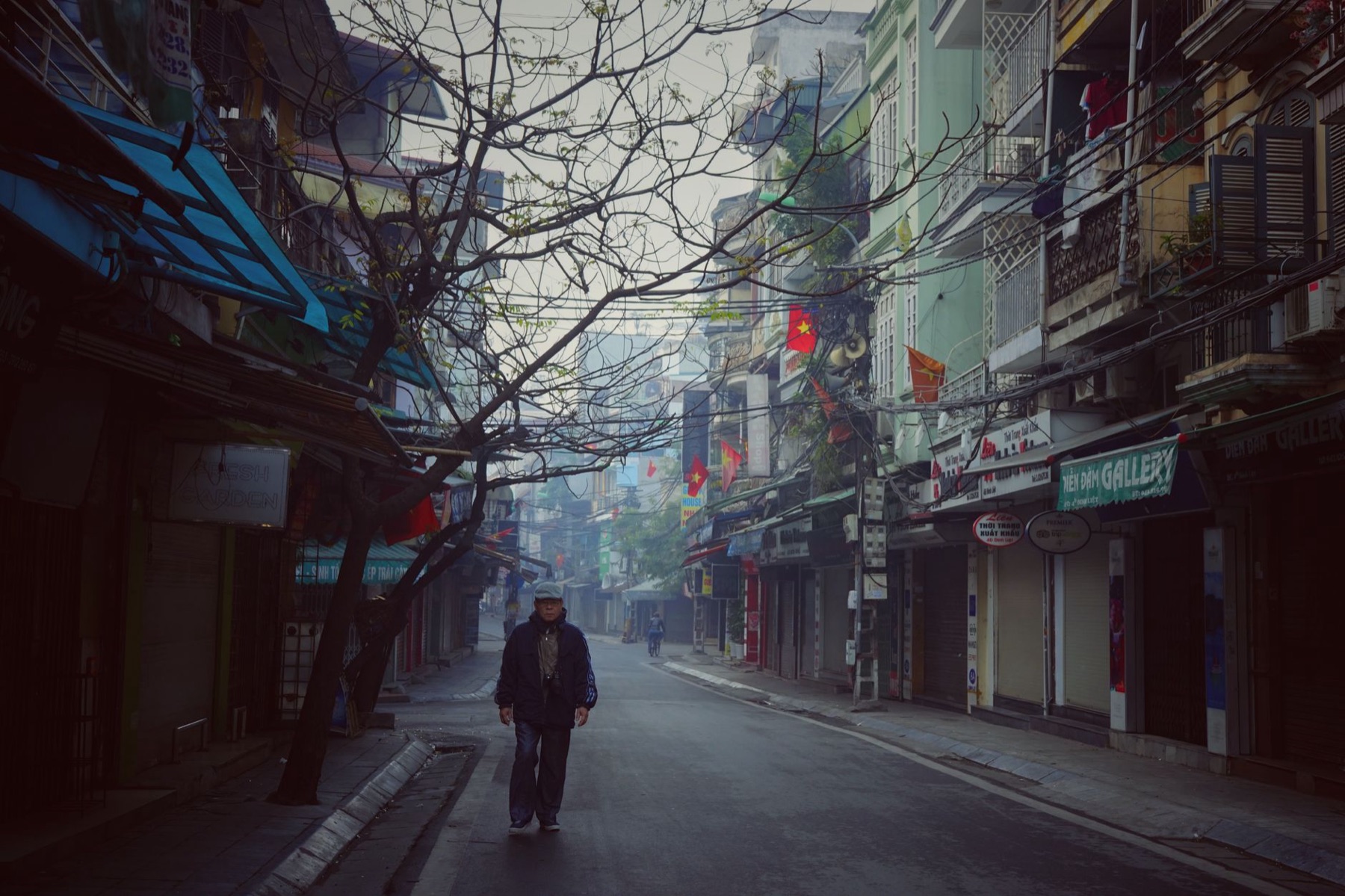
Start early (6–7 am). Streets are quieter, vendors are setting up, and breakfast is best. By 10 am, tour groups descend. By dusk, the alleys turn magical: neon signs flicker, street food carts appear, locals drink beer on plastic stools. The Old Quarter doesn't close—it transforms.
📸 Book an ao dai photoshoot in Hanoi or Saigon (Cáo Studio)
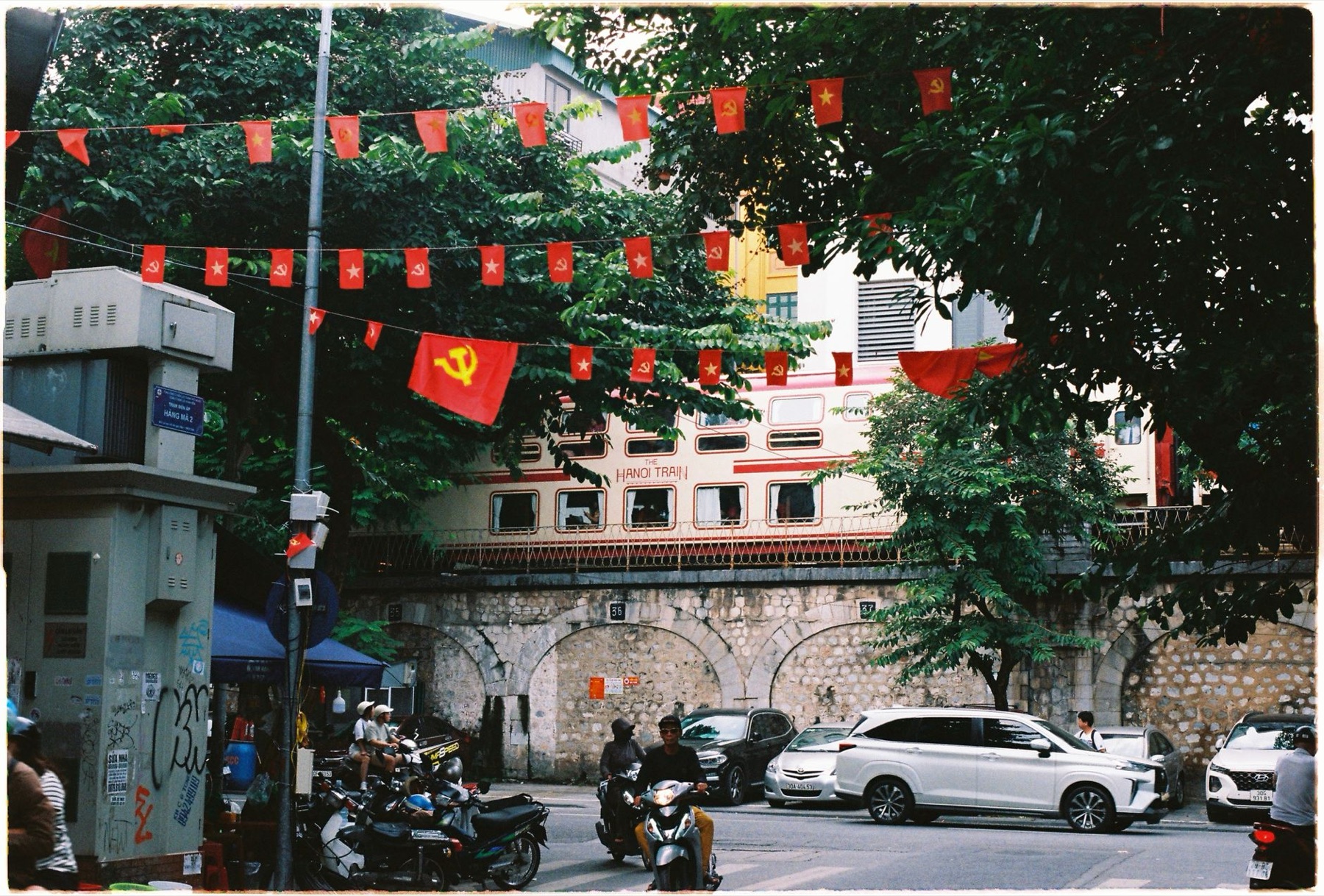
Which Streets Should You Actually Walk?
Not all 36 are equally rewarding. Here's our honest breakdown:
Must-walk streets:
- Phố Mã Mây (Horse Street): narrow, chaotic, packed with tourist shops but also real hardware stores and family businesses stacked five stories high.
- Phố Hàng Gà (Chicken Street): food stalls, small hotels, pho shops. Walk it at 7 am for breakfast energy.
- Phố Hàng Bông (Cotton Street): less touristy, good banh mi and com tam (broken-rice) vendors.
- Phố Giấy (Paper Street): calmer, some old printing workshops still operate, quiet cafes.
Skip or speed-walk:
- Phố Tây Hồ (western parts near tourist trap zones): overpriced "Happy Hanoi" bars and obvious tourist setups. You'll know them when you see them.
- Anything aggressively selling "cyclo tours" or "motorbike tours" at inflated rates (around 500,000–1,000,000 VND / $20–40 USD for 1–2 hours—walk instead for free).
Insider move: Duck into side alleys (ngách). These cramped passages between buildings lead to courtyards, old family businesses, and zero tourists. You won't find Google Maps updates here—just look for narrow openings between storefronts.
Where Should You Eat & What to Expect?
Food is the best reason to be here. Breakfast and lunch are cheap and authentic.
Real options:
- Phở: Any busy stall in the early morning. Around 40,000–60,000 VND ($1.60–2.40 USD) for a bowl. Look for lines—that's your cue. Phố Hàng Gà and Phố Hàng Mành have clusters.
- Bánh mì: Carts near intersections, especially Phố Hàng Bông. Around 30,000–40,000 VND ($1.20–1.60 USD). Get it with pâté, egg, and pickled vegetables.
- Cơm tấm (broken rice): Small eateries on Phố Hàng Bông and Phố Hàng Ngoài. Around 50,000–70,000 VND ($2–2.80 USD) with a grilled pork chop (sườn nướng).
- Egg coffee (cà phê trứng): Cafés clustered around Hoan Kiem Lake's western edge and Phố Giải Phóng junction. Around 40,000–50,000 VND ($1.60–2 USD). It's sweet, fluffy, touristy but genuinely tasty.
- Street snails (ốc): Evening vendors on Phố Hàng Mành. Around 50,000–100,000 VND ($2–4 USD) for a bowl. Eat with toothpicks; local skill required.
What to avoid: Any restaurant with picture menus and staff waving from the street = overpriced. Eat where there's no English menu and it's packed at noon.
🗺️ Plan your route: Vietnam itinerary
Temples, Lakes & Hidden Pockets Worth Finding
The Old Quarter isn't just commerce—there's spiritual history layered in.
Đền Ngọc Sơn (Jade Mountain Temple): On the islet in Hoan Kiem Lake, connected by a red wooden bridge. Free entry. Go at dawn or late afternoon to avoid crowds. The temple dates to the 11th century; it's small but genuinely atmospheric.
Đền Bạch Mã (White Horse Temple): Tucked into an alley on Phố Hàng Buồm, easy to miss. Tiny, active, with incense smoke and local worshippers. No tourists. Free.
Quán Sứ Pagoda (Embassy Pagoda): Phố Quán Sứ, just south of the core Old Quarter. Built 17th century, still has monks. Quiet courtyard, free entry. Good for sitting, thinking, or just cooling off.
Hoan Kiem Lake itself: Walk the perimeter (roughly 1.7 km). It's not pristine—water's murky—but the temples, cafes, and early-morning tai chi practitioners on the eastern bank are real Hanoi. Free.
Hidden gem—Hanoi Old Prison Museum (Nhà Tù Hỏa Lò, also called "Hanoi Hilton"): Not in the 36 Streets but five minutes' walk south. Brutal French colonial history, preserved cells, genuinely moving. Entry around 30,000 VND ($1.20 USD). Museum quality is honest, not sensationalized.
What Are the Real Scams & How to Avoid Them?
The Old Quarter has a reputation for traps. Most are avoidable if you know them.
Motorbike taxi hustle: A driver will ask where you're going and quote 200,000–500,000 VND ($8–20 USD) for a 10-minute ride that should be 30,000–50,000 VND ($1.20–2 USD). Ignore them. Walk or use Grab (the ride-hailing app—standard fixed pricing, no negotiation).
"Friendly local" bar invitation: Someone strikes up a conversation, suggests a bar, you end up with an enormous bill (2–3 million VND / $80–120 USD for two drinks) and a bouncer escorting you to an ATM. Don't go. This happens. Be polite but firm: "I'm just walking."
Tailored suit shops: Persistent touts claim they'll make you a custom suit in 24 hours for "cheap"—then deliver poor-quality fabric or vanish. Skip entirely unless you have a trusted referral.
Jewellery & gem shops: "Special price for you today" usually means inflated markup. If you don't know gems, don't buy. Period.
Tour guides claiming "official" status: Many aren't licensed. If you want a guide, book through a reputable agency or ask your hotel. Expect to pay 500,000–1,000,000 VND ($20–40 USD) for a half-day with a real guide.
How to stay safe:
- Carry a photocopy of your passport, not the original.
- Use Grab for transport (standard pricing, driver rated).
- Eat where locals eat, not where signs say "Tourist Menu."
- Don't flash expensive gear (cameras, watches, jewelry).
- Walk with purpose, not confusion.
Should You Buy Souvenirs Here? A Realistic Framework
The Old Quarter is not the best place to source quality Vietnamese gifts. Prices are inflated, quality is mixed, and selection is repetitive (same lacquerware, same t-shirts, same fake "antiques" in every other stall).
When to buy here (honest assessment):
| Item Type | Best Place | Quality | Price vs. Elsewhere | Worth It? |
|---|---|---|---|---|
| Silk scarves / fabric | Phố Lụa stalls | Medium–high | 20–30% markup | No—try Hoan Kiem Silk on Phố Đinh Liệt |
| Lacquerware (bowls, boxes) | Tourist stalls | Low–medium | Inflated | No—overpriced; reproductions common |
| "Vintage" coins / stamps | Scattered stalls | Fake usually | Gouged | No—avoid entirely |
| Ao dai (traditional dress) | Tailor shops | Varies; risky | High | Maybe—if you get a tailored fit, not off-rack |
| Fresh coffee (beans) | Coffee vendors | Good | Fair | Yes—grab a bag, around 150,000–250,000 VND ($6–10 USD) |
| Street art prints | Gallery courtyards | High | Fair | Yes—smaller galleries off Phố Mã Mây have originals |
| Conical hats (nón lá) | Market stalls | Low–medium | Fair | Only if you love the look; bulky to travel |
Better option for gifts: Skip the Old Quarter retail. Instead, source meaningful items before you leave Hanoi—handmade ceramics from Bat Trang village (southeast, day trip), or book an ao dai photoshoot at Cáo Studio to carry a real memory home. We also recommend personalized gifts like custom star maps or engraved keepsakes—browse our personalized collections for ideas that actually matter.
🎟️ Compare tours & tickets for this place
How Long Should You Actually Spend Here?
Here's our tested itinerary:
Half day (4 hours):
- 7–8 am: Breakfast on Phố Hàng Gà.
- 8–10 am: Walk Phố Mã Mây, Phố Hàng Bông, explore side alleys.
- 10–11 am: Visit Đền Ngọc Sơn or Đền Bạch Mã.
- 11 am–12 pm: Coffee or water break; head out.
Full day (8 hours):
- 7–8 am: Breakfast.
- 8–11 am: Deep walk through alleys, temples, hidden courtyards.
- 11 am–1 pm: Lunch (cơm tấm or phở).
- 1–3 pm: Museum (Hanoi Old Prison Museum) or shopping (if you must).
- 3–5 pm: Rest at a café, Hoan Kiem Lake walk.
- 5–7 pm: Street food dinner, explore evening atmosphere.
- 7 pm onward: Low-key bar or hotel.
Two days:
- Day 1: Old Quarter deep dive (as above).
- Day 2: Broader Hanoi—Hoan Kiem Lake, Temple of Literature, West Lake. (See our Hanoi guide for more.)
What to Check Before You Go
- Weather: Hanoi's humid 24/7 and crowded. Wear breathable clothes, sunscreen, and comfortable shoes (uneven pavement). Rainy season (May–September) is muggy; dry season (October–April) is best.
- Connectivity: Get a local eSIM or SIM card (Vietnam eSIM guide) so you can use Grab, Google Maps offline, and messaging apps.
- Visa: Ensure your Vietnam visa is valid (Vietnam e-visa info).
- Camera/phone security: Keep them secure; petty snatching happens, especially evening. Don't photograph people without asking.
- Pace yourself: The Old Quarter is sensory overload. Set a realistic goal (3 streets, not all 36). Come back another day if you love it.
---
Hanoi's Old Quarter is raw, unglamorous, and genuinely alive—unlike any sanitized tourist zone. Spend time, eat well, get a bit lost, and you'll leave with stories. Our Vietnam itinerary planner can help structure your whole trip, or explore other key regions like Sapa, Ninh Binh, and Hoi An for context.
For a keepsake of your Hanoi time, consider a personalized gift—browse our memory & keepsake collection for items you can take or send home.
FAQ
Is it safe to walk the Old Quarter alone at night?
Yes, broadly safe—lots of foot traffic, locals, and street lights. Avoid empty alleys after midnight and don't display expensive gear. Use Grab if unsure; it's only $2–4 USD.
Can I drink the tap water?
No. Bottled water is cheap (around 15,000–30,000 VND / $0.60–1.20 USD for a 1.5-liter bottle at 7-Elevens). Ice in restaurants is usually safe if from boiled water, but play it safe: stick to bottled.
How much cash should I carry?
Around 500,000–1,000,000 VND ($20–40 USD) for a day. Many stalls are cash-only. ATMs are frequent but queues happen; don't wait until you're desperate.
What's the best time to visit—morning, afternoon, or evening?
Early morning (6–8 am) for authenticity and quiet. Midday is busy but good for crowds. Evening (5–7 pm) is atmospheric with neon and street food. Avoid 10 am–3 pm if you dislike peak tourists.
Should I book a walking tour or go alone?
Go alone first to set your pace. If you want history details, hire a licensed guide (ask your hotel to arrange; expect 500,000–800,000 VND / $20–32 USD for a half-day). Mass-market "Old Quarter tours" are repetitive and overpriced.
Can I haggle prices at shops?
With street vendors, maybe 10–20% off if buying multiple items. In stalls with fixed signage, prices are set. Never haggle at food stalls or genuine family businesses—it's disrespectful.
FAQ
Is it safe to walk the Old Quarter alone at night?
Yes, broadly safe—lots of foot traffic, locals, and street lights. Avoid empty alleys after midnight and don't display expensive gear. Use Grab if unsure; it's only $2–4 USD.
Can I drink the tap water?
No. Bottled water is cheap (around 15,000–30,000 VND / $0.60–1.20 USD for a 1.5-liter bottle at 7-Elevens). Ice in restaurants is usually safe if from boiled water, but play it safe: stick to bottled.
How much cash should I carry?
Around 500,000–1,000,000 VND ($20–40 USD) for a day. Many stalls are cash-only. ATMs are frequent but queues happen; don't wait until you're desperate.
What's the best time to visit—morning, afternoon, or evening?
Early morning (6–8 am) for authenticity and quiet. Midday is busy but good for crowds. Evening (5–7 pm) is atmospheric with neon and street food. Avoid 10 am–3 pm if you dislike peak tourists.
Should I book a walking tour or go alone?
Go alone first to set your pace. If you want history details, hire a licensed guide (ask your hotel to arrange; expect 500,000–800,000 VND / $20–32 USD for a half-day). Mass-market "Old Quarter tours" are repetitive and overpriced.
Can I haggle prices at shops?
With street vendors, maybe 10–20% off if buying multiple items. In stalls with fixed signage, prices are set. Never haggle at food stalls or genuine family businesses—it's disrespectful.