Hanoi · Things to do
Things to Do in Hanoi: Real Insider Guide for 2026
By Wander in Vietnam editorial team · Hanoi, Vietnam
Which Hanoi neighborhoods actually reward wandering, not rushing?
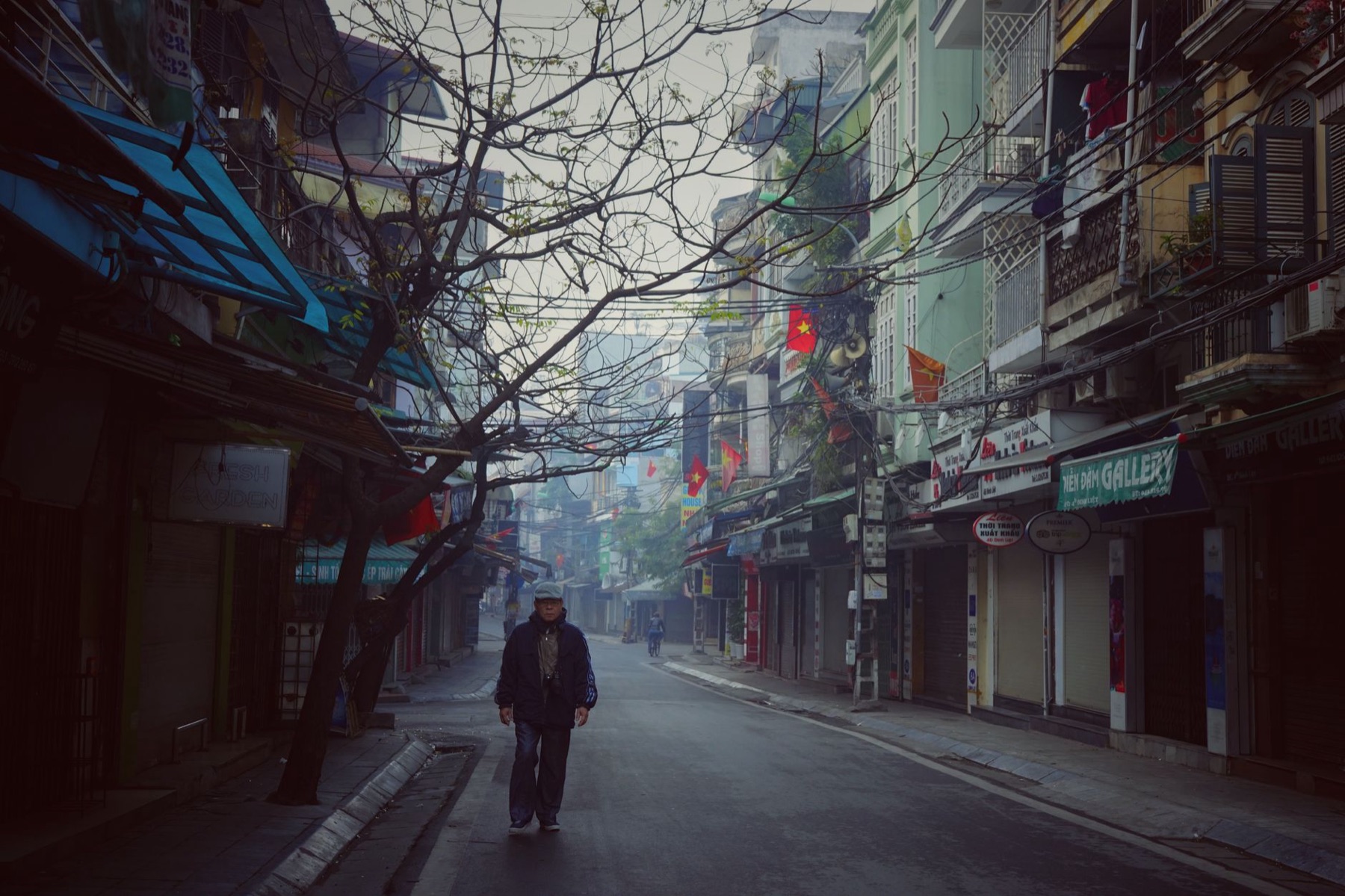
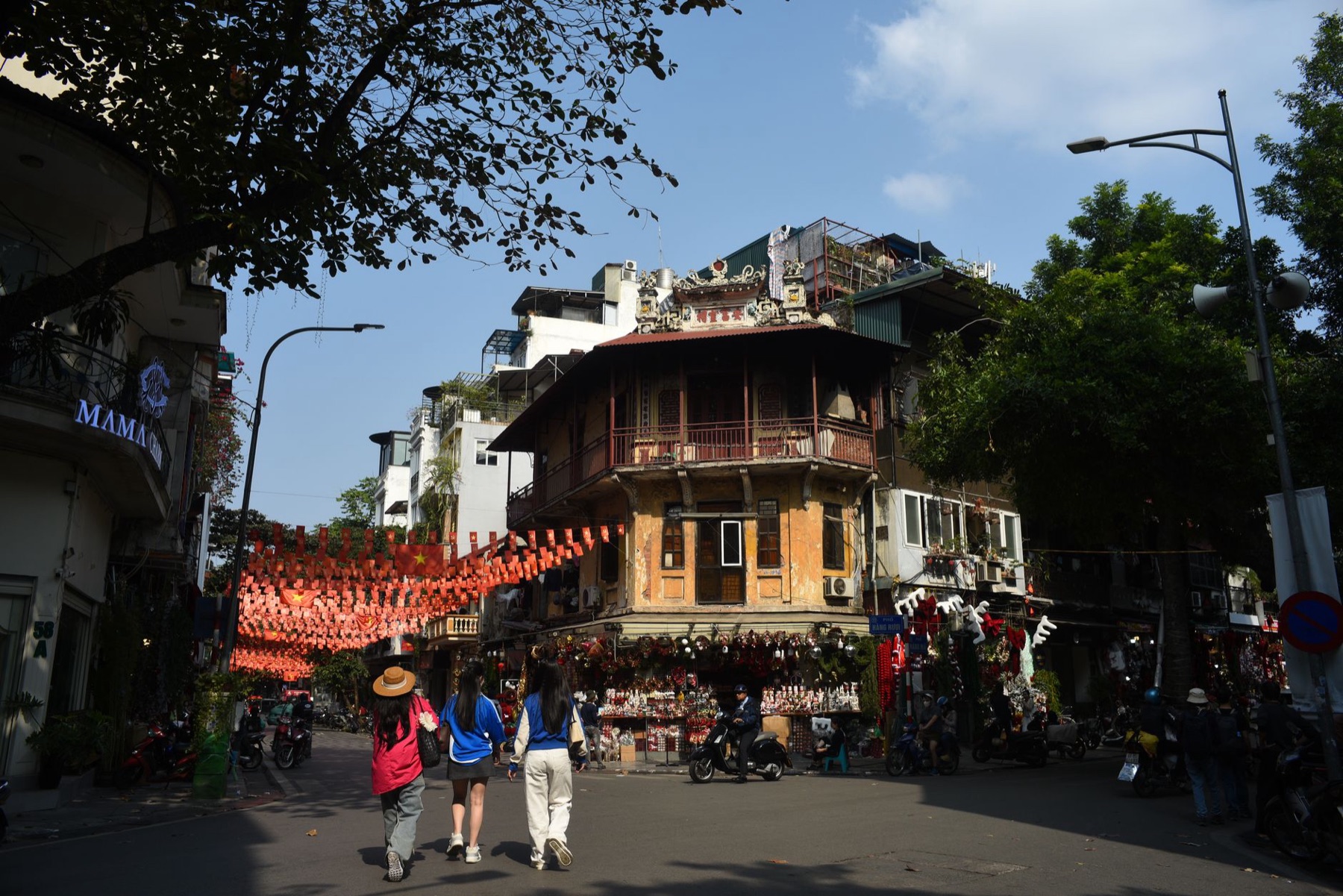
Forget the guidebook clichés. Old Quarter (36 streets, each historically one commodity: silver, silk, coffins—the pattern survives today) stays mobbed 10 a.m.–4 p.m.; arrive before 8 a.m. or after 6 p.m. to see it breathe. Hoan Kiem Lake's west bank (Tran Phu Street toward Ngo Trai) holds French colonial villas and quiet cafes tourists miss. Ba Dinh hosts Ho Chi Minh Mausoleum (free, timed entry, strict dress code—covered shoulders, knees), but walk 200 meters into residential Tran Hung Dao ward: brick shophouses, flower vendors, breakfast pho stalls at 5:30 a.m.
Tamarind Tree in Ma May Ward (Old Quarter fringe) opened a decade ago and set a template: reclaimed timber, traditional recipes, prices 80,000–160,000 VND per main (around $3–6 USD). Worth it for context, not novelty. Better: grab a plastic stool at any 30-seater pho place in Hang Dao—everyone sits together, no English menu, 35,000 VND ($1.40), owner learned by repetition not hospitality training.
Skip: Hoan Kiem Lake's "night food tours"—vendors price-hike for tour groups by 300%. Go alone at 7 p.m., eat, leave before 8:30 p.m. when the operators arrive.
What old temples and pagodas deserve your time versus Instagram stops?
One Pillar Pagoda (Cot Mot Cot, Dien Bien Phu Street, Ba Dinh) is real—11th-century wood-to-stone conversion, one column surviving typhoons—but it's cordoned, crowded, photographed to death. Skip the entry fee (30,000 VND, ~$1.20); you see 80% from the gate.
Tran Quoc Pagoda (Golden Island, Tay Ho district, northwest lakeside) is older (6th century, relocated 1615), still active—monks chant dawn, visitors walk freely in gardens. 50,000 VND (~$2). Go 6–7 a.m. or 3–4 p.m. Bring modest clothes; no one shoos you out, but respect matters. Interior carvings date centuries; stone plaques read names of donors across 400 years.
Quan Thanh Temple (Thanh Nien Street, Ba Dinh) honors a war deity, sees pilgrims not tourists—local incense, wooden beams blackened by centuries of smoke, one colossal bronze bell hung 1677. Free. Staffed by a few monks; they're kind to genuine visitors.
Skip: Hang Mua (Ninh Binh, 2 hours south)—if you're doing a full day trip, yes; if Hanoi-only, skip the 4-hour round travel for 1 hour of temple climbing. See Ninh Binh guide for that valley.
When and where should you eat street food—and what's genuinely worth trying?
Dawn matters. Pho Bo (beef pho) stalls fire up 5–6 a.m. in Hang Dieu, Hoan Kiem, Hai Ba Trung. Broth simmers 12+ hours; they ladle at peak flavor 5:30–7:30 a.m., then thin out by 10 a.m. One medium bowl: 35,000–50,000 VND ($1.40–2). Sit, watch steam, eat with lime and chili—no Instagram narration needed.
Banh Mi: buy from a stall with a queue, not a shopfront. Huynh Hoa (Hang Be, near Trom Bridge, Old Quarter) runs a two-person operation since 1992—pâté, head cheese, pickled radish, toasted baguette, 25,000 VND ($1). In and out in 4 minutes. Go 10:30–11:30 a.m. or 4–5 p.m., or you wait.
Banh Cuon (steamed rolls, pork, shrimp, mushroom inside): Thu Huong (Hang Manh, Old Quarter, small storefront, plastic stools) has zero English signage. Tray of six rolls, 40,000 VND (~$1.60), eaten with sauce (fish, lime, chili, garlic). Legit.
Egg Coffee (Ca Phe Trung): Giang Cafe (Hang Gai, Old Quarter) invented it 1946; Hoan Kiem district cafes now mass-produce it. It's egg yolk, sweetened condensed milk, coffee—novelty, not necessity. 35,000 VND (~$1.40). Try once; don't queue 30 minutes for it.
| Dish | Best Time | Cost (VND) | Why Go |
|---|---|---|---|
| Pho Bo | 5:30–7:30 a.m. | 35–50k | Peak broth, local rhythm |
| Banh Mi | 10:30–11:30 a.m. | 25k | Crusty, fresh, cheap |
| Banh Cuon | 6–8 a.m. | 40k | Steamed finesse, underrated |
| Egg Coffee | 3–4 p.m. | 35k | Once is enough |
| Bun Cha | 11 a.m.–1 p.m. | 50–70k | Grilled pork, herb soup |
📸 Book an ao dai photoshoot in Hanoi or Saigon (Cáo Studio)
Which markets let you observe real life—and which are tourist traps?
Dong Xuan Market (Old Quarter, three-floor warehouse) opened 1889, packed 8 a.m.–5 p.m. with locals buying textiles, notions, cheap electronics, kitchenware. No tourists upstairs; downstairs ground floor has a tourist section (trinkets, overpriced). Go upstairs for the real market rhythm—women haggle in rapid Hanoi dialect, piles of silk, prices negotiable. Worth 30 minutes.
Hang Da Market (Hang Da Street, Hoan Kiem, near Hoan Kiem Lake's south edge): fruit, vegetables, flowers at dawn. Flower stalls sprawl 5–10 a.m. Fresh roses, dahlias, chrysanthemums, 30,000–80,000 VND per bundle (~$1.20–3.20). If you want to send a gift, Hoa Lang Thang flower delivery serves Old Quarter same-day.
Night markets (temp stalls 7–11 p.m., various locations—Old Quarter spills into streets Fridays–Sundays, Tay Ho lakeside weekends): food, clothes, oddities. Prices rise 50% after 8 p.m. Go 7–7:45 p.m., eat, leave.
Skip: Ben Thanh Night Market (Ho Chi Minh City), not Hanoi—confusion is common; see Ho Chi Minh City guide if you're heading south.
What unique souvenirs can you actually buy—and what's mass-produced junk?
Ao Dai (traditional tunic dress) tailoring: Hang Gai Street (Old Quarter) hosts dozens of tailors. Real silk ao dai costs 1.5–2.5 million VND (around $60–100 USD); cotton blends 600k–900k (~$24–36). Tailoring takes 3–5 days. If you're doing a photoshoot in ao dai at Cáo Studio, you can also commission a custom piece during your session—makeup, hair, styling, and ao dai rental in one booking.
Lacquerware: Boxes, bowls, trays hand-painted in workshops around Bat Trang (southwest suburb, ceramic village). A small lacquered box (egg-sized) with inlay costs 200k–400k (~$8–16). Cheaper versions (polyester, not wood base, sold in markets) flake within months. Buy from a workshop if you can get there (Bat Trang pottery area has several); otherwise, buy nothing.
Water puppets (miniature wood carvings): Craft markets and souvenir shops sell them—originals carved by puppet-theater artists run 500k–2 million VND (~$20–80); mass-produced imports in tourist shops are 50k–150k ($2–6) and obvious fakes. Check the base: hand-carved wood = worth it; glossy finish, lightweight = skip.
Conical hats (Nón la): Real hats woven in rural Red River Delta villages, sold wholesale in Hang Dao Street. 50k–120k (~$2–5) for tourist quality; finer artisan hats 200k–600k (~$8–24). Mass-produced versions (city souvenir shops) feel plastic-y and fall apart. Buy from the stalls on Hang Dao if you want authentic.
Embroidery: Silk scarves, pillowcases embroidered by hand. Prices 100k–500k (~$4–20) depend entirely on complexity and hand-finish. Tourist shops sell printed versions for 30k–80k ($1.20–3.20)—clearly different quality, no hand-stitching visible.
🗺️ Plan your route: Vietnam itinerary
How do you avoid scams and tourist traps without becoming paranoid?
Cyclo (bicycle rickshaw) tours: agreed price before boarding, usually 150k–300k (~$6–12 per hour). Some drivers quote in thousands ("three," meaning 300k, not 3k); clarify. Avoid tours sold in hostels—middleman markup is 100%+. If you want a ride, negotiate street-side with drivers on Hang Dao or Tran Phu.
Fake monk scam: robed figures approach tourists near temples offering a "blessing bracelet"—donation request at the end is 100k–500k (~$4–20). Legitimate monks don't solicit foreigners. Politely refuse.
Restaurant bills: upscale restaurants in tourist zones sometimes add mysterious line items—"service," "cover." Check the menu price before ordering and ask for an itemized bill. Real local pho places operate on volume; no surprises.
Taxi: use Grab (ride-share app, prices shown upfront, no haggling). Metered taxis are honest but less common now. Avoid unmarked taxis; they overcharge foreigners systematically.
Gem shops: don't buy. Rubies, sapphires sold to tourists are often synthetic or low-grade; certification costs more than the stone. Skip entirely.
SIM cards: buy at Viettel, Mobifone, or Vinaphone official stores (airports, main streets). Tourist SIM vendors at Old Quarter charge 50% markup. See Vietnam eSIM guide for digital alternatives.
What's genuinely overrated and worth skipping?
Hanoi's "Old Town" night food tours: 45 minutes of walking, queuing at vendor stalls while a guide narrates; prices are 200k–400k (~$8–16) per person. You can do the same route alone for 100k. Go solo.
Puppet theater (Thang Long Water Puppet Theatre): historic venue, unique art form, but 60-minute show is highly stylized (not dialogue, just music and tradition). Tickets around 100k–150k (~$4–6). Worth once if you're curious; don't expect narrative clarity.
Hill tribe trekking day trips: often mislabeled as "Hanoi sightseeing"—you're actually traveling 3–4 hours to a village outside the city. See Sapa guide for proper trekking; if you're Hanoi-only, skip this.
Hoan Kiem Lake itself: beautiful at dawn or dusk, but the attraction is the walk, not the lake. A 20-minute circuit; no entry fee, no service. Locals jog here; join them or walk, don't sit on benches paying 50k for a beer from a vendor.
---
Before You Buy: What to Check
- Tailoring lead time: If you order ao dai, allow 5+ days; rush service costs extra.
- Lacquerware durability: Inspect the base and seams for woodwork, not plastic coating.
- eSIM before arrival: Set up Vietnam eSIM before landing to stay connected; airport SIM queues are long.
- Temple dress codes: Shoulders and knees covered; some temples confiscate phones during prayer.
- Market cash: ATMs exist but queues are long; carry 1–2 million VND in cash for markets.
🎟️ Compare tours & tickets for this place
---
FAQ
Is Old Quarter safe to walk alone at night?
Yes—well-lit, populated until 10 p.m., police presence visible. Avoid dark alleys and don't flash jewelry. Solo travelers (any gender) report no serious incidents. Trust your instincts; leave if a street feels empty.
How many days should I spend in Hanoi?
Three days minimum: one for Old Quarter and Hoan Kiem, one for temples and Ba Dinh, one for a half-day food tour or day trip (Ha Long Bay is 3.5 hours; Ninh Binh is 2 hours; Sapa is 4+ hours—see Vietnam itinerary planner for routing). Most travelers spend 3–4 days.
What's the best time to visit Hanoi?
October–November (15–25°C, low humidity, clear air) and March–April (18–25°C, blooming flowers). Avoid June–September (30°C+, monsoon rain, dengue mosquitoes) and December–February (cold, gray, occasional frost).
Do I need a visa for Vietnam, or can I get one on arrival?
Check Vietnam e-visa guide for current rules by nationality. Most countries qualify for 90-day e-visa (applied online before arrival) or visa-free entry (up to 45 days for some nationalities). Apply before you travel; processing is 1–3 business days.
Should I hire a guide or go solo?
Solo is better for street food and wandering; hire a guide (local student, not tour company—cheaper, better stories) for temples if you want historical context. Guides negotiate 200k–300k (~$8–12) per half-day. Old Quarter has free walking tours (tip-based, 80k–150k expected).
What's the easiest way to get around Hanoi?
Grab (ride-share, downloader app shows fares upfront), public buses (chaotic but cheap, 5k–20k per ride ~$0.20–0.80), or walk (distances are short; use Google Maps offline). Rent a motorbike (200k–300k per day ~$8–12) only if you have experience; Hanoi traffic is aggressive.
Can I visit Ha Long Bay as a day trip from Hanoi?
Technically yes—3.5-hour drive each way, boat 3–4 hours—but it's rushed. Better: stay overnight or choose a 2-day cruise. See Ha Long Bay guide for overnight options and logistics.
Where should I stay in Hanoi?
Old Quarter is central, noisy, tourist-heavy (budget: $8–25 per night). Hoan Kiem Lake (quieter, walkable, $15–40). Tay Ho (west lake, local vibe, 15-minute ride to Old Quarter, $10–30). French Quarter (southern area, colonial architecture, $12–35). Pick neighborhood vibe over hotel ratings; use Booking or Airbnb reviews to verify recent guest experience.
FAQ
Is Old Quarter safe to walk alone at night?
Yes—well-lit, populated until 10 p.m., police presence visible. Avoid dark alleys and don't flash jewelry. Solo travelers (any gender) report no serious incidents. Trust your instincts; leave if a street feels empty.
How many days should I spend in Hanoi?
Three days minimum: one for Old Quarter and Hoan Kiem, one for temples and Ba Dinh, one for a half-day food tour or day trip (Ha Long Bay is 3.5 hours; [Ninh Binh](/ninh-binh) is 2 hours; [Sapa](/sapa) is 4+ hours—see [Vietnam itinerary planner](/vietnam/itinerary) for routing). Most travelers spend 3–4 days.
What's the best time to visit Hanoi?
October–November (15–25°C, low humidity, clear air) and March–April (18–25°C, blooming flowers). Avoid June–September (30°C+, monsoon rain, dengue mosquitoes) and December–February (cold, gray, occasional frost).
Do I need a visa for Vietnam, or can I get one on arrival?
Check [Vietnam e-visa guide](/vietnam/visa) for current rules by nationality. Most countries qualify for 90-day e-visa (applied online before arrival) or visa-free entry (up to 45 days for some nationalities). Apply before you travel; processing is 1–3 business days.
Should I hire a guide or go solo?
Solo is better for street food and wandering; hire a guide (local student, not tour company—cheaper, better stories) for temples if you want historical context. Guides negotiate 200k–300k (~$8–12) per half-day. Old Quarter has free walking tours (tip-based, 80k–150k expected).
What's the easiest way to get around Hanoi?
Grab (ride-share, downloader app shows fares upfront), public buses (chaotic but cheap, 5k–20k per ride ~$0.20–0.80), or walk (distances are short; use Google Maps offline). Rent a motorbike (200k–300k per day ~$8–12) only if you have experience; Hanoi traffic is aggressive.
Can I visit Ha Long Bay as a day trip from Hanoi?
Technically yes—3.5-hour drive each way, boat 3–4 hours—but it's rushed. Better: stay overnight or choose a 2-day cruise. See [Ha Long Bay guide](/ha-long-bay) for overnight options and logistics.
Where should I stay in Hanoi?
Old Quarter is central, noisy, tourist-heavy (budget: $8–25 per night). Hoan Kiem Lake (quieter, walkable, $15–40). Tay Ho (west lake, local vibe, 15-minute ride to Old Quarter, $10–30). French Quarter (southern area, colonial architecture, $12–35). Pick neighborhood vibe over hotel ratings; use Booking or Airbnb reviews to verify recent guest experience.