Hanoi · Things to do
Things to Do in Hanoi This Weekend: Real Itineraries & Honest Tips
By Wander in Vietnam editorial team · Hanoi, Vietnam
Hanoi weekends invite slowness—if you sidestep the touts and tour-group herds. We've logged hundreds of weekend mornings here, watched the rhythms shift, and learned which activities stick. This guide maps real itineraries by cost, crowd pattern, and honest payoff.
What Actually Happens on a Hanoi Weekend?
Fridays and Saturdays shift Hanoi's tempo. The Old Quarter (Hoàn Kiếm District) turns into a street-food bazaar after sunset; Hoan Kiem Lake fills with tai chi crews, joggers, and photo-takers at dawn; temples open fully (some stay shuttered mid-week); and weekend markets—Dong Xuan (near the northern Old Quarter edge), Hang Da (just southeast of Hoàn Kiếm)—explode with silk stalls, dried herbs, and flower vendors. Sunday quiets by mid-afternoon as locals eat pho at home. Most museums close Mondays. Backpackers cluster Friday–Saturday nights; Saturday morning is for families and retirees.
Which Neighborhoods Should You Actually Walk?
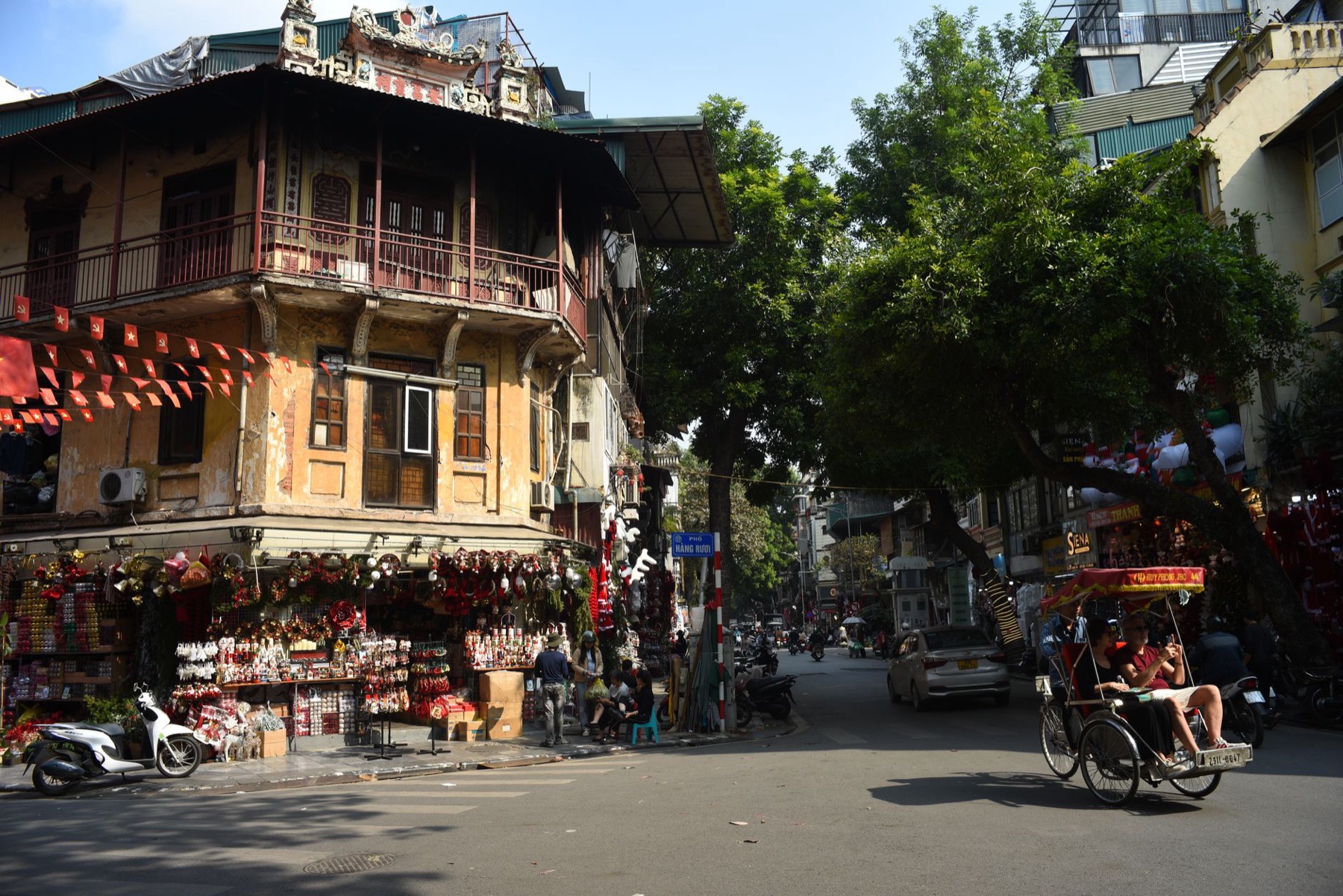
Old Quarter (Hoàn Kiếm District, around Tạ Hiến & Hàng Mạc): Narrow lanes named after trades (Hàng Gà = chicken lane, Hàng Bông = cotton). Peak hours: 7–11 a.m. for locals, 6–10 p.m. for tourists. Expect: grease, noise, joy, zero personal space. Skip if you need quiet; go for pho at dawn or street snacks (grilled fish cake, bánh mì) after 5 p.m.
Hoàn Kiếm Lakeside (Hoàn Kiếm District): Tree-lined promenade, historic Hoan Kiem Lake. Best at sunrise (5:30–7 a.m.): tai chi, runners, vendors selling lotus seeds. Thăng Long Water Puppet Theatre (Dinh Le Street, on the lake's west edge) runs shows nightly except some Mondays. Tourist-friendly but genuine.
French Quarter (Hoàn Kiếm & Ba Đình Districts, Tràng Tiền & Hàng Khay area): Colonial architecture, cafés, boutiques. Weekend strollers, not crowds. Safer, cleaner, less atmospheric than Old Quarter—good for tired mornings.
Tây Hồ (West Lake) & Trúc Bạch Lake: Cycling paths, temples (Trấn Quốc—oldest pagoda in Hanoi, founded 541—sits on a Trúc Bạch inlet). Quieter, family-paced. Rent bicycles near Tây Hồ Market for around 50,000–70,000 VND (roughly $2–3 USD) per day.
Ba Đình District (Ho Chi Minh Mausoleum area): Monumental, formal, weekend queues. Worth one morning if you have a full three days; otherwise, skip.
What to Eat & How Much It Costs
| Dish | Where | Rough Cost (VND) | USD | Notes |
|---|---|---|---|---|
| Phở (bowl) | Any street stall, Old Quarter | 30,000–50,000 | $1.20–2 | Best 6–8 a.m. |
| Bún chả (grilled meat & noodles) | Hàng Manh alley or Bát Đàn Street | 40,000–70,000 | $1.60–2.80 | Lunch classic, dip in broth. |
| Cốm (sticky rice with corn) | Mobile vendors, Hoàn Kiếm Lake perimeter | 15,000–25,000 | $0.60–1 | Seasonal (Aug–Oct). Sweet, gritty. |
| Egg coffee | Giang Café & clones, Old Quarter | 50,000–80,000 | $2–3.20 | Whipped egg yolk on espresso. Tourist now; try once. |
| Bánh mì (sandwiches) | Street carts, all districts | 25,000–45,000 | $1–1.80 | Pâté, pickled veg. Breakfast staple. |
| Fresh sugar cane juice | Market stalls | 20,000–35,000 | $0.80–1.40 | Pressed on-site. Hydrating but sweet. |
Honest angle: Most tourists overpay by eating in air-conditioned "tourist phở" shops. Street stalls near Hang Manh, Bát Đàn, and Ngõ Gạo serve locals, cleaner prep (higher turnover), and half the price. Bring stomach confidence or take a probiotic. Weekend breakfasts (6–9 a.m.) are packed; eat with crowds or eat alone at 5 p.m.
📸 Book an ao dai photoshoot in Hanoi or Saigon (Cáo Studio)
How to Visit Temples Without Tour Groups
Trấn Quốc Pagoda (Tây Hồ District, western edge of Trúc Bạch Lake): Hanoi's oldest, calm mornings before 9 a.m., busier 10 a.m.–4 p.m. Small entrance donation (no fixed price; locals give 10,000–20,000 VND / $0.40–0.80). Climb to the central stupa for lake views. Go Saturday or Sunday morning.
Mỹ Đức Pagoda (Đống Đa District, west of downtown): Less touristed, active meditation hall, donation-based. Weekday quieter; weekends see local families.
One Pillar Pagoda (Ba Đình District): Historical (founded 1049), restored, always crowded. Tiny wooden structure on a single stone pillar. Go early (7–8 a.m.) to avoid post-breakfast groups. Skip if you've seen photos; add 30 minutes if curious.
Tip: Wear pants and covered shoulders. No shoes inside. Photography usually okay but ask first. Donations are voluntary; 20,000–50,000 VND ($0.80–2) is respectful.
Craft Workshops & Markets to Actually Learn Something
Bát Tràng Ceramics Village (Gia Lâm District, ~20 km south): Saturday–Sunday morning mini-courses teach hand-spinning clay, glazing, kiln-loading. Tour groups arrive 10 a.m.–12 p.m.; go before 9 a.m. or after 2 p.m. Local pottery studios offer 2–3 hour sessions (around 200,000–400,000 VND / $8–16 USD, includes tea and finished piece). No fancy branding; ask your hotel for a driver or take a taxi (around 150,000 VND / $6 USD one-way from central Hanoi). Friday afternoon is quietest.
Hang Gai Street (Hoàn Kiếm District): Silk and embroidery shops, some with tailors. Weekend browsing is slow; weekday appointments get fittings done faster. Prices for ao dai tailoring range 500,000–2,000,000 VND ($20–80 USD) depending on fabric complexity; expect fittings over 3–5 days.
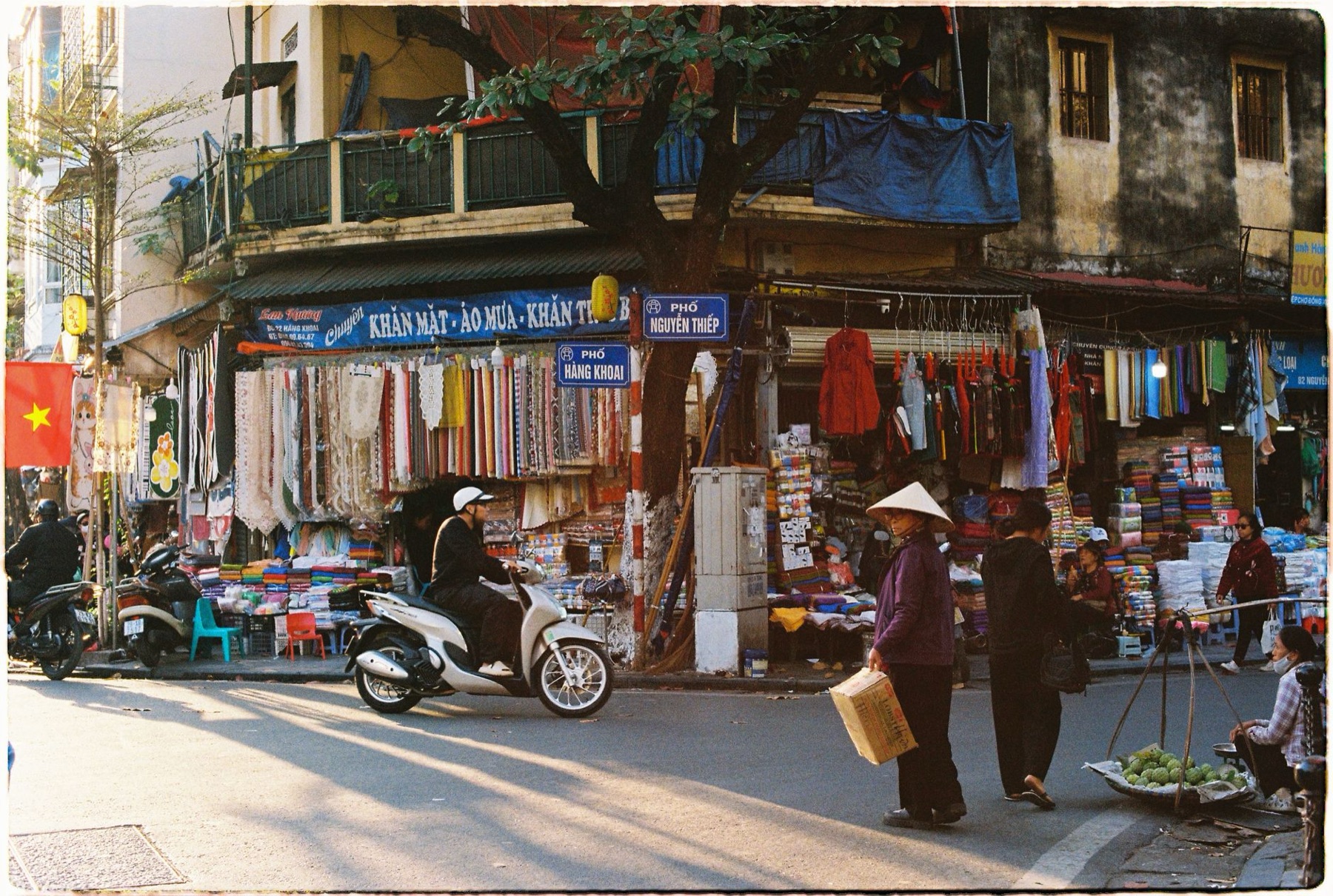
Dong Xuan Market (Hoàn Kiếm District, northern edge of Old Quarter): Wholesale chaos on weekends. Textiles, dried herbs, flowers (especially Saturday 7–9 a.m.). Local prices; haggle lightly. Good for sourcing gifts without tourist markup—see below.
Comparison: Which Hanoi souvenirs actually work?
| Item | Where to Find | Why It Works | Pitfall |
|---|---|---|---|
| Hand-thrown ceramic bowls (from Bát Tràng) | Ceramics workshops, craft galleries | Personal, breakable (feels real), speaks to craft | Shipping fragile; DIY or pay for packing |
| Silk scarves or ao dai fabric | Hang Gai Street, silk shops | Wearable, light, authentic quality if you know cotton-vs-synthetic | Tourist-marked-up; buy at Dong Xuan at 1/3 price |
| Lacquerware boxes or trays | Galleries near Hoan Kiem (Ba Trang Street area) | High-gloss, long-lasting, functional | Often made in China; check origin with shopkeeper |
| Fresh or dried coffee beans (Central Highlands origin) | Street markets, café shops | Iconic Vietnam product, travel-friendly, giftsable | Quality varies wildly; buy only from roasters who show origin |
| Embroidered wall hangings (small, under 30 cm) | Craft galleries, Hang Gai | Lightweight, colorful, minimal breakage risk | Fugato stitching; inspect seams for loose threads |
🗺️ Plan your route: Vietnam itinerary
How to Spend a Full Saturday Without Wasting 6 Hours in Queues
6:00–7:30 a.m.: Tai chi by Hoàn Kiếm Lake (west side, free, arrive and watch or join loosely). Then pho at a corner stall nearby (30 minutes, ~40,000 VND).
8:00–10:00 a.m.: Walk through Old Quarter via Ngõ Gạo and Hàng Manh (no entry fees, just walk). Buy a bánh mì from a cart for breakfast-snack (25,000 VND).
10:30 a.m.–12:30 p.m.: Trấn Quóc Pagoda or Mỹ Đức Pagoda (1 hour transport + 1 hour at site, small donation). Or: browse Hang Gai Street silk shops if you prefer staying central (60 minutes).
1:00–3:00 p.m.: Lunch at a local restaurant (bún chả place in Bát Đàn, 45 minutes including meal) or rest at your accommodation. Midday heat peaks; siesta is wise.
3:30–5:30 p.m.: Museum visit (Museum of Ethnology in Cầu Giấy District, 50,000 VND entry ~$2, closed Mondays) or Bát Tràng ceramics workshop if you booked ahead. Or: cycle around Tây Hồ + Trúc Bạch Lake if museums feel heavy.
6:00–8:00 p.m.: Dinner in Old Quarter; street food or sit-down. Aim for 5:30–6:00 p.m. start to beat the rush.
8:00 p.m. onward: Water puppet show at Thăng Long (Dinh Le Street, ~75,000 VND / $3 USD per ticket, 60 minutes) if energy remains, or walk the lake lit up, then return to accommodation.
Cost for one person, full day: ~400,000–600,000 VND (~$16–24 USD), excluding accommodation and souvenirs.
What to Skip (Honest Takes)
Hanoi Hilton (Hỏa Lò Prison Museum): Historical weight but often disappointing; narrow basement cells, English signage thin. Only worth if you're deep into Vietnam War history. Crowded weekends. Skip if you have <2 full days.
Mausoleum queues (Ho Chi Minh): Can exceed 2 hours Saturday–Sunday. Dress code strict (knees, shoulders covered). Interior feels controlled, sterile. Meaningful to some; for others, a box-check. Go if you're staying 4+ days.
"Night market" tourist trap near Hoàn Kiếm (Friday–Saturday): Fake goods, inflated prices, pickpocket alerts. Skip entirely. Real markets (Dong Xuan, Hang Da) run daily and are cheaper.
Generic cyclo (cycle-taxi) tours: Predictable script, mediocre food stops, overpriced. Rent a bicycle yourself or walk instead.
What to Check Before You Go (Practical Checklist)
- [ ] Confirm temples are open (some close for renovations; call your hotel 24 hours ahead).
- [ ] Check weather (May–Sept can be 35°C / 95°F+ and humid; rainy June–August).
- [ ] Book ceramics workshops or ao dai photoshoots by Thursday if you're arriving Friday.
- [ ] Bring small cash (many stalls and temples don't accept cards; ATMs are reliable but slow on weekends).
- [ ] Download offline maps; Hanoi's alleyways are unmarked and GPS gets confused.
- [ ] Wear slip-on shoes (you'll remove them often in temples and homes).
🎟️ Compare tours & tickets for this place
If you're staying longer, read our full Hanoi guide and consider day trips: Ninh Binh (100 km, karst scenery), Ha Long Bay (overnight cruises), or Sapa for mountain minority villages. Want to extend your trip? Vietnam itinerary planner helps string multiple cities together. Heading south? Ho Chi Minh City and Hoi An offer different weekend rhythms.
Souvenirs & Gifts: For travelers in your life, Hanoi's best exports are hand-thrown ceramics, silk textiles, and coffee. Browse our collections of personalized keepsakes and Vietnam-inspired gifts to ship home. Custom items like engraved wooden boxes or star map prints ship free over $35 USD to most countries in 5–10 days; 30-day returns apply.
📸 Book an ao dai photoshoot in Hanoi or Saigon (Cáo Studio)
FAQ
Is Hanoi safe for solo weekend trips?
Yes. Old Quarter, Hoàn Kiếm, and French Quarter are well-trafficked and low-crime. Watch bags in crowded markets; avoid unlit alleys after 11 p.m. Ride-hailing apps (Grab) are safer than hailing taxis on street. Petty theft and scams target careless tourists, not residents.
How much should I budget per day for food, transport, and activities?
Street food and local transport cost 300,000–500,000 VND ($12–20 USD) daily. Add 100,000–200,000 VND ($4–8 USD) for one temple/museum entry and 150,000 VND ($6 USD) for a taxi ride. Mid-range restaurants cost 150,000–250,000 VND ($6–10 USD) per meal. Budget-friendly weekends run $25–40 USD per person excluding accommodation.
What's the best time to visit Hanoi—Friday evening or Saturday morning?
Saturday morning (6–10 a.m.) is quietest for temples, tai chi, and local breakfast. Friday evening is best for street food buzz and restaurant energy. Sundays turn sleepy by 3 p.m. If you arrive Friday p.m., eat street food; Saturday morning, do temples; Sunday, rest or day-trip.
Do I need to book activities in advance, or walk-up only?
Street food, temples, and lake walks are always accessible. Ceramics workshops, ao dai photoshoots, and water puppet shows need 24–48 hours' notice; weekend slots fill up. Book by Thursday for a Friday–Sunday visit.
Should I hire a guide or explore alone?
Alone is cheaper and more rewarding if you speak minimal Vietnamese and can read maps. Guides (60–80 USD per day) help with logistics, history, and introductions to family-run food stops. For first-time solo travelers nervous about transport, a half-day guide (morning temples, food tour) is a good compromise.
FAQ
Is Hanoi safe for solo weekend trips?
Yes. Old Quarter, Hoàn Kiếm, and French Quarter are well-trafficked and low-crime. Watch bags in crowded markets; avoid unlit alleys after 11 p.m. Ride-hailing apps (Grab) are safer than hailing taxis on street. Petty theft and scams target careless tourists, not residents.
How much should I budget per day for food, transport, and activities?
Street food and local transport cost 300,000–500,000 VND ($12–20 USD) daily. Add 100,000–200,000 VND ($4–8 USD) for one temple/museum entry and 150,000 VND ($6 USD) for a taxi ride. Mid-range restaurants cost 150,000–250,000 VND ($6–10 USD) per meal. Budget-friendly weekends run $25–40 USD per person excluding accommodation.
What's the best time to visit Hanoi—Friday evening or Saturday morning?
Saturday morning (6–10 a.m.) is quietest for temples, tai chi, and local breakfast. Friday evening is best for street food buzz and restaurant energy. Sundays turn sleepy by 3 p.m. If you arrive Friday p.m., eat street food; Saturday morning, do temples; Sunday, rest or day-trip.
Do I need to book activities in advance, or walk-up only?
Street food, temples, and lake walks are always accessible. Ceramics workshops, ao dai photoshoots, and water puppet shows need 24–48 hours' notice; weekend slots fill up. Book by Thursday for a Friday–Sunday visit.
Should I hire a guide or explore alone?
Alone is cheaper and more rewarding if you speak minimal Vietnamese and can read maps. Guides (60–80 USD per day) help with logistics, history, and introductions to family-run food stops. For first-time solo travelers nervous about transport, a half-day guide (morning temples, food tour) is a good compromise.