Hanoi · Things to do
Things to Do in Hanoi Vietnam: 11 Real Activities Beyond Tourist Traps
By Wander in Vietnam editorial team · Hanoi, Vietnam
Hanoi's appeal lies not in single landmarks but in layered, neighborhood-bound rituals. Most visitors waste time in overcrowded tour queues; instead, we build a week around what the city actually is: a street-food capital, a spiritual hub, and a city that breathes differently at dawn than at dusk.
What's Worth Your Time in Hanoi's Old Quarter?
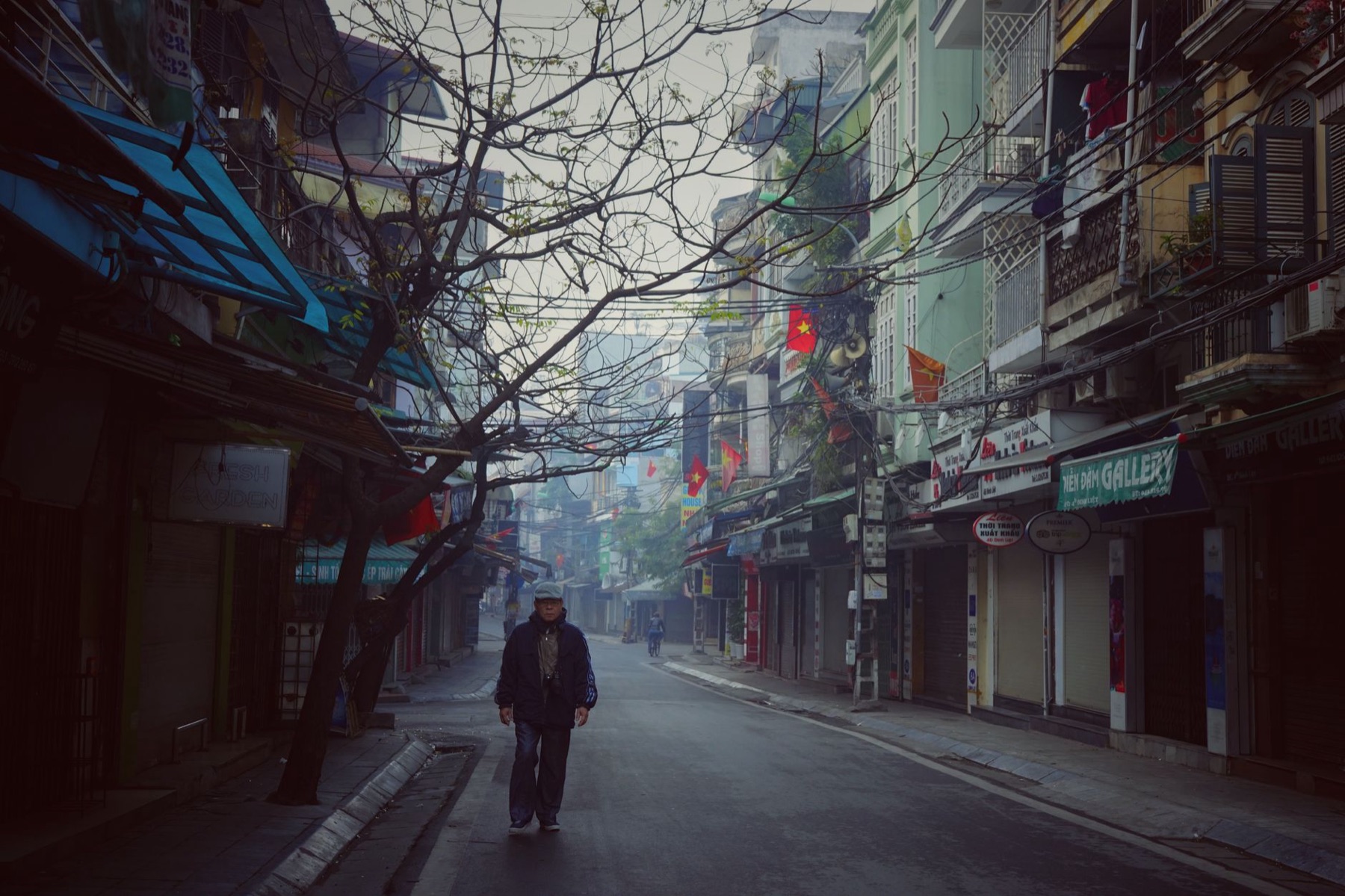
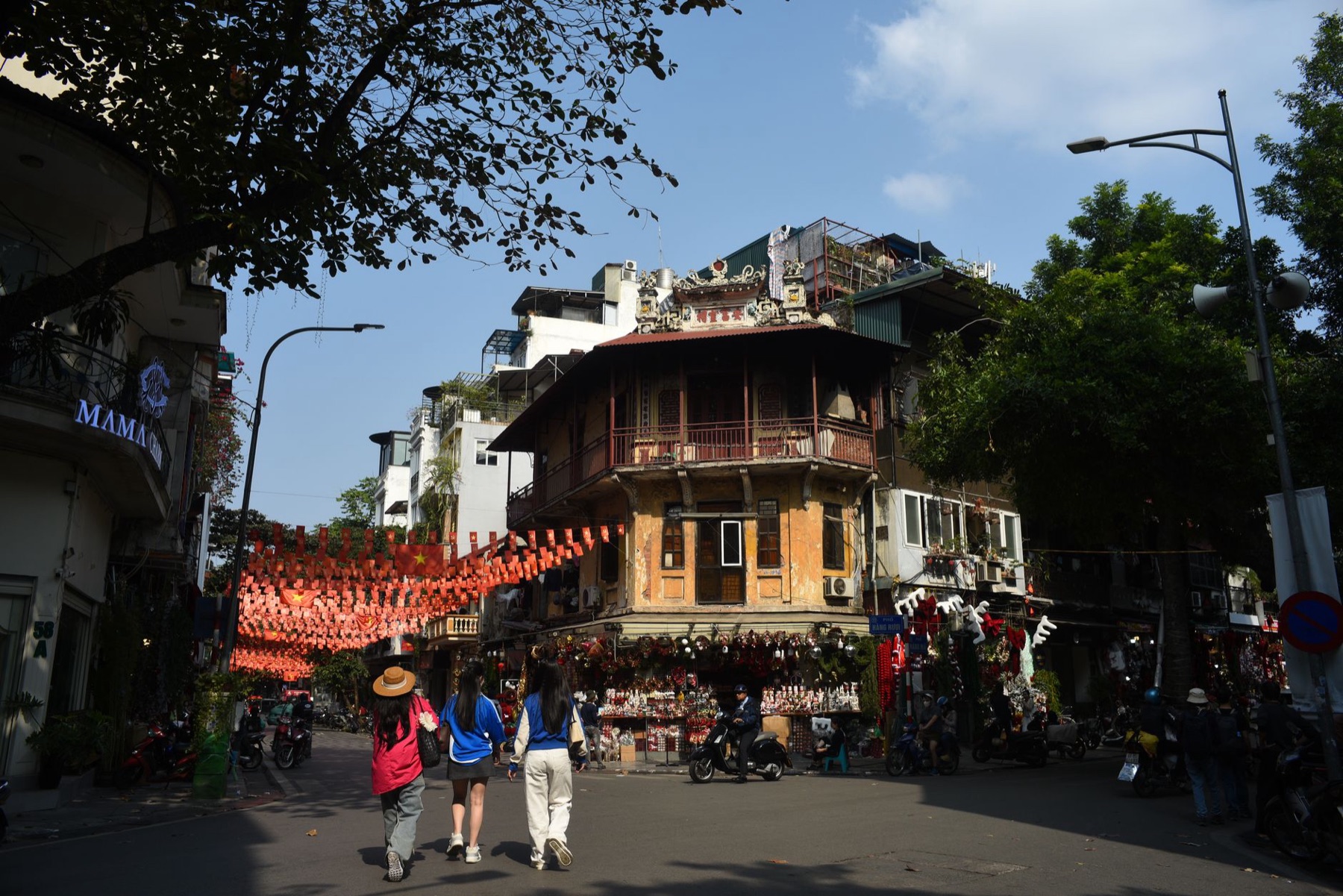
The Old Quarter (36 Pho Hang Dao, Hoan Kiem District) is a warren of narrow streets named after the goods once sold there—Silver Street, Silk Street, Tin Street. Yes, it's touristy now, but only during midday hours (10 a.m.–4 p.m.). Early morning (6–8 a.m.) reveals the real district: locals on motorcycles, street vendors setting up noodle carts, teenagers heading to school.
Wander the alleys on foot. Skip the "cyclo tour" touts; they charge around 300,000–500,000 VND ($12–20 USD) for a 30-minute ride designed to drop you at commission-paying silk shops. Instead, explore Pho Hang Dao, Pho Hang Chieu, and Pho Hang Bac without a guide. Stop for bánh cuốn (steamed rice rolls) at any street stall—usually 20,000–30,000 VND ($0.80–1.20 USD).
The Old Quarter works best as a breakfast or early-lunch destination, not an all-day zone. By evening, the backpacker bar scene takes over and the neighborhood loses character.
Should You Book a Water Puppet Show?
Water puppetry is authentic Vietnamese theater, not a tourist invention, though commercialization has diluted its charm. Thang Long Water Puppet Theatre (Pho Dinh Tien Hoang, near Hoan Kiem Lake) is the main venue; tickets run around 100,000–120,000 VND ($4–5 USD) for standard seating.
Go for the craft, not the narrative—the plot (usually mythical tales or farm scenes) takes a backseat to watching puppeteers manipulate wooden figures through water. Shows last 45 minutes. Arrive 15 minutes early; the theater is cramped and poorly ventilated, and late arrivals sit behind pillars.
Skip premium packages that bundle dinner—the restaurant charges triple standard rates. Eat before or after at a neighborhood pho joint instead. The 8:15 p.m. show is less crowded than the 7 p.m. slot on weekends.
🗺️ Plan your route: Vietnam itinerary
Why Visit Hoan Kiem Lake at Sunrise, Not Sunset?
Hoan Kiem Lake is beautiful but packed with tour groups by 5 p.m. Sunrise (5:30–6:30 a.m., year-round) is when locals do tai chi, older couples walk laps, and the light is soft. No vendors, no crowds, no hassle.
Walk the full perimeter (about 1.5 km, 20 minutes) or sit on the eastern shore near the Turtle Tower. Bring a notebook; the silence is rare in Hanoi. Cost: free. Grab coffee (around 20,000–30,000 VND/$0.80–1.20 USD) at any café spilling onto the sidewalk afterward.
The sunset myth persists because it photographs better, but you'll be elbow-to-elbow with selfie sticks. Dawn rewards early risers with an actual memory.
Street Food Tours: Pay a Guide or DIY?
A guided street food tour runs around 800,000–1.2 million VND ($32–48 USD) for 3 hours and includes 5–7 stops plus a guide's commentary. DIY costs around 200,000 VND ($8 USD) and you control the pace.
| Experience | Best for | Cost (VND) | USD | Why it works |
|---|---|---|---|---|
| Guided night food tour | First-time visitors, group energy | 800k–1.2M | $32–48 | Expert stories, language help |
| DIY Old Quarter crawl | Repeat visitors, foodies | 200k–400k | $8–16 | Personal pace, no commission stops |
| Home cooking class + market tour | Hands-on learners | 1–1.5M | $40–60 | Market haggling skills, take recipes |
| Walking food tour at dawn | Adventurous, early risers | 600k–900k | $24–36 | Fewer tourists, fresher ingredients |
The truth: guides earn commissions at restaurants. Reputable ones (ask your hotel) separate markup from the tour cost; cheaper tours hide it in meal prices.
Go DIY if you speak some Vietnamese or have neighborhood-specific cravings. Go guided if it's your first visit and you want cultural context, not just calories.
📸 Book an ao dai photoshoot in Hanoi or Saigon (Cáo Studio)
Which Temples Reward a Visit?
Temples fall into two categories: spiritual (Hanoi residents actually pray there) and tourist-focused (entry fee, souvenir shop, loudspeaker announcements).
Spiritual and worth time:
- Tran Quoc Pagoda (Thanh Tran, Tay Ho District): Hanoi's oldest pagoda, sits on a peninsula in West Lake with minimal tour traffic. No entry fee. Go on weekday mornings.
- Temple of Literature (Van Mieu, Dong Da District): Honors Confucius, used as Vietnam's first university. Around 30,000 VND ($1.20 USD) entry. Come before 9 a.m. to avoid school groups.
Skippable:
- One Pillar Pagoda (Ho Tay, Ba Dinh District): A wooden structure rebuilt so many times it's lost historical authenticity. Entry around 25,000 VND ($1 USD). The queue is longer than the actual pagoda.
Avoid temples during Tet (late January/early February) unless you plan a full spiritual visit. Tourist-season (September–October) temple visits feel rushed.
Is a Ha Long Bay Overnight Worth the Drive?
Ha Long Bay (160 km northeast, 3–4 hours by car) is spectacular but often mismanaged by budget tour operators. Overnight cruises run 1.5–3 million VND ($60–120 USD) depending on boat quality. Many visitors report cramped cabins, mediocre food, and seasickness.
Consider a day trip instead: depart Hanoi 7 a.m., return by 9 p.m., skip the overnight gamble. Or, if you have three days, go to Ninh Binh (2 hours south) instead—similar karst scenery, no cruise-ship crowds, better for cycling and kayaking. See our Ninh Binh guide for details.
Ha Long works for multi-day itineraries; for shorter Hanoi stays, it's a time-soak. Plan accordingly via our Vietnam itinerary tool.
What About Egg Coffee, Really?
Egg coffee (cà phê trứng) is a Hanoi invention from the 1950s: a shot of dark robusta coffee topped with a meringue made from egg yolk, condensed milk, and sugar. Cost: around 40,000–60,000 VND ($1.60–2.40 USD) per cup.
Verdict: It's novelty with charm. Taste it once, preferably at a hole-in-the-wall café in the Old Quarter (not a branded "Egg Coffee House"). The best versions have silky, not-too-sweet foam and strong, bitter coffee underneath. Avoid chain cafés that treat it like a gimmick.
If you're shopping for Hanoi-themed gifts, look for specialty coffee gift sets that include roasted Vietnamese beans and a brewing guide—more practical than the drink itself. Browse our artisan gift collections for curated keepsakes.
🎟️ Compare tours & tickets for this place
Cyclo Tours: Scam or Authentic?
A cyclo (human-powered rickshaw) tour costs around 300,000–600,000 VND ($12–24 USD) for 45 minutes. The scam: drivers take you to textile shops, jewelry stores, or lacquerware shops where they collect 30–50% commission, and you pay inflated prices.
How to avoid it:
- Agree on a route and price before boarding (in writing or on your phone).
- Say "no shops" firmly at the start; reiterate after each stop.
- Use app-based services (Grab, Bee) instead—drivers have accountability and no commission incentive.
- Go early morning when drivers need fares and fewer tourists are around.
Cyclos are best used for 15-minute scenic spins (Hoan Kiem Lake to the French Quarter) rather than hour-long "tours." The ride's charm fades quickly; the back pain doesn't.
Day Trips Beyond Ha Long: Ninh Binh vs. Sapa
Ninh Binh (100 km south, 2 hours by car):
- Karst mountains, kayaking, cycling through villages.
- One day is feasible; two is ideal.
- Around 500k–1.2M VND ($20–48 USD) for a guided group tour.
- See Ninh Binh guide.
Sapa (320 km northwest, 5 hours by train or 6 hours by car):
- Mountain trekking, rice terraces, tribal villages.
- Minimum two days; three is standard.
- Around 1–2M VND ($40–80 USD) for a guide.
- See Sapa guide.
For a Hanoi base trip (1–3 days), Ninh Binh is better. For a deeper immersion, Sapa rewards an overnight or two.
Before You Book Any Hanoi Activity
What to check:
- Is it included in your travel insurance (especially trekking or water activities)?
- What's the cancellation policy if weather turns bad?
- Do you need Vietnamese e-visa extension for extra days?
- Have you checked eSIM options if your phone loses signal on tours?
- Does the tour operator speak English, or will you communicate via a guide app?
Pro tip: If you're staying multiple days, invest in a local SIM or eSIM (around 50,000–100,000 VND/$2–4 USD for data) before booking. You'll avoid the "lost tour group" panic and can call directly if plans change.
Consider a professional ao dai photoshoot (Cáo Studio offers half-day sessions in Hanoi) to capture memories in traditional Vietnamese dress while exploring neighborhoods like the French Quarter or Old Quarter.
---
Real Hanoi is in the small moments: a banh mi from a nameless stall, a park tai chi session at 6 a.m., a temple visit when a bell rings and nobody else is around. Tours and guides have value, but only if you control the agenda. Wander in Vietnam's ethos is slow, intentional exploration—that's what separates a Hanoi trip from a box-ticking vacation.
---
FAQ
How many days do I need in Hanoi?
Three days captures Old Quarter food, temple visits, and lake walks without rushing. Two days covers essentials; five allows day trips to Ninh Binh or a slower pace with neighborhoods you'd otherwise skip.
What's the cheapest way to get around?
Walking (free) for Old Quarter and French Quarter; grab motorbike taxi (Grab app, around 20k–40k VND/$0.80–1.60 USD per ride) for longer distances. Avoid tuktuks and cyclos unless you want tourist convenience.
When's the best time to visit Hanoi?
October–November and March–April have mild weather (18–25°C). Avoid July–August (hot, humid, 30+°C), and January–February (cool but gray, Tet chaos). September sees fewer tourists and lower prices.
Do I need a guide, or can I explore solo?
Solo is fine if you speak basic English or have translation app. Guides add cultural depth and safety; hire reputable ones (ask hotels, avoid street touts). First-time visitors benefit from a guide for one day, then solo exploration.
Is street food in Hanoi safe?
High-turnover stalls (busy noodle stands) are safest; avoid undercooked meats and unpeeled fruit. Eat where locals eat. If your stomach is sensitive, start cautiously or take probiotics. Drink bottled water; ice is usually safe at tourist-area restaurants but risky at small stalls.
What's a realistic budget for daily activities in Hanoi?
Budget around 500k–1M VND ($20–40 USD) per day including meals, temples, and one tour. Luxury tours and restaurants double or triple this. Street food, free walks, and sunrise activities keep costs low.
FAQ
How many days do I need in Hanoi?
Three days captures Old Quarter food, temple visits, and lake walks without rushing. Two days covers essentials; five allows day trips to Ninh Binh or a slower pace with neighborhoods you'd otherwise skip.
What's the cheapest way to get around?
Walking (free) for Old Quarter and French Quarter; grab motorbike taxi (Grab app, around 20k–40k VND/$0.80–1.60 USD per ride) for longer distances. Avoid tuktuks and cyclos unless you want tourist convenience.
When's the best time to visit Hanoi?
October–November and March–April have mild weather (18–25°C). Avoid July–August (hot, humid, 30+°C), and January–February (cool but gray, Tet chaos). September sees fewer tourists and lower prices.
Do I need a guide, or can I explore solo?
Solo is fine if you speak basic English or have translation app. Guides add cultural depth and safety; hire reputable ones (ask hotels, avoid street touts). First-time visitors benefit from a guide for one day, then solo exploration.
Is street food in Hanoi safe?
High-turnover stalls (busy noodle stands) are safest; avoid undercooked meats and unpeeled fruit. Eat where locals eat. If your stomach is sensitive, start cautiously or take probiotics. Drink bottled water; ice is usually safe at tourist-area restaurants but risky at small stalls.
What's a realistic budget for daily activities in Hanoi?
Budget around 500k–1M VND ($20–40 USD) per day including meals, temples, and one tour. Luxury tours and restaurants double or triple this. Street food, free walks, and sunrise activities keep costs low.
More: Hanoi guide · Things to do in Hanoi