Hanoi · Things to do
Things to Do in Hanoi Vietnam: 30 Unmissable Attractions & Local Tips
By Wander in Vietnam editorial team · Hanoi, Vietnam
Hanoi is exhausting, magical, maddening, and utterly worth every chaotic minute. The capital has no single "must-see" moment—it's a collection of smaller discoveries: incense smoke curling through 800-year-old temple courtyards, cyclo drivers navigating impossibly narrow lanes, street vendors setting up their 5 a.m. noodle stalls. We've spent years navigating this city and filtering through the hype. Here's what actually moves the needle.
What's actually free or nearly free to see in Hanoi?
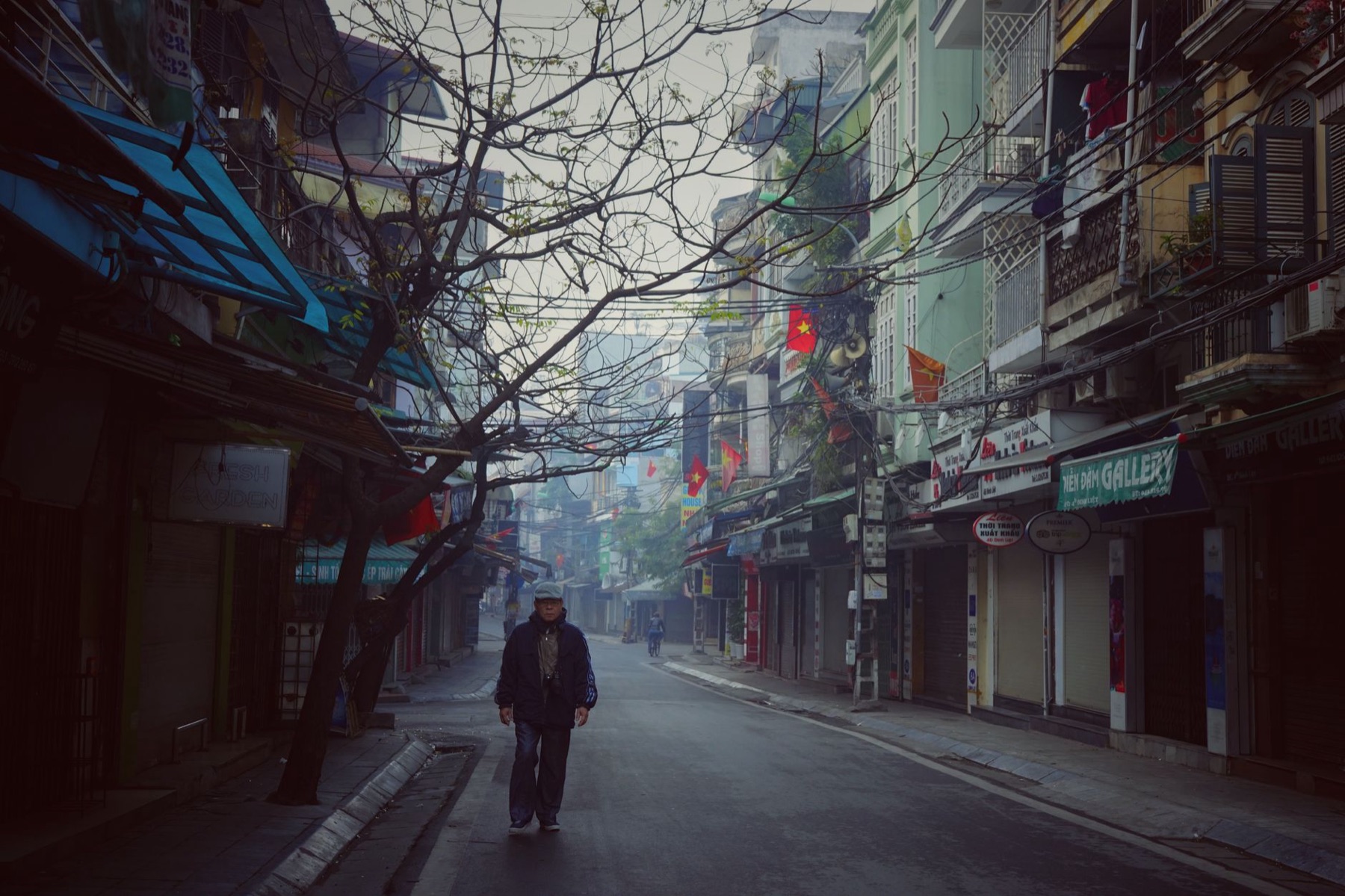
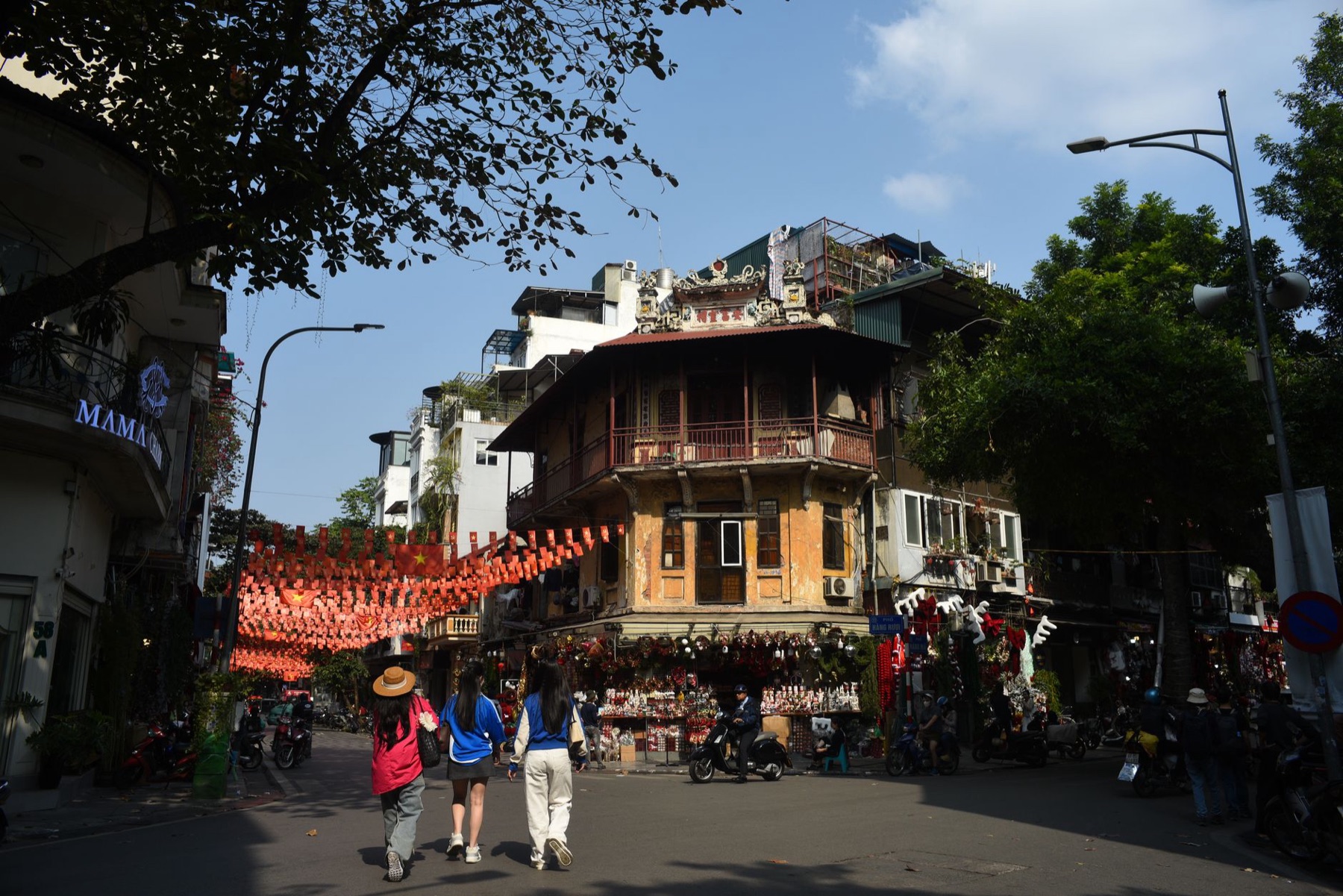
Many of Hanoi's best experiences cost nothing. Hoan Kiem Lake sits at the city's heart—walk its perimeter at dawn when locals practice tai chi and joggers claim the pavement. The lake's Turtle Tower is visible from the shore; most tourists pay to cross to Jade Island, but the views from the promenade are identical. Stroll through the Old Quarter's narrow lanes (36 Pho Hang Ngang area) early morning before motorbike traffic peaks. The French Quarter's tree-lined colonial streets and yellow-shuttered colonial villas cost zero to wander. Visit Tran Temple (Tran Hung Dao district) during morning incense hours—free entry, profound atmosphere, genuinely spiritual rather than performative.
Expect to spend around 0 VND ($0–2) to simply exist in these spaces. Hotels often charge 50,000–100,000 VND ($2–4) for temple entry if you book a guide; go alone and walk in freely.
Which museums and cultural sites are overrated vs. worth the trip?
The Ho Chi Minh Mausoleum complex (Ba Dinh Square) draws enormous queues for limited rewards. Lines stretch 2–3 hours; Ho Chi Minh himself is rarely visible (body preservation requires seasonal closures). The surrounding grounds—Presidential Palace exterior, One Pillar Pagoda, Ho Chi Minh Museum—offer richer, less-crowded engagement. Budget 200,000 VND ($8–10) and go very early (gates open 8 a.m. Tue–Thu, 7:30 a.m. Sat–Sun; closed Mon and Fri).
The Vietnam Military History Museum (Dien Bien Phu district) is genuinely excellent and overlooked. French tank wreckage, aircraft debris, and honest documentation of conflict without heavy propaganda. Entry around 50,000 VND ($2–3). Go mid-week; weekends flood with school groups. The Women's Museum (Tran Hung Dao district) offers nuanced storytelling on gender, tradition, and war—far better curated than most Southeast Asia museums. Around 100,000 VND ($4–5) entry.
Skip: the "Hanoi Hilton" Hoa Lo Prison Museum if you're museum-fatigued. Claustrophobic, repetitive, and the real history is more complex than the display suggests.
| Attraction | Best for | Rough time | Why bother or skip |
|---|---|---|---|
| Hoan Kiem Lake walk | Morning tai chi, free peace | 1 hour | Free, peaceful, locals not tourists |
| Ho Chi Minh Mausoleum | Cold War history, architecture | 2–3 hours (mostly queue) | Skip unless you're history-obsessed |
| Military History Museum | Honest conflict documentation | 1.5 hours | Underrated, few crowds mid-week |
| Old Quarter street food tour | Tasting local breakfast | 2–3 hours | Best at 6–8 a.m., guide helps navigate |
| Water puppetry (Thang Long) | Traditional art form | 1 hour show + travel | Genuinely unique, book online to skip ticket queue |
| Women's Museum | Gender and war stories | 1–2 hours | Thoughtful, less touristy than expected |
🗺️ Plan your route: Vietnam itinerary
What are the best neighborhood walks and how do you avoid the tourist traps?
The Old Quarter (36 streets, each named for a trade: Hang Gai = silk, Hang Dao = silk dyeing) is crowded but worth 2–3 early-morning hours before 9 a.m. Walk Pho Hang Ngang, Pho Hang Bac, Pho Hang Gai before vendor shutters fully open. Eat pho at family stalls where grandmothers are cooking, not restaurants with laminated menus and English signs.
Ba Dinh district (west of the Old Quarter) feels 50 years quieter. Tree-lined avenues, French villas, locals on bicycles. Walk Kim Ma, Tran Phu streets at any hour—no tourism infrastructure, entirely real.
The Hoan Kiem Lake perimeter: Trang Tien plaza area attracts pickpockets and aggressive cyclo drivers. Walk the eastern shore instead (Pho Dinh Le side)—fewer tourists, cleaner, same views.
Scams to avoid:
- Cyclo drivers claiming meters are broken, quoting 500,000 VND ($20+) for short trips. Agree on price before mounting. A genuine 2 km ride is 80,000–120,000 VND ($3–5).
- "Friendly locals" steering you to family restaurants, silk shops, or tailors—they earn commission and prices are inflated 200–400%.
- Free tea tastings that lead to coercive sales. Say no firmly; sellers won't pursue.
- Street sellers with fake antiques claiming "special tourist price." Nothing is a bargain; everything is marked up.
Where should you eat and what's actually worth the hype?
Pho: forget Pho Thin (tourist trap with queues). Eat at any stall in the Old Quarter where locals are sitting on plastic stools at 6 a.m. A bowl is 40,000–60,000 VND ($1.50–2.50).
Bun cha (grilled pork with noodles): Hang Manh street, anywhere with a charcoal grill and grandmothers grilling. Around 50,000–80,000 VND ($2–3).
Egg coffee (cà phê trứng): iconic but touristy. If you try it, go to a café in the Old Quarter's Hang Gai area (not the overpriced tourist-trap cafés). Around 60,000–80,000 VND ($2.50–3.50).
Fresh spring rolls from street vendors: 20,000–40,000 VND ($0.80–1.50) for a pair. Buy from stalls with high turnover, not restaurants.
Bun oc (snail noodle soup) in Thanh Cong area: 60,000 VND ($2.50–3). Pungent, acquired taste, beloved locally.
Skip: "premium" restaurants claiming to reinvent pho or bun cha for Western palates. Traditional street food is the best version.
📸 Book an ao dai photoshoot in Hanoi or Saigon (Cáo Studio)
Which temples and pagodas reward an early morning visit?
Wake at 5:30 a.m. and visit temples during incense time. Most tourists arrive at 10–11 a.m. to empty courtyards; the morning energy is entirely different.
Tran Temple (Tran Hung Dao district): 800 years old, still active. Locals praying, incense thick, genuine spiritual practice. Free entry. Go 6–7 a.m.
One Pillar Pagoda (Ba Dinh): architecturally bizarre (literally one column supporting a small shrine). Smaller and less hyped than the Mausoleum complex across the street. 30,000 VND ($1–1.50) entry. 7 a.m. is ideal.
Quan Thanh Temple (Tran Phu street, Ba Dinh): overlooked, serene, giant bronze statue of Tran Hung Dao inside. Locals, not tourists. 10,000–20,000 VND ($0.50–1) or free (depends on monk on duty).
Hang Pagoda (Hang Gai street, Old Quarter): active Buddhist temple above and within a cave-like entrance. 20,000 VND ($1). Cramped, atmospheric, genuinely eerie.
Avoid: Perfume Pagoda (Hang Mua district, outside city). Two-hour drive, cable car, boat ride, 2-hour hike. Overbooked, overpriced, feels like a theme park. Unless you have time for an all-day excursion, skip it.
How should you navigate water puppetry and is it worth the cost?
Water puppetry (Múa rối nước) is Vietnam's only indigenous art form. Puppeteers stand behind a screen in waist-deep water, manipulating wooden figures via poles and strings. It's hypnotic, usually 45–60 minutes of short skits with live traditional music.
Thang Long Theatre (Dinh Tien Hoang, Old Quarter edge): the main venue, restored. Shows run nightly, usually 6 p.m. and 8 p.m. Around 200,000–300,000 VND ($8–12) for standard tickets, depending on seat. Book online via their website to skip ticket-line queues and secure better seats.
Tran's Water Puppet Theatre (smaller, Ba Dinh): cozier, less touristy feel, shorter shows. Around 150,000–200,000 VND ($6–8).
Is it worth it? Absolutely yes, but only if you book in advance. Walk-ups get back-row seats and lower energy. The experience is genuinely Vietnamese, not manufactured tourism. Don't skip it expecting to "catch a performance"—seats fill days ahead.
Arrive 15 minutes early; theaters have no air-con and fill with humidity and incense smoke. Dress for heat.
🎟️ Compare tours & tickets for this place
What should you check before committing to a tour or day trip?
Hanoi offers hundreds of tours: Old Quarter food tours, Halong Bay overnight cruises, motorbike tours to Ninh Binh, cooking classes. Before booking:
- Verify the company's actual Hanoi office or phone number. Many "companies" are just Facebook pages. Call or visit in person. Prices should be transparent, not "upon inquiry."
- Ask exact group size and if it's a fixed departure. Tours with 15+ people move like herds. Smaller groups (4–8) allow flexibility and real local interaction.
- Check what's included. "Includes lunch" might mean one rice dish. Ask what you'll actually eat.
- Confirm transportation. Do you share a minibus or private car? Motorbike tours are thrilling but physically demanding; know your tolerance.
- Read recent reviews on independent sites (TripAdvisor, Google), not the company's own website. Look for mentions of hard-sell shops (commission kickbacks).
- Ask about the guide's background. Some guides are historians or locals; others are enthusiasts with minimal training. Find out.
Our favorite half-day option: hire a grab bike (motorbike taxi app) and tell the driver "I want to see local breakfast, a pagoda, and a neighborhood walk." It costs 150,000–250,000 VND ($6–10) for a few hours and is far more responsive than a group tour.
What to check before you book or go
- Timing: Most Hanoi attractions open 8 a.m.–5 p.m.; temples often 6 a.m.–6 p.m. Summers (May–Sept) are brutally hot and humid; February–March is ideal.
- Weather: Rainy season is May–September. Carry a lightweight poncho, not an umbrella (motorbike fumes).
- Transport: Download Grab app (Uber-like). Taxis are cheaper (flagged at 10,000 VND/$0.40 start) but less safe if you don't speak Vietnamese.
- Guides: Book through reputable companies or ask your hotel for referrals; solo travelers should consider a half-day guide to decode older temples or neighborhoods.
- eSIM/data: Get a Vietnam eSIM or local SIM; Google Maps and Grab require data. Mobile is 4G+ reliable in the city.
- Visa: Most visitors need a Vietnam e-visa (online, 3–7 days). US, EU, UK citizens get 90 days; many other nationalities get 30.
---
Planning beyond Hanoi?
After a few days in the capital, many travelers head south. Check out our guides to Ha Long Bay (overnight cruises, stunning limestone karsts), Ninh Binh (smaller-scale Halong feel, easier on budget), and Hoi An (ancient town, tailors, more relaxed pace). Or skip south entirely and explore Sapa (hill tribes, rice terraces, a cooler altitude).
Return to our main Hanoi guide for accommodation and practical tips.
📸 Book an ao dai photoshoot in Hanoi or Saigon (Cáo Studio) | 🗺️ Plan your route: Vietnam itinerary | 🎟️ Compare tours & tickets for this place
---
FAQ
How many days should I spend in Hanoi?
3–4 days minimum (temple mornings, Old Quarter exploration, water puppetry, one museum, street food tastings). One day is rushed; two days captures highlights but misses neighborhood depth. A week lets you absorb the chaos and find your rhythm.
Is Hanoi safe for solo travelers or families?
Hanoi is very safe for crime, but chaotic and stressful. Solo travelers handle the sensory overload fine; families with young kids may find traffic, pollution, and crowds taxing. Stay hydrated, book reliable transport (Grab, not hailed taxis), and avoid evening rides through congested areas.
What's the actual cost of visiting Hanoi for three days?
Budget 50,000–150,000 VND per day ($2–6) for food, 30,000–50,000 VND ($1–2) for one museum, 200,000 VND ($8) for water puppetry. Accommodation varies wildly: hostels 150,000–300,000 VND ($6–12), mid-range hotels 600,000–1,200,000 VND ($25–50). A realistic 3-day trip costs $40–100 per person (food, transport, one major activity), not including lodging.
Do I need a guide or can I explore alone?
Explore alone for neighborhoods and temples. Hire a guide for museum context or if you want to visit lesser-known sites (they navigate alleys and locate spots tourists don't find). A half-day guide costs 400,000–600,000 VND ($16–25) and is worth it once.
What's the best time to visit Hanoi?
October–March is ideal (cool, dry, 15–25°C). April is HOT; May–September is suffocating humidity and monsoon rain. December–February can drop to 8–12°C; bring a light jacket. Avoid Tet (lunar new year, late Jan/early Feb)—shops close, prices spike, streets jam with holiday travel.
FAQ
How many days should I spend in Hanoi?
3–4 days minimum (temple mornings, Old Quarter exploration, water puppetry, one museum, street food tastings). One day is rushed; two days captures highlights but misses neighborhood depth. A week lets you absorb the chaos and find your rhythm.
Is Hanoi safe for solo travelers or families?
Hanoi is very safe for crime, but chaotic and stressful. Solo travelers handle the sensory overload fine; families with young kids may find traffic, pollution, and crowds taxing. Stay hydrated, book reliable transport (Grab, not hailed taxis), and avoid evening rides through congested areas.
What's the actual cost of visiting Hanoi for three days?
Budget 50,000–150,000 VND per day ($2–6) for food, 30,000–50,000 VND ($1–2) for one museum, 200,000 VND ($8) for water puppetry. Accommodation varies wildly: hostels 150,000–300,000 VND ($6–12), mid-range hotels 600,000–1,200,000 VND ($25–50). A realistic 3-day trip costs $40–100 per person (food, transport, one major activity), not including lodging.
Do I need a guide or can I explore alone?
Explore alone for neighborhoods and temples. Hire a guide for museum context or if you want to visit lesser-known sites (they navigate alleys and locate spots tourists don't find). A half-day guide costs 400,000–600,000 VND ($16–25) and is worth it once.
What's the best time to visit Hanoi?
October–March is ideal (cool, dry, 15–25°C). April is HOT; May–September is suffocating humidity and monsoon rain. December–February can drop to 8–12°C; bring a light jacket. Avoid Tet (lunar new year, late Jan/early Feb)—shops close, prices spike, streets jam with holiday travel.
More: Hanoi guide · Things to do in Hanoi