Hanoi · Things to do
Things to Do in Hanoi Vietnam: Local's 2026 Guide
By Wander in Vietnam editorial team · Hanoi, Vietnam
Hanoi is chaos that works. Motorbikes honk, vendors shout, tourists get lost—and that's exactly why people fall in love with it. But not all "things to do" are worth your time, and we'll tell you which ones drain your hours for Instagram alone.
We've lived here long enough to separate genuine experiences from packaged tourist theater. This guide answers what actually fills a Hanoi day well, where to go, how much it costs, and what gifts let you bring that energy home.
Which Old Quarter Streets Still Feel Authentic in 2026?
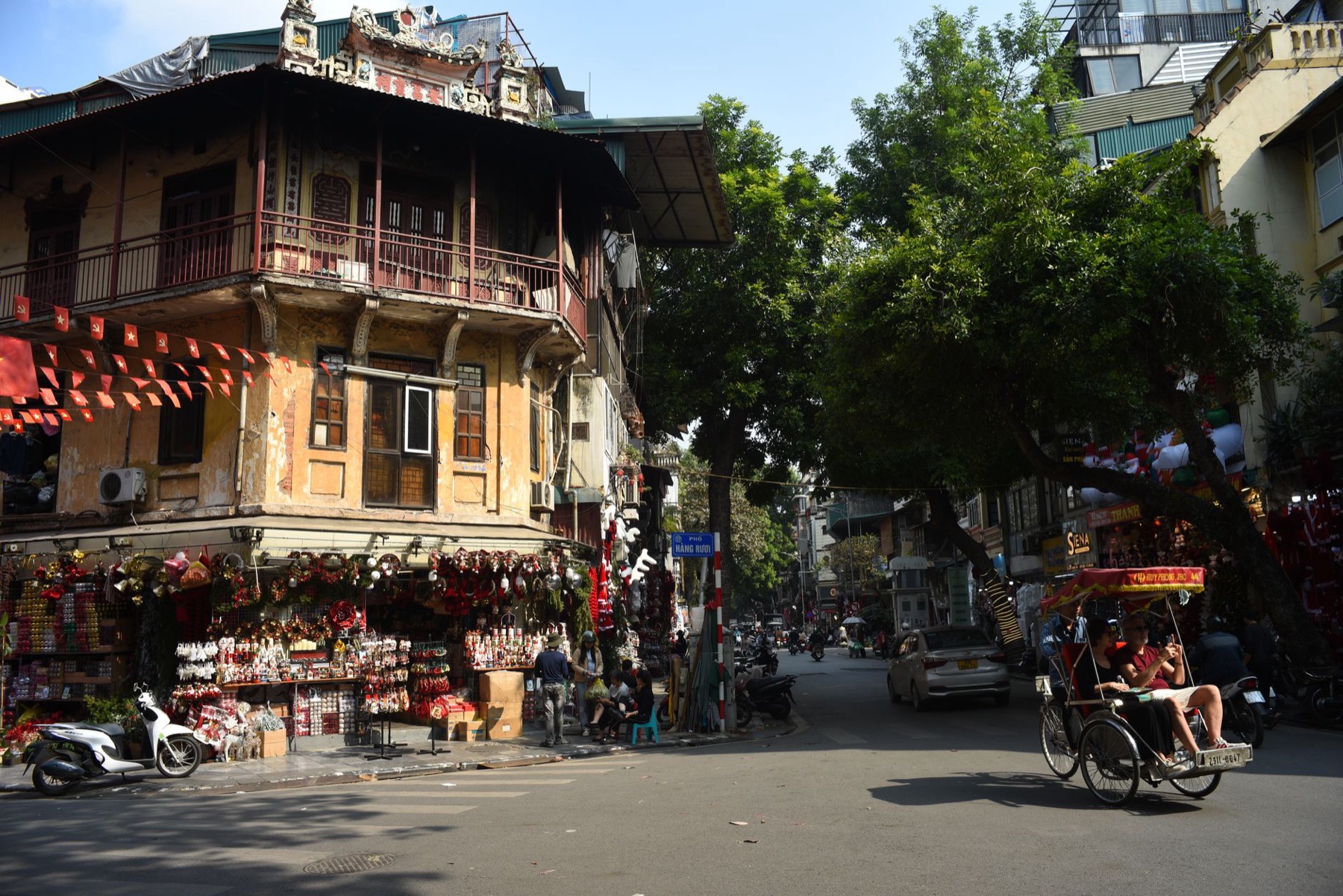
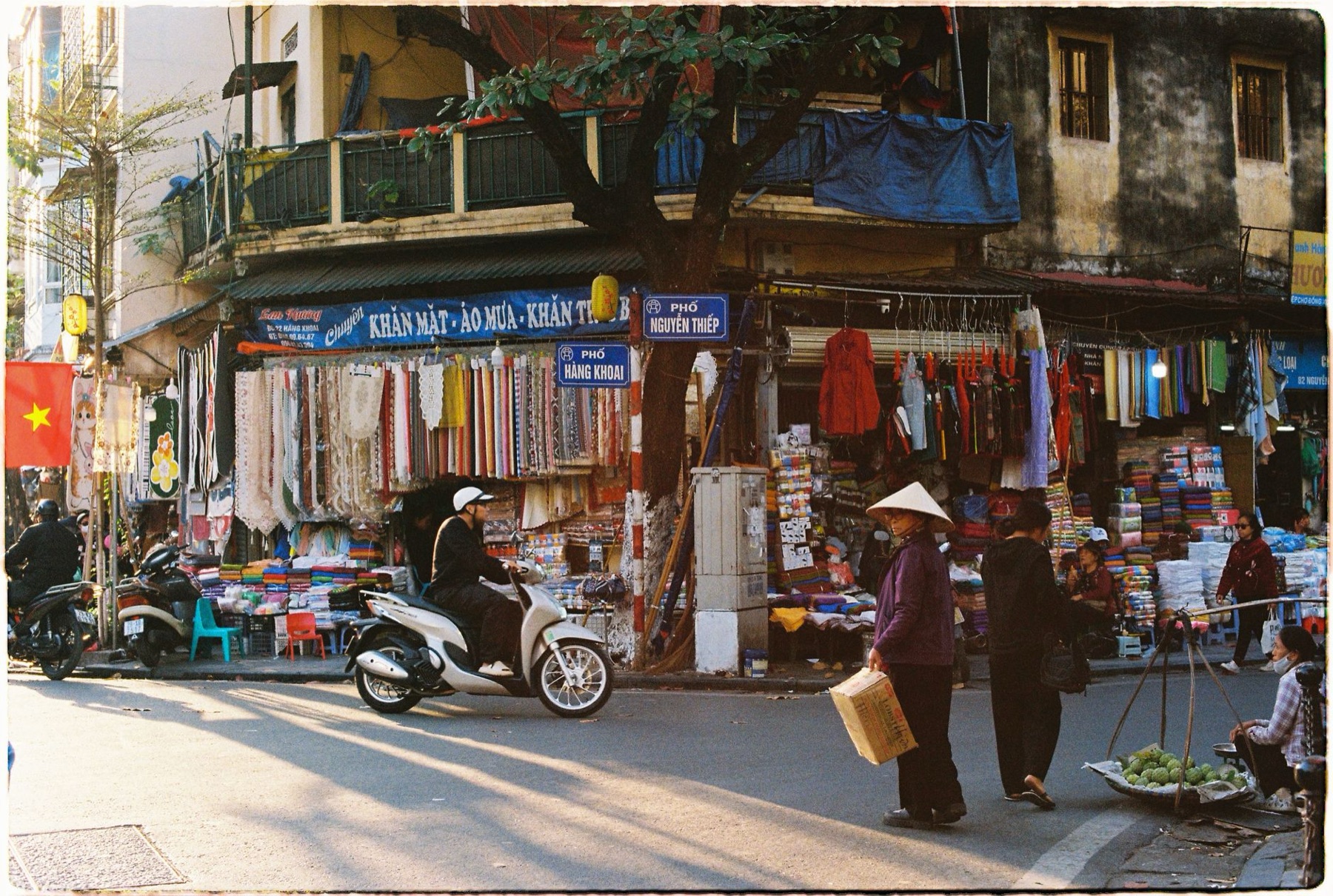
The Old Quarter (Hoan Kiem district, around Hang Dao and Hang Ngang) is packed with tourists, but pockets remain real. Hang Dieu (silk street) and Hang Gia (spice street) still smell like the trades they've sold for centuries. Don't miss the smaller lanes: Hang Buom, Hang Be, Ta Hien's quieter northern fork. Expect chaotic foot traffic, narrow sidewalks, and vendors eyeing your wallet hard.
Skip the "cyclo tours" marketed heavily in the Old Quarter—they're slow, overpriced (around 200,000–300,000 VND / $8–12 USD for 45 minutes), and you'll see the same streets twice. Instead, walk at dawn (5:30–7 a.m.) when locals are out and tourists are asleep. Cost: free.
The best souvenir from the Old Quarter? A silk or textile piece from a family-run shop, not a stall. Real silk scarves run 150,000–500,000 VND ($6–20 USD), and the vendor will tell you exactly where it's woven.
What Makes Hoan Kiem Lake Worth an Early Morning?
Hoan Kiem Lake (True Lake) in central Hanoi is postcard-perfect at dawn. Around 5:30–6:30 a.m., the water is still, locals do tai chi on the banks, and the Turtle Tower catches the first light. By 8 a.m., tour groups arrive and the magic dies. The walk around the lake takes 45 minutes (free).
The Temple of the Jade Mountain (Ngoc Son Temple) on the north shore opens at 8 a.m. (around 30,000 VND / $1.20 USD entry). It's tiny but genuinely peaceful inside. Photography tip: shoot from the red bridge at 6 a.m. before crowds gather.
Bring a camera or phone with a good battery. Skip the overpriced lakeside cafés (charged 80,000–120,000 VND / $3–5 USD for mediocre iced coffee) and grab pho from a street stall instead (30,000–50,000 VND / $1.20–2 USD).
📸 Book an ao dai photoshoot in Hanoi or Saigon (Cáo Studio)
Is the Ho Chi Minh Mausoleum Complex a Must, or Tourist Overload?
The Mausoleum complex (Ba Dinh district, west of the Old Quarter) is historically significant but operationally frustrating. Ho Chi Minh's embalmed body lies in a concrete mausoleum guarded by soldiers. Hours are limited (8–11 a.m., 1–4 p.m.; closed Mondays and Fridays). Entry is free, but you must wear long sleeves and trousers (no shorts, no photos inside).
Expect security screening and dense crowds, especially 8:30–10 a.m. The experience takes 20–30 minutes. Many visitors find it sterile compared to the nearby Presidential Palace gardens (around 150,000 VND / $6 USD, open 9:30 a.m.–11 a.m. and 1–4 p.m.).
Our honest take: Go if you're interested in Vietnamese history. Skip if you want to maximize sightseeing time and prefer temples or nature. The one-pillar pagoda (Chua Mot Cot) nearby is far more visually rewarding and less crowded.
Where Do Water Puppet Shows Deliver Real Value (and Where Do They Disappoint)?
Water puppet theatre (Roi Nuoc) is uniquely Vietnamese—puppets dance on water while a live band plays. The Thang Long Water Puppet Theatre (Dinh Tien Hoang Street, near Hoan Kiem Lake) is the main tourist venue. Shows run 15–30 minutes at 9 a.m., 3 p.m., and 8 p.m. Tickets cost around 200,000–300,000 VND ($8–12 USD).
The real value: Early morning shows have fewer tourists. The craftsmanship is genuinely impressive, and the bamboo-and-wood puppets date back centuries. The disappointment: You'll forget the plot within an hour. It's a 20-minute novelty, not a life-changing event. Go once if water puppetry interests you; don't repeat it.
A better experience? Watch a rehearsal at a smaller workshop (if you can arrange one through a local guide) or visit the Water Puppetry Museum nearby to understand the craft history first.
What's the Honest Scoop on Street Food Tours?
Street food tours run nightly. A half-day tour (2–3 hours) costs around 400,000–600,000 VND ($16–24 USD) and includes 5–7 stops: pho, banh mi, spring rolls, fried snail, Vietnamese desserts, coffee. You'll eat well and meet other travelers. The best operators cap groups at 8 people and avoid the tourist-trap Old Quarter lanes.
What works: Morning or late-afternoon tours (fewer crowds than evening). Small-group tours with a local guide who eats the same food (not just watching). Tours that finish by 5 p.m. so you can return to your accommodation comfortably.
What disappoints: Large bus tours (20+ people) that stop at "famous" stalls packed with tourists. Tours that skip the real residential neighborhoods (like Hang Dao's northern fork or the backstreets of Ba Dinh) where locals eat.
Our recommendation: Skip the tour altogether and do it yourself. Learn five essential dishes (pho, banh mi, com tam, che, ca phe sua), walk to a street stall, sit on a plastic stool, eat, move on. Cost: around 150,000–250,000 VND ($6–10 USD) for a full meal. You'll eat fresher food, support locals directly, and feel less herded.
| Activity | Duration | Realistic Cost (VND / USD) | Best For | Why It Works |
|---|---|---|---|---|
| Old Quarter walk at dawn | 1–2 hours | Free | Photographers, early risers | Quiet streets, authentic pace |
| Hoan Kiem Lake + Jade Pagoda | 1.5 hours | 30,000 / $1.20 | Everyone | Central, free walking, cultural landmark |
| Mausoleum complex | 30 mins | Free | History buffs | Unique access, strict but brief |
| Water puppet show | 30 mins + travel | 200,000–300,000 / $8–12 | First-timers | UNESCO art form, one-time novelty |
| DIY street food crawl | 1–2 hours | 150,000–250,000 / $6–10 | Foodie travelers | Cheapest, most authentic, no pressure |
🗺️ Plan your route: Vietnam itinerary
What Day Trips Beat Staying in Central Hanoi?
Ha Long Bay (3–4 hours by coach): UNESCO limestone karsts, overnight cruises, limestone caves. Worth 1–2 days if you haven't seen it. Learn more about Ha Long Bay.
Ninh Binh (2–3 hours by coach): Mistier, less crowded than Ha Long. Tam Coc boat ride through rice paddies, Hang Mua hike with views. Often better value. Explore Ninh Binh.
Sapa (overnight train north or 4 hours by flight): Mountain town, rice terraces, minority villages, cool weather. Best June–September. Check Sapa guide.
Our take: A 1–2 day trip to Ninh Binh or Ha Long adds variety. Sapa requires at least 2 days to justify the journey. Don't day-trip from Hanoi to Sapa—it's 12 hours round-trip on a train, exhausting and inefficient.
How to Stay Connected Without Tourist Overcharges
Buy an eSIM or local SIM card before or upon arrival. Vietnam eSIM guide explains speeds and costs. Avoid airport phone-shop markup; grab a SIM at a 7-Eleven or FPT shop in the Old Quarter (50,000–100,000 VND / $2–4 USD for a starter pack). Data is fast and cheap (around 50,000 VND / $2 USD for 7 days of unlimited 4G).
Gifts That Actually Remind You of Hanoi (Not Generic Souvenirs)
After experiencing Hanoi's texture—the lacquer work, the water puppets, the colonial architecture, the morning lake calm—you'll want to bring that energy home.
Lacquerware items (bowls, trays, boxes): Hand-painted lacquer from artisans in the Old Quarter or Ba Dinh district. Prices range from 200,000–1,000,000+ VND ($8–40+ USD) depending on size and detail. These are durable, beautiful, and genuinely Vietnamese.
Silk scarves or ao dai fabric: Ba Tria silk shops and Hang Dieu vendors sell rolls and finished pieces. Real silk runs 200,000–500,000 VND ($8–20 USD) per scarf. Pair with a custom ao dai photoshoot to immortalize the experience.
Water puppet figurines: Smaller wooden puppets (not the 3-meter performance ones) make meaningful gifts. Around 150,000–400,000 VND ($6–16 USD). Bought directly from artisan studios or reputable shops, not tourist stalls.
Ceramic or porcelain pieces: Bat Trang pottery village (outside central Hanoi) produces hand-thrown ceramics. A small bowl or mug: 50,000–200,000 VND ($2–8 USD). Larger pieces: up to 1,000,000+ VND ($40+ USD). Transport carefully; wrap well before shipping.
Personalized gifts: Star map prints of Hanoi's night sky (the date you visited), custom illustrated maps of your favorite neighborhoods, or engraved wooden boxes. Browse personalized collections to capture your trip's exact dates and locations.
Coffee or tea: Vietnamese coffee beans or oolong tea from northern regions. Around 100,000–300,000 VND ($4–12 USD) per bag. Lighter, more portable than ceramics, equally memorable.
🎟️ Compare tours & tickets for this place
What to Check Before You Buy a Hanoi Souvenir (Or a Gift for Someone Else)
- Material and durability: Lacquer, silk, and ceramics last decades if handled well. Cheap plastic tourist items fall apart. Ask the vendor how old the craft is (genuine artisans know).
- Authenticity markers: Real lacquerware has weight and a smooth finish. Real silk feels cool and has a subtle sheen. Bat Trang ceramics have slight hand-thrown irregularities (not perfect symmetry). Fakes feel thin, cheap, or overly uniform.
- Shipping safety: Ceramics and lacquerware crack easily. Use bubble wrap, ship in sturdy boxes, and insure for replacement cost. Silks and coffee ship without issue.
- Price sanity check: Don't pay 500,000 VND ($20 USD) for a lacquer box in the Old Quarter tourist trap when the same artisan charges 250,000 VND ($10 USD) two lanes over. Compare prices across neighborhoods, not just tourist hubs.
- Support the right people: Buy directly from artisans or family-run shops (Hang Dieu silk, Ba Tria craft stalls) rather than middleman tourist shops. Your money goes further and to the actual craftspeople.
- Customs and transport: Check home country import rules for certain woods, plant materials, or animal-derived items (some silk production may involve concerns). Lacquerware and ceramics are typically unrestricted.
Real Talk: What Most Guides Won't Tell You About Hanoi
Traffic is genuinely dangerous: Cross streets slowly, never run, and walk predictably. Drivers (mostly motorbike riders) navigate around you if you move with intention. Sudden stops or backward steps cause collisions.
Pickpocketing happens: Crowded markets, Hoan Kiem Lake at night, and crowded bus routes are theft hotspots. Keep valuables in front pockets or a crossbody bag. Don't leave phones on café tables.
Haggling isn't expected everywhere: Markets yes, shops with price tags no. Pushing a price down 10–20% is normal in Hang Dieu or Ben Thanh market (if you're buying multiple items). In fixed-price shops, haggling annoys vendors and wastes time.
"Free tours" aren't free: Walking tours advertised as "free" rely on tips of 300,000–500,000 VND ($12–20 USD) per person or more. Budget accordingly. Genuine free walking tours are rare in central Hanoi.
Tourist police exist for a reason: If you're scammed or harassed, find a tourist police officer (they wear white armbands). They're genuinely helpful and speak English.
Plan Your Full Vietnam Trip
Hanoi is the jumping-off point for the entire country. Check our Vietnam itinerary planner to map multi-city trips, understand visa and eSIM logistics, and time your visits for weather and local festivals.
For context on other major cities:
- Ho Chi Minh City guide (southern energy, War Remnants Museum, Saigon River nightlife)
- Hoi An guide (ancient charm, yellow lanterns, tailored ao dai)
Need visa info? Vietnam e-visa guide walks you through online applications and processing times.
Want an unforgettable photo memory? Book an ao dai photoshoot with Cáo Studio in Hanoi—professional makeup, hair, and cultural costume included. Same team operates in Saigon too.
Last-minute flower delivery for someone at home? Hoa Lang Thang ships fresh arrangements from Hanoi to the US and select countries. A post-trip thank-you gift with a Hanoi touch.
---
FAQ
How many days in Hanoi is ideal?
Two full days minimum (Old Quarter, Hoan Kiem Lake, one cultural site). Three to four days lets you add a water puppet show, street food deep dive, and a day trip to Ninh Binh or Ha Long Bay. Five+ days allows slower pacing and neighborhood exploration beyond tourist zones.
Is Hanoi safe for solo travelers?
Yes, generally very safe. Use standard city precautions: avoid isolated alleys after midnight, keep valuables secured, and don't flash expensive items. Women and men report feeling comfortable exploring neighborhoods during daylight. Tourist police assist if needed.
What's the best time to visit Hanoi?
October–November and March–April offer cool, dry weather. December–February is chilly (10–15°C) but pleasant for walking. May–September is hot, humid, and rainy. June–August is monsoon season; avoid if possible.
How much cash do I need daily in Hanoi?
Budget around 400,000–800,000 VND ($16–32 USD) per day for street food, local transport, and basic sightseeing. Add 300,000–500,000 VND ($12–20 USD) for sit-down meals or paid attractions. Many stalls are cash-only; ATMs are everywhere in the Old Quarter and central districts.
Should I book tours in advance or find them in Hanoi?
Walk-up tours and booking in-person are cheaper and flexible. Day-of cancellations are easy. Book Ha Long Bay or Sapa tours in advance (1–2 days ahead) to secure good rates and avoid last-minute vendor desperation pricing.
Do I need a tour guide for the Old Quarter, or can I self-explore?
Self-exploration works fine; many get lost, which is half the charm. A half-day guided walk (around 300,000–400,000 VND / $12–16 USD) helps you understand history and avoid dead ends. Balance independence with one structured tour if history interests you.
FAQ
How many days in Hanoi is ideal?
Two full days minimum (Old Quarter, Hoan Kiem Lake, one cultural site). Three to four days lets you add a water puppet show, street food deep dive, and a day trip to Ninh Binh or Ha Long Bay. Five+ days allows slower pacing and neighborhood exploration beyond tourist zones.
Is Hanoi safe for solo travelers?
Yes, generally very safe. Use standard city precautions: avoid isolated alleys after midnight, keep valuables secured, and don't flash expensive items. Women and men report feeling comfortable exploring neighborhoods during daylight. Tourist police assist if needed.
What's the best time to visit Hanoi?
October–November and March–April offer cool, dry weather. December–February is chilly (10–15°C) but pleasant for walking. May–September is hot, humid, and rainy. June–August is monsoon season; avoid if possible.
How much cash do I need daily in Hanoi?
Budget around 400,000–800,000 VND ($16–32 USD) per day for street food, local transport, and basic sightseeing. Add 300,000–500,000 VND ($12–20 USD) for sit-down meals or paid attractions. Many stalls are cash-only; ATMs are everywhere in the Old Quarter and central districts.
Should I book tours in advance or find them in Hanoi?
Walk-up tours and booking in-person are cheaper and flexible. Day-of cancellations are easy. Book Ha Long Bay or Sapa tours in advance (1–2 days ahead) to secure good rates and avoid last-minute vendor desperation pricing.
Do I need a tour guide for the Old Quarter, or can I self-explore?
Self-exploration works fine; many get lost, which is half the charm. A half-day guided walk (around 300,000–400,000 VND / $12–16 USD) helps you understand history and avoid dead ends. Balance independence with one structured tour if history interests you.
More: Hanoi guide · Things to do in Hanoi