Hanoi · Things to do
Things to Do in Hanoi Vietnam: Local's Guide 2026
By Wander in Vietnam editorial team · Hanoi, Vietnam
Why does Hanoi feel so different from other Southeast Asian capitals?
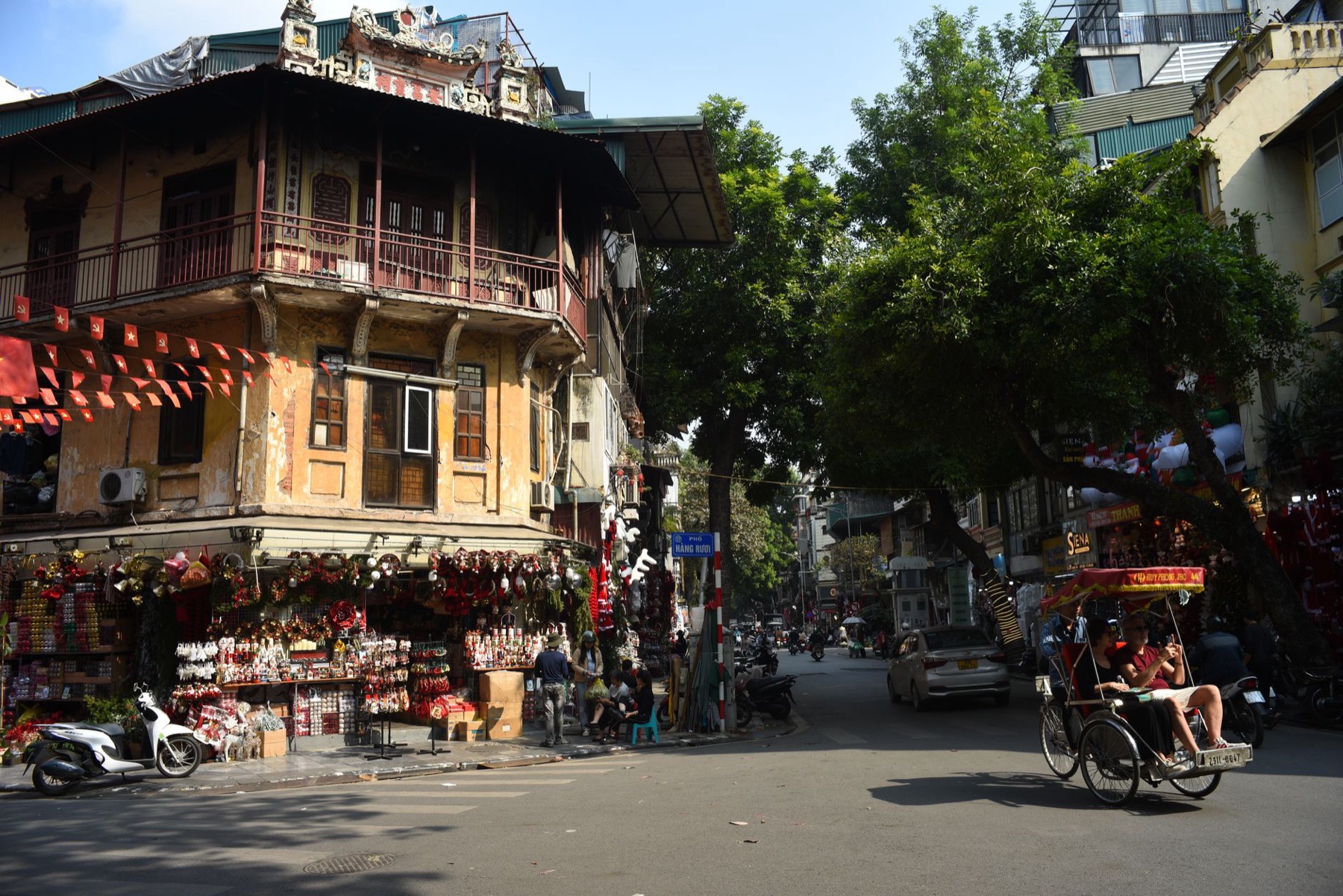
Hanoi's DNA runs deeper than Bangkok or Ho Chi Minh City. French colonial infrastructure sits layered over Buddhist temples, Soviet-era apartment blocks, and centuries-old family shophouses. The Old Quarter (Hoàn Kiếm district) feels chaotic by design—motorbikes navigate streets so narrow four people can barely stand abreast. Walking here at dusk, watching neon signs flicker above silk-seller shops their families have run for three generations, you understand why people come back.
The city demands you abandon schedules. Food stalls open at specific hours (bún chả at 10 a.m., bánh mì at 6 a.m.), then vanish. Temples close mid-afternoon for cleaning. Markets peak at dawn. This unpredictability is the point—it forces you to observe, ask locals, and stumble into moments tourists rarely photograph.
What should I actually do on day one in Hanoi?
Start early—before 7 a.m.—at Hoan Kiem Lake in the city center. Locals jog, practice tai chi, and eat phở on plastic stools. No entry fee. Walk across the red Huc Bridge to Ngoc Son Temple (small donation expected, around 20,000–50,000 VND / $1–2.50 USD).
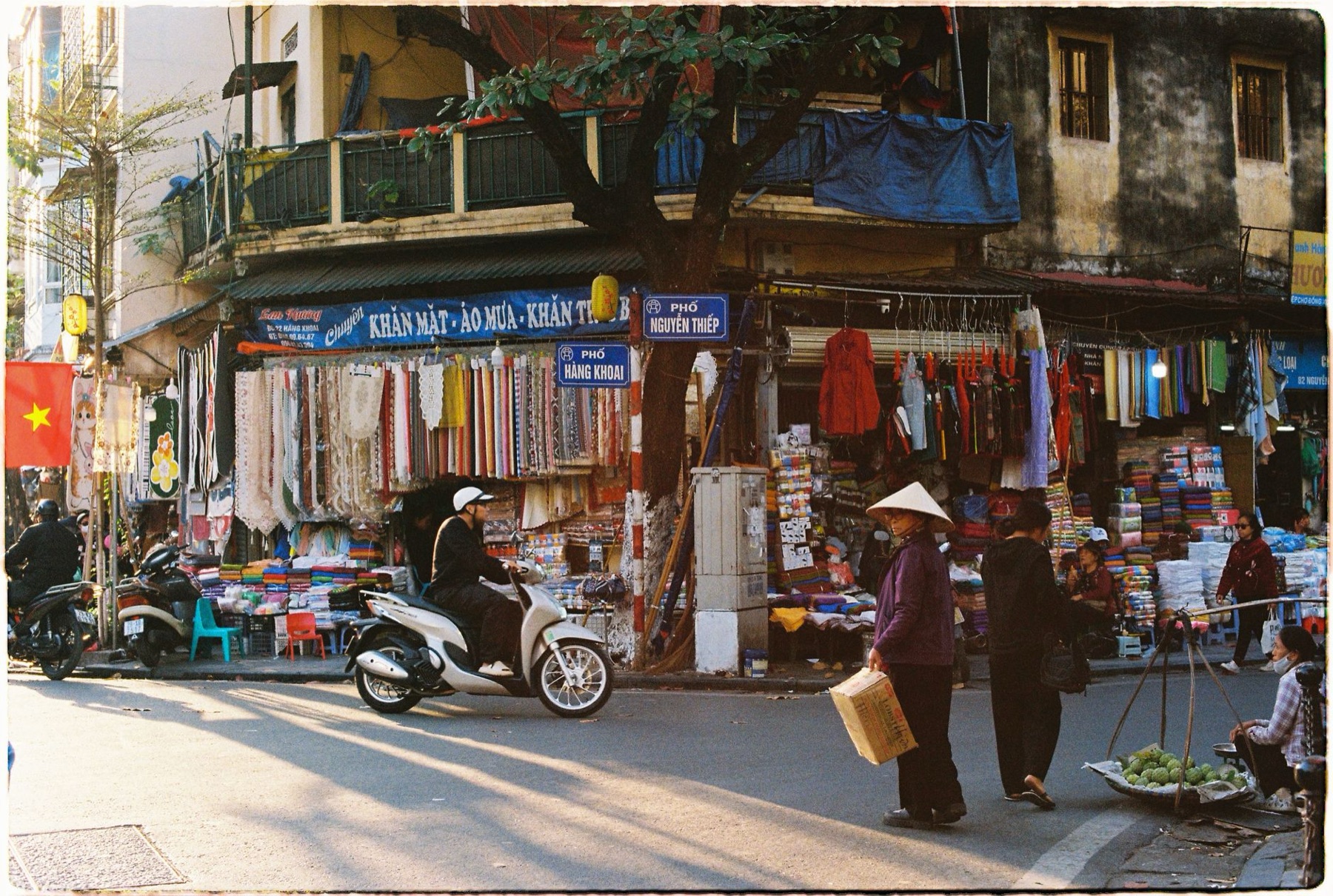
Next, explore the Old Quarter's street-by-street specialization: Silver Street (Hang Bac) for silver jewelry and decorative items; Silk Street (Hang Gai) for bolts of fabric and ready-made pieces. Visit these before 10 a.m. when tourists swarm; prices drop slightly and vendors actually chat.
Eat lunch at a street phở stand—ask your hotel for "phở gà tại đây" (phở chicken nearby). Expect around 40,000–60,000 VND ($2–3 USD).
Afternoon: cycle through Long Bien district or hire a guide for a motorbike tour through water villages on Hanoi's edge (around 600,000–1,200,000 VND / $30–60 USD for a half-day, typically 2–3 people minimum). Evening: water puppet show at Thăng Long Water Puppet Theatre (tickets around 100,000–150,000 VND / $5–7.50 USD).
📸 Book an ao dai photoshoot in Hanoi or Saigon (Cáo Studio)
Which neighborhoods are overrated and which actually reward your time?
Overrated: The central Old Quarter's Hoan Kiem Lake waterfront and Ta Hien Street after 6 p.m. becomes a theme park of hostels and tourist bars blaring Western music. Stick to morning hours or avoid entirely.
Worth your time:
- Long Bien district (east side, across Red River): wooden shophouses, local markets without English menus, real life.
- Ba Dinh district (Ho Chi Minh Mausoleum area): French colonial villas, quiet parks, fewer backpackers.
- Tay Ho district (west side): upscale Vietnamese cafés, local running groups, tree-lined streets. Less "authentic," more reflective of how younger Hanoi lives.
- Cau Giay district (south): design studios, coffee shops run by artist collectives, thriving expat-Vietnamese creative scene.
Skip: Hoan Kiem Lake's touristy east bank (except at 6–7 a.m.). Most "famous" restaurants on Maps are overpriced; the real classics are unmarked stalls or tiny family places that don't advertise.
How do I eat like a local without getting food poisoning?
Street food in Hanoi is generally safe if you choose high-turnover vendors. Look for crowds of locals, not tourists. Phở and bún chả vendors use boiling broth and meat cooked fresh each morning—low risk. Uncooked vegetables (on the side) carry minimal risk if you're cautious.
Do eat: bún chả (grilled pork with rice noodles), bánh mì (Vietnamese sandwich), phở, cơm tấm (broken-rice bowl), chả cá (turmeric fish), bánh cuốn (steamed rice rolls). Most cost 30,000–80,000 VND ($1.50–4 USD).
Be cautious: raw oysters from street vendors (unless you know the stall), uncooked meat at casual eateries, anything left sitting uncovered in heat for hours.
Avoid entirely: mysterious meat stalls in very back alleys where zero other tourists or locals eat. If a stand has been there 10+ years and serves 50+ people daily, it's trustworthy.
🗺️ Plan your route: Vietnam itinerary
What's the honest truth about famous landmarks?
| Landmark | Best time | Worth it? | Real cost | Why or why not |
|---|---|---|---|---|
| Hoan Kiem Lake sunrise walk | 6–7 a.m. | Yes | Free | No crowds; local life in motion |
| Ngoc Son Temple | 8–9 a.m. | Yes | 20,000–50,000 VND | Brief but atmospheric; go early |
| Thăng Long Water Puppet | Evening | Yes | 100,000–150,000 VND | Unique art form; book ahead to avoid noise seats |
| Hanoi Old Quarter walk | Early morning or late afternoon | Mixed | Free | Crowded midday; narrow alleys; pick quieter side streets |
| St. Joseph Cathedral | Weekday morning | Maybe | Free | Active parish; don't treat it like a museum |
| Temple of Literature | 8–10 a.m. | Yes | 30,000 VND | UNESCO site; peaceful courtyards; skip afternoon tours |
Overrated: Ho Chi Minh Mausoleum (long queues, strict rules, antiseptic atmosphere). French Quarter colonial facades (nice for photos, but no entry to most buildings—walk it in 1.5 hours, don't dedicate half a day).
Genuinely moving: Hoa Lo Prison Museum (dark history, well-curated, 30,000 VND). War Remnants Museum (in Ho Chi Minh City, but worth the day trip if you're comfortable with heavy subject matter). Pagodas like Thay Pagoda in nearby Ha Tay Province (full-day trip, around 200,000–400,000 VND with guide, spectacular).
How should I move around Hanoi without a motorbike?
Grab (motorbike taxi app): Cheapest option. 2–3 km ride around 30,000–50,000 VND ($1.50–2.50 USD). Download the app; payment is cashless. Drivers speak minimal English; show your destination on Maps or write it in Vietnamese.
Grab car: Slightly pricier (60,000–120,000 VND / $3–6 USD for same 2–3 km). Safer if you dislike motorbikes; easier to negotiate stops for photos.
Cycling tour: Most organized tours depart 7–8 a.m., last 3–4 hours, around 400,000–800,000 VND ($20–40 USD) with guide and breakfast included. Explore villages north or south of central Hanoi. Book through your hotel or online the night before.
Bus: Hanoi buses are cheap (5,000–10,000 VND / $0.25–0.50 USD) but unpredictable for tourists without Vietnamese. Not recommended unless you have a local friend.
Walk: Old Quarter and Ba Dinh are very walkable. Buy a light scarf—air pollution averages 40–80 micrograms/m³ depending on season (winter worse). If you have respiratory issues, check the real-time AQI before outdoor activity.
🎟️ Compare tours & tickets for this place
What should I pack and know before arriving?
Timing matters:
- October–November: Best weather. Dry, 20–25°C. Expect crowds.
- December–February: Cool mornings (10–15°C), occasional light rain. Fewer tourists. Locals wear sweaters.
- March–May: Humid, 25–35°C. Occasional downpours. Heavy tourist season.
- June–September: Hot, 28–35°C. Frequent rain. Cheapest season. Fewer tourists.
Pack: Light layers, sturdy walking shoes (uneven sidewalks), rain jacket or umbrella, sunscreen, power bank, hand sanitizer, basic first-aid kit. Get an eSIM for Vietnam before departure; Grab and Maps need reliable data.
Before booking hotels: Check which district (Hoàn Kiếm for Old Quarter chaos; Ba Dinh for quiet; Tây Hồ for tree-lined cafés). Read recent reviews on safety and noise levels, not just amenities.
Get an e-visa early: Apply for Vietnam e-visa before arrival to avoid queues at the airport. Processing takes 3–5 business days.
---
Turning your experience into lasting memories
After your trip, consider capturing Hanoi's magic beyond standard photos. Book an ao dai photoshoot in Hanoi with Cáo Studio—professional makeup, hair, and portraits in the Old Quarter or French Quarter, from half-day sessions. Or arrange flowers delivered to your Hanoi accommodation with Hoa Lang Thang before you arrive—a small touch that sets the tone.
If you're building a multi-city itinerary, use our Vietnam itinerary planner to connect Hanoi with Ha Long Bay, Hoi An, Ninh Binh, Sapa, and Ho Chi Minh City efficiently. Or explore this Hanoi guide for deeper neighborhood breakdowns.
What to check before you book a tour or activity
- Reviews on multiple platforms. One fake well-made review is obvious; patterns matter.
- Group size limits. 4–6 people on a cycling tour feels intimate; 20+ people feels rushed.
- Pickup location. Does the tour operator fetch you from your hotel, or do you meet at a set point? Early morning tours sometimes skip hotel pickups.
- Language of guide. Confirm English (or your language) in advance, especially for heritage-site tours.
- Cancellation policy. Bad weather (rain) happens. Can you reschedule or get a refund?
- What's included? Breakfast? Water? Entrance fees? "Budget tour" doesn't always mean cheap—sometimes it means no snacks, extra fees on-site.
- Physical difficulty. "Easy cycling" to a local guide might mean 20 km on uneven roads. Ask specifics.
---
FAQ
Is Hanoi safe to visit alone?
Yes. Petty theft occurs (watch bags in crowded markets), but violent crime against tourists is rare. Stay aware of traffic, use registered taxis/Grab, avoid walking alone after midnight in backpacker zones. Women travelers report feeling safe overall; use standard travel precautions.
How many days do I need in Hanoi?
3 days covers major sights and a day trip. 4–5 days lets you explore neighborhoods, take cooking classes, and truly absorb the rhythm. Fewer than 2 days feels rushed—you'll miss the Old Quarter's early-morning life and authentic food scene.
What's the best time to visit Hanoi?
October–November offers ideal weather (20–25°C, low humidity) but peak crowds. December–February is cool and cheap; fewer tourists. June–September is hot and humid but cheapest. Avoid early summer (May–June) for air quality if you're sensitive to pollution.
Do I need a motorbike to get around?
No. Grab motorbike-taxis and Grab cars are affordable and reliable. Most tourists never ride a bike as a driver. Cycling tours through villages are safer and social.
How much should I budget per day in Hanoi?
Budget travelers: 500,000–800,000 VND ($25–40 USD) for food, transport, and basic entry fees. Mid-range: 1,500,000–2,500,000 VND ($75–125 USD). This excludes accommodation and major day trips.
FAQ
Is Hanoi safe to visit alone?
Yes. Petty theft occurs (watch bags in crowded markets), but violent crime against tourists is rare. Stay aware of traffic, use registered taxis/Grab, avoid walking alone after midnight in backpacker zones. Women travelers report feeling safe overall; use standard travel precautions.
How many days do I need in Hanoi?
3 days covers major sights and a day trip. 4–5 days lets you explore neighborhoods, take cooking classes, and truly absorb the rhythm. Fewer than 2 days feels rushed—you'll miss the Old Quarter's early-morning life and authentic food scene.
What's the best time to visit Hanoi?
October–November offers ideal weather (20–25°C, low humidity) but peak crowds. December–February is cool and cheap; fewer tourists. June–September is hot and humid but cheapest. Avoid early summer (May–June) for air quality if you're sensitive to pollution.
Do I need a motorbike to get around?
No. Grab motorbike-taxis and Grab cars are affordable and reliable. Most tourists never ride a bike as a driver. Cycling tours through villages are safer and social.
How much should I budget per day in Hanoi?
Budget travelers: 500,000–800,000 VND ($25–40 USD) for food, transport, and basic entry fees. Mid-range: 1,500,000–2,500,000 VND ($75–125 USD). This excludes accommodation and major day trips.
More: Hanoi guide · Things to do in Hanoi