Hanoi · Things to do
Things to Do in Hanoi, Vietnam: Local Travel Guide 2026
By Wander in Vietnam editorial team · Hanoi, Vietnam
Hanoi is Vietnam's capital—chaotic, authentic, and utterly unlike the sanitized travel brochures suggest. We've spent enough time here to know where the crowds congregate (and where to avoid them), what actually tastes good (not just what Instagram favors), and which "must-do" experiences are genuinely worth your time.
The city splits into distinct zones. The Old Quarter is the historical heart—narrow streets named after the goods once sold there (Hang Gai Street for silk, Hang Ma for paper). Hoan Kiem Lake sits south of it, ringed by parks and the iconic Turtle Tower. Ba Dinh District, to the north, holds Ho Chi Minh's Mausoleum and quieter temple grounds. Tay Ho (West Lake) feels like a different city—tree-lined, residential, where expats and wealthy Vietnamese live. Each tells a different story.
What is Hanoi's Old Quarter actually like on the ground?
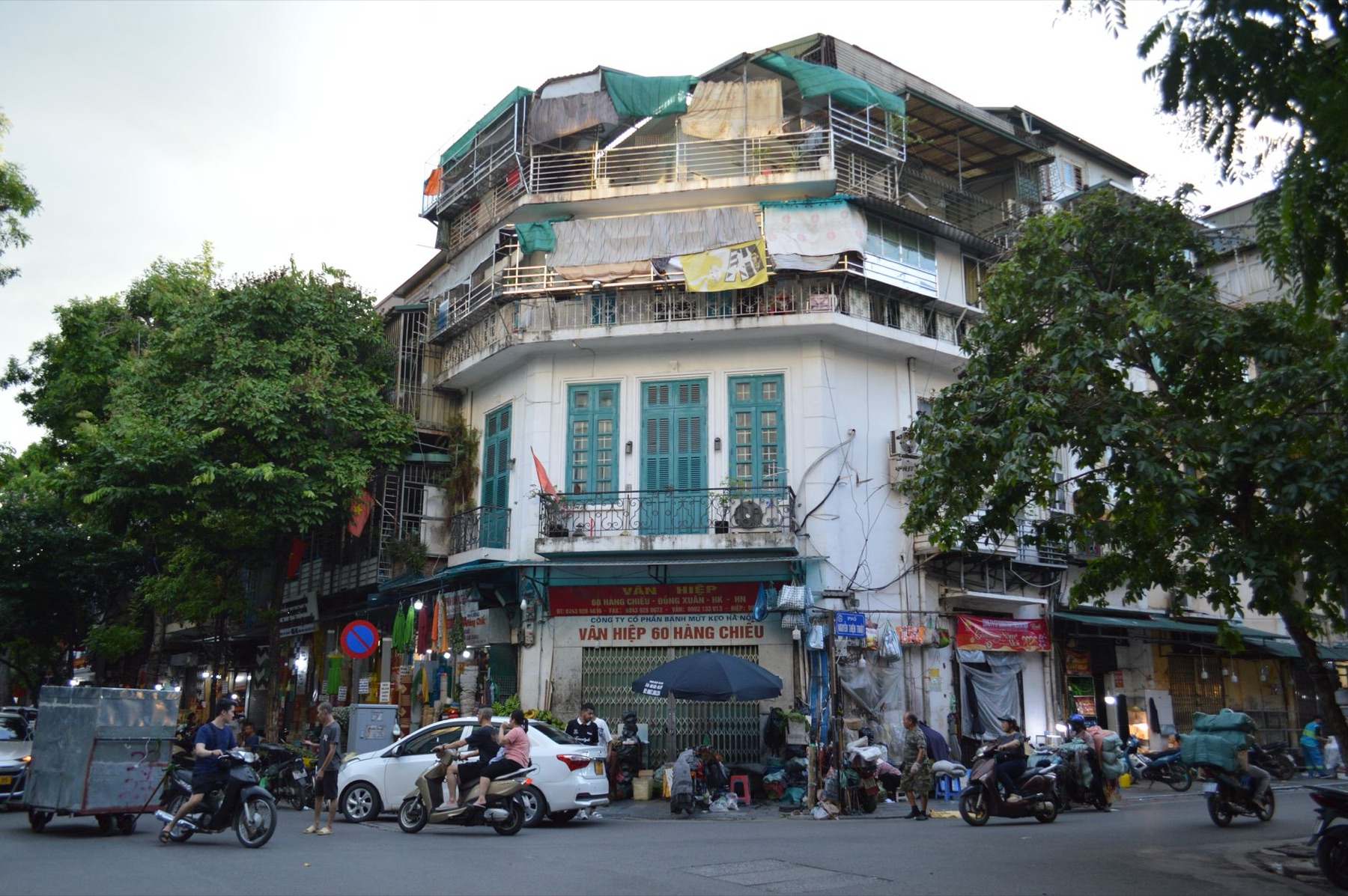
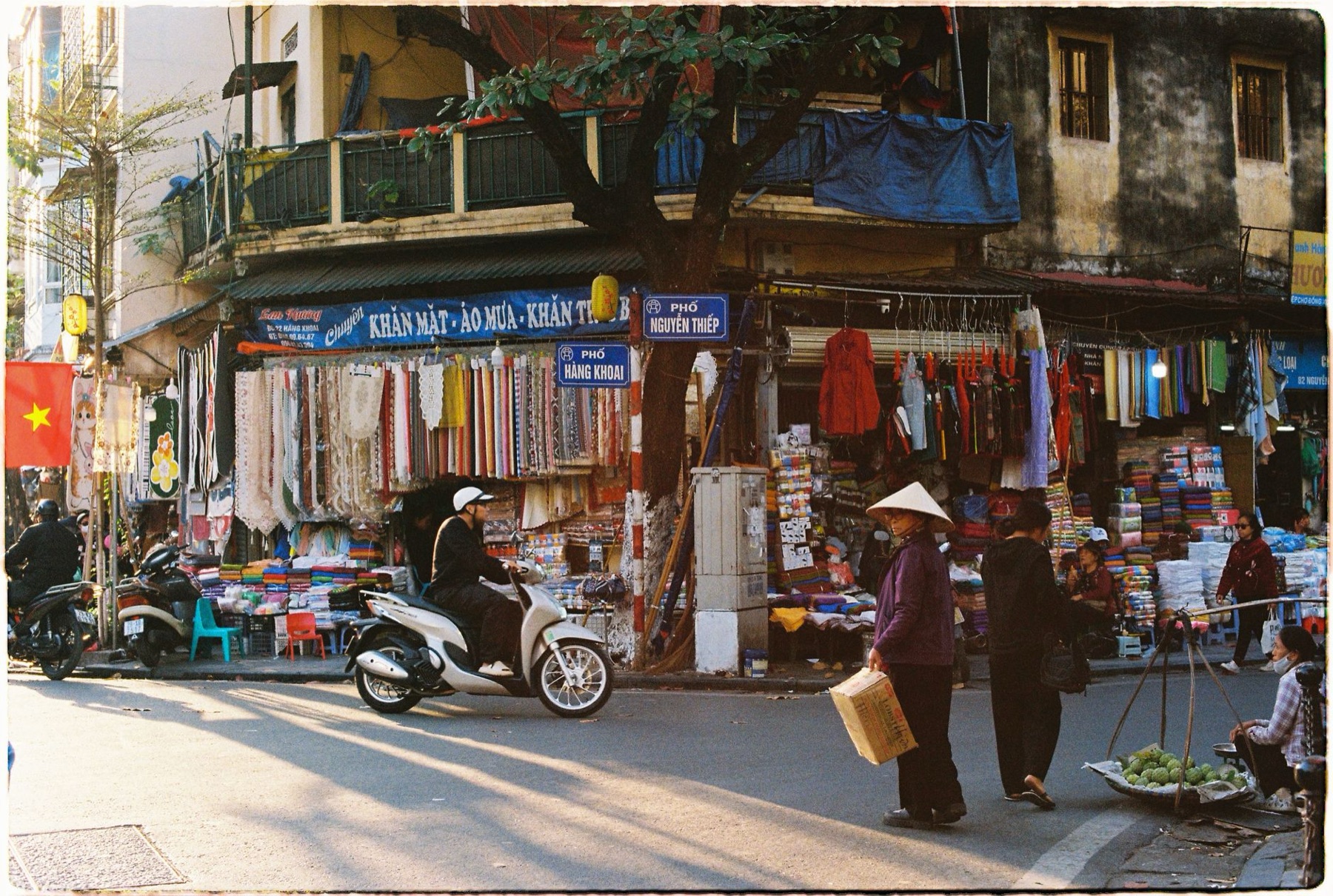
The Old Quarter (36 pho cuong) is sensory overload by design. Motorbike traffic flows like water around pedestrians; vendors shout prices; the smell of grilled meat and fried shallots hangs in every alley. Shop signs hang so low you'll duck. It's cramped, loud, and absolutely essential—but go early (6–8 a.m.) when the streets belong to locals, not tour groups. By 10 a.m., entire lanes clog with package tourists. Stay overnight in the Old Quarter; don't day-trip.
The real value is in wandering. There's no "main" experience here—it's the texture itself. Poke into tiny restaurants with no English menu, eat pho from a plastic stool, watch a street vendor assemble spring rolls by hand. You'll spend around 50,000–100,000 VND (USD $2–$4) per meal, sometimes less.
Where should you actually eat street food in Hanoi?
Forget "street food tours" marketed to foreigners. Skip Ta Hien Street (the backpacker circus) and Hang Diem (overpriced). Instead, eat where Hanoians eat: inside small shophouses, standing at knee-high plastic tables, surrounded by Vietnamese families.
Best meals by neighborhood:
| Dish | Neighborhood | Why go there | Crowd type |
|---|---|---|---|
| Pho (beef noodle soup) | Hang Thanh (Old Quarter) | Old family recipes, open 5–11 a.m. only | Locals only |
| Bun Cha (grilled pork with rice noodles) | Near Hang Manh Street | Charcoal grills on sidewalk, lunch only | Mixed, but not touristy |
| Banh Mi (Vietnamese sandwich) | Near Hang Dau Market | Fresh bread, proper fillings, under 30,000 VND | Hanoians grabbing breakfast |
| Com Tam (broken rice) | Hang Chieu area | Tiny spaces, rice-cooker simplicity | Zero English speakers |
| Che (dessert soup) | Tran Hung Dao Street, near lake | Sweet, iced, seasonal fruits | Families in evenings |
Order by pointing, accept what arrives, enjoy. Most meals cost 30,000–80,000 VND (USD $1.20–$3.20). No English menus needed—the food sells itself.
📸 Book an ao dai photoshoot in Hanoi or Saigon (Cáo Studio)
How do you navigate Hoan Kiem Lake and avoid paying for tourist traps?
Hoan Kiem Lake is a 1.4 km walk around the water's edge. The Turtle Tower sits on a small island and isn't worth the ferry ride (around 30,000 VND; you see it just as well from shore). The Temple of the Jade Mountain (Ngoc Son), on the lake's northeast, costs around 30,000 VND entry and is worth 20 minutes if you're nearby—small, quiet, genuinely atmospheric.
The real experience is the lakeside itself. Walk it at dawn (4:30–6:30 a.m.) when tai chi groups gather and the city is still. Bring coffee from a street stall. Locals don't treat this as a tourist attraction; it's their morning ritual. Sunset (5–6:30 p.m. in winter, 6–7:30 p.m. in summer) brings families and couples—still authentic, less crowded than midday.
Avoid paddleboats and paddle bikes marketed to tourists; they're pricey and the lake is mildly polluted. Skip the lakeside restaurants unless you're hungry—most are mediocre and expensive. Eat in the Old Quarter first, then walk.
Which neighborhoods reveal real Hanoi beyond the Old Quarter?
Ba Dinh District (northwest) holds the Ho Chi Minh Mausoleum complex (entry around 100,000 VND; opens 8–11 a.m. and 2–4 p.m., closed Mondays; dress respectfully). Go for the architecture and history, not the crowds. Nearby, the Temple of Literature (Van Mieu) is Hanoi's most photogenic temple—first established in 1070, still functioning. Entry around 30,000 VND. Go early (7–8 a.m.) or late (4–5 p.m.). The grounds are peaceful and the crowds thin.
Tay Ho (West Lake) feels removed from Hanoi. Tree-lined, hilly, with cafes and galleries. Take a motorbike taxi from the Old Quarter (negotiated fare, usually 50,000–100,000 VND depending on traffic). Rent a bicycle locally and loop the lake (about 8 km). Stop at any lakeside cafe for iced coffee or egg coffee (ca phe trung), a Hanoi specialty. No tourist infrastructure—locals own the cafes and restaurants. Meals cost 80,000–250,000 VND (USD $3.20–$10).
🗺️ Plan your route: Vietnam itinerary
Hoan Kiem and the Colonial Quarter (southeast of the lake) show French architecture and quieter streets. Walk Hang Trong or Nha Tho Street; pop into the small cathedral (free entry). Browse independent boutiques and galleries—no knockoffs, real local designers. This is where wealthy Hanoians shop.
What day trips from Hanoi are actually worth the time?
Ninh Binh (2 hours south by car or bus, around 150,000 VND one-way) offers limestone cliffs, river caves, and temples without the crowds of Ha Long Bay. Boat tours through Tam Coc (the "dry Ha Long") cost around 300,000–600,000 VND (USD $12–$24) depending on group size. Go early to avoid groups. The biking and walking around Hang Mua area is excellent.
Ninh Binh guide covers logistics in detail.
Ha Long Bay (3.5 hours northeast) is stunning but genuinely overcrowded—thousands of boats daily. If you go, book an overnight cruise (prices vary wildly; budget 1.5–3 million VND / USD $60–$120 for a basic shared boat). Ha Long Bay guide breaks down the real trade-offs.
Sapa (5 hours north by train or 4 hours by car) offers hill-tribe villages, rice terraces, and cooler air. Overnight stays let you hike with local guides—far better than day tours. Budget 1.5–3 million VND (USD $60–$120) for transport + lodging + meals over two nights. Sapa guide has detailed breakdowns.
Skip: Bat Cave (Hang Ca), Tiger Temple (closed), and "ethnic village" day tours marketed in the Old Quarter—they're either tourist farces or you'll spend 8 hours on a bus for 2 hours of actual content.
What scams and mistakes do Hanoi visitors actually fall into?
Motorbike taxi overcharging: Use Grab app (like Uber) instead of hailing street taxis. Grab prices are fixed and transparent; street taxis often overcharge foreigners by 50–100%. Download Grab before you arrive or use Vietnam eSIM so you have data immediately.
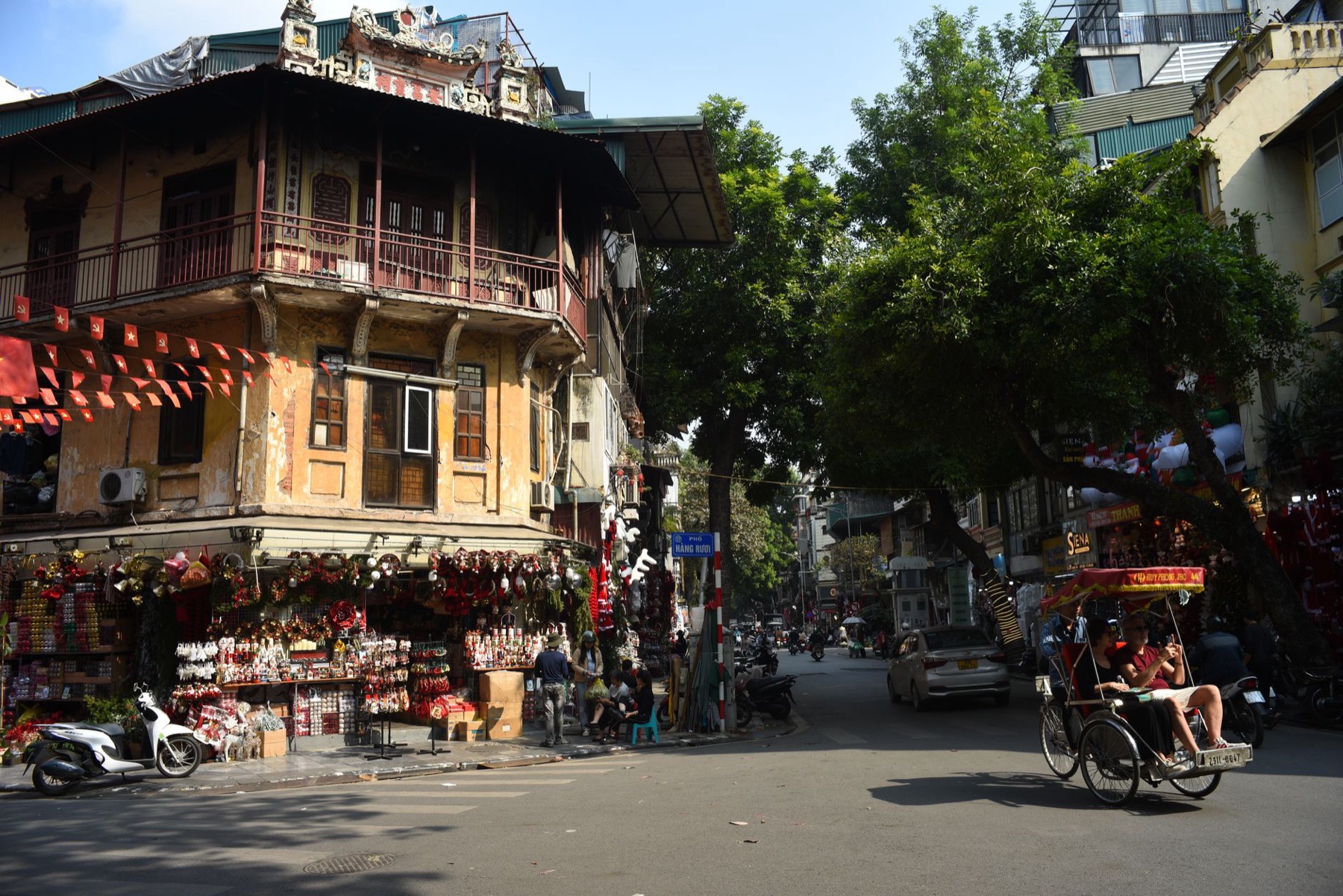
Fake cyclo tours: Cycle rickshaws look romantic but most "tours" are 3x the fair price and drivers negotiate poorly. If you want a cyclo, walk into a street and flag one for a one-off ride (negotiate to 50,000–100,000 VND for 20 minutes, not a packaged tour).
Currency exchange scams: Never use street-level money changers. Use ATMs at major banks (Vietcombank, BIDV) or exchange at your hotel. Rates are legal and transparent.
Restaurant overpricing in Old Quarter: Restaurants facing the main streets (Ta Hien, Hang Diem) charge 3x what you'd pay one block over. Eat on side alleys; the food is identical, the price is half.
Fake guided tours: Tours sold by "friendly locals" at hostels are often either unreliable or expensive. Book through established companies or your hotel. Ask for recent Google reviews before committing.
Fake travel insurance or visas: If your accommodation offers to arrange a visa, decline. Use official channels (Vietnam e-visa) or reputable agents. Same with "travel insurance"—only buy from recognized insurers.
Train ticket scams: Book train tickets directly on Vietnam Railways' site (dsvn.vn) or through reputable agents (like Tix.vn). Never buy from street vendors.
What to check before you book a Hanoi stay or experience
- Verify opening hours directly. Temples and small museums often close unexpectedly (holidays, maintenance). Check before walking across the city.
- Book advance transport. Buses and trains fill up—especially on weekends and Vietnamese holidays. Book 2–3 days ahead via Tix.vn or direct sites.
- Use Grab for all taxis. It's the safest, cheapest option. Avoid street hails or hotel-arranged taxis unless you trust the staff personally.
- Check weather. December–February is cool and dry (ideal). April–September is hot, humid, and wet. Pack layers and a rain jacket year-round.
- Get international data. Buy an eSIM or grab a local SIM card (around 100,000 VND with data). Offline maps are unreliable in Hanoi's winding alleys.
- Learn basic Vietnamese numbers. Prices are often quoted verbally. Knowing 5, 10, 50, 100 (nam, muoi, nam muoi, mot tram) helps negotiate fairly.
---
Hanoi repays slow, deliberate travel. Rush it and you'll see what every other tourist sees. Linger in the Old Quarter, eat where locals eat, walk at dawn, and stay a full 3 days minimum. The city reveals itself only to people who stop trying to "do" everything.
For photographic memories of your Hanoi experience—ao dai portraits in traditional Vietnamese dress—Cáo Studio offers professional shoots with hair and makeup in Hanoi, booking direct from your hotel.
After your Hanoi stay, consider extending into the rest of Vietnam. Hoi An (1.5 hours south via domestic flight) has ancient lantern-lit streets and tailor culture. Ho Chi Minh City (2 hours south) is faster-paced but essential. Ninh Binh and Ha Long Bay are the north's best natural escapes.
🗺️ Plan your route: Vietnam itinerary
---
Gift ideas for travelers bringing home Hanoi memories
If you're buying gifts for people back home or want a keepsake, consider items that carry real cultural weight:
- Silk scarves or woven textiles from Hang Gai Street artisans (wearable and distinctly Vietnamese)
- Star map prints marking the date/time you arrived in Hanoi (personalized, ship flat, perfect for framing)
- Engraved keepsake boxes with Hanoi landmarks (compact, memorable, long-lasting)
- Hand-painted ceramics from artisan workshops in Ba Dinh (unique, harder to find mass-produced versions)
Browse keepsake collections for Hanoi-specific gifts, or explore travel mementos by type to find what fits your budget and recipient.
🎟️ Compare tours & tickets for this place
---
FAQ
Is Hanoi safe for solo travelers?
Yes. Petty theft is rare; the main risk is motorbike traffic and scams (see above). Avoid walking alone very late (after midnight) in unfamiliar neighborhoods, and use Grab instead of taxis. Women solo travelers report feeling safe during daylight and early evening. Trust your instincts.
How many days should I spend in Hanoi?
Minimum three days (one for Old Quarter/Hoan Kiem, one for Ba Dinh/Temple of Literature, one for a day trip or Tay Ho). Five days lets you breathe and take a proper overnight trip (Ninh Binh, Ha Long, or Sapa). Rushing through in two days leaves you exhausted and disappointed.
What's the best time to visit Hanoi?
October–November and March–April. Weather is mild, humidity is lower, and skies are clearer. December–February is cool but still humid. Avoid May–September (heat, rain, flooding risks). Avoid Tet (Lunar New Year, late January/early February)—most restaurants close and everything is packed.
Do I need a guide or is self-guided exploration okay?
Self-guided is fine if you download offline maps (Maps.me works well without data). Guides add value only if they're personal recommendations from friends or highly reviewed (check Google, not fake travel-site reviews). Most packaged tours are overpriced and move too fast.
What's the real cost of a Hanoi trip per day?
Budget around 500,000–1.5 million VND (USD $20–$60) daily if you eat street food, use public transport, and stay in a mid-range hotel. Luxury doubles that. Day trips (Ninh Binh, Ha Long) add 1–3 million VND depending on group size and inclusions.
FAQ
Is Hanoi safe for solo travelers?
Yes. Petty theft is rare; the main risk is motorbike traffic and scams (see above). Avoid walking alone very late (after midnight) in unfamiliar neighborhoods, and use Grab instead of taxis. Women solo travelers report feeling safe during daylight and early evening. Trust your instincts.
How many days should I spend in Hanoi?
Minimum three days (one for Old Quarter/Hoan Kiem, one for Ba Dinh/Temple of Literature, one for a day trip or Tay Ho). Five days lets you breathe and take a proper overnight trip (Ninh Binh, Ha Long, or Sapa). Rushing through in two days leaves you exhausted and disappointed.
What's the best time to visit Hanoi?
October–November and March–April. Weather is mild, humidity is lower, and skies are clearer. December–February is cool but still humid. Avoid May–September (heat, rain, flooding risks). Avoid Tet (Lunar New Year, late January/early February)—most restaurants close and everything is packed.
Do I need a guide or is self-guided exploration okay?
Self-guided is fine if you download offline maps (Maps.me works well without data). Guides add value only if they're personal recommendations from friends or highly reviewed (check Google, not fake travel-site reviews). Most packaged tours are overpriced and move too fast.
What's the real cost of a Hanoi trip per day?
Budget around 500,000–1.5 million VND (USD $20–$60) daily if you eat street food, use public transport, and stay in a mid-range hotel. Luxury doubles that. Day trips (Ninh Binh, Ha Long) add 1–3 million VND depending on group size and inclusions.
More: Hanoi guide · Things to do in Hanoi