Hanoi · Things to do
Things to Do in Hanoi, Vietnam: Real Neighborhood Guide 2026
By Wander in Vietnam editorial team · Hanoi, Vietnam
What's Really Worth Your Time in Old Quarter?
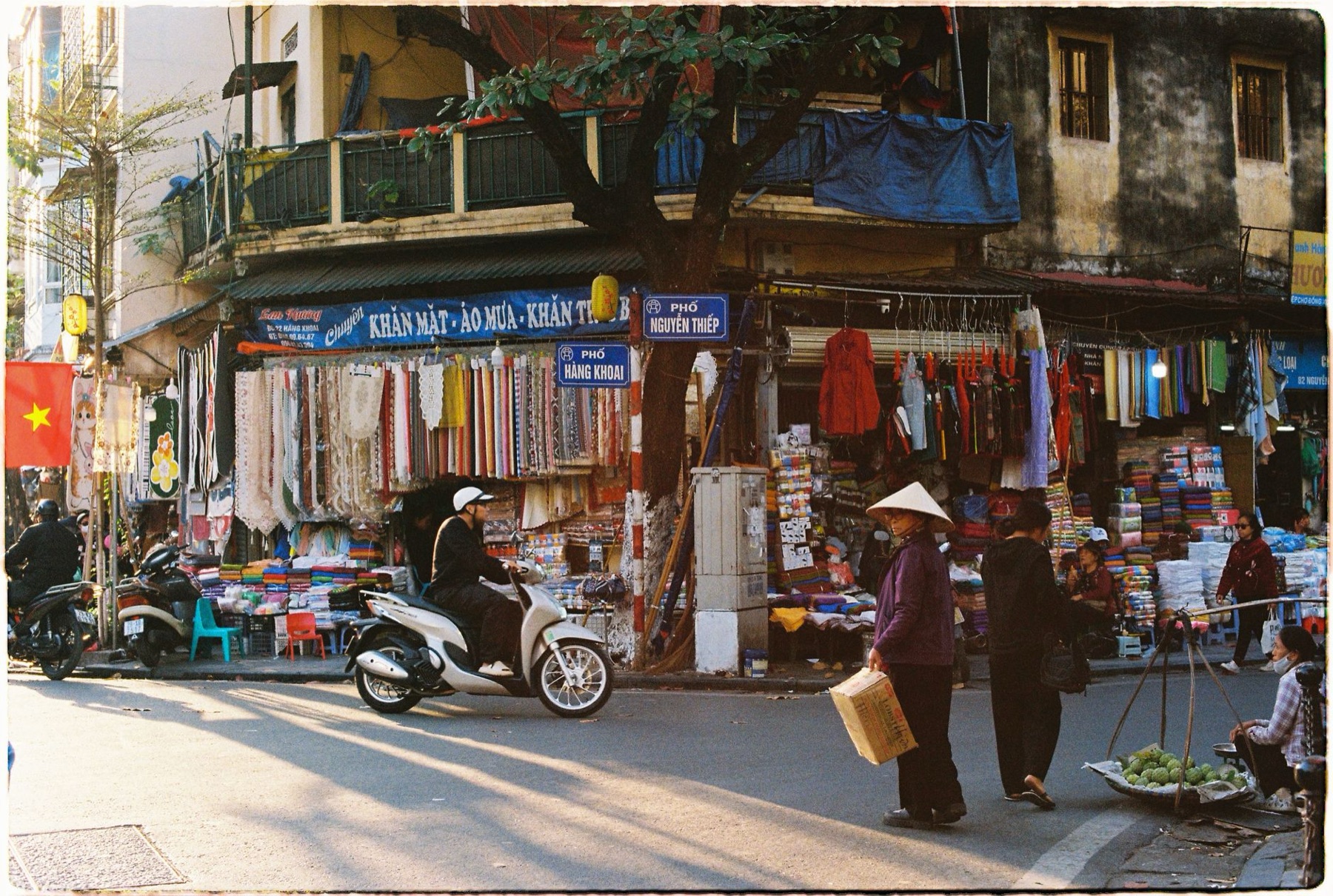
The Old Quarter (Hoàn Kiếm district) lives up to the hype, but only if you know which streets matter. Silver Street (Hàng Bạc) and Silk Street (Hàng Gà) are tourist traps now—overpriced trinkets, aggressive vendors, photo-op bottlenecks. Instead, slip into Hàng Nón (Hat Street) early morning: locals buying actual hats, real prices, quieter energy. Spend 1–2 hours wandering north toward Hàng Đào (Flower Street); flower vendors arrive before 7 a.m., chaos peaks by 9.
The real Old Quarter isn't one market—it's 36 micro-guilds layered over centuries. Each street originally sold one thing: lanterns, bamboo, paper. That logic still shapes the alleys, even if souvenirs now compete with hardware. Walk Hàng Buồm (Sail Street) or Hàng Thiếc (Tin Street); you'll see a mix of old and new, which feels more honest.
Pro move: Don't hire a guide for Old Quarter; buy a 100,000–150,000 VND (around $4–6 USD) phở at a stall with plastic stools and old locals. That's your education.
🗺️ Plan your route: Vietnam itinerary
Is Water Puppet Theater Worth the Ticket Price?
Yes, but pick the right venue. Thăng Long Water Puppet Theatre (near Hoàn Kiếm Lake, Ba Đình district) is the main stage and genuinely worth it: 45 minutes of skilled puppeteers controlling wooden characters in water to traditional music. Tickets run around 100,000–150,000 VND per person (USD $4–6), shows run 3–4 times daily. Arrive 20 minutes early; the small theater fills fast with tour groups.
Smaller puppet venues are cheaper but less polished; skip them unless you're local or love experimental indie theater. The Thăng Long show is the standard for good reason: intricate carving, live đàn tranh (zither) and bamboo flute soundtrack, stories from folklore that matter even if you don't speak Vietnamese.
Avoid booking through a hotel concierge; buy tickets at the venue or via official channels. Tourist middlemen add 30–50% markup.
Which Neighborhoods Feel Like Actual Hanoi?
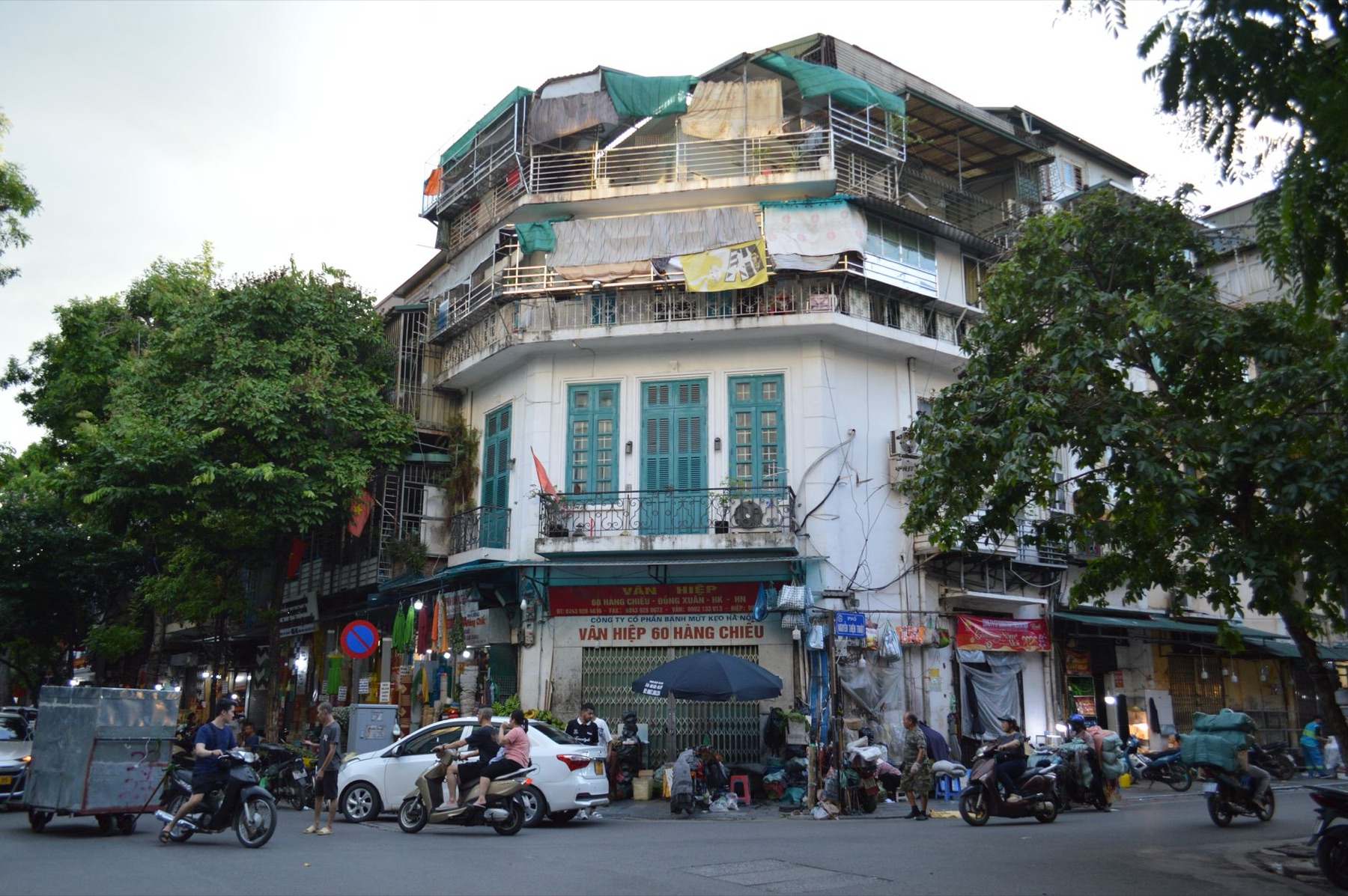
Ba Đình district (west of Old Quarter) is where Hanoians actually live and move. Hàng Đậu, Tây Hồ, and streets near Thủ Lệ Park have real coffee shops, small restaurants, and less tourism pressure. A bowl of bún chả (minced pork with rice noodles and fish sauce) costs 30,000–50,000 VND (USD $1.50–2.50) at a proper cơm phở stall. You'll sit shoulder-to-shoulder with construction workers, students, nurses on break—that's the city.
Hoàn Kiếm district (east) has French colonial mansions, serene lake walks, and Hoan Kiem Lake itself—excellent for evening strolls. It's more manicured but not sterile. The Cathedral (Nhà Thờ Lớn Hà Nội), built 1886, stands plain and solid north of the lake; it's open for prayer, not as a museum, so respect that boundary.
Tây Hồ (west, on the shore of West Lake) is newer—young Hanoians rent there, cafes cluster around book streets and art galleries. It's less frantic than Old Quarter, more hipster than local, but it's where the city is actually evolving.
What Street Food Should I Prioritize—and What's Tourist Bait?
Egg coffee (cà phê trứng) is real and delicious: a thick, creamy foam of egg yolk and condensed milk stirred into dark Vietnamese coffee. It costs around 50,000–80,000 VND (USD $2–3) at a proper cà phê, not a tourist trap cafe. Original shops cluster around Hàng Gai street; the tourist-famous ones (often mobbed on Instagram) charge double. Go to a plain one with locals; you'll notice the difference immediately.
Bún chả (charcoal-grilled pork patties with dipping sauce, fresh herbs, and rice vermicelli) is not tourist food—it's what Hanoians eat for lunch. A proper bowl is 30,000–60,000 VND (USD $1.50–3). Stalls open around 11 a.m., close by 2 p.m. Bún chả lane (Phan Huy Ích, near Tây Hồ) is famous but now overrun; find a quiet one a block away.
| Food | Real Price | Tourist Price | Skip? |
|---|---|---|---|
| Phở | 40,000–70,000 VND | 80,000–150,000 VND | No—go early, avoid main streets |
| Bún chả | 30,000–60,000 VND | 80,000–120,000 VND | No—lunchtime only, closes 2 p.m. |
| Spring rolls (fried) | 20,000–40,000 VND | 60,000–100,000 VND | No—but homemade versions only |
| Egg coffee | 50,000–80,000 VND | 100,000–150,000 VND | No—find local café, not Instagram |
| Snake soup (thịt rắn) | 200,000–500,000 VND+ | 300,000–800,000 VND+ | Honestly? Skip. Not essential. |
Snake soup is hyped by guides; it's real but overpriced and ethically messy. Skip it unless you're deeply curious.
📸 Book an ao dai photoshoot in Hanoi or Saigon (Cáo Studio)
How Do I Avoid the Biggest Tourist Traps?
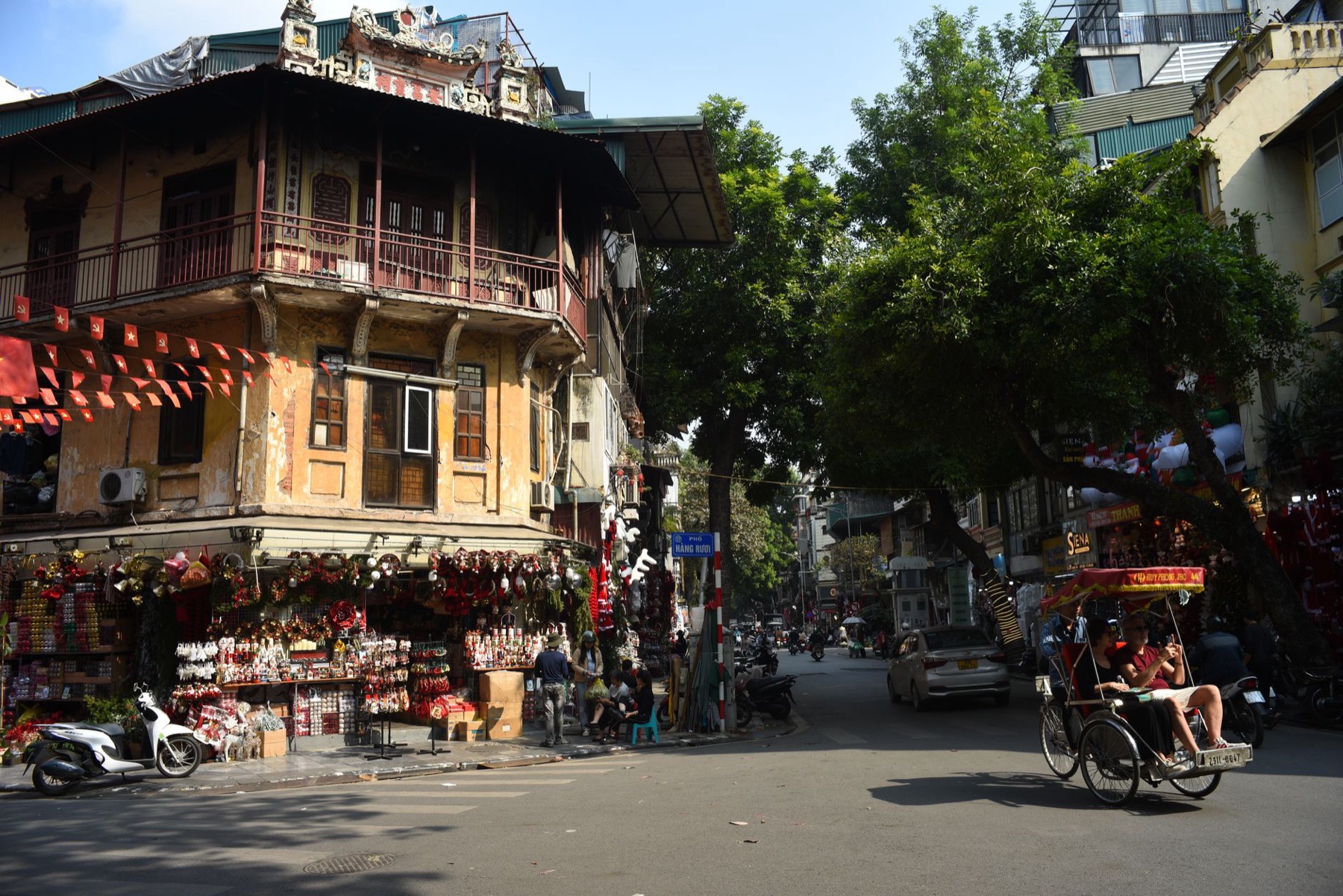
Cyclo rides: Tours advertise "authentic Hanoi by cyclo" for 200,000–400,000 VND (USD $8–16). Most cyclo drivers are now unlicensed and route you through overpriced tailors, souvenir shops, and restaurants where they get commission. If you want one, negotiate price upfront, agree on a route, and don't let the driver suggest "stops."
Fake branded goods: Old Quarter streets are flooded with counterfeit Nike, North Face, and luxury goods. If a vendor aggressively offers "genuine discount," it's fake. Real vendors don't chase you. Same for jade, pearls, and silk—get certificates from reputable shops or assume it's misrepresented.
Walking tours: Free walking tours promise "see real Hanoi"—they're often scripted sales pitches for restaurants and shops where the guide collects kickback. Pay if you want a guide; don't pretend it's free (your tip pays for their commission elsewhere).
Overbooked attractions: Tết (Lunar New Year), October 1st, and summer holidays see crushing crowds. Go midweek, early morning, or consider visiting Hanoi in shoulder seasons (March–April, September–October).
What to Check Before Your Trip:
- Book an eSIM or data plan now; rely on it, not café wifi for navigation (Vietnam eSIM).
- Download offline maps (Google Maps works offline in Vietnam).
- Confirm visa requirements (Vietnam e-visa).
- Reserve water puppet tickets in advance, don't day-of.
- Ask locals, not hotel staff, where to eat (staff get commissions).
- Carry small bills; many stalls don't make change for large notes.
Should I Visit Temples, and Which Ones Are Worth Hours?
Temple time is deeply personal. If you're interested in Vietnamese spirituality and architecture, Ngôc Sơn Temple (island temple in Hoàn Kiếm Lake, reached by a wooden bridge) is stunning and quiet early morning. It's free, opens around 7:30 a.m. Respect: no shoes on the inner platform, quiet voices, dress modestly (shoulders, knees covered).
Quan Thanh Temple (Ba Đình district, on the shores of West Lake) is older, less touristy, and serves actual worshippers—incense thick, locals praying, no gift shop. Free, open all day. Beautiful if you go with intention, not just for photos.
The Mausoleum of Hồ Chí Minh (Ba Đình district) is a pilgrimage site and political monument—you queue for 20–60 minutes (free entry). Respectful dress required (pants to ankle, shirts to shoulder). It's historically important, but emotionally it depends on your interest in 20th-century Vietnamese history.
Temple hopping is overrated for most travelers. Pick one, sit, observe. That's worth more than six temples in a day.
🎟️ Compare tours & tickets for this place
How Should I Structure My Hanoi Days?
A functional 3-day breakdown:
Day 1: Old Quarter + Hoàn Kiếm Morning: Walk Hàng Nón, Hàng Đào before 8 a.m. Breakfast: phở at a plastic-stool place. Midday: Hoàn Kiếm Lake loop, stop at Ngoc Son Temple. Afternoon: Rest, then evening street food (bún chả, egg coffee). Evening: Thăng Long Water Puppet Theatre (6 or 8 p.m. show).
Day 2: Ba Đình + Tây Hồ Morning: Hồ Tây (West Lake) walk, local café. Lunch: bún chả at a non-famous stall. Afternoon: Quan Thanh Temple, neighborhoods around Tây Hồ Lake. Evening: Dinner in Ba Đình, explore Hàng Đậu or Hàng Thiếc after dark (shops, noodle carts, street life peaks 6–9 p.m.).
Day 3: Museum + Neighborhoods Morning: Vietnam National Museum of History (Ba Đình district, if archaeology interests you) or skip museums entirely and explore neighborhoods instead. Late morning: Cycling tour of red-river-side neighborhoods (not Old Quarter—guides overcharge and rush). Lunch: local place near Tây Hồ. Afternoon: Last-minute shopping, packing. Evening: Departure or relaxation.
Museums are optional—many travelers find Hanoi's streets more educational than curated exhibits.
---
Pro tips for pacing:
- Hanoi is humid, chaotic, loud. Expect sensory overload your first day. By day 3 you'll navigate better.
- Motorbike taxis (Grab motorbike) cost 10,000–30,000 VND (USD $0.50–1.50) per ride; walking + city buses (7,000 VND per ride, USD $0.30) saves money but requires patience.
- Don't run a tight schedule. Build in time to sit, drink coffee, watch life happen.
- Bring a day pack with water, sunscreen, and a light scarf (sun, occasional indoor AC shock).
For deeper planning, explore our full Hanoi guide and Vietnam itinerary planner to combine Hanoi with northern regions like Sapa, Ninh Binh, or Ha Long Bay.
Want to preserve Hanoi memories? Consider a professional ao dai photoshoot—traditional dress, makeup, and guided shots in key neighborhoods. Book with Cáo Studio (Hanoi) to capture yourself in the city properly.
Or send a gift to someone in Hanoi: Hoa Lang Thang flower delivery handles same-day arrangements for real occasions.
---
FAQ
Is Old Quarter worth visiting, or is it all tourist trap now?
Both. It's chaotic and commercialized, but the streets still follow 36-guild logic from the 13th century. Go early (before 8 a.m.), avoid Silk Street, eat at plastic-stool places, and wander north. You'll find pockets of authenticity between the souvenir shops.
How many days should I spend in Hanoi?
3 days minimum to absorb pace and neighborhoods. 4–5 is better—one day to adjust, two to explore properly, one to venture outside (or slow down). Rushing Hanoi defeats the purpose; the city rewards dawdling.
Is it safe to eat street food in Hanoi?
Yes, if you use common sense. Eat where crowds gather, where food turns over fast, where cooking is visible. Plastic-stool phở stalls are safer than sit-down restaurants because heat kills pathogens. Avoid raw or cold dishes if your stomach is sensitive. Most travelers' issues come from ice, not cooked street food.
Should I take a guided tour or explore alone?
Explore alone if confident in navigation and language basics. Free walking tours often push restaurant commissions; paid local guides (ask your hotel for non-affiliated referrals) are better but not essential. Maps, curiosity, and time beat most tours.
What's the best time to visit Hanoi?
October–November (autumn, cool, dry) and March–April (spring, mild) are ideal. Avoid July–August (40°C+ heat, humidity), and Tết (January/February, crowded, many shops closed). December and early January are pleasant if you like cool weather.
Do I need a visa for Vietnam in 2026?
Yes. US, UK, EU, Australian, and most Western citizens need either an e-visa (online, 90,000 VND / ~$4 via official channels) or a physical visa from a Vietnamese embassy. Check current requirements. Process is simple; do it before arrival.
Should I exchange money in Hanoi or before I arrive?
Exchange in Hanoi at an ATM or licensed exchange booth. Airport rates are poor, and you'll need VND immediately. ATM withdrawal fees are minimal (around 20,000 VND / ~$0.80 per withdrawal). Carry some USD as backup, but use VND for daily transactions.
Is Hanoi walkable, or do I need a motorbike taxi?
Neighborhoods are walkable, but distances are deceptive. Old Quarter to Ba Đình is ~4 km, doable on foot if you're fit. Use Grab motorbike (cheap, fast, safe) or city buses for longer trips. Renting a motorbike yourself requires international driving permit and is risky in traffic—not recommended for first-timers.
FAQ
Is Old Quarter worth visiting, or is it all tourist trap now?
Both. It's chaotic and commercialized, but the streets still follow 36-guild logic from the 13th century. Go early (before 8 a.m.), avoid Silk Street, eat at plastic-stool places, and wander north. You'll find pockets of authenticity between the souvenir shops.
How many days should I spend in Hanoi?
3 days minimum to absorb pace and neighborhoods. 4–5 is better—one day to adjust, two to explore properly, one to venture outside (or slow down). Rushing Hanoi defeats the purpose; the city rewards dawdling.
Is it safe to eat street food in Hanoi?
Yes, if you use common sense. Eat where crowds gather, where food turns over fast, where cooking is visible. Plastic-stool phở stalls are safer than sit-down restaurants because heat kills pathogens. Avoid raw or cold dishes if your stomach is sensitive. Most travelers' issues come from ice, not cooked street food.
Should I take a guided tour or explore alone?
Explore alone if confident in navigation and language basics. Free walking tours often push restaurant commissions; paid local guides (ask your hotel for non-affiliated referrals) are better but not essential. Maps, curiosity, and time beat most tours.
What's the best time to visit Hanoi?
October–November (autumn, cool, dry) and March–April (spring, mild) are ideal. Avoid July–August (40°C+ heat, humidity), and Tết (January/February, crowded, many shops closed). December and early January are pleasant if you like cool weather.
Do I need a visa for Vietnam in 2026?
Yes. US, UK, EU, Australian, and most Western citizens need either an e-visa (online, 90,000 VND / ~$4 via official channels) or a physical visa from a Vietnamese embassy. [Check current requirements](/vietnam/visa). Process is simple; do it before arrival.
Should I exchange money in Hanoi or before I arrive?
Exchange in Hanoi at an ATM or licensed exchange booth. Airport rates are poor, and you'll need VND immediately. ATM withdrawal fees are minimal (around 20,000 VND / ~$0.80 per withdrawal). Carry some USD as backup, but use VND for daily transactions.
Is Hanoi walkable, or do I need a motorbike taxi?
Neighborhoods are walkable, but distances are deceptive. Old Quarter to Ba Đình is ~4 km, doable on foot if you're fit. Use Grab motorbike (cheap, fast, safe) or city buses for longer trips. Renting a motorbike yourself requires international driving permit and is risky in traffic—not recommended for first-timers.