Hanoi · Things to do
Things to Do in Hanoi Vietnam: Top Attractions & Local Insights
By Wander in Vietnam editorial team · Hanoi, Vietnam
Hanoi's charm lies in contradiction: ancient temples sit meters from neon-lit restaurants; French colonial villas frame modern high-rises; silent pagodas coexist with ear-splitting motorbike chaos. Most visitors see the postcard sights but miss the real city—the neighborhood pho shops, lake sunsets without crowds, and moments that stick with you years later.
We've spent countless cycles, meals, and dawn walks mapping Hanoi's real attractions. Here's what actually works, costs roughly, and what to politely skip.
What makes Hanoi's Old Quarter worth the chaos?
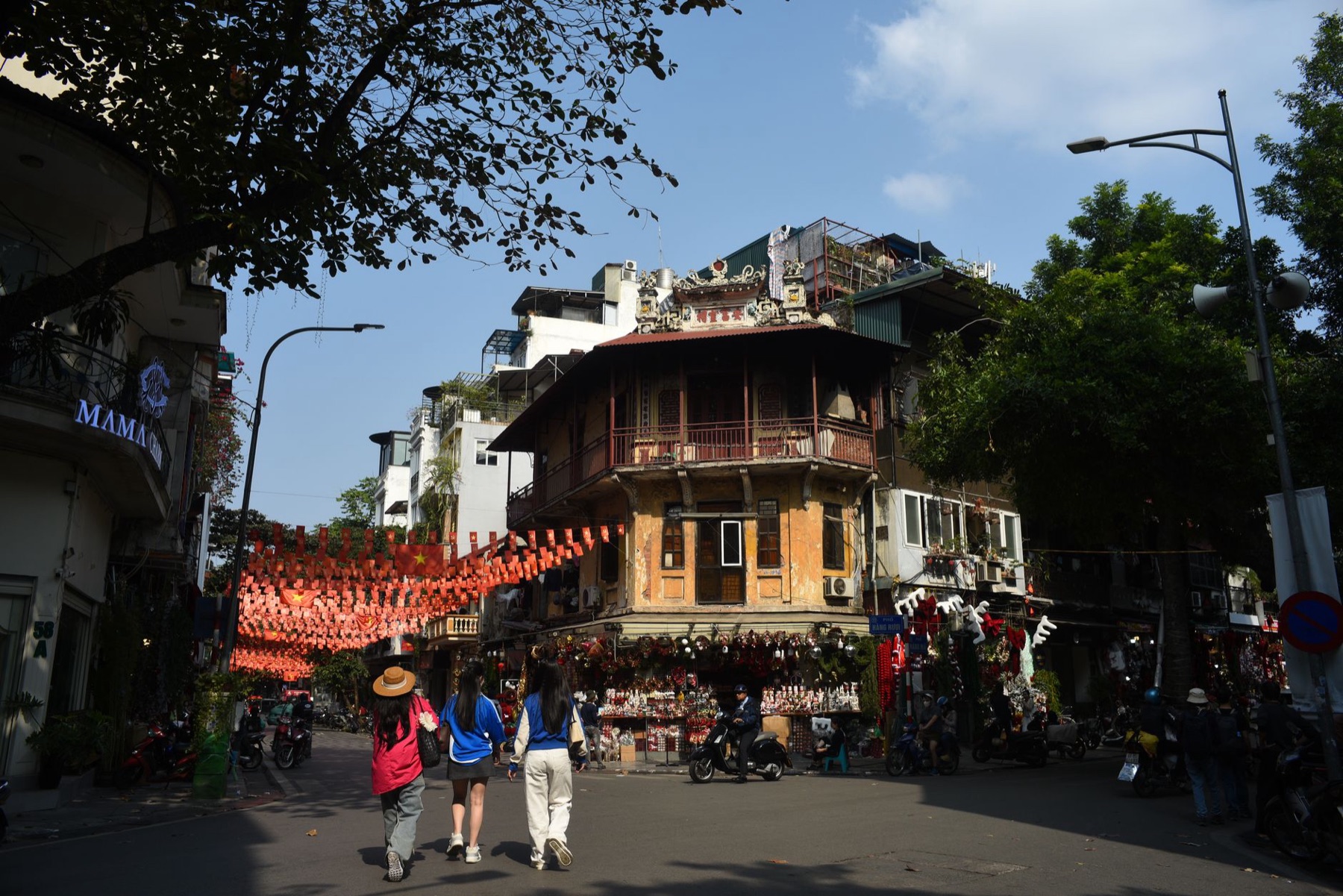
The Old Quarter (36 Pho Hang, surrounding Hoan Kiem Lake) is cramped, loud, and absolutely essential. Narrow streets named after their original trade (Pho Hang Gai = silk street, Pho Tin = tin street) pack three-story shopfronts where families live above storefronts. It's sensory overload: motorbikes double-parked on sidewalks, vendors calling prices, fabric bolts hanging in doorways. Go early (6–7 a.m.) before crowds crush in; you'll see locals eating com tam (broken-rice breakfast) and kids heading to school. Expect tight alleys, pickpockets in crowds (use a crossbody bag, not a backpack), and no real air in summer. The magic isn't a single site—it's the lived-in texture.
Is Hoan Kiem Lake actually worth a visit, or is it overrated?
Honest answer: the lake itself is small and murky. The appeal is the ritual. Locals jog the perimeter at dawn; couples sit on benches at dusk; street vendors sell corn and sugar cane juice for around 10,000–20,000 VND ($0.40–$0.80 USD). Turtle Tower (Thap Rua) sits on a tiny island—it's photogenic but closed to visitors, so you're snapping from the shore. The Ngoc Son Temple on the north shore is worth 15 minutes: incense, altar candles, a single monk in a quiet courtyard. Avoid midday when tour groups clog the walkway; come at 6 a.m. or 5 p.m. The lake itself is not a day-long attraction, but as part of morning ritual or sunset pause, it sets Hanoi's pace right.
Should you spend a full day at the Ho Chi Minh Mausoleum complex?
The complex (Ba Dinh district, 1 Hung Vuong Street) requires 2–3 hours. Entry is free; arrive by 7:30 a.m. (it closes 11 a.m.–1 p.m. daily, then 1–2 p.m., fully closed Mondays and Fridays). Queue times can hit 30+ minutes. Dress respectfully: covered shoulders, knees, no hats. Inside the mausoleum itself, the body lies in a climate-controlled chamber; photos forbidden, silence enforced. Guides are free and often interesting if you ask specifics about Ho Chi Minh's exile or war strategy. The surrounding grounds hold museums (Presidential Palace gardens visible but not entered, Museum of the Revolution—decent context but dated—around 30,000 VND/$1.20 entry). Honestly? Come for historical weight, not spectacle. Skip if you're short on time; prioritize temples instead.
Which temples and pagodas offer genuine quiet time away from tourists?
| Temple/Pagoda | District | Crowd Level | Best Time | Why Visit |
|---|---|---|---|---|
| Tran Quoc Pagoda | Tay Ho | Low–Medium | 7–8 a.m. | Lakeside, ancient, monks live here |
| Quan Su Pagoda | Hoan Kiem | Medium | 3–5 p.m. | Active monastery, chanting times, central |
| Thay Pagoda | Ha Tay (day trip) | Low | Any | Cave temple, genuine pilgrimage site |
| Mot Cot Pagoda | Ba Dinh | Low | 8–10 a.m. | Quirky single-pillar design, locals only |
| Huong Pagoda | Huong Son (day trip) | High | Weekday mornings | Famous but crowded; go off-season |
Tran Quoc Pagoda (Tay Ho district, north shore of West Lake) is our favorite. Rebuilt in the 11th century, it overlooks water with zero tour buses. Monks chant around 5–6 a.m. if you're an early riser; visitors welcome quietly. Entry is free; a donation (20,000–50,000 VND/$0.80–$2.00) is appropriate. Go on a weekday, not weekends.
Quan Su Pagoda (Hoan Kiem district, 73 Quan Su Street) is Hanoi's main Buddhist center. Chanting happens 5–6 a.m. and 7–8 p.m. on certain days (ask locals). The courtyard is peaceful even in afternoon. Entry free. English-speaking monks sometimes offer tea and conversation.
Mot Cot Pagoda (Ba Dinh district, north of Mausoleum) is a one-pillar structure built by Emperor Ly Thai Tong in 1049. It's small, quirky, and rarely packed. Locals bring incense; tourists seldom know about it. Free entry, 10-minute visit.
📸 Book an ao dai photoshoot in Hanoi or Saigon (Cáo Studio)
Skip Huong Pagoda during national holidays and Tet (lunar new year); it draws hundreds of thousands of pilgrims and becomes a crush. Go on a random Tuesday in March instead.
What's the actual cost and experience of Hanoi's street food scene?
Street food is why many return. A bowl of pho at a sidewalk stall costs around 25,000–40,000 VND ($1.00–$1.60). Banh mi from a pushcart runs 15,000–30,000 VND ($0.60–$1.20). Com tam (broken rice with grilled pork and egg) is 30,000–50,000 VND ($1.20–$2.00). Egg coffee (ca phe trung) at a Old Quarter café is 30,000–40,000 VND ($1.20–$1.60).
Where to eat cheap and real:
- Dong Xuan Market (Hoan Kiem district, 3-story indoor market) has a food section on the 3rd floor: noodle stalls, banh chung (square sticky rice cake), and roasted duck. Go 10–11 a.m. before it's picked over. Meals run 20,000–50,000 VND ($0.80–$2.00).
- Pho Hang Gai alley (near Hoan Kiem Lake) has five pho joints within 30 meters. Pick the busiest one (usually right).
- Ta Hien Street (Old Quarter) is tourist-heavy but has a few old family noodle stalls tucked in corners. Ask locals, not other tourists.
- Bat Dan Street (Hoan Kiem district) is famous for ceramic bowls and dishes—and behind the shops are tiny eateries serving authentic egg fried rice and morning snacks.
What to avoid: Tourist restaurants with English menus and photos of dishes on the door. Western restaurants in the Old Quarter mark up 200–300%. Anything labeled "authentic street food experience" near Hoan Kiem Lake is overpriced.
Honest tip: Stomach issues are common. Eat where locals eat, not where backpackers congregate. Drink bottled water. Avoid raw vegetables at tourist spots (boiled is safer). Most food poisoning comes from sitting in unrefrigerated heat, not the food itself.
---
Does Hanoi's French Colonial architecture justify a dedicated walking route?
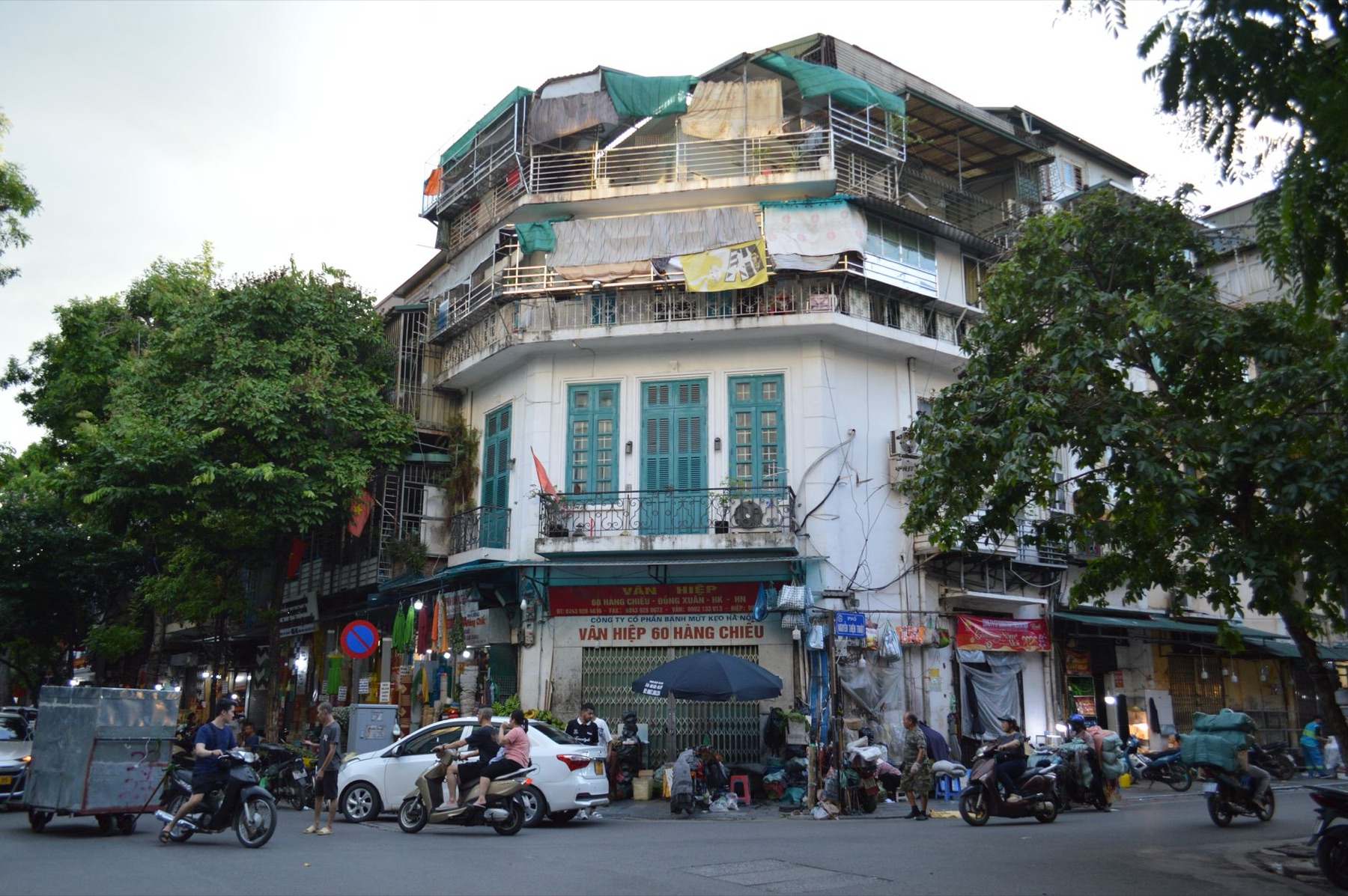
Yes, but you need context. French colonial buildings (mostly Ba Dinh and central Hanoi) date from 1890–1954. Many are now government offices (closed to tourists) or decaying neglected. The Hanoi Opera House (1 Trang Tien Street, Hoan Kiem district) is photogenic; exterior shots are free, but tours inside (around 60,000–100,000 VND/$2.40–$4.00, if available) are infrequent and require notice.
Walk worth doing (1.5 hours):
- Start at Sofitel Legend Metropole Hotel (15 Ngo Quyen Street)—opened 1901, still operates; lobby café is expensive but stunning.
- Head west on Ly Thai To Street past St. Joseph's Cathedral (40 Nha Chung Street)—Catholic, operating, free entry except during mass.
- Continue to Hoan Kiem Lake and circle north toward Ngoc Son Temple area.
- End at small cafés on Pho Hang Gai for egg coffee.
Pro tip: Colonial architecture isn't concentrated in one district. It's scattered through central Hanoi as accidental details—a balcony here, a wrought-iron gate there. Don't overplan it; enjoy it as you walk between neighborhoods.
---
What's the realistic cost and hassle level of day trips from Hanoi?
| Destination | Distance | Duration | Transport | Cost (approx) | Best For |
|---|---|---|---|---|---|
| Ninh Binh (Trang An) | 100 km | Full day | Tour or bus | 200,000–500,000 VND ($8–$20) | Karst scenery, boat rides |
| Ha Long Bay | 150 km | Full day–overnight | Cruise/bus | $30–$150+ | UNESCO site, dramatic cliffs |
| Sapa (Fansipan) | 350 km | 2+ days | Overnight bus/train | $50–$200+ | Hill tribes, trekking |
| Hoa Binh Lake | 75 km | Half-day | Tour/taxi | 150,000–400,000 VND ($6–$16) | Quiet lake, less touristy |
Ninh Binh (Trang An Scenic Area) is the easiest 1-day option. Boat ride through limestone caves, no overnight needed. Book direct with operators in Hanoi (avoid high-markup agencies; go to the ticket office yourself or ask your guesthouse). Cost is roughly 300,000 VND ($12) for boat plus 200,000 VND ($8) for transport.
Ha Long Bay is iconic but: 3+ hours each way by bus, cruises can feel crowded, and the cruise itself costs $30–$150 depending on quality. Go if you have 2+ days; one-day tours are rushed and exhausting.
Sapa requires an overnight trip. Popular with hikers and for meeting ethnic minorities, but increasingly touristy. Better in shoulder season (April–May, September–October), not summer.
Hoa Binh Lake is underrated—quiet water, fewer tourists, possible homestays. 1.5 hours from central Hanoi.
---
What to Check Before You Go
- Visa: Check entry requirements for your passport. Many nationalities need a Vietnam e-visa or tourist visa. Read our visa guide.
- Connectivity: Grab a local eSIM upon arrival or in your home country. Motel WiFi is unreliable; you need data for maps, Grab (taxi app), and messaging. Compare eSIM options.
- Motorbike taxi apps: Download Grab (like Uber) and Be (competitor). Motorbike taxis are cheap (10,000–30,000 VND/$0.40–$1.20 for short trips) but use an app, not street hailing, to avoid scams.
- Scams to sidestep: Cyclo (three-wheeled taxi) drivers may quote 100,000 VND, then demand 500,000 at the end. Agree on price before boarding, or use Grab. Fake cyclo tours ("I show you Hanoi") are high-pressure tourist traps.
- When to visit: October–November and March–April are ideal (20–28°C, dry). June–September is hot, humid, and rainy. December–February is cool but can be grey.
- Money: ATMs are everywhere. Bring some USD or EUR as backup (exchange rates decent). Hanoi is cheaper than Ho Chi Minh City or beach towns.
🎟️ Compare tours & tickets for this place
---
Bringing Home a Memory (Thoughtfully)
If you want a keepsake that isn't a plastic souvenir, consider gifts that honor what you experienced:
- Silk items: A hand-embroidered wall hanging or woven scarf from Pho Hang Gai (the actual street; small shops, not mall stalls). 100,000–500,000 VND ($4–$20) for quality.
- Ceramic or lacquerware: From Bat Dan Street workshops or Ninh Binh pottery villages. Handmade, not factory. Costs vary; good pieces run 150,000–400,000 VND ($6–$16).
- Coffee: Vietnamese coffee is excellent. Buy whole beans from local roasters, not tourist shops. Around 50,000–120,000 VND ($2–$5) per 200g bag.
- Personalized keepsake items: If you want something deeply personal—a photo from your Hanoi trip printed on a custom item—Cáo Studio offers ao dai photoshoots in Hanoi with professional makeup and styling. You'll have memories worth framing. Follow up with a custom star map or engraved piece tied to your trip date.
📸 Book an ao dai photoshoot in Hanoi or Saigon (Cáo Studio)
If you're arranging flowers for someone in Hanoi—a congratulations bouquet, a date-night delivery—Hoa Lang Thang handles fresh flower delivery across Hanoi's districts. Same-day available.
---
Plan Your Whole Vietnam Trip
Hanoi is part of a larger journey. Once you've locked in your Hanoi itinerary, check our Vietnam itinerary planner to link Hanoi with Hoi An's lantern-lit streets, Ho Chi Minh City's energy, Ha Long Bay's cruises, or Sapa's mountains. Each region demands different timing, transport, and budget.
🗺️ Plan your route: Vietnam itinerary
---
FAQ
How many days should I spend in Hanoi?
3–4 days covers major sights without rushing: one day Old Quarter and lakes, one temple/mausoleum day, one street food deep-dive, one half-day or day trip to Ninh Binh. Less than 2 days feels incomplete; more than 5 risks repetition unless you're eating, studying Vietnamese, or working remotely.
Is it safe to walk around Hanoi alone at night?
Yes, generally. Petty theft (bag snatching from motorbikes, pickpocketing in crowds) happens but is rare if you're alert. Violent crime against tourists is very uncommon. Stick to main streets and well-lit areas. Women traveling alone report feeling safe, though occasional catcalls occur. Use Grab for late rides, not street taxis.
What language should I learn before arriving?
English is spoken in tourist zones, hotels, and restaurants. Outside those areas, almost no one speaks English. Learn "hello" (xin chào), "thank you" (cảm ơn), "how much?" (bao nhiêu?), and "I don't eat meat" (tôi không ăn thịt). A phrasebook or translation app is essential.
Can I drink tap water in Hanoi?
No. Locals boil or filter it. Stick to bottled water, available everywhere (10,000–15,000 VND/$0.40–$0.60 for 1.5L). Even brushing teeth with bottled water is safest for short-term visitors.
What's the best souvenir to buy in Hanoi that isn't touristy?
Silk scarves from artisans on Pho Hang Gai, lacquerware from Bat Dan workshops, or coffee beans from local roasters. Avoid fake branded goods and mass-produced "traditional" crafts. Ask shopkeepers for their story; authentic pieces have them.
How do I avoid tour scams in Hanoi?
Book tours through your hotel or a reputable agency (not street touts). Agree on price in writing. Avoid "I show you Hanoi for free, you buy me beer" offers—they end with inflated bills. Use Grab for transport, not street negotiation. Trust your gut; if it feels off, walk away.
FAQ
How many days should I spend in Hanoi?
3–4 days covers major sights without rushing: one day Old Quarter and lakes, one temple/mausoleum day, one street food deep-dive, one half-day or day trip to Ninh Binh. Less than 2 days feels incomplete; more than 5 risks repetition unless you're eating, studying Vietnamese, or working remotely.
Is it safe to walk around Hanoi alone at night?
Yes, generally. Petty theft (bag snatching from motorbikes, pickpocketing in crowds) happens but is rare if you're alert. Violent crime against tourists is very uncommon. Stick to main streets and well-lit areas. Women traveling alone report feeling safe, though occasional catcalls occur. Use Grab for late rides, not street taxis.
What language should I learn before arriving?
English is spoken in tourist zones, hotels, and restaurants. Outside those areas, almost no one speaks English. Learn "hello" (xin chào), "thank you" (cảm ơn), "how much?" (bao nhiêu?), and "I don't eat meat" (tôi không ăn thịt). A phrasebook or translation app is essential.
Can I drink tap water in Hanoi?
No. Locals boil or filter it. Stick to bottled water, available everywhere (10,000–15,000 VND/$0.40–$0.60 for 1.5L). Even brushing teeth with bottled water is safest for short-term visitors.
What's the best souvenir to buy in Hanoi that isn't touristy?
Silk scarves from artisans on Pho Hang Gai, lacquerware from Bat Dan workshops, or coffee beans from local roasters. Avoid fake branded goods and mass-produced "traditional" crafts. Ask shopkeepers for their story; authentic pieces have them.
How do I avoid tour scams in Hanoi?
Book tours through your hotel or a reputable agency (not street touts). Agree on price in writing. Avoid "I show you Hanoi for free, you buy me beer" offers—they end with inflated bills. Use Grab for transport, not street negotiation. Trust your gut; if it feels off, walk away.