Ho Chi Minh City · Itinerary
Things to Do in HCMC: Local Guide Beyond the Tourist Trail
By Wander in Vietnam editorial team · Hanoi, Vietnam
Ho Chi Minh City doesn't reward tourists who stick to maps. The real experience lives in neighborhoods most guidebooks ignore, in dishes only locals order, and in morning routines that foreign visitors rarely witness. We've spent enough time here to know what works and what's a trap—and what genuinely matters depends entirely on how long you're staying and what honestly interests you.
Which Neighborhoods Should You Actually Explore?
District 1 (downtown) is where tourists go. It has the War Remnants Museum and the Saigon Opera House, but it's expensive, crowded, and not representative. Instead, spend time in three underrated zones.
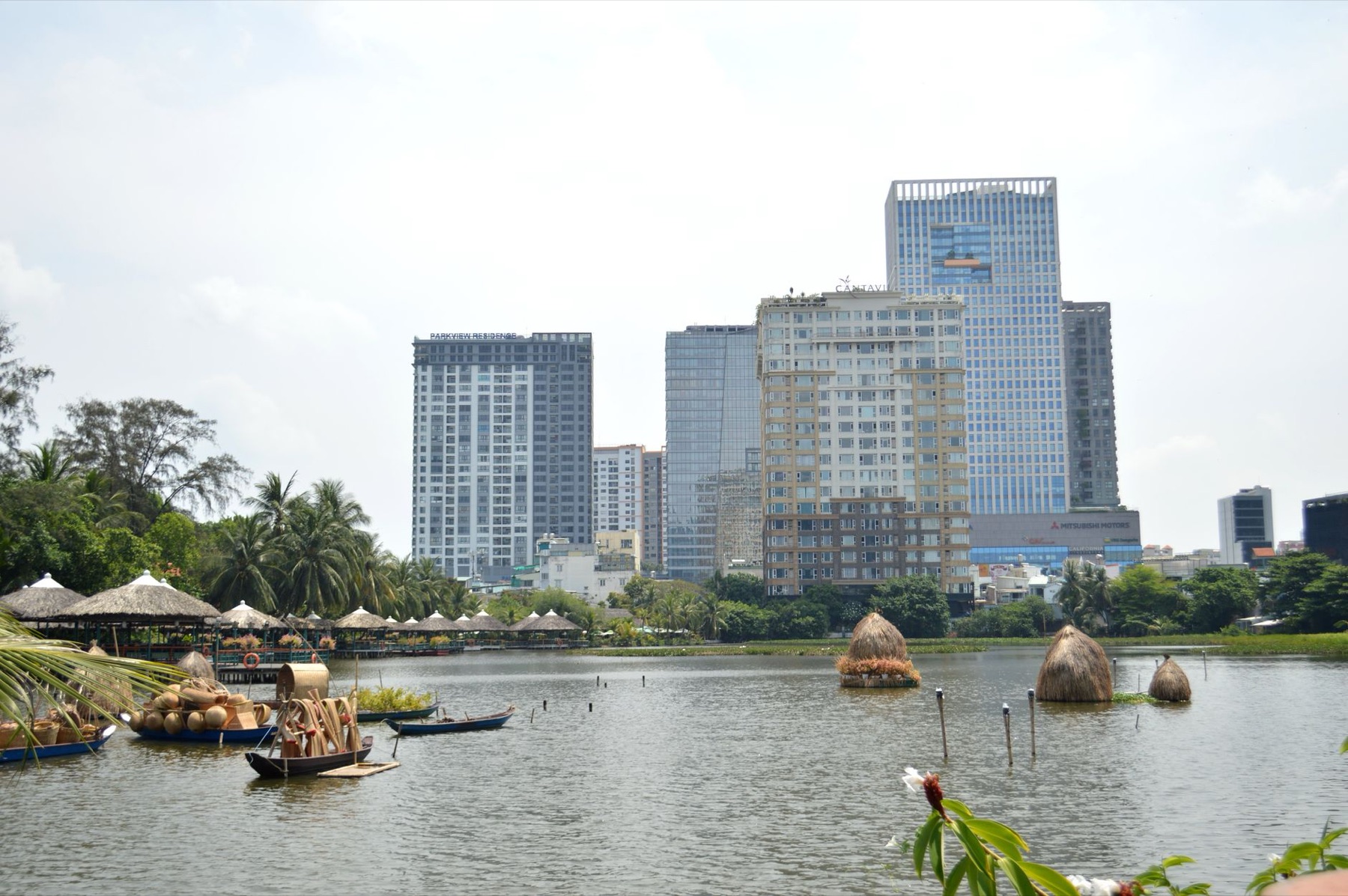
Thao Dien (District 2): Riverside cafés, local expat hangouts, and calmer streets. Take a motorbike taxi (around 40,000 VND / $1.60 from downtown) or grab one of the minibus routes. Early morning, you'll see Saigonese jogging and walking dogs. The Saigon River view at dawn is cleaner and quieter than any tourist viewpoint. Food is good and cheaper than District 1.
Binh Thanh and District 10: Where young Vietnamese actually live. Street-level pho shops, morning markets around 6–7 a.m., and no English signs. Tan Dinh Church (District 1, but walk through neighboring streets first) stands in a neighborhood of fabric shops and local eateries—far less visited than the Opera House.
District 6 (Binh Tay Market area): The city's oldest wholesale market. Overwhelming, loud, real. Most tourists miss it. Go at 6–7 a.m., wear closed shoes, keep a hand on your bag. The market sells fabric, dried goods, live fish, and produce. Nearby, you'll find the best broken-rice (com tam) stalls in the city. Budget around 30,000–50,000 VND ($1.20–$2) for a full breakfast.
🗺️ Plan your route: Vietnam itinerary
What Street Food and Dishes Are Worth the Hype?
Not all famous HCMC food is worth lining up for. Some spots trade on reputation and tourist dollars, not flavor.
Skip: Pho shops with photo menus and backpacker crowds. The best pho is eaten quietly at unmarked stalls where grandmothers have cooked the same broth for 20 years. You won't find them on Google; you'll stumble on them at 6 a.m. in neighborhoods.
Eat: Hu tieu (clear tapioca soup, around 30,000 VND / $1.20) at morning stalls. Com tam (broken rice with grilled meat, around 40,000 VND / $1.60). Banh mi from bakeries (not tourist stands), around 25,000–35,000 VND ($1–$1.40). Fresh spring rolls at wet markets, around 20,000 VND per set ($0.80). Fish cake soup (canh ca) in District 6, around 35,000 VND ($1.40).
Where locals actually eat: Early morning, the sidewalk outside any bakery. Around 11 a.m., lunch stalls near offices and factories. After 5 p.m., street vendors set up grilled meat skewers and sticky rice. None of these have names or ratings. You eat standing up, pay cash, move on.
How Do Temples and Pagodas Fit Into Your Itinerary?
HCMC has dozens of temples. Most tourists hit two or three. You can spend weeks exploring them or half a day sampling the most accessible.
Jade Emperor Pagoda (Phuoc Hai Tu, District 10): Small, ornate, active worship happening. Incense thick enough to taste. Free entry, opening around 7 a.m.–6 p.m. most days. Go early to avoid crowds. Nearby streets are residential; you'll see locals buying breakfast and flowers.
Thien Hau Pagoda (District 6): Larger, dedicated to the Goddess of the Sea. Fishermen and traders pray here. More tourists come here than Jade Emperor, but still manageable before 9 a.m.
Giac Lam Pagoda (District 10): Oldest in HCMC, less known. Wooden architecture, quiet courtyard, worth the motorbike ride. Around 15,000–20,000 VND in taxi fare from downtown ($0.60–$0.80).
Honest take: Temples aren't museums; they're active religious spaces. Dress respectfully (covered shoulders and knees). Don't photograph people praying. If you're not interested in spirituality or architecture, skip them—there's no obligation to temple-hop.
What Are the Real Scams and What Should You Avoid?
HCMC has fewer scams than Bangkok or Phuket, but they exist.
Avoid: Tuk-tuk rides negotiated on the street (use Grab app instead, around 40,000–80,000 VND / $1.60–$3.20 across town). Gem shops recommended by hotel staff or "friendly locals" (you'll pay 10x market price). Tailors who promise next-day custom suits (quality suffers, delivery often delayed). Tours booked through hotel lobbies (book direct or via reputable online platforms).
Actually fine: Street taxis with meters (Mailinh, Vinasun companies—flagged ones with company names). Motorbike taxis for short hops (negotiate price before riding). Local restaurants with no English menu (better food, lower prices).
What to check: Always ask your accommodation how much a cab should cost to your destination before accepting a ride. If someone approaches you unsolicited with "tour opportunity," politely decline. Grab app is your safest bet for transport.
📸 Book an ao dai photoshoot in Hanoi or Saigon (Cáo Studio)
How Should You Spend 3 Days vs. a Week in HCMC?
| Timeframe | Focus | Skip | Realistic Pace |
|---|---|---|---|
| 3 days | War Remnants Museum, Jade Emperor, Binh Tay Market, one neighborhood cafe | Pagoda hopping, day trips | Walking 10,000+ steps daily, early starts |
| 5 days | Above + Thao Dien riverside, District 10 locals' lunch, one temple deep-dive, riverside dinner | Multiple museums back-to-back | Mix walking with cafe sitting; 1 slower day |
| 1 week | All above + Cui Tan neighborhood, craft workshops (silk, lacquer), motorbike tour of outer districts, river sunset cruise | Overbooked itineraries, "see everything" fatigue | Pace yourself; leave gaps for getting lost |
The mistake most visitors make is trying to see too much. HCMC reveals itself slowly. One neighborhood in depth beats five neighborhoods rushed.
🎟️ Compare tours & tickets for this place
What Travel Gifts Capture the Spirit of HCMC?
If you're sending someone a piece of HCMC or want to take something authentic home, skip the mass-market lacquerware sold to tourists. Consider instead:
Handmade ceramics and pottery from local studios (check our gifts and keepsakes collections for artisan pieces). HCMC has a small ceramics community in outer districts; finished pieces often reflect Vietnamese scenes or abstract motifs, prices typically from $15–$40 depending on size and artist.
Custom star map prints capturing the night sky over HCMC on a meaningful date (birthday, anniversary, first visit). Check our personalized gifts collection for options that work. These let someone remember the exact moment they stood in the chaos and felt something real.
Engraved keepsake boxes or wooden items inscribed with Vietnamese words or personal messages. From our memory and keepsakes line, these suit people who want something daily-use, not decorative.
Silk scarves or fabrics from Binh Tay Market itself (buy directly; prices around 150,000–400,000 VND / $6–$16 for quality pieces). Handier than ordering online; you can feel the material and support vendors directly.
Printed travel journals or maps specific to HCMC neighborhoods (works well alongside our Vietnam itinerary guide if you're planning a broader trip).
---
What to Check Before You Buy
- For gifts shipped internationally: Confirm 5–10 day delivery times and whether insurance is included (free shipping applies for orders over $35 to US addresses).
- For local purchases: Buy from reputable stalls in established markets or ask your hotel to recommend artisans. Avoid "special offers" from unofficial shops.
- For experiences: Book tours through your hotel concierge or established platforms, not random people on the street.
---
FAQ
Is it safe to walk around HCMC alone?
Yes, daytime walking is safe in most neighborhoods. At night, stick to main streets and use Grab app for transport. Petty theft happens—watch bags and phones—but violent crime against tourists is rare. Women travelers report feeling safer in HCMC than Bangkok or Phuket.
When's the best time to visit HCMC?
November to January (cool and dry, 20–28°C). May to September is monsoon season (hot, 30–35°C, sudden heavy rain). Avoid December 25–January 2 if you want lower prices; everywhere is busier then.
How many days do I actually need in HCMC?
Three days minimum to feel the rhythm. Five days lets you skip rushed moments. More than a week, most visitors get restless or exhausted—better to base yourself here and take day trips to nearby areas like Ninh Binh or the Mekong Delta.
Should I take a Mekong Delta tour from HCMC?
Only if you have four or more days. One-day tours are exhausting, heavily toured, and feel factory-like. If you do, book with smaller operators, not big hotels. Most Mekong tours involve floating markets that now feel staged for cameras.
What's the deal with motorbike taxis?
Grab motorbike rides (called Grab Bike or Grab Bike+) are cheaper and registered. Street-flagged motorbikes are cheaper still (around 15,000–30,000 VND / $0.60–$1.20 for short hops) but negotiate price first. Both are safe in daylight; late night, use regular Grab cars instead. --- 🗺️ Plan your route: Vietnam itinerary | 🎟️ Compare tours & tickets for this place
FAQ
Is it safe to walk around HCMC alone?
Yes, daytime walking is safe in most neighborhoods. At night, stick to main streets and use Grab app for transport. Petty theft happens—watch bags and phones—but violent crime against tourists is rare. Women travelers report feeling safer in HCMC than Bangkok or Phuket.
When's the best time to visit HCMC?
November to January (cool and dry, 20–28°C). May to September is monsoon season (hot, 30–35°C, sudden heavy rain). Avoid December 25–January 2 if you want lower prices; everywhere is busier then.
How many days do I actually need in HCMC?
Three days minimum to feel the rhythm. Five days lets you skip rushed moments. More than a week, most visitors get restless or exhausted—better to base yourself here and take day trips to nearby areas like Ninh Binh or the Mekong Delta.
Should I take a Mekong Delta tour from HCMC?
Only if you have four or more days. One-day tours are exhausting, heavily toured, and feel factory-like. If you do, book with smaller operators, not big hotels. Most Mekong tours involve floating markets that now feel staged for cameras.
What's the deal with motorbike taxis?
Grab motorbike rides (called Grab Bike or Grab Bike+) are cheaper and registered. Street-flagged motorbikes are cheaper still (around 15,000–30,000 VND / $0.60–$1.20 for short hops) but negotiate price first. Both are safe in daylight; late night, use regular Grab cars instead. --- [🗺️ Plan your route: Vietnam itinerary](/vietnam/itinerary) | [🎟️ Compare tours & tickets for this place](/vietnam/tours)
More: Ho Chi Minh City guide · Ho Chi Minh City itinerary: 1, 2, 3 days