Ho Chi Minh City · Things to do
Things to Do in Ho Chi Minh City for Tourists: Neighborhoods, Markets
By Wander in Vietnam editorial team · Hanoi, Vietnam
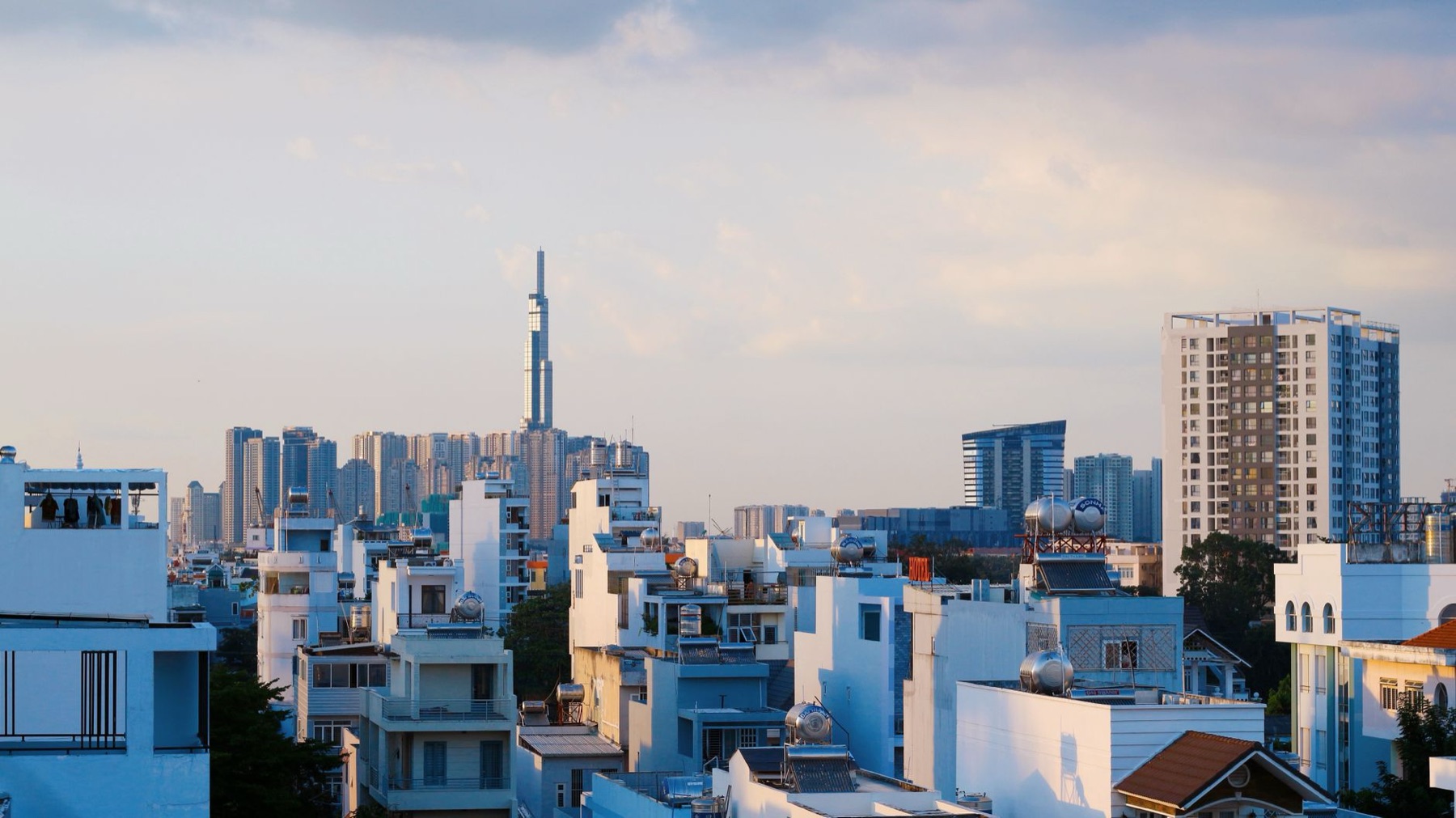
Ho Chi Minh City (still called Saigon by many locals) moves fast. Humid. Chaotic. Real. Most first-time tourists waste time on Instagram spots that disappoint. We'll map the neighborhoods that matter, the markets where locals actually eat, day trips worth the journey, and honest talk about what to skip.
Where do tourists actually spend their time?
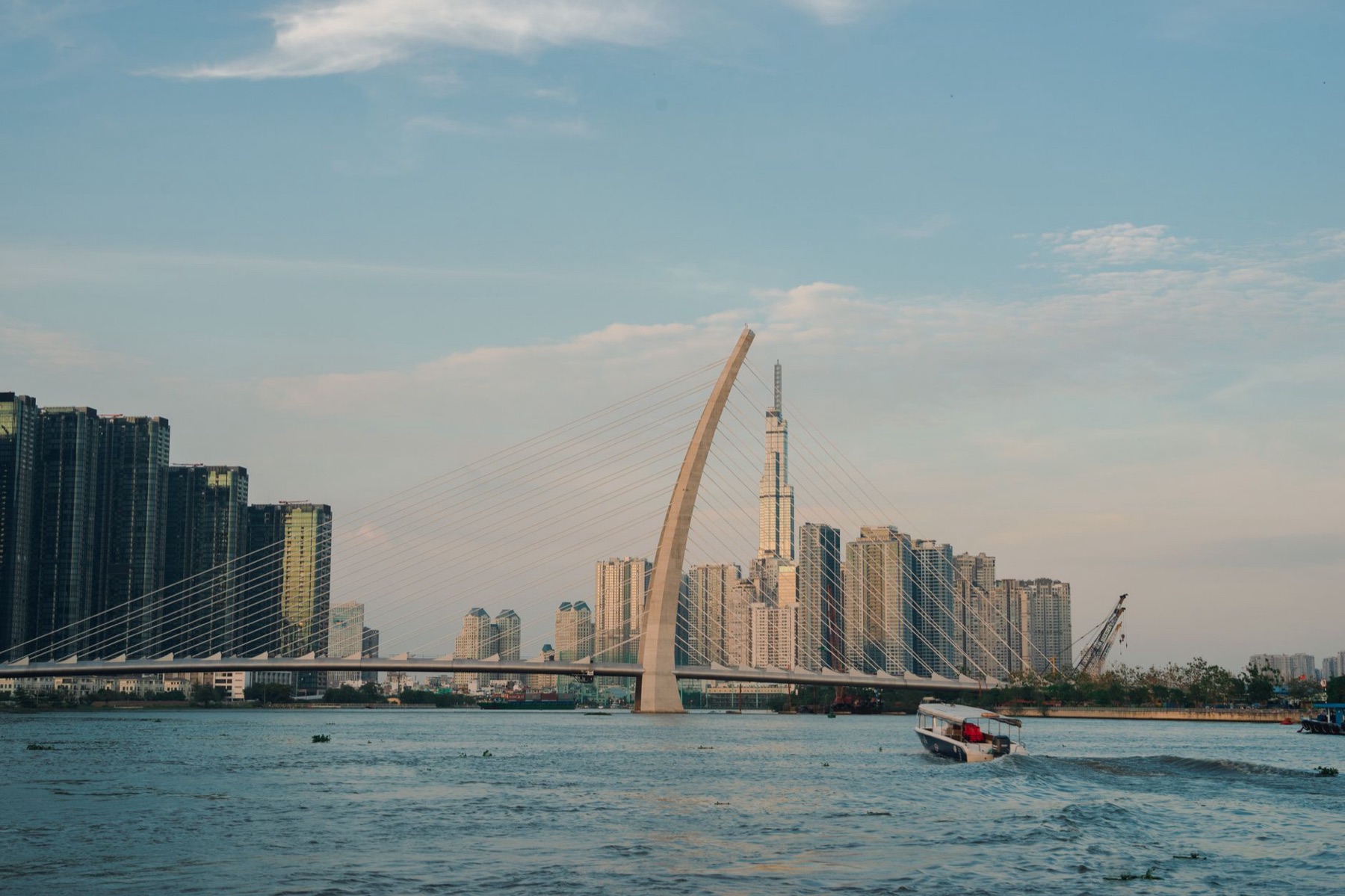
District 1 is ground zero. War Remnants Museum draws crowds (admission around 40,000–50,000 VND / $1.60–$2), and the building itself—a French colonial palace—is worth the entry fee alone. Bitexco Financial Tower offers observation decks; cost roughly 50,000 VND / $2 to go up during the day. Nearby, the Saigon River runs along Nguyen Hue Boulevard, where parks open up and locals walk after work. Independence Palace sits in the center and requires a guided tour (around 30,000–40,000 VND / $1.20–$1.60 per person). Don't expect luxury here. Expect stories in the walls.
Binh Thanh District (northeast of downtown) is where expats live and Vietnamese families take weekend walks. It's less touristy. Parks like Tao Đàn park hold tai chi sessions at dawn. Temples—Vinh Nghiem Pagoda especially—sit quiet mid-morning. You'll see real neighborhood rhythms, not tour groups.
Cho Lon (District 5, the Chinese district) spans chaotic alleys, jewelry shops, fabric traders, and one of the oldest temples in the city: Thien Hau Temple. Getting lost here is the point. Alleys smell like incense and fried food. Entrance is free; donations welcome.

What markets should you actually visit?
Ben Thanh Market (Quach Thi Trang Street, District 1) is the postcard. It's also crowded, overpriced, and where hard-sell vendors target tourists. Go early (6–7 a.m.) if you want to see locals buying breakfast. Avoid mid-morning to 5 p.m., when it becomes a souvenir gauntlet.
Better markets:
- Binh Tay Market (An Duong Vuong Street, District 5) sells fabrics, spices, tea, dried goods—mostly wholesale. Hustle is real but aimed at traders, not you. No entry fee. Food stalls outside. This is Cho Lon's spine.
- Thao Dien Night Market (weekends, An Phu Ward, District 2) opens around 6 p.m., runs late. Street food, crafts, clothes. Locals and expats mix here. Small dishes cost 20,000–50,000 VND / $0.80–$2.
Street food alleys matter more than markets. Nguyen Hue Walking Street becomes a night food corridor after 6 p.m. (grilled meat, spring rolls, corn). De Tham Street (Pham Ngu Lao Ward, District 1) is the backpacker alley—cheap, loud, reliable. Fewer surprises but fewer scams.
What's worth a full day vs. a half-day?
| Activity | Location | Time needed | Real cost | Best for |
|---|---|---|---|---|
| War Remnants Museum | District 1 | 2 hours | ~40,000 VND / $1.60 | History, reflection |
| Ben Thanh + street food walk | District 1 | 3–4 hours | 100,000–150,000 VND / $4–$6 | Market snap, local flavor |
| Mekong Delta full day | Tours leave District 1 | 8–10 hours | 400,000–700,000 VND / $16–$28 pp | Floating markets, orchard visits |
| Bitexco + riverside evening stroll | District 1 | 2–3 hours | 50,000 + food (~100,000) | Sunset views, dinner |
| Binh Thanh neighborhood walk + pagoda | Binh Thanh | 2–3 hours | Food only (~80,000) | Temples, escape crowds |
| Thien Hau Temple + Cho Lon alleys | District 5 | 2–3 hours | Donation + food (~60,000) | Religion, architecture, authenticity |
🗺️ Plan your route: Vietnam itinerary
Should you take a Mekong Delta tour?
Yes—but pick carefully. Full-day tours leave at 7–8 a.m. from hotels in Districts 1 and 3, cost around 400,000–600,000 VND / $16–$24 per person (group tours), or 1,200,000–1,800,000 VND / $48–$72 for private tours. You'll visit floating markets (Cai Be or Cai Rang), orchards, workshops, villages. Lunch is included in most group packages.
Real talk: Group tours feel rushed. You're herded through markets for 45 minutes, photo stops at fake "family workshops," then lunch at a tourist restaurant taking commission from your guide. Private tours (2–4 people) give you time to actually talk to boat captains and villagers, but cost more.
Better approach: hire a guide independently through a hotel (less markup), or use platforms that vet individual boat operators. Ask about the specific floating market (Cai Rang is more commercial; Nga Bay is quieter). Avoid tours bundling "three villages + lunch + souvenir" in 8 hours. Aim for depth, not checkbox tourism.
What scams and tourist traps kill your budget?
Ben Thanh Market: Fake silk, overpriced souvenirs, scale-rigged seafood stalls. Ask price before ordering. Pay cash, count change.
Gem shops: You'll be invited to "private sales." Rubies and sapphires are often synthetic or overgraded. Skip entirely unless you're a gemologist.
Taxi: Use Grab (the app) instead of hailing cabs. Meter taxis are legitimate, but drivers for tourists often "have no change" or misuse the meter. Grab is transparent, traceable, and costs around 20,000–60,000 VND / $0.80–$2.40 across the city.
Restaurant bills: Always ask for a menu with prices. Some upscale tourist traps add hidden "service" charges or overcharge for seafood by weight without clear signage.
Motorbike taxis ("xe om"): Use Grab Bike app. Negotiating on the street invites inflated fares.
📸 Book an ao dai photoshoot in Hanoi or Saigon (Cáo Studio)
What should you actually take home?
Forget Ben Thanh souvenirs. Real keepsakes:
- Lacquerware: Visit Hang Gai Street (Old Quarter vibe, no—wait, that's Hanoi). In HCMC, Binh Tay Market has smaller lacquer boxes and trays (100,000–500,000 VND / $4–$20). Check finish for cracks.
- Conical hats ("non la"): Buy from weavers in Cho Lon alleys, not tourist stalls (30,000–100,000 VND / $1.20–$4).
- Coffee: Buy from specialty roasters in District 1 (Pham Ngu Lao area has several) rather than airport duty-free. Vietnamese coffee is specific to region; ask the roaster for their story.
- Silk scarves or clothing: Binh Tay Market, bulk sellers. Negotiate for quality. Real silk costs; ultra-cheap = polyester.
Consider a custom keepsake: Star map prints of your travel dates in HCMC, engraved wooden boxes, or personalized travel journals capture the trip better than mass-made trinkets. Browse collections for travel mementos and gifts that suit your style and budget.
🎟️ Compare tours & tickets for this place
How many days should you spend in Ho Chi Minh City?
- 3 days: War Remnants Museum, street food walks, Bitexco sunset, one Mekong Delta tour.
- 5 days: Add Binh Thanh neighborhood, Cho Lon temple exploration, riverside evening strolls, local-run food tours.
- 7+ days: Slow travel—coffee shops, cooking classes, day trips to Cu Chi Tunnels (45 min northwest) or Vung Tau beach (2 hours south).
Most tourists spend 2–3 days. That's enough. The city reveals itself not through landmarks but through walking, eating, and stopping to watch people. Move slowly. Take the wrong alley. Talk to shopkeepers.
---
What to check before you book or buy
✓ Tours: Read recent reviews on independent platforms (not just booking sites). Ask your hotel or hostel directly—staff see failures fast.
✓ Market haggling: Know the item's real value (ask at 2–3 stalls first). Never agree to a price you wouldn't pay at home.
✓ Transport: Always use Grab app or ask your hotel to call a metered taxi. Agree on price before any motorbike ride.
✓ Food: Busy stalls are usually safe (high turnover). Eat where locals eat, not where menus have English prices.
✓ Gifts: If buying for someone specific, explore personalized travel keepsakes that tell your actual story instead of generic tourist goods.
---
Related reading
Heading back to Hanoi? Or extending your trip? Check our guides to Hoi An, Ha Long Bay, Ninh Binh, and Sapa to plan the rest of your Vietnam route. You'll also want a Vietnam e-visa and reliable eSIM before you land—both save friction and money.
🗺️ Plan your route: Vietnam itinerary
---
FAQ
Is Ben Thanh Market worth visiting if I'm short on time?
Only if you want the postcard photo. Skip it if you've seen other Southeast Asian night markets. Go early (6–7 a.m.) to see real life; mid-day is pure tourism. Better markets exist in Cho Lon or Binh Tay if you want authentic shopping and food.
How much should I budget for a day in Ho Chi Minh City?
Budget 200,000–500,000 VND / $8–$20 for food, transport, and one paid attraction if you're staying medium-range. Museum entry, museum meal, Grab rides, evening street food. Mekong Delta tour adds 400,000–700,000 VND / $16–$28 per person. Private guides cost more; street discovery costs less.
What's the best time of day to visit markets and temples?
6–8 a.m. for authentic shopping and fewer tourists. Temples are quietest 10–11 a.m. on weekdays. Markets close or empty after 2 p.m. Evenings open night markets (6 p.m. onward). Avoid midday (11 a.m.–3 p.m.) for crowds and heat.
Do I need a guide, or can I explore alone?
Explore alone confidently. Neighborhoods are safe. Streets are labeled in Latin characters. Grab app works reliably. Guides help if you want history context or want to go deep into neighborhoods like Binh Thanh or Cho Lon; otherwise, walking with a map (Google Maps works offline) and talking to locals beats a rushed group tour.
Should I visit Cu Chi Tunnels or Vung Tau beach as a day trip?
Cu Chi Tunnels (45 min northwest) are historically significant but touristy and cramped underground. Go if war history grips you; skip if claustrophobic or fatigued. Vung Tau (2 hours south) is a beach escape, but Ho Chi Minh City isn't a beach destination—only visit if you have 4+ extra days. Better to push south to Ninh Binh or Ha Long Bay for nature.
What souvenirs are worth buying, and where do locals shop?
Skip Ben Thanh tourist traps. Buy lacquerware, coffee, silk scarves, or conical hats from Binh Tay Market in Cho Lon. Or consider a personalized travel keepsake—star map prints, engraved boxes, or custom journals capture your trip better than mass-made trinkets and support local artisans if bought through fair-trade platforms. Always ask for the maker's story.
FAQ
Is Ben Thanh Market worth visiting if I'm short on time?
Only if you want the postcard photo. Skip it if you've seen other Southeast Asian night markets. Go early (6–7 a.m.) to see real life; mid-day is pure tourism. Better markets exist in Cho Lon or Binh Tay if you want authentic shopping and food.
How much should I budget for a day in Ho Chi Minh City?
Budget 200,000–500,000 VND / $8–$20 for food, transport, and one paid attraction if you're staying medium-range. Museum entry, museum meal, Grab rides, evening street food. Mekong Delta tour adds 400,000–700,000 VND / $16–$28 per person. Private guides cost more; street discovery costs less.
What's the best time of day to visit markets and temples?
6–8 a.m. for authentic shopping and fewer tourists. Temples are quietest 10–11 a.m. on weekdays. Markets close or empty after 2 p.m. Evenings open night markets (6 p.m. onward). Avoid midday (11 a.m.–3 p.m.) for crowds and heat.
Do I need a guide, or can I explore alone?
Explore alone confidently. Neighborhoods are safe. Streets are labeled in Latin characters. Grab app works reliably. Guides help if you want history context or want to go deep into neighborhoods like Binh Thanh or Cho Lon; otherwise, walking with a map (Google Maps works offline) and talking to locals beats a rushed group tour.
Should I visit Cu Chi Tunnels or Vung Tau beach as a day trip?
Cu Chi Tunnels (45 min northwest) are historically significant but touristy and cramped underground. Go if war history grips you; skip if claustrophobic or fatigued. Vung Tau (2 hours south) is a beach escape, but Ho Chi Minh City isn't a beach destination—only visit if you have 4+ extra days. Better to push south to [Ninh Binh](/ninh-binh) or [Ha Long Bay](/ha-long-bay) for nature.
What souvenirs are worth buying, and where do locals shop?
Skip Ben Thanh tourist traps. Buy lacquerware, coffee, silk scarves, or conical hats from Binh Tay Market in Cho Lon. Or consider a [personalized travel keepsake](/collections)—star map prints, engraved boxes, or custom journals capture your trip better than mass-made trinkets and support local artisans if bought through fair-trade platforms. Always ask for the maker's story.
More: Ho Chi Minh City guide · Things to do in Ho Chi Minh City