Ho Chi Minh City · Things to do
Things to Do in Ho Chi Minh City: Honest Guide for 2026
By Wander in Vietnam editorial team · Hanoi, Vietnam
Ho Chi Minh City draws millions of tourists yearly—and that's both its strength and its curse. The city sprawls across 24 districts, traffic is aggressive, street names change often, and vendors will quote you triple prices if you look uncertain. But underneath the chaos, there's genuine culture: old Saigon architecture crumbling in District 1, working-class neighborhoods in Districts 3 and 7, and the Mekong Delta just hours away by boat.
We've walked these streets long enough to know which attractions are worth your hours and which trap you in tour-bus clusters. Here's what actually matters and how to do it right.
What makes Saigon different from other Vietnamese cities?
Saigon is chaotic, humid, motorbike-heavy, and commercial in ways Hanoi isn't. It moves faster, feels younger, and cares less about tradition—which some travelers love. Unlike Hoi An's frozen-in-time charm or Sapa's mountains, Saigon is alive and messy: construction cranes everywhere, sidewalks packed with food carts, and zero silence. If you want authenticity in a developing megacity (not a postcard village), you're in the right place.
The upside: neighborhoods like Binh Thanh and Go Vap have cheap pho, real cafés, and zero tourists. The downside: you'll need to navigate aggressive traffic and frequent price gouging. Most visitors stay in District 1, which is central but touristy. We recommend dividing your time between District 1 (War Remnants Museum, Saigon Notre-Dame, Reunification Palace) and Districts 3 and 7 (local markets, street food, residential calm).
🗺️ Plan your route: Vietnam itinerary | 📸 Book an ao dai photoshoot in Hanoi or Saigon (Cáo Studio)
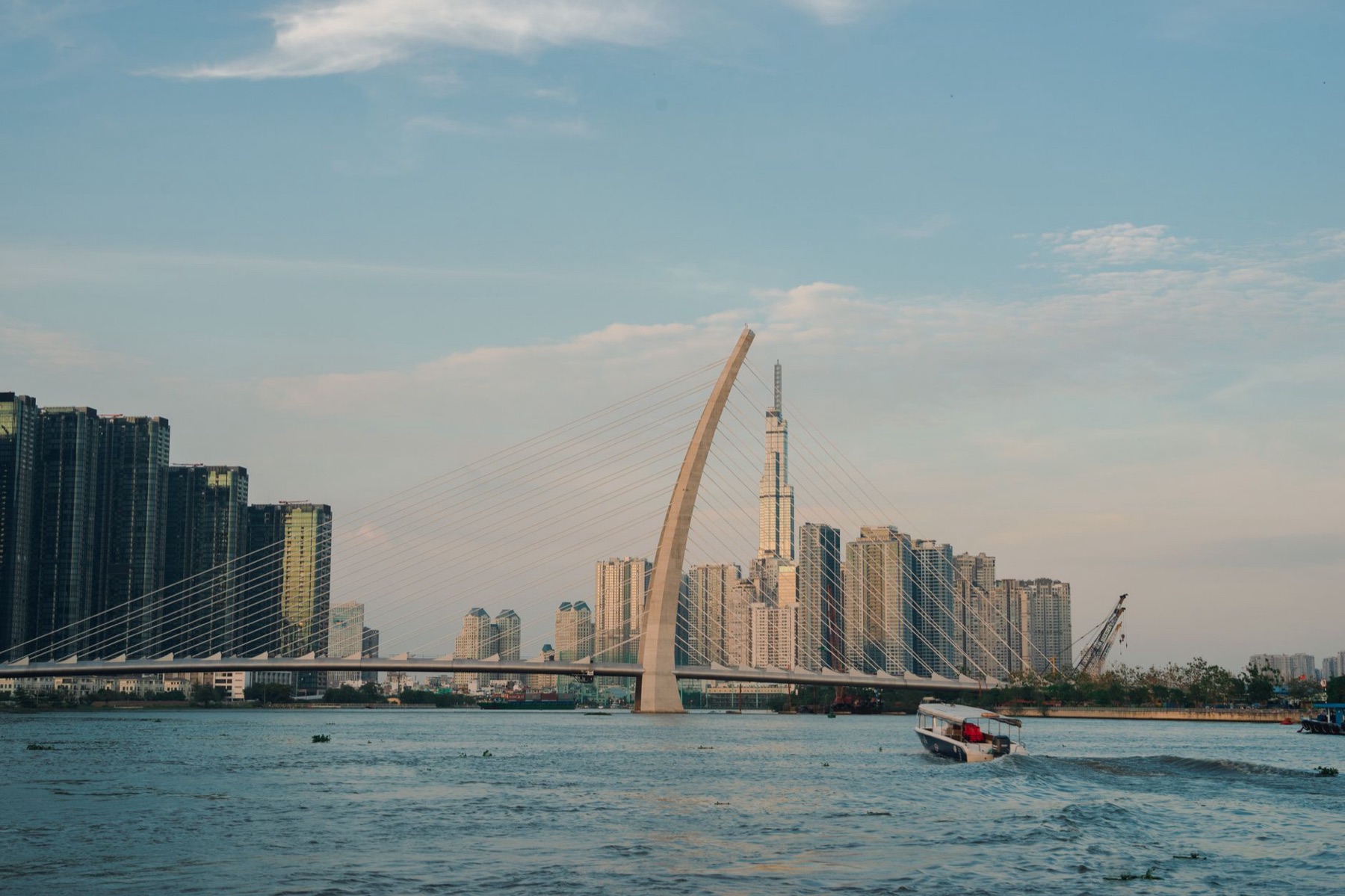
Which neighborhoods should you actually spend time in?
District 1 (Ben Thanh, Dong Khoi): The tourist hub. War Remnants Museum, Opera House, Saigon Notre-Dame, fine-dining restaurants. Crowded, expensive (meals from 150,000–500,000 VND / ~$6–$20), but essential for first-time visitors.
District 3 (real Saigon): Tree-lined streets, coffee culture, expat and student hangouts. Cafés serve ca phe da (iced coffee) for 25,000–40,000 VND (~$1–$1.60). Less polished, more livable, fewer tour groups.
District 4 (Thao Dien): Riverside development. Trendy restaurants, expat bars, Bitexco Financial Tower proximity. Rent is high; eating and drinking costs reflect it.
Districts 5 & 6 (Cholon, Chinatown): Chaotic, dense, smells like fish sauce and incense. Binh Tay Market (largest in the city), jade shops, noodle restaurants where bowls cost 35,000–55,000 VND (~$1.40–$2.20). Tour buses avoid it. Locals dominate. Go on foot in early morning; don't expect English.
District 7 (emerging): Office towers, shopping malls, riverside cafés. Safe, clean, less character than Districts 3 and 5, but easier to navigate.
Binh Thanh (residential east): Local markets, traditional pho vendors, zero English. Real Saigon, 30 minutes by taxi from District 1.
| Neighborhood | Best For | Meal Cost (approx) | Tourist Density | Vibe |
|---|---|---|---|---|
| District 1 (Ben Thanh) | Museums, landmarks, dining | 150k–500k VND | Very high | Touristy, safe, convenient |
| District 3 | Cafés, street food, expat life | 50k–150k VND | Medium | Lively, student-friendly |
| Cholon (Districts 5–6) | Markets, temples, authenticity | 35k–80k VND | Low | Chaotic, authentic, loud |
| Thao Dien (District 4) | Upscale dining, river views | 200k–600k VND | High | Expat bubble, polished |
| Binh Thanh | Local eating, residential feel | 40k–100k VND | Very low | Real Saigon, no English |
🎟️ Compare tours & tickets for this place
What are the must-see attractions—and which ones aren't worth queuing for?
Worth your time:
- War Remnants Museum (District 1): Confronting, essential. Arrives early (7:30 AM) to avoid tour groups. Admission around 100,000–150,000 VND (~$4–$6). Expect 2–3 hours. No photography on some floors.
- Reunification Palace (District 1): Cold War architecture, guided tour only (60 minutes). Around 120,000 VND (~$5). Bao Tang Ton Duc Thang Museum next door (cheaper, quieter) covers similar history if crowds turn you away.
- Bitexco Financial Tower (District 1): 49th-floor observation deck, 360° views, sunset is prime time. Around 200,000–250,000 VND (~$8–$10). Shorter queues at 4 PM than midday.
- Ben Thanh Market (District 1): Silk, lacquerware, souvenirs, tourist prices (haggle down 30–40%). Food stalls in the center are decent but pricey for tourists. Binh Tay Market in Cholon is bigger, cheaper, and less touristy if you have time.
- Buddhist temples: Jade Emperor Pagoda (District 1, free), Thien Hau Temple (Cholon, free), Vinh Nghiem Pagoda (District 3, free). Morning visits (6–8 AM) are quieter and more respectful. Remove shoes, dress modestly.
Overrated; skip if you're short on time:
- Saigon Zoo: Small, sad animals, tourist tax pricing.
- Saigon Skydeck (same observation deck as Bitexco, different company): duplicates Bitexco's experience.
- Pre-booked dinner cruises on Saigon River: expensive, mediocre food, better to grab pho on a sidewalk.
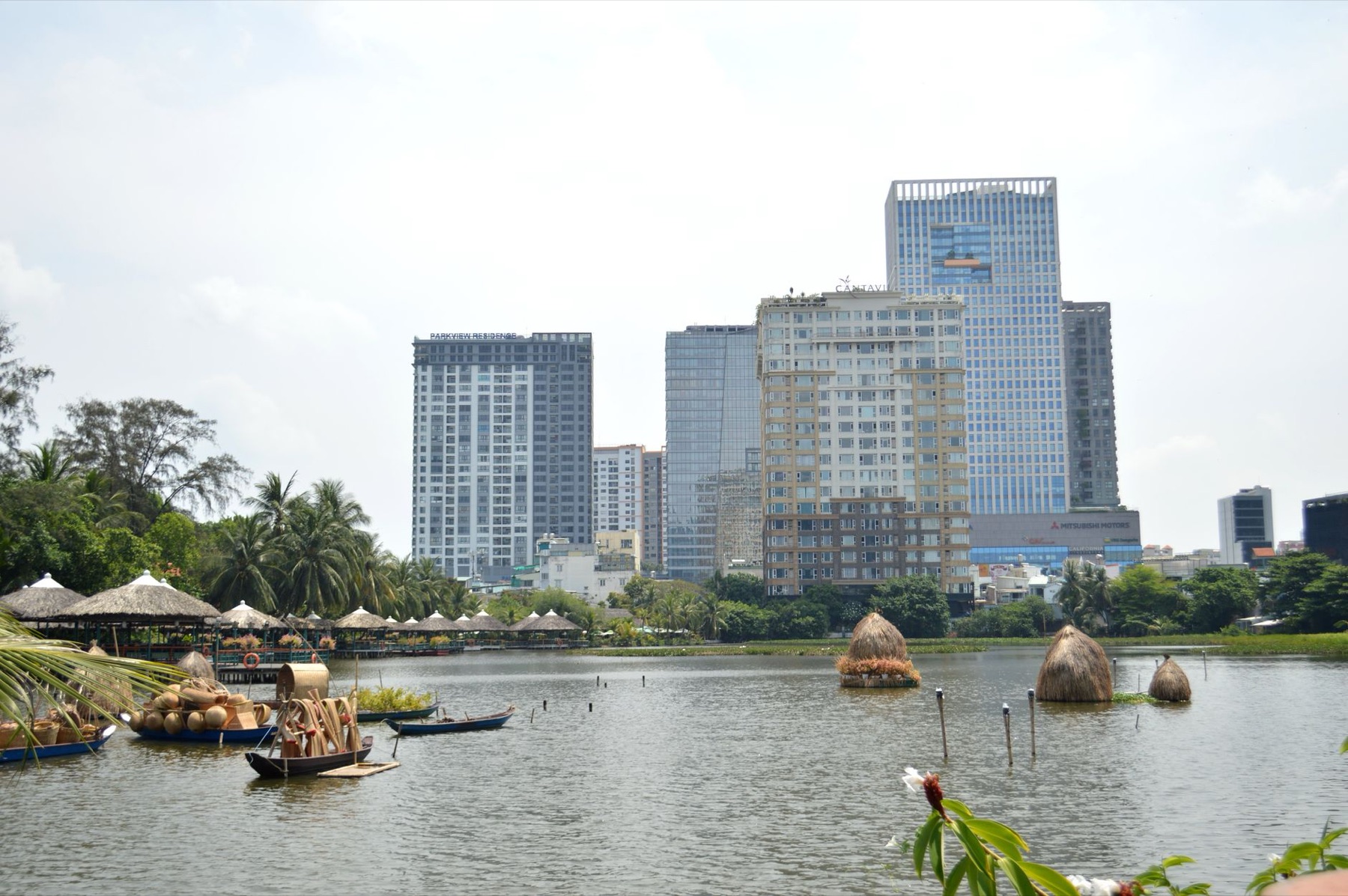
How do you eat well without overpaying or getting sick?
Street food is Saigon's greatest gift. Pho, banh mi, banh mi nuong (toasted sandwich), fresh spring rolls, calamansi juice. Real rule: eat where locals eat. If a vendor serves 20 tables per morning and locals queue, the food is safe.
No-fail spots by neighborhood:
- District 1: Pho An (early morning, beef noodle soup, 40,000 VND / ~$1.60). Banh mi stalls on Le Loi Street. Nguyen Hue Walking Street (closed to cars evenings): cafés, smoothies, noodle stands.
- District 3: Countless pho shops on Vo Van Tan Street. Coffee culture is strong; any café with condensed milk (sua da) costs 25,000–35,000 VND (~$1–$1.40).
- Cholon: Binh Tay Market has noodle stalls. Hu Tieu (clear soup with pork) for 30,000–45,000 VND (~$1.20–$1.80). Fish sauce capital of Vietnam; smell is intense but food is authentic.
- District 7: Upscale restaurants, higher prices (150,000–400,000 VND / ~$6–$16 per dish).
How to avoid stomach issues:
- Eat hot food, not cold salads.
- Drink only bottled water or hot tea.
- Watch street vendors cook in front of you.
- Avoid ice in cheap drinks; buy pre-made coffee.
- Eat at busy stalls (high turnover = fresh food).
- If you get sick: Cho Ray Hospital (District 5) or FV Hospital (District 7) are reliable; insurance or USD/VND cash accepted.
📸 Book an ao dai photoshoot in Hanoi or Saigon (Cáo Studio)
What one-day and side-trip options exist?
Within Saigon (half-day):
- Nguyen Hue Walking Street (District 1): Pedestrian-only evenings (5 PM onward). Street food, shops, crowds. Free.
- Saigon River walk (Districts 1 & 4): Riverside parks. Sunset at 6:15 PM year-round. Free, locals-only vibe after dark.
One-day trips from Saigon:
- Cu Chi Tunnels (40 km northwest): Viet Cong tunnel network, war museum, shooting ranges. Tour cost around 400,000–800,000 VND (~$16–$32) including transport and guide. 6–8 hours. Honest take: touristy, physically cramped, historically important but heavy. Go early to avoid midday heat.
- Mekong Delta (Vinh Long, Can Tho, 2–3 hours south): Floating markets, rice paddies, family-run orchards. Require a guided boat tour (400,000–1,200,000 VND / ~$16–$48 for half- or full-day). Floating market (Can Tho) is touristy but photogenic at sunrise. Local orchard tours via homestays are quieter. Most visitors do this as overnight or full-day excursion.
- Tay Ninh Holy See (100 km northwest): Caodaism temple (unique Vietnamese religion). Colorful, peaceful, rarely crowded. Half-day trip, noon service is traditional. Tour cost around 500,000–900,000 VND (~$20–$36).
For planning a multi-city itinerary that includes Saigon, Hanoi, and the north, see our Vietnam itinerary guide.
What practical things do I need to know before arriving?
- Visa: US, UK, Australian, and European citizens need a Vietnam visa. Apply online via e-visa (~25 USD) or arrange on arrival (check Vietnam visa requirements).
- eSIM/data: Buy a local eSIM before arrival or grab a SIM card at Tan Son Nhat Airport for around 150,000–300,000 VND (~$6–$12) with 3–5 GB data. See eSIM options for Vietnam.
- Money: ATMs everywhere. Draw cash in 100,000–500,000 VND denominations. USD accepted in tourist zones but VND is better for street vendors. Credit cards work in malls and restaurants.
- Getting around: Grab (app-based motorbike & car) or Mai Linh taxi. Motorbike rides across Saigon cost 30,000–100,000 VND (~$1.20–$4). Don't rent a motorbike unless you're experienced; traffic is chaotic.
- Heat & humidity: April–September is hot and rainy. October–March is cooler. Dress light, bring sunscreen, start activities early (6–8 AM).
- Scams to avoid:
- "Friendly student" asking to practice English, then dragging you to overpriced bar.
- Unlicensed taxis (use Grab or official white taxis with meters).
- Tour operators selling fake tickets; book directly at museum entrances or via hotel reception.
- Tailors offering suits in 24 hours; quality suffers.
- Gifts and keepsakes: Lacquerware boxes, silk scarves, and star maps (personalized with your Saigon date) make thoughtful souvenirs. Check our gift collection pages for curated options to bring home.
What to check before you buy:
- Souvenirs: Haggle at Ben Thanh Market (expect 30–40% off initial price). Don't buy turtle shells, rhinoceros horn, or endangered animal products (illegal, not ethical).
- Tours: Book via established operators (not street hawkers). Read reviews on Google Maps or ask your hotel for recommendations.
- Accommodation: Book in District 1 or 3 if first-time; both are central and safe. Avoid isolated budget hostels.
- Street food: Eat at busy stalls with visible cookware. Avoid raw or pre-cut fruit from unknown vendors.
- Photoshoots: If you want professional ao dai or street photography, Cáo Studio offers makeup and photoshoot services in Saigon by appointment.
For more Southeast Asia context, see our guides to Hanoi, Hoi An, Ha Long Bay, Ninh Binh, and Sapa.
🎟️ Compare tours & tickets for this place
FAQ
How many days do I need in Ho Chi Minh City?
Two to three days covers major museums, temples, and neighborhoods. One day suffices for quick travelers hitting War Remnants Museum and Bitexco Tower. Add a fourth day if including Cu Chi Tunnels or Mekong Delta. Most visitors spend 2–4 days total.
Is Ho Chi Minh City safe for solo travelers?
Yes, generally very safe. Petty theft happens in crowded markets; keep valuables in a bag close to your body. Avoid walking alone late at night in quiet alleys. Use Grab for evening transport. Women travelers report feeling safe; common sense applies.
What's the best time of year to visit?
October through March: cooler, less rain, 25–28°C daytime. April–May and September is hot, humid, occasional rain. June–August: monsoon season, frequent downpours, cheaper prices. Most tourists visit November–February.
Do I need to speak Vietnamese?
No. English is spoken in tourist areas (District 1, hotels, restaurants). Street vendors and locals in residential neighborhoods speak little English; learn basic phrases or use Google Translate. It helps, but not essential.
Can I use my US/UK credit card?
Yes, in malls, hotels, and upscale restaurants. Street food vendors, markets, and taxis require cash (VND). ATMs are abundant; withdrawal fees vary by bank (~30,000–50,000 VND / ~$1.20–$2).
How do I avoid tourist traps in Ben Thanh Market?
Set a price ceiling before entering. Walk past first vendor to gauge pricing. Haggle down 30–40% from initial quote. Avoid fake branded goods and turtle shells. Visit Binh Tay Market in Cholon for cheaper, more authentic experience.
What's the food I absolutely must try?
Pho (beef noodle soup), banh mi (Vietnamese sandwich), fresh spring rolls, hu tieu (clear soup), and ca phe sua da (iced coffee with condensed milk). All cost under 60,000 VND (~$2.40) at street stalls.
FAQ
How many days do I need in Ho Chi Minh City?
Two to three days covers major museums, temples, and neighborhoods. One day suffices for quick travelers hitting War Remnants Museum and Bitexco Tower. Add a fourth day if including Cu Chi Tunnels or Mekong Delta. Most visitors spend 2–4 days total.
Is Ho Chi Minh City safe for solo travelers?
Yes, generally very safe. Petty theft happens in crowded markets; keep valuables in a bag close to your body. Avoid walking alone late at night in quiet alleys. Use Grab for evening transport. Women travelers report feeling safe; common sense applies.
What's the best time of year to visit?
October through March: cooler, less rain, 25–28°C daytime. April–May and September is hot, humid, occasional rain. June–August: monsoon season, frequent downpours, cheaper prices. Most tourists visit November–February.
Do I need to speak Vietnamese?
No. English is spoken in tourist areas (District 1, hotels, restaurants). Street vendors and locals in residential neighborhoods speak little English; learn basic phrases or use Google Translate. It helps, but not essential.
Can I use my US/UK credit card?
Yes, in malls, hotels, and upscale restaurants. Street food vendors, markets, and taxis require cash (VND). ATMs are abundant; withdrawal fees vary by bank (~30,000–50,000 VND / ~$1.20–$2).
How do I avoid tourist traps in Ben Thanh Market?
Set a price ceiling before entering. Walk past first vendor to gauge pricing. Haggle down 30–40% from initial quote. Avoid fake branded goods and turtle shells. Visit Binh Tay Market in Cholon for cheaper, more authentic experience.
What's the food I absolutely must try?
Pho (beef noodle soup), banh mi (Vietnamese sandwich), fresh spring rolls, hu tieu (clear soup), and ca phe sua da (iced coffee with condensed milk). All cost under 60,000 VND (~$2.40) at street stalls.
More: Ho Chi Minh City travel guide · Things to do in Ho Chi Minh City