Ho Chi Minh City · Things to do
Things to Do in Ho Chi Minh City: Honest Insider Guide 2026
By Wander in Vietnam editorial team · Hanoi, Vietnam
Ho Chi Minh City (Saigon) is Vietnam's economic heartland, and honestly, it wears that role loudly. Motorbikes clog every avenue, street vendors operate on no visible schedule, and English is patchier than in Hanoi or beach towns. But that chaos is the point. Below, we've broken down what actually works, what's overhyped, and how to move through the city without burning out.
What's Actually Worth Your Time vs. Tourist Traps?
Ben Thanh Market sits dead centre in District 1 and pulls every visitor through its gates. It is worth an hour—but go between 6–7 a.m. before crowds, or after 5 p.m. Skip the midday crush. The market sells knockoff branded goods (real scams), cheap souvenirs, textiles, and some fresh produce in the back halls. Haggle ruthlessly; starting prices are typically 2–3× what locals pay. A postcard might cost 30,000 VND (around $1.20 USD) if you walk away once.
The War Remnants Museum in District 1 is heavy and necessary, not entertainment. Arrive by 8:30 a.m. or expect queues and crowds. Admission is around 75,000 VND ($3 USD). The American War (as it's called here) displays are graphic—graphic enough that many visitors need a break halfway through. Plan two to three hours.
Overrated? The Bitexco Financial Tower's "Sky Deck" observation deck. For around 200,000 VND ($8 USD), you get a small indoor platform, no outdoor viewing, and views no better than free rooftop bars in District 1–3. Skip it.
🗺️ Plan your route: Vietnam itinerary
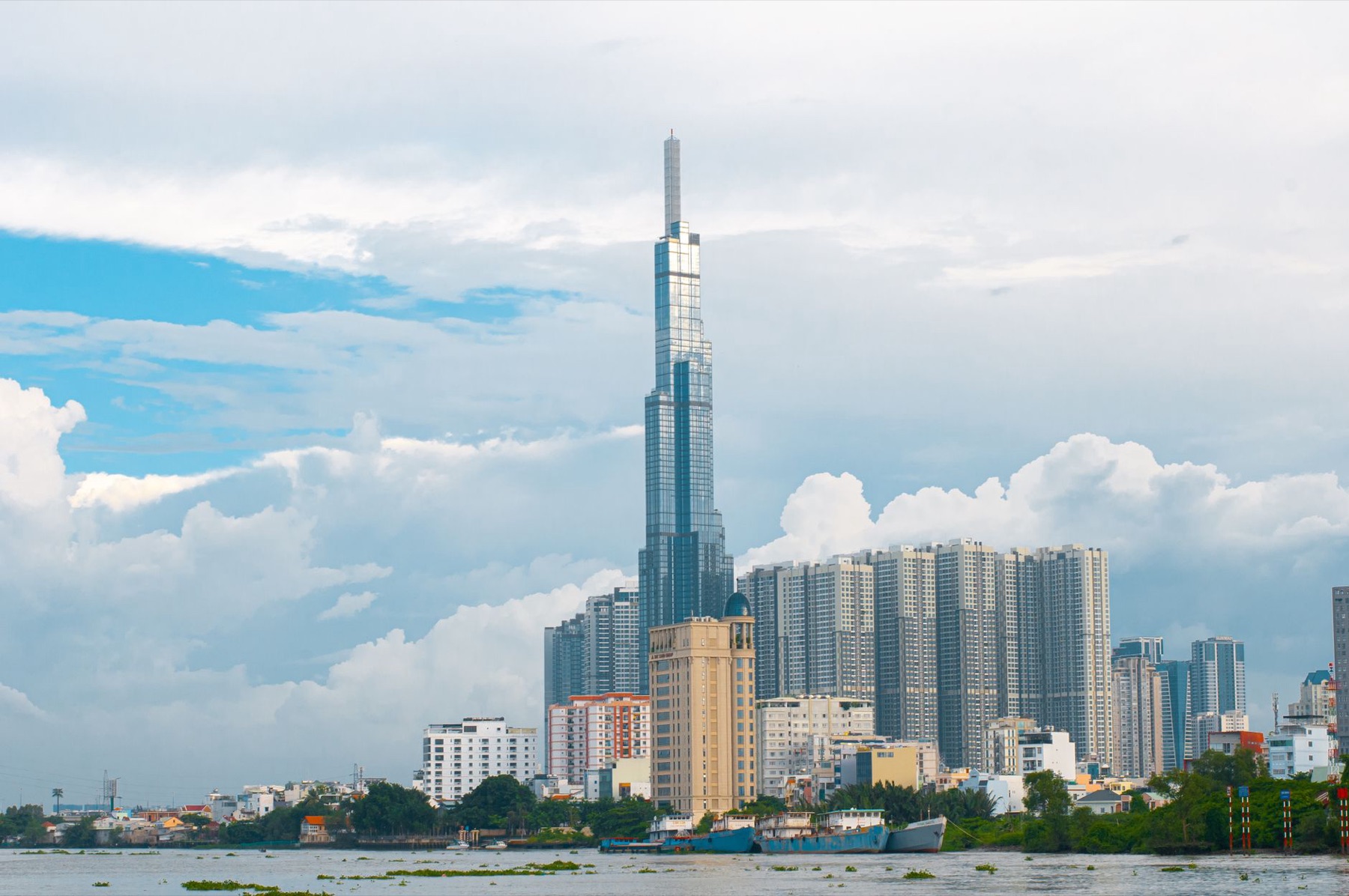
Which Neighbourhoods Should You Actually Explore?
District 1 (Central Saigon): Nguyen Hue Walking Street, Saigon Post Office, City Hall, and Bitexco tower cluster here. It's touristy but unavoidable for colonial architecture. Most visitors base themselves here or in District 3.
District 3 (Binh Thanh area): Jade Emperor Pagoda is the real jewel. The temple is active (Buddhists still worship), open 8 a.m.–6 p.m. daily, and entry is free. The grounds are cramped, smoky from incense, and deeply authentic. Go early to avoid tour groups.
District 4 (Riverside): Saigon Skydeck (technically in District 1) and the Bitexco area. Less recommended than people think. The riverside promenade itself is pleasant for evening walks but has limited actual activities.
District 5 (Chinatown/Cholon): Underrated. Cho Lon Market (different from Ben Thanh) sprawls across several blocks, chaotic and less polished. Locals actually shop here. Thien Hau Temple (Binh Tay Temple area) is stunning and far less crowded than Jade Emperor. Haggling is fiercer, English rarer, and prices lower.
District 7 (Suburban, skip unless you live there): Shopping malls, high-rises, zero tourist infrastructure.
District 9 (Binh Duong direction, skip): Too far out for day visits.
We recommend: spend two mornings in Districts 1–3, one afternoon in District 5 Cholon, and use evenings for rooftop bars or water puppet theatre.
Street Food: Where to Eat Without Food Poisoning
Forget "food tours"—they're overpriced and schedule-driven. Instead, stand at a busy pho or banh mi stall at 6–7 a.m., point, and eat. A bowl of pho costs around 35,000–50,000 VND ($1.40–2 USD). A banh mi is 20,000–35,000 VND ($0.80–1.40 USD).
Avoid these mistakes:
- Eating at tourist-facing stalls on Walking Street. Prices triple.
- Choosing restaurants based on Google ratings alone (many are gamed).
- Drinking tap water or eating uncooked vegetables from unknown sources.
- Sitting at plastic stools if your stomach is sensitive (they cater to locals who've built immunity).
Go instead to:
- Nguyen Trai Street (District 1): noodle and rice stalls, 6–11 a.m. opening.
- Ly Tu Trong Street (District 1): banh mi, che (dessert drinks), com tam (broken rice).
- Cholon, around Thien Hau Temple: spring rolls, crab soup, and grilled items.
- Any stall with a queue of Vietnamese people and no English menu.
What to Check Before You Buy (Street Food Edition):
- Is ice made from filtered water? (Ask locals, not vendors.)
- Are vegetables washed? (Assume no unless it's a reputable restaurant.)
- How long has the pho stock been simmering? (Fresh = safer.)
- Is meat cooked to order or pre-cooked? (Pre-cooked = higher risk.)
Water Puppet Theatre & Cultural Venues: Timing Matters
Water puppet theatre is unique to Vietnam and worth one evening. The Golden Dragon Water Puppet Theatre in District 3 offers daily shows. Tickets cost around 100,000–150,000 VND ($4–6 USD); English-language performances start at 3 p.m. and 6:45 p.m.
Reality check: It's a 45-minute show, visually charming but short. Arrive 20 minutes early; Saigon crowds are unpredictable. Booking online via their website avoids surcharges.
📸 Book an ao dai photoshoot in Hanoi or Saigon (Cáo Studio)
The Fine Arts Museum (District 1) is quiet and often empty. Entry is around 50,000 VND ($2 USD). Vietnamese art, ceramics, and colonialera pieces fill three floors. Skip if you're short on time; prioritize the temples and War Museum first.
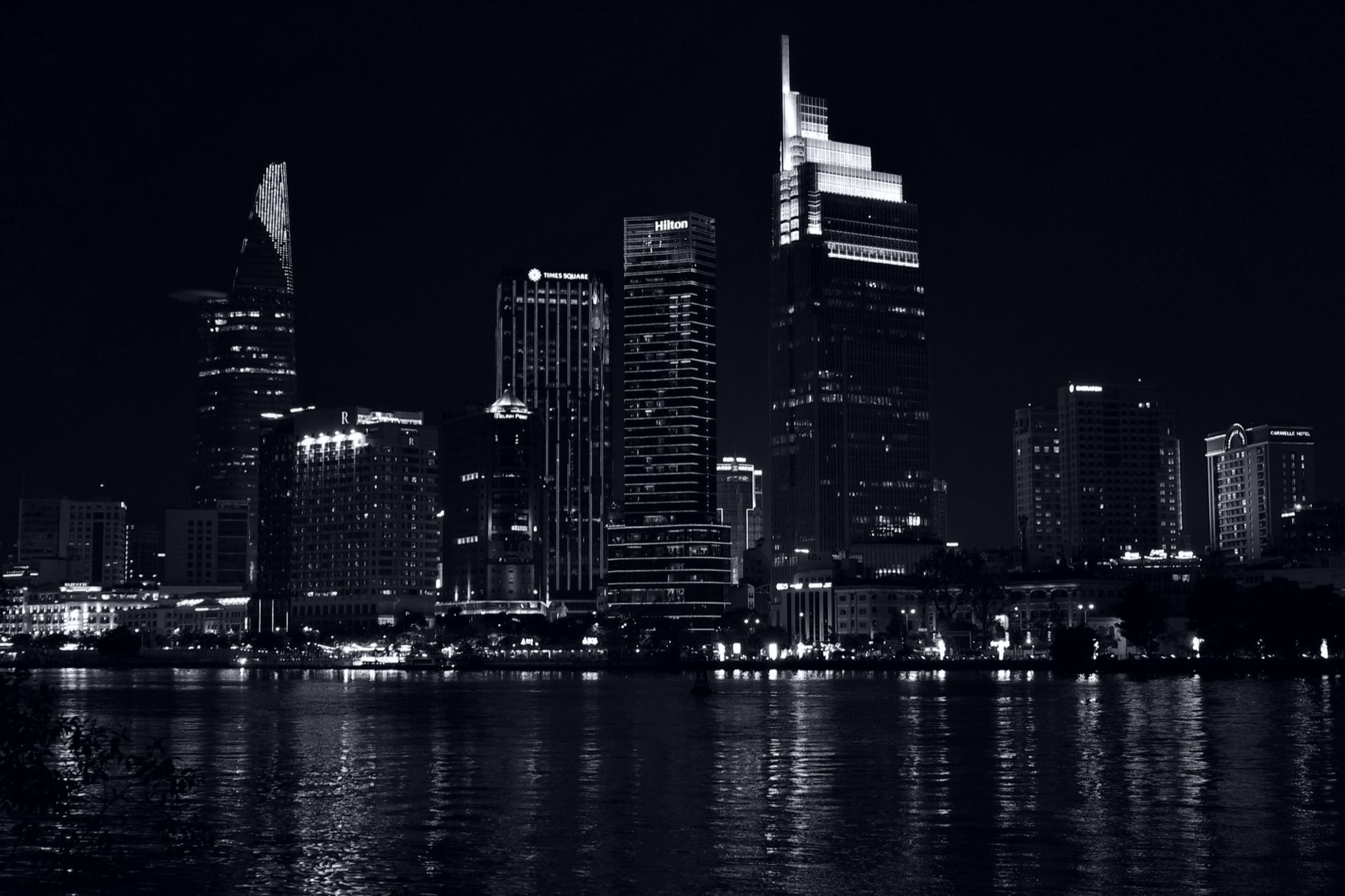
Temples, Pagodas & Spiritual Sites: Early Morning Visits Only
Jade Emperor Pagoda (Binh Thanh, District 1 border): Open 8 a.m.–6 p.m., free. Smoky, active, crowded by noon. Go at 8:15 a.m.
Thien Hau Temple (Cholon, District 5): Open 6 a.m.–6 p.m., free. Less touristy than Jade Emperor. Incense is intense; avoid if you have respiratory issues.
Mariamman Hindu Temple (District 1): Small, open 8 a.m.–5 p.m., free. Nice architecture, rarely crowded.
Giac Lam Pagoda (Tan Binh District, far west): Skip unless you're staying that way. Too isolated for a day visit.
Avoid the "spiritual centre" scams: vendors claiming to sell lucky items or do blessings near temples. Not real.
| Activity | Best Time | Duration | Cost (USD) | Why It Works |
|---|---|---|---|---|
| Ben Thanh Market | 6–7 a.m. or 5–6 p.m. | 1 hour | $0–10 | Fewer crowds, haggle rates better |
| Jade Emperor Pagoda | 8:15–9 a.m. | 30 min | Free | Authentic worship, morning light |
| War Remnants Museum | 8:30 a.m. | 2–3 hours | $3 | Avoids midday queues, immersive |
| Water Puppet Theatre | 3 p.m. or 6:45 p.m. | 45 min | $4–6 | English shows, cultural depth |
| Cholon (Chinatown) | 8–11 a.m. | 2–3 hours | $0–15 | Local market energy, lower prices |
| Street pho/banh mi | 6–8 a.m. | 30 min | $0.80–2 | Freshest, locals present, cheap |
How to Get Around Without Wasting Hours
Grab (Southeast Asia's Uber equivalent) is reliable and cheap: 25,000–80,000 VND ($1–3.20 USD) for most in-city trips. Never haggle with Grab; the price is locked. Taxis are slower and drivers may pretend meters are broken. Ignore them.
Motorbike taxis (Grab Bike) cost half taxi rates but require balance and trust. Not recommended for first-timers or after dark.
Walking works in Districts 1–3 during daylight. Pavements are uneven and motorbikes use them; stay alert.
Pro tip: Download Google Maps offline and disable data to avoid roaming charges. Grab an eSIM at the airport for reliable connectivity—around 150,000–250,000 VND ($6–10 USD) for 7 days.
Bringing Saigon Home: Thoughtful Souvenirs Over Knockoffs
Most Ben Thanh souvenirs are forgettable. Consider instead items that mean something: lacquerware from Cholon artisans, traditional silk scarves, or hand-painted ceramics from smaller studios. These age better than plastic Eiffel Tower replicas.
If you want to gift something Vietnam-specific, explore engraved keepsakes, star maps featuring the date you visited Saigon, or personalized prints of Saigon landmarks. These work because they're personal, not generic.
Shop personalized & meaningful gifts for Vietnam trips
Browse Vietnam-themed home décor
Explore engraved keepsakes & memory boxes
What to Check Before You Plan Your Day
- Weather: November–February is cool and dry. April–September is hot, humid, and rainy (afternoon storms).
- Crowds: Avoid mid-morning (9 a.m.–noon) at temples, Ben Thanh, and museums. Peak tourism: December–January.
- Scams: Vendors posing as "tour guides," expensive drinks at rooftop bars (order water first to check pricing), "cheap tailors" who overcharge, and currency exchange at inflated rates (use banks or Grab Pay instead).
- Language: English spoken in District 1, rarer elsewhere. Download Google Translate offline.
- Budgeting: Street food and temples are free–$3 per visit. Museums $2–3. Water puppet theatre $4–6. Accommodation varies wildly ($10–150+ per night depending on area). Day trips to Cu Chi Tunnels or Mekong Delta run $15–40 per person.
---
Saigon demands energy but rewards curiosity. The real city exists outside the glossy tourist map—in Cholon's markets, at 6 a.m. pho stalls, and in the quiet corners of active pagodas. Spend two days here minimum; a week is ideal. After Ho Chi Minh City, consider venturing to Hanoi, the Mekong Delta, or coastal towns like Hoi An for balance.
🎟️ Compare tours & tickets for Ho Chi Minh City
FAQ
Is it safe to walk around Ho Chi Minh City alone at night?
District 1 and parts of District 3 are generally safe after dark (8 p.m.+), but stay on main streets. Avoid Cholon and outer districts at night. Use Grab for rides; it's safer and costs only $1–3.
What's the best time to visit Ho Chi Minh City?
November to February offers cool, dry weather and fewer crowds than peak tourist season (December–January). Avoid April–September due to intense heat and humidity above 35°C.
Do I need a visa to visit Ho Chi Minh City?
Most nationalities need a Vietnam visa or e-visa. Apply online beforehand or get a 90-day e-visa on arrival (no visa-on-arrival at the airport anymore). Check Vietnam e-visa requirements.
How much should I budget per day in Ho Chi Minh City?
Street food and temples cost $0–3 daily. Accommodation ranges $10–50 (budget) to $100+ (mid-range). Museums and activities add $5–15. A comfortable day on a moderate budget is $40–60 USD excluding flights.
Can I visit Cu Chi Tunnels or the Mekong Delta as a day trip from Saigon?
Yes. Cu Chi Tunnels (1–2 hours away) are a half-day or full-day tour costing $15–30. Mekong Delta day tours cost $20–40 and involve long driving. Book directly or through reputable hotels to avoid overpriced agencies.
What's the difference between "Saigon" and "Ho Chi Minh City"?
Saigon is the old, popular name used by residents and travellers. Ho Chi Minh City is the official name since 1975. Both refer to the same place. Locals often still say "Saigon" casually.
Is street food safe to eat in Ho Chi Minh City?
Generally yes if the stall is busy and food is cooked fresh. Avoid pre-cooked items or unwashed raw vegetables. Start with mild dishes if your stomach is sensitive. Stick to boiled water, bottled drinks, or beer.
How do I avoid taxi scams in Ho Chi Minh City?
Use Grab app (cheaper, no haggling). If using taxis, insist on the meter. Avoid unmarked taxis. Budget taxis (Mailinh, Vinasun) are more reliable than street hails.
FAQ
Is it safe to walk around Ho Chi Minh City alone at night?
District 1 and parts of District 3 are generally safe after dark (8 p.m.+), but stay on main streets. Avoid Cholon and outer districts at night. Use Grab for rides; it's safer and costs only $1–3.
What's the best time to visit Ho Chi Minh City?
November to February offers cool, dry weather and fewer crowds than peak tourist season (December–January). Avoid April–September due to intense heat and humidity above 35°C.
Do I need a visa to visit Ho Chi Minh City?
Most nationalities need a Vietnam visa or e-visa. Apply online beforehand or get a 90-day e-visa on arrival (no visa-on-arrival at the airport anymore). [Check Vietnam e-visa requirements](/vietnam/visa).
How much should I budget per day in Ho Chi Minh City?
Street food and temples cost $0–3 daily. Accommodation ranges $10–50 (budget) to $100+ (mid-range). Museums and activities add $5–15. A comfortable day on a moderate budget is $40–60 USD excluding flights.
Can I visit Cu Chi Tunnels or the Mekong Delta as a day trip from Saigon?
Yes. Cu Chi Tunnels (1–2 hours away) are a half-day or full-day tour costing $15–30. Mekong Delta day tours cost $20–40 and involve long driving. Book directly or through reputable hotels to avoid overpriced agencies.
What's the difference between "Saigon" and "Ho Chi Minh City"?
Saigon is the old, popular name used by residents and travellers. Ho Chi Minh City is the official name since 1975. Both refer to the same place. Locals often still say "Saigon" casually.
Is street food safe to eat in Ho Chi Minh City?
Generally yes if the stall is busy and food is cooked fresh. Avoid pre-cooked items or unwashed raw vegetables. Start with mild dishes if your stomach is sensitive. Stick to boiled water, bottled drinks, or beer.
How do I avoid taxi scams in Ho Chi Minh City?
Use Grab app (cheaper, no haggling). If using taxis, insist on the meter. Avoid unmarked taxis. Budget taxis (Mailinh, Vinasun) are more reliable than street hails.
More: Ho Chi Minh City travel guide · Things to do in Ho Chi Minh City