Ho Chi Minh City · Things to do
Things to Do in Ho Chi Minh City: Honest Neighbourhoods & Exact Spots
By Wander in Vietnam editorial team · Hanoi, Vietnam
Ho Chi Minh City (Saigon to locals) doesn't repeat itself. War Remnants Museum (District 1) holds graphic testimony most guidebooks soften; Ben Thanh Market (District 1) operates by unwritten haggling rules; Jade Emperor Pagoda (District 5) fills with actual worshippers, not tourists. Real neighbourhoods demand respect, patience, and willingness to ask directions in broken Vietnamese. Most visitors see 2–3 major sites, eat overpriced pho in Pham Ngu Lao, and leave. We suggest staying longer, moving slower, carrying a phrasebook.
What Makes Each District Worth Your Time?
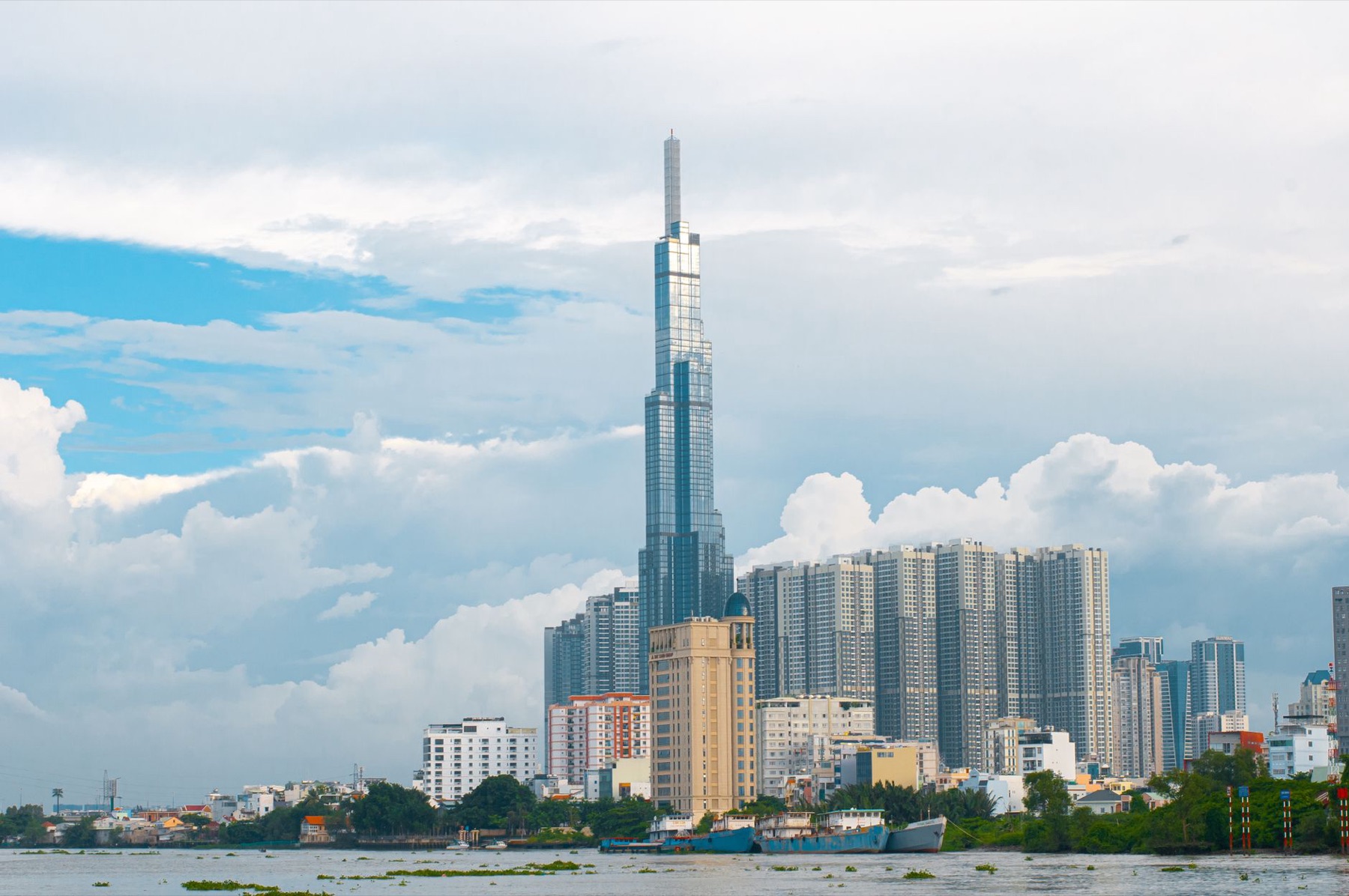
District 1 (Nguyen Hue area): Colonial buildings, War Remnants Museum, Ben Thanh Market, Bitexco Financial Tower viewpoint (paid entry; queues form 15:00–17:00). Budget 6–8 hours. District 5 (Cholon): Ethnic-Chinese neighbourhood; Jade Emperor Pagoda (Phuoc Hai Temple, 60 Dinh Bo Linh), Binh Tay Market, noodle vendors, herbal shops. Avoid 11:30–13:30 (lunch closure). District 4 (Thao Dien): Expat cafés, riverside bars, art galleries, Thao Dien Night Market (weekends, 18:00–22:00). Budget drinks: around 50,000–100,000 VND ($2–4 USD). District 7 (Phu My Hung): New-build shopping, less authentic but safe for families. Skip unless you need brand chains. District 10 & 11 (Tan Binh, Tan Phu): Residential; avoid unless meeting locals.
Which War Sites Tell the Full Story, Not Just One Angle?
War Remnants Museum (28 Vo Van Tan, District 1; 07:30–11:30, 13:00–17:00 daily; around 40,000 VND/$1.50 entry) displays US-era weapons, agent-orange victims' photos, and captured equipment. Rooms are cramped; go early or after 15:00. The American War Crimes Exhibition wing is confrontational—expect strong imagery. Nearby: Independence Palace (135 Nguyen Hue, District 1; 08:00–11:00, 13:00–16:00; around 100,000 VND/$4) shows presidential residence decor and underground bunkers. Tunnels of Cu Chi (45 km northwest, Binh Dinh Village) demand a half-day excursion; hire a guide (avoid agency markups—ask hotels for independent operators at 300,000–500,000 VND/$12–20 per person, 4-hour tour).
Honest take: Tunnels are tight, hot, and damp. Most visitors crawl 100 metres, panic, and exit. Worth doing once; second visits are repetitive. Skip if you're claustrophobic.
Where Do Locals Actually Eat, and How Do You Order Without a Menu?
Ben Thanh Market (1 Le Loi, District 1; 06:00–18:00): Chaotic, three-floor grid. Ground floor = tourist stalls (overpriced spring rolls, "silk scarves," fake watches). Second floor = local clothes, cosmetics. Third floor = food court. Best move: sit at any vendor stall around the perimeter, point at dishes, nod. Budget 30,000–60,000 VND ($1.25–2.50) per meal. Arrive 07:00–08:00 to avoid crowds and mid-day price hikes.
Binh Tay Market (1 Thap Muoi, District 5; 06:00–17:00): Larger, less tourist-heavy. Noodle vendors clump on the north side (wet market). Dried goods, seafood, textiles fill stalls. Breakfast com tam (broken rice with grilled pork): around 25,000 VND ($1). Avoid touching goods without asking; vendors assume you'll buy.
Street alleys (Pham Ngu Lao area, District 1): Skip tourist-trap "backpacker" pho shops. Walk two blocks east to Bui Vien, turn left onto Tran Hung Dao—local banh mi vendors open 06:30–08:30. Around 15,000–20,000 VND (60¢–80¢). Bánh mì with egg, pâté, pickled daikon is standard.
Thao Dien Night Market (Sundays 18:00–22:00, Thao Dien Ward, District 4): Modern, cleaner; local professionals eat here. Grilled skewers, pho varieties, mango sticky rice. Around 40,000–80,000 VND ($1.60–3.20) per plate. English signage; no haggling needed.
Common mistake: Ordering pho at lunch (11:30–14:00). Pho is breakfast/dinner food; mid-day vendors run low on broth and serve stale noodles. Eat com tam (rice-based dishes) at lunch instead.

How Should You Move Around Without Taxis Overcharging You?
Motorbike taxi (Xe Om): Flag any driver wearing a helmet (safer than informal drivers). Agree fare before riding—no meter. Short hops (1–2 km) cost around 15,000–25,000 VND (60¢–$1). Long hops (5+ km) cost 50,000–100,000 VND ($2–4). Download Grab app (ride-hailing with GPS pricing; rates similar but transparent). Avoid peak hours (07:00–09:00, 17:00–19:00) unless you like gridlock.
Bus: top (District 1 to District 5), #14 (District 1 to Tan Binh), #19 (Bitexco to Thao Dien). Fares: 4,000–6,000 VND (20–25¢). Buy a card at stations or ask the conductor. No English announcements; Google Maps helps predict stops. Buses run 05:00–23:00; frequency drops after 20:00.
Walking: District 1 is grid-based and navigable. Pham Ngu Lao to Ben Thanh: 1 km (15 minutes). Ben Thanh to Jade Emperor Pagoda: 3 km (45 minutes, cross busy streets carefully). Wear sunscreen; heat peaks 11:00–15:00.
Avoid: Unmarked taxis; negotiate only with Vinasun or Mai Linh official ranks at major hotels. Official taxis have meters and registered numbers (no negotiation needed).
What Tangible Gifts Capture Your Trip Better Than Souvenirs?
A keepsake tied to your actual experience lasts longer than mass-market "Vietnam" trinkets. Instead of porcelain elephant figurines from Ben Thanh tourist stalls (forgettable, around 50,000–100,000 VND/$2–4), consider:
| Gift type | Who it's for | Why it works | Avoid |
|---|---|---|---|
| Custom star map print (night sky on your visit date) | Partner, family member | Marks your exact moment in HCMC | Generic astrology prints (impersonal) |
| Engraved keepsake box (wood or metal) | Yourself, close friend | Holds market receipts, ticket stubs, dried flowers | Plastic imitation boxes (deteriorate) |
| Commissioned ao dai artwork (local tailored dress) | Cultural keepsake | Worn memory, custom fit | Cheap synthetic versions (flake/fade) |
| Handwritten recipe card (banh mi vendor's signature dish, local guide's notes) | Food lovers | Reproducible, personal | Pre-printed cookbooks (everyone has them) |
| Pressed-flower bookmark (temple flowers, market petals) | Readers, students | Biodegradable, meaningful | Plastic laminated versions |
Real option: Hire a photographer for a 2-hour ao dai photoshoot in Hanoi or Saigon (Cáo Studio)—makeup, hair, traditional dress included. Starting price varies by package; book 2–3 weeks ahead. Output = 100+ edited images, physical print option. Better investment than a trinket bought in a market crowd.
📸 Book an ao dai photoshoot in Hanoi or Saigon (Cáo Studio)
Which Common Scams Should You Avoid, and How?
- Cyclo rides with hidden upsells: Driver agrees to 50,000 VND circuit, then steers you into a tailor shop ("commission deal"). Walk away. Use Grab for fixed-price routes.
- Gem/jewelry vendors ("my cousin's shop"): Street strangers offer "deals" on rubies, sapphires. All fake or massively overpriced. Ignore.
- Drink spiking in Pham Ngu Lao bars: Order canned/bottled drinks, never open cups unattended. Safer bars: rooftop venues in District 4 (higher tourist density = venue responsibility).
- Fake tour guides: Book through hotel concierge or Klook (verified operators). Freelancers may rush, misrepresent, or demand extra payments.
- Market weight cheating: Vendors use two scales (one light, one heavy). Insist on seeing the scale beforehand. Avoid bulk purchases from unknown stalls.
- Fake visa services: Only use official Vietnamese immigration website (evisa.xuatnhapcanh.gov.vn) or licensed agencies. Avoid street touts.
Safe rule: If someone approaches you offering "help," they're selling something. Trust hotel staff, written menus, and your instinct.
---
What to Check Before You Buy or Book
- Museum hours: Call ahead (War Remnants: +84 28 3930 5587). Closures happen without notice.
- Market days: Binh Tay operates daily; Ben Thanh closes Tet (Lunar New Year, dates vary). Thao Dien Night Market only weekends.
- Transport card: Buy at any bus station kiosk (deposit 50,000 VND/$2, load credit afterward). One card works across most lines.
- Motorbike helmet: Riders are legally required to provide one. If offered none, find another driver.
- Currency: No place under 20,000 VND accepts cards. Withdraw at ATMs inside convenience stores (Circle K, Ministop) to avoid street ATM skimming.
- Phone connectivity: Buy a local eSIM before arrival or at an airport Viettel kiosk (around 200,000 VND/$8 for 30 days, 4G unlimited). Beats roaming charges. Learn more: eSIM for Vietnam.
---
Planning a multi-city trip? Check our Vietnam itinerary planner for day-by-day routing that skips dead time.
🗺️ Plan your route: Vietnam itinerary
For deeper regional context, read our Ho Chi Minh City neighbourhood guide and compare with Hanoi day trips or beach escapes to Ha Long Bay if you're extending your stay.
🎟️ Compare tours & tickets for this place
FAQ
How many days do I need in Ho Chi Minh City to see everything?
Three full days covers War Remnants Museum, Ben Thanh Market, Jade Emperor Pagoda, and a river dinner. Four days lets you add Cu Chi Tunnels, Thao Dien neighbourhood, and rooftop bars without rushing. Five days = relaxed pace with second market visits and street-food exploration.
Is it safe to walk around District 1 and District 5 at night?
Yes, main streets (Nguyen Hue, Le Loi, Vo Van Tan) are busy, lit, and patrolled. Stick to populated areas; avoid dark alleys or isolated riverside paths after 22:00. Travel with others when possible. Petty theft (bag snatching from bikes) happens—use a crossbody bag, not a backpack.
What's the best way to visit Jade Emperor Pagoda without a tour?
Grab a motorbike taxi to 60 Dinh Bo Linh (District 5). Entrance is free. Respectfully remove shoes, ask before photographing worshippers. Spend 30–45 minutes. Nearby Binh Tay Market is a 10-minute walk; combine both for a half-day.
Do I need a Vietnamese SIM card, or is WiFi enough?
Grab app (ride-hailing) and Google Maps need mobile data; WiFi isn't reliable while moving. Buy a local eSIM for Vietnam (4G unlimited, ~8 USD for 30 days) or a physical SIM at an airport kiosk. Worth the minor setup.
Which month avoids both monsoon rain and extreme heat?
November–February (dry season, 22–28°C) is ideal. March–May climbs to 35–38°C with humidity; avoid midday outdoor activities. June–October brings afternoon deluges (15:00–17:00 daily). Plan museums and markets during wet season; accept getting damp.
FAQ
How many days do I need in Ho Chi Minh City to see everything?
Three full days covers War Remnants Museum, Ben Thanh Market, Jade Emperor Pagoda, and a river dinner. Four days lets you add Cu Chi Tunnels, Thao Dien neighbourhood, and rooftop bars without rushing. Five days = relaxed pace with second market visits and street-food exploration.
Is it safe to walk around District 1 and District 5 at night?
Yes, main streets (Nguyen Hue, Le Loi, Vo Van Tan) are busy, lit, and patrolled. Stick to populated areas; avoid dark alleys or isolated riverside paths after 22:00. Travel with others when possible. Petty theft (bag snatching from bikes) happens—use a crossbody bag, not a backpack.
What's the best way to visit Jade Emperor Pagoda without a tour?
Grab a motorbike taxi to 60 Dinh Bo Linh (District 5). Entrance is free. Respectfully remove shoes, ask before photographing worshippers. Spend 30–45 minutes. Nearby Binh Tay Market is a 10-minute walk; combine both for a half-day.
Do I need a Vietnamese SIM card, or is WiFi enough?
Grab app (ride-hailing) and Google Maps need mobile data; WiFi isn't reliable while moving. Buy a local [eSIM for Vietnam](/vietnam/esim) (4G unlimited, ~8 USD for 30 days) or a physical SIM at an airport kiosk. Worth the minor setup.
Which month avoids both monsoon rain and extreme heat?
November–February (dry season, 22–28°C) is ideal. March–May climbs to 35–38°C with humidity; avoid midday outdoor activities. June–October brings afternoon deluges (15:00–17:00 daily). Plan museums and markets during wet season; accept getting damp.
More: Ho Chi Minh City guide · Things to do in Ho Chi Minh City