Ho Chi Minh City · Things to do
Things to Do in Ho Chi Minh City in 3 Days: Real Itinerary
By Wander in Vietnam editorial team · Hanoi, Vietnam
How should you split three days between central Saigon and day trips?
Split your time 2.5 days exploring Districts 1 and 3, then use the final half-day for either a Mekong Delta tour (starts 7–8 a.m., returns ~5 p.m.) or a relaxed morning at a local coffee shop before departure. The Mekong option adds travel time; if your flight is midday, stay in the city instead.
🗺️ Plan your route: Vietnam itinerary
Day One: Colonial Center & War History
Morning (7–11 a.m.) Start with breakfast pho or banh mi at a corner stall in District 1—places near Dong Khoi Street or Pasteur Street open by 6 a.m. and cost around 30,000–50,000 VND ($1.20–$2 USD). Walk to the War Remnants Museum (114 Vo Van Tan, District 3; opens 7:30 a.m., closes 6 p.m., entry around 150,000 VND/$6). Go early to avoid crowds and heat. This is not a tourist trap—the exhibits on Agent Orange and the war are sobering and essential. Plan 2–2.5 hours.
Afternoon (12–5 p.m.) Lunch at a local com tam (broken rice) restaurant in District 3—menus are visual or translated, plates cost 40,000–70,000 VND ($1.60–$2.80). Walk to Notre-Dame Cathedral (1 Cong Truong Dong Khoi, District 1); entry is free but dress respectfully (covered knees and shoulders). The pink French colonial building photographs well around 3 p.m. when light is softer. Nearby, the Central Post Office (opens 8 a.m., closes 6 p.m.) is photogenic but not worth long inside.
Evening (5:30 p.m.+) Dinner in District 1's backpacker area (Pham Ngu Lao Street) or at a rooftop bar overlooking the Saigon River. Avoid tourist-trap restaurants with color menus and photo displays; eat where locals queue. Budget 100,000–200,000 VND ($4–$8) for a real meal with beer.
---
What's the honest take on Ben Thanh Market and Chinatown?
Ben Thanh Market (District 1, opens ~6 a.m., quietest 6–8 a.m.) is partly touristy but worth visiting for the energy and fabric stalls—true to its 19th-century purpose. Don't buy "bargains" at the front stalls; go upstairs to the clothing and souvenir sections where prices reflect actual value. Chinatown (District 5, Nguyen Hue area) is more "real" than Ben Thanh—it's still a working wholesale hub, not a museum. Visit early, bring cash, and ignore persistent touts. Budget a half-day here.
Real-world comparison: Ben Thanh vs. street markets
| Market | Best for | Time needed | Crowd level | Scam risk |
|---|---|---|---|---|
| Ben Thanh | Fabric, souvenirs, "everything" | 1.5–2 hrs | Very high (9 a.m.–4 p.m.) | Moderate (taxi surcharges common) |
| Chinatown (Cho Lon) | Wholesale fabric, dried goods, local vibe | 2–2.5 hrs | High but less touristy | Low if you ignore touts |
| Street stalls (Pham Ngu Lao area) | Fast fashion, trinkets, phở | 30 mins | Medium | Low |
Pro move: Walk from Ben Thanh to Chinatown via Tran Hung Dao Street (~20 mins on foot) instead of taking a taxi. Taxis often claim the meter "isn't working" and charge flat rates to tourists.
---
Which excursion—Mekong Delta or Cu Chi Tunnels—is worth your time?
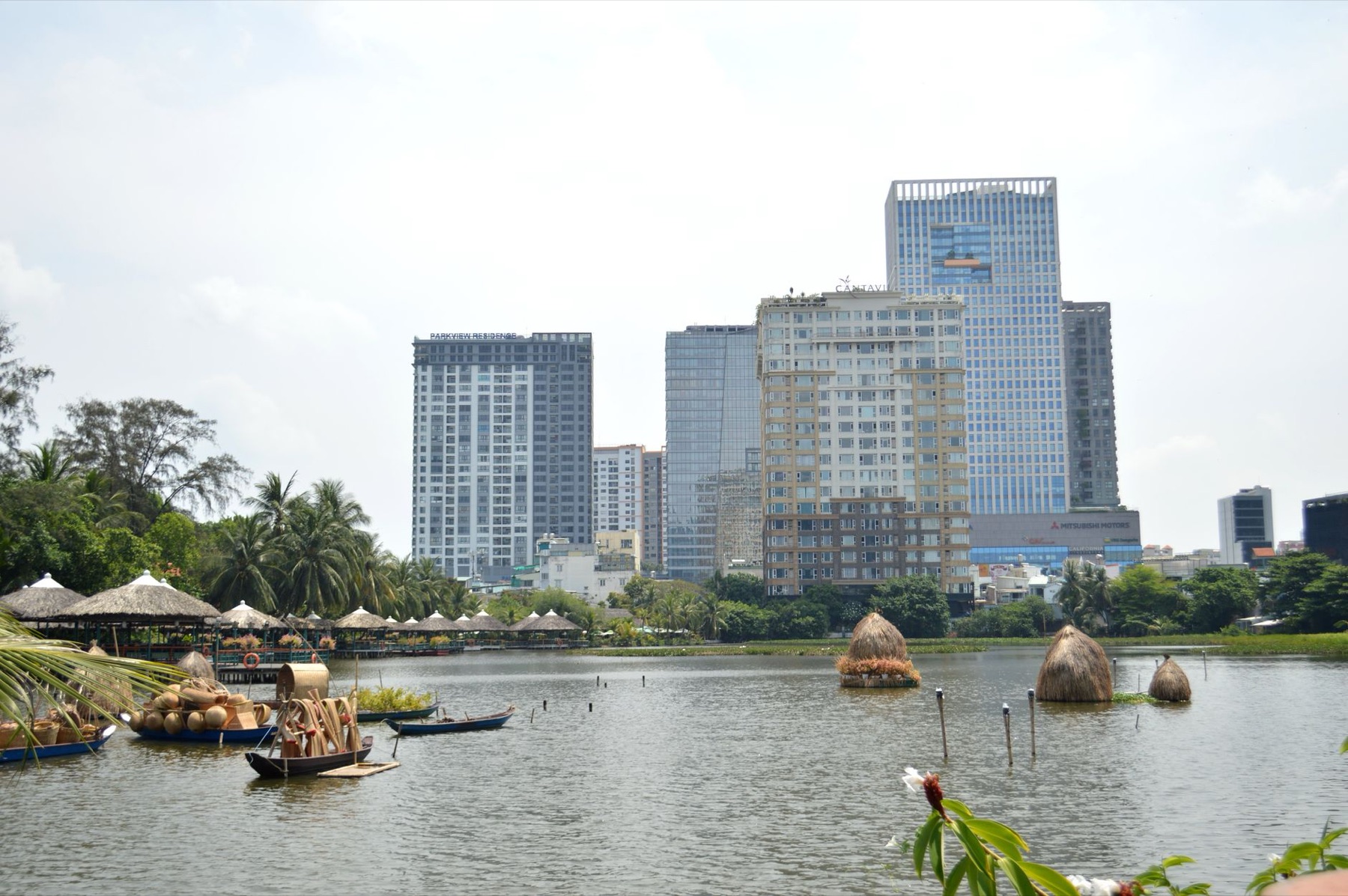
Mekong Delta (8–10 hours including travel): Tours depart 7–8 a.m. from Saigon's docks or hotels; cost around 400,000–600,000 VND ($16–$24) with a local operator. You see floating markets (Cai Be or Cai Rang, depending on tour), ride a sampan, visit a coconut candy workshop, and eat lunch on a river island. It's touristy but genuine—the floating markets are real commerce, not theater. The best tours avoid the main Cai Rang market (too crowded) and hit smaller channels instead. Book through your hotel or a street tour office; don't use booking platforms with 4.9-star ratings (they're paid reviews).
Cu Chi Tunnels (6–8 hours): Around 70 km northwest, these are a pilgrimage site for war history buffs but feel theme-park-like to many. Tours include a mock-up tunnel section (designed for tourist bodies, not authentic) and a shooting range (awkward, not essential). Skip if you've already done the War Remnants Museum; the tunnel itself doesn't add much context. If you're a military history enthusiast, go; otherwise, use the time for riverside walks or a second market visit.
Our recommendation: Spend half of Day Three on a morning Mekong tour (returns by 2 p.m.) if your flight is evening. Skip Cu Chi for a 3-day trip.
---
What are the best neighborhoods to walk in and actually eat?
District 1 (Dong Khoi, Pasteur, Thai Van Lung Streets): Colonial architecture, cafes, and shops. Streets are clean and pedestrianized in sections. Eat at local pho joints (not the tourist restaurants with English menus). A bowl costs 35,000–50,000 VND ($1.40–$2).
District 3 (Vo Van Tan, Nguyen Dinh Chieu): Less touristy than District 1; more locals, cheaper food. This is where we actually eat dinner when visiting. Try Com tam (broken rice) stalls—plates are 40,000–60,000 VND ($1.60–$2.40) and genuinely good.
Pham Ngu Lao backpacker area (District 1): Young travelers, cheap hostels, street food. Quality varies; stick to places with high turnover (long queues = fresh food). A full meal is 50,000–100,000 VND ($2–$4).
Thinh Phat fish market (District 4, early morning only): Not on most tourist radars; go around 5–6 a.m. to see the real action. Breakfast at a nearby noodle stall costs 30,000 VND ($1.20). No English, no tourists—this is Saigon's working city.
---
What should you pack and avoid to stay comfortable and safe?
Pack:
- Light, breathable cotton clothing (humidity is intense year-round).
- Comfortable walking shoes with arch support (you'll walk 15,000+ steps daily).
- A light scarf or shawl (mosques and temples require covered shoulders; air conditioning is aggressive indoors).
- High SPF sunscreen—UV index is extreme.
- A portable phone charger (outlets are not reliable in every cafe).
- Cash in small denominations (many street stalls don't accept cards; ATMs charge 150,000–200,000 VND flat fee per withdrawal).
Avoid:
- Carrying a visible large backpack in crowded markets (petty theft exists; use a crossbody bag instead).
- Renting a motorbike without a valid international driving permit and helmet (traffic is chaotic; accidents are common).
- Eating ice made from tap water (order drinks without ice or stick to sealed bottles; cost is ~20,000 VND/$0.80).
- Traveling alone to nightclubs in unfamiliar alleys (drink spiking and overcharging happen; go with others).
- Using non-official taxis (use Grab app or ask your hotel to call a reputable company).
🎟️ Compare tours & tickets for this place
---
How do you actually remember and share your trip without spending extra?
Take photos of street signs, market stalls, and moments in natural light—these capture the real Saigon. Consider a professional ao dai photoshoot if you want polished keepsake images; Cáo Studio offers makeup and styling in central Saigon and ensures photos that reflect the city's color and texture without kitsch.
📸 Book an ao dai photoshoot in Hanoi or Saigon (Cáo Studio)
For a curated memory of your itinerary, create a photo book or printed travel journal (not a generic keepsake—something tied to the streets and faces you actually saw). A printed photo album or custom travel journal captures the specificity of your three days better than most souvenirs.
---
What to Check Before You Buy or Book
- Tours: Verify departure time and return time; ask if lunch is included (it should be). Book with a hotel or street operator, not a website with suspiciously high ratings.
- Transport: Use Grab (ride-hailing app) for taxis; never agree to a "negotiated fare" with a driver.
- Restaurants: If there's a menu in English but the staff look tired, the food probably isn't fresh. Locals eating there at lunch is the best sign.
- Money: Check ATM fees before withdrawing (150,000–200,000 VND is standard; avoid airport ATMs if possible).
- Timing: Visit temples and museums at opening time (6–7 a.m.) to avoid crowds and heat.
---
🗺️ Plan your route: Vietnam itinerary
For a bigger picture of Vietnam travel, explore the full Ho Chi Minh City guide and Vietnam itinerary planner. If you're extending your trip, consider Hoi An, Ha Long Bay, or Ninh Binh. For seamless connectivity during your stay, an eSIM for Vietnam keeps you on maps and apps without tourist SIM mark-ups.
FAQ
Is three days in Ho Chi Minh City enough?
Yes, if you focus on District 1 and skip Cu Chi Tunnels. Most travelers cover War Remnants Museum, Ben Thanh Market, and a Mekong Delta tour comfortably in 72 hours. Longer trips let you revisit neighborhoods and eat multiple times at the same place, which is when Saigon reveals itself.
When is the best time to visit Ho Chi Minh City?
November to February is coolest and driest (25–28°C). March to May is hot and dry; June to October is monsoon season with heat and humidity but fewer tourists. July and August are the worst for weather. December to January are peak; expect crowds and higher prices (but the city is still walkable).
How much should I budget for three days?
Budget around 2,000,000–3,000,000 VND ($80–$120 USD) for accommodation, food, entry fees, and transport. This assumes mid-range hotels (500,000–1,000,000 VND/night), street food (50,000–200,000 VND per meal), and paid attractions (~200,000–300,000 VND each). A Mekong tour adds 400,000–600,000 VND.
Do I need a visa to enter Vietnam?
Most nationalities need a visa. You can apply for an e-visa online (around 25 USD) or get a tourist visa on arrival (if your airline offers it). Processing takes 2–3 business days. Check your passport validity (must be valid for 6+ months).
Is it safe to walk around District 1 and District 3 at night?
Yes, main streets (Dong Khoi, Pasteur, Tran Hung Dao) are well-lit and busy until 10–11 p.m. Avoid empty alleys and unfamiliar backstreets after dark. Petty theft and bag snatching do happen; keep valuables secure. Stay aware but not paranoid—thousands of tourists walk here safely nightly.
FAQ
Is three days in Ho Chi Minh City enough?
Yes, if you focus on District 1 and skip Cu Chi Tunnels. Most travelers cover War Remnants Museum, Ben Thanh Market, and a Mekong Delta tour comfortably in 72 hours. Longer trips let you revisit neighborhoods and eat multiple times at the same place, which is when Saigon reveals itself.
When is the best time to visit Ho Chi Minh City?
November to February is coolest and driest (25–28°C). March to May is hot and dry; June to October is monsoon season with heat and humidity but fewer tourists. July and August are the worst for weather. December to January are peak; expect crowds and higher prices (but the city is still walkable).
How much should I budget for three days?
Budget around 2,000,000–3,000,000 VND ($80–$120 USD) for accommodation, food, entry fees, and transport. This assumes mid-range hotels (500,000–1,000,000 VND/night), street food (50,000–200,000 VND per meal), and paid attractions (~200,000–300,000 VND each). A Mekong tour adds 400,000–600,000 VND.
Do I need a visa to enter Vietnam?
Most nationalities need a visa. You can apply for an [e-visa online](/vietnam/visa) (around 25 USD) or get a tourist visa on arrival (if your airline offers it). Processing takes 2–3 business days. Check your passport validity (must be valid for 6+ months).
Is it safe to walk around District 1 and District 3 at night?
Yes, main streets (Dong Khoi, Pasteur, Tran Hung Dao) are well-lit and busy until 10–11 p.m. Avoid empty alleys and unfamiliar backstreets after dark. Petty theft and bag snatching do happen; keep valuables secure. Stay aware but not paranoid—thousands of tourists walk here safely nightly.
More: Ho Chi Minh City guide · Things to do in Ho Chi Minh City