Ho Chi Minh City · Things to do
Things to Do in Ho Chi Minh City: Local Guide 2026
By Wander in Vietnam editorial team · Hanoi, Vietnam
What Actually Matters in District 1?
District 1 (Quận 1) is the CBD and tourist spine rolled into one. Nguyen Hue Walking Street is the main drag for evening strolls—free, crowded, people-watching at sunset. The War Remnants Museum is worth a half-day; arrive by 8:30 a.m. to beat crowds, and budget around 180,000 VND (roughly $7 USD) entry. Ben Thanh Market, at the southern edge, is a chaos of silk scarves, fake goods, and a few genuine souvenirs—haggle, assume 30% markup on any quoted price, and watch your bag. Skip the "famous" rooftop bars charging 200,000+ VND per cocktail; backpacker bars along Pham Ngu Lao Street deliver the same view for half the cost.
🗺️ Plan your route: Vietnam itinerary
Why District 5 (Cho Lon) Beats Tourist Food Tours
Cho Lon is Saigon's Chinatown—older, noisier, and where real food lives. Binh Tay Market sprawls across several blocks; go at 7 a.m., eat broken-rice bowls (com tam) at plastic tables outside, cost around 40,000–60,000 VND (roughly $2–2.50 USD) per bowl. Nguyen Hue Street here (different from District 1's Nguyen Hue) has pho stalls and dried goods shops tourists never find. Street food vendors cluster on Tran Hung Dao, Nguyen Tri Phuong, and around the market—print a Vietnamese phrase on your phone ("I want what they're eating") and point. A half-day food crawl costs around 150,000–200,000 VND per person (roughly $6–8 USD). Skip the "authentic Cho Lon food tour" packages; they charge 500,000 VND and eat at tourist-marked stalls. Go alone, go early, go hungry.
Temples, Pagodas, Jade Emperor: Which Ones?
Jade Emperor Pagoda (Phuoc Hai Tu) is in District 1, Tran Hung Dao Street. Entry is free; arrive before 11 a.m., wear long pants, remove shoes. The dark interior smells of incense and fish sauce; wooden carvings are authentic 1800s, not reconstructions. Don't photograph worshippers. A Hoi Temple (Hoi Kieu Assembly Hall) is in Cho Lon and free; it's a meeting hall, not a temple, but the woodwork justifies the detour.
Skip the "must-see" A Hoi in guidebooks; it's small, gets mobbed, and fees have crept up. Tan Dinh Church (District 1, Tan Dinh Street) is pink, Gothic, and closes by 5 p.m.; go on Sunday morning for mass if you're curious. Giac Lam Pagoda (District 11, Lac Long Quan Street) is older, quieter, and overlooked—real locals pray here. No entry fee. Motorbike or taxi cost around 80,000 VND (roughly $3.20 USD) from District 1.
Day Trips: Cu Chi or Mekong—Which Fits?
Cu Chi Tunnels (northwest, 1.5 hours by car): former Viet Cong base, now theme-park-ified. Tours cost 300,000–600,000 VND (roughly $12–24 USD) depending on operator; half-day minimum. The tunnels are real, claustrophobia is real, and the shooting range (extra cost) is unnecessary. Book through a backpacker hostel or online—direct gate prices run higher. Go early; afternoon crowds are brutal.
Mekong Delta (south/southwest, 2–4 hours): coconut orchards, canal boats, fruit farms. Full-day tours run 250,000–700,000 VND (roughly $10–28 USD). Honest take: it's scenic and relaxing but heavily touristed. Choose a smaller operator (ask at your hostel, not your hotel) or skip it if you're short on time. Better to rent a motorbike and ride to Ben Tre or Vinh Long yourself—same canals, one-tenth the tourists, more control.
📸 Book an ao dai photoshoot in Hanoi or Saigon (Cáo Studio)
Nightlife, Coffee & Neighborhoods to Drift Through
District 1 after dark: Pham Ngu Lao Street has backpacker bars and cheap beer (around 30,000–50,000 VND, roughly $1.20–2 USD per can). Rooftop bars on Dong Khoi Street charge 180,000+ VND (roughly $7+) per cocktail. Karaoke in Saigon is a full experience—budget 200,000–400,000 VND per person (roughly $8–16 USD) for a room, plus drinks. Avoid the touts on Le Thanh Ton Street who promise "free" girls; they're scammers.
District 3 (Vo Van Tan & Nguyen Trai): quieter, young Vietnamese vibe, craft coffee shops (around 50,000–80,000 VND, roughly $2–3.20 USD per cup). Sitting for 2–3 hours over one coffee is normal and welcomed. No tourist pressure.
Coffee culture: Skip the chain cafes if you want a story. Tiny family-run shops in residential areas (ask a local) serve better robusta espresso than anything in District 1. Budget 30,000–50,000 VND (roughly $1.20–2 USD) for a strong black coffee (ca phe den da). Egg coffee is Instagram bait and not exceptional—skip unless novelty matters to you.
Comparison Table: Activities by Your Actual Priorities
| Activity | Time Needed | Cost (USD) | Crowd Level | Go If You Like |
|---|---|---|---|---|
| War Remnants Museum | 2–3 hours | $7–10 | High (mornings quieter) | History, thoughtful tours |
| Jade Emperor Pagoda | 30–45 min | Free | Medium | Architecture, incense, quiet corners |
| Cho Lon food crawl | 2–3 hours | $6–8 | Medium (authentic, not filtered) | Real street food, chaos, haggling |
| Cu Chi Tunnels tour | 4–6 hours | $12–24 | High | War history, physical challenge |
| Mekong day trip | 8–10 hours | $10–28 | High (group tours) | Relaxation, canals, fruit sampling |
| Rooftop bar evening | 2–3 hours | $14–25+ | High | Sunset views, cocktails, people-watching |
| District 3 café drift | 2–4 hours | $2–6 | Low (peaceful) | Slow living, observing locals |
Scams, Taxi Hazards & What to Actually Avoid
Taxi: Use Grab app (ride-hail, set price before boarding). Street hails often overcharge; if you must, ensure the meter runs. Fake meters exist—watch it start at 0, not 5,000 VND. A fair ride within District 1 costs around 50,000–100,000 VND (roughly $2–4 USD).
Market vendors: "Special price for you, my friend" means 50% more than locals pay. Silk scarves, lacquerware, and "antique" art are often new. If you don't know prices, don't haggle hard; settle for 20% off initial quote and move on.
Tour guides: Private guides offering tours outside hotels will overprice attractions and collect commissions at shops that "support local artists." Book tours through established hostels or apps (Viator, GetYourGuide) instead. A fair private guide costs around 600,000–900,000 VND per day (roughly $24–36 USD), not 1.5 million VND.
Currency exchanges: Never exchange at hotel desks; use ATMs or a bank. Rates are locked; you won't get surprise deals. Withdraw 2–3 million VND in one go to minimize ATM fees (around 20,000 VND per transaction, roughly $0.80 USD).
Motorbike rental: Rent from a hostel or dedicated shop (not a random guy on the street). Prices run 100,000–200,000 VND per day (roughly $4–8 USD). Leave a copy of your passport, not the original. Check brakes and tires before riding. Fuel costs around 25,000 VND per liter (roughly $1 USD); a half-tank lasts most day trips.
🎟️ Compare tours & tickets for this place
What to Check Before You Book or Go
- Timing: Rainy season (May–September) brings traffic chaos; plan indoor activities (museums, markets) when showers start.
- Dress code: Temples require covered shoulders and knees; carry a lightweight sarong if unsure.
- Connectivity: Buy a local eSIM before arrival; Vietnam eSIM saves roaming fees and gives you offline maps and Grab access immediately.
- Weather: Bring sunscreen (SPF 50+), a hat, and a light rain jacket; humidity is constant.
- Motorbike helmet law: Mandatory and enforced; police check tourists. Helmets are provided with rentals.
- Visa: If your passport needs a visa, sort this beforehand. On-arrival visas exist but take time.
Honest Take: What to Skip
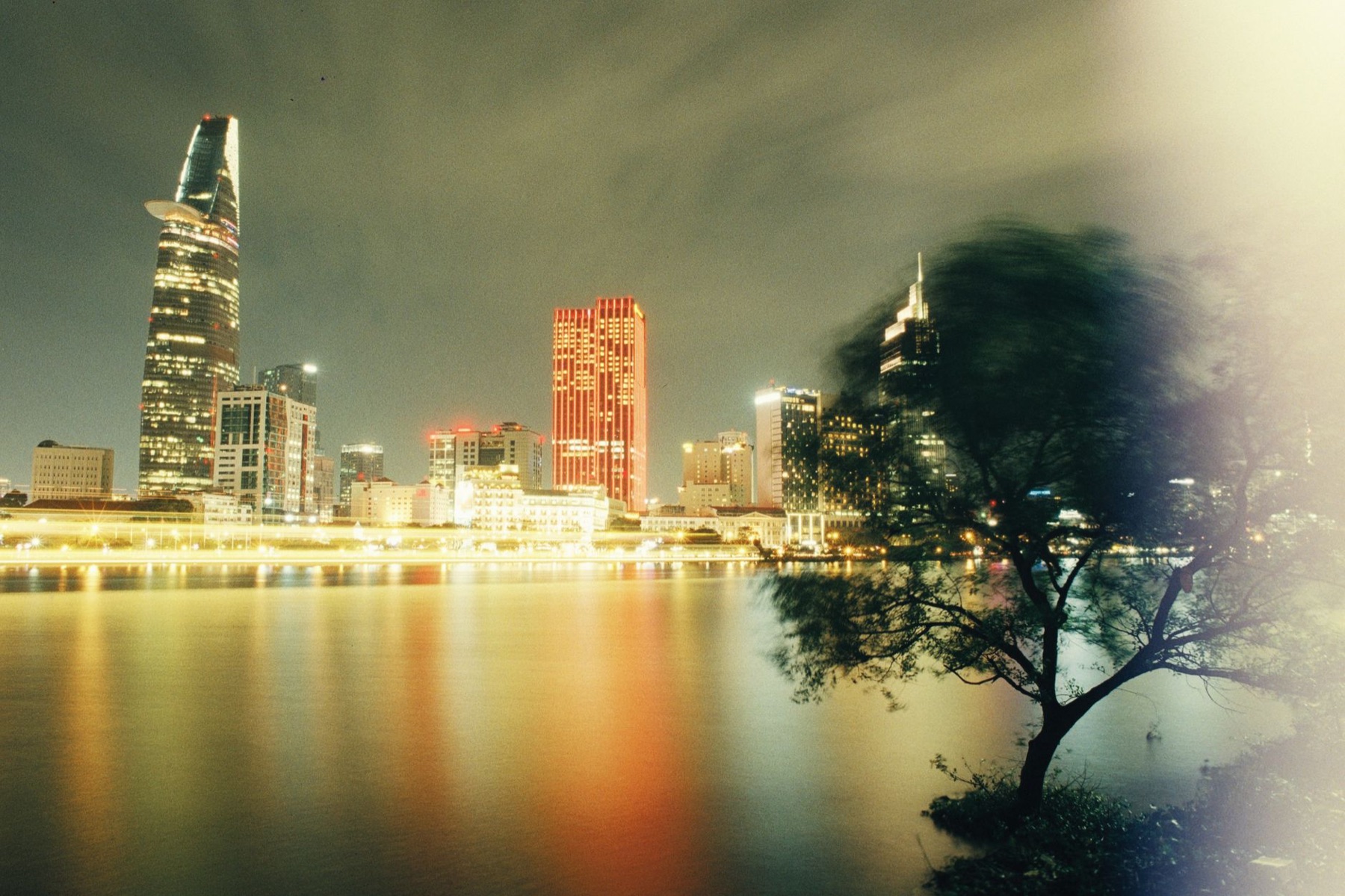
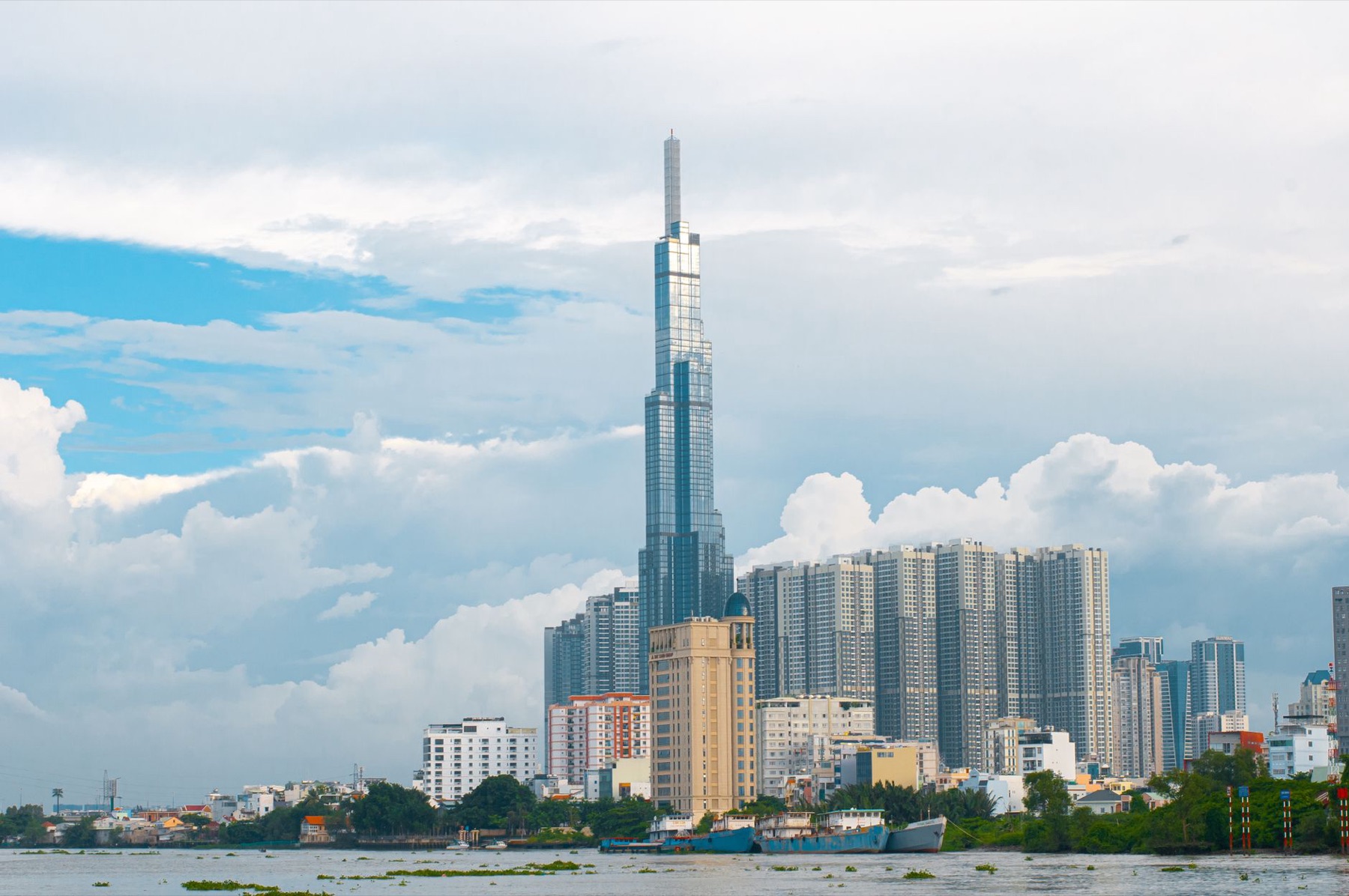
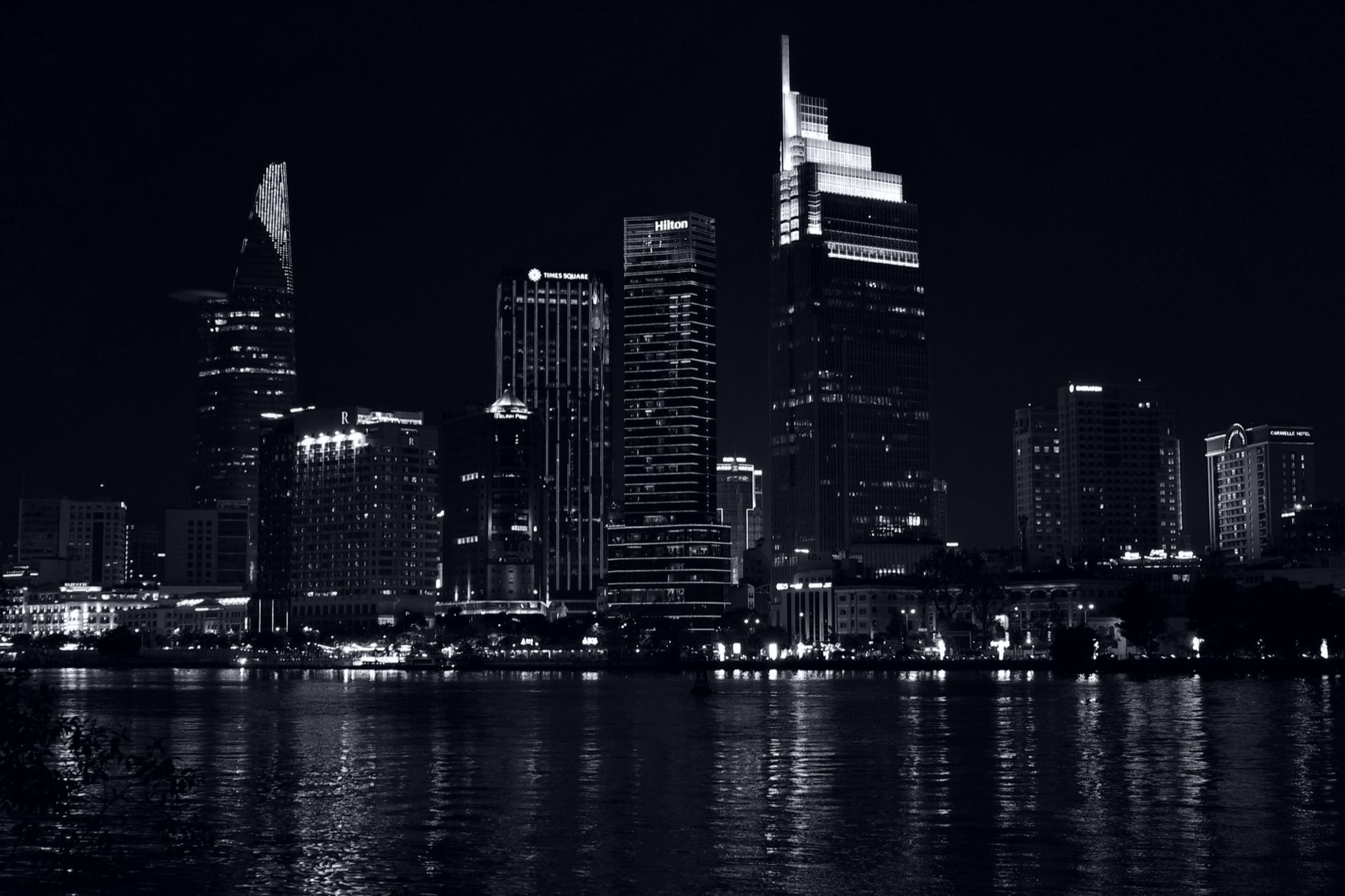
The "Reunification Palace" (Independence Palace) tour is slow, heavily guided, and tells one narrative. The museum inside is small. Skip unless you're deep into Cold War history. Bitexco Financial Tower's observation deck is 400+ meters up but costs around 250,000 VND (roughly $10 USD) for views you get free from rooftop bars. The "must-see" photoshoot at the "flower district" is Instagram theater; if you want a real ao dai portrait done right, book a professional shoot with Cáo Studio in Saigon instead. Stay a night outside District 1 to reset; District 3 or District 4 (quieter, local) offer better value and sleep.
Day-by-Day Sketch (Three Days in Saigon)
Day 1: War Remnants Museum (morning, 2.5 hours). Lunch in Cho Lon (District 5). Jade Emperor Pagoda (afternoon). Dinner on Pham Ngu Lao Street. Rooftop bar at sunset if crowds don't drain you.
Day 2: Early start—Cho Lon food tour solo. Ben Thanh Market by 8 a.m. Afternoon nap. District 3 café drift or A Hoi Temple. Casual dinner. Early night.
Day 3: Cu Chi Tunnels full-day tour or Mekong day trip. Evening flight/train connection. (Or stay a night more; Saigon rewards slow travelers.)
---
📸 Book an ao dai photoshoot in Hanoi or Saigon (Cáo Studio)
---
Ready to Extend Your Vietnam Trip?
If Ho Chi Minh City clicks, consider a Vietnam itinerary that threads Saigon into a larger loop. Hoi An (light, old-town vibe, an hour's flight north) is a stark contrast. Hanoi offers a different chaos and better street food. Ha Long Bay and Ninh Binh suit slower travelers. Sapa (north, mountain trekking) takes 2+ days to reach but rewards effort.
🗺️ Plan your route: Vietnam itinerary
---
FAQ
Is it safe to use Grab or a motorbike taxi in Ho Chi Minh City?
Grab is safe and cashless—use it. Motorbike taxis (Xe Om) are quick and cheap (around $1–2 USD per ride) but riskier for tourists unfamiliar with traffic. Helmets are mandatory. If you're nervous, stick to Grab; if you're confident, a motorbike taxi is how locals move.
What's the best time of year to visit Ho Chi Minh City?
November to April is cooler and drier (25–30°C). May to September is rainy and humid; street flooding happens. December and January are peak tourist season, so expect crowds and higher prices. September to October is quiet and cheaper but humid—plan indoor time.
Do I need to book tours in advance or can I book on arrival?
Most tours have capacity; booking 1–2 days ahead via apps or hostels works fine. Cu Chi and Mekong tours are booked day-of at any backpacker cafe. Big operators (Viator, GetYourGuide) charge more but handle logistics; small operators are cheaper but less predictable.
How much should I budget per day in Ho Chi Minh City?
Budget $15–25 USD per day for street food, local transport, and basic attractions (museums, markets). Add $50–100 per day if you want rooftop bars, private guides, or nicer meals. Hostels run $5–12 USD per night; mid-range hotels $20–50 USD.
Can I use my credit card or should I carry cash?
Cash (VND) is king for street food and markets. ATMs are everywhere; Visa and Mastercard work at most. Small vendors and street stalls don't take cards. Carry 1–2 million VND in mixed denominations (100k, 200k, 500k notes) to avoid overpaying with large bills.
Is English widely spoken in Ho Chi Minh City?
Yes, in tourist zones (District 1, hotels, restaurants). Locals in Cho Lon and District 3 speak less; phone translation apps help. Learning "Hello" (Xin chào), "Thank you" (Cảm ơn), and "How much?" (Bao nhiêu tiền?) earns respect and often better prices.
FAQ
Is it safe to use Grab or a motorbike taxi in Ho Chi Minh City?
Grab is safe and cashless—use it. Motorbike taxis (Xe Om) are quick and cheap (around $1–2 USD per ride) but riskier for tourists unfamiliar with traffic. Helmets are mandatory. If you're nervous, stick to Grab; if you're confident, a motorbike taxi is how locals move.
What's the best time of year to visit Ho Chi Minh City?
November to April is cooler and drier (25–30°C). May to September is rainy and humid; street flooding happens. December and January are peak tourist season, so expect crowds and higher prices. September to October is quiet and cheaper but humid—plan indoor time.
Do I need to book tours in advance or can I book on arrival?
Most tours have capacity; booking 1–2 days ahead via apps or hostels works fine. Cu Chi and Mekong tours are booked day-of at any backpacker cafe. Big operators (Viator, GetYourGuide) charge more but handle logistics; small operators are cheaper but less predictable.
How much should I budget per day in Ho Chi Minh City?
Budget $15–25 USD per day for street food, local transport, and basic attractions (museums, markets). Add $50–100 per day if you want rooftop bars, private guides, or nicer meals. Hostels run $5–12 USD per night; mid-range hotels $20–50 USD.
Can I use my credit card or should I carry cash?
Cash (VND) is king for street food and markets. ATMs are everywhere; Visa and Mastercard work at most. Small vendors and street stalls don't take cards. Carry 1–2 million VND in mixed denominations (100k, 200k, 500k notes) to avoid overpaying with large bills.
Is English widely spoken in Ho Chi Minh City?
Yes, in tourist zones (District 1, hotels, restaurants). Locals in Cho Lon and District 3 speak less; phone translation apps help. Learning "Hello" (Xin chào), "Thank you" (Cảm ơn), and "How much?" (Bao nhiêu tiền?) earns respect and often better prices.
More: Ho Chi Minh City travel guide · Things to do in Ho Chi Minh City