Ho Chi Minh City · Things to do
Things to Do in Ho Chi Minh City: Real Itineraries & Smart Visitor Mov
By Wander in Vietnam editorial team · Hanoi, Vietnam
What Are the Must-See Districts & Neighborhoods?
Start with District 1 (Quận 1)—the colonial core where Nguyen Hue Walking Street, the Saigon Opera House, and Reunification Palace anchor morning walks. Expect crowds and inflated Western café prices (around 60,000–120,000 VND / $2.50–5 for coffee). It's photogenic but touristy; locals avoid peak hours (11am–3pm).
Thao Dien (District 2) is where expats and affluent Vietnamese live; quieter, tree-lined, with proper brunch spots, galleries, and a riverside vibe. A 15-minute motorbike taxi (Grab) from District 1 costs around 25,000–40,000 VND ($1–1.70). Worth a morning if you want breathing room.
District 5 hosts Cholon (the Chinese Quarter)—narrow alleys, incense-thick temples, chaotic wholesale markets, and real street food. Binh Tay Market is the heart; arrive before 8am to dodge crowds and see vendors setting up. No English signs; bring Grab Maps offline or hire a local guide for $15–25/half-day.
District 3 offers a middle ground: cafés, indie shops, and War Remnants Museum (the city's most important stop for context). Avoid the overrated "Instagram walls" in this zone; they're crowded, overpriced ($5–8 entry), and the light is flat by noon.
🗺️ Plan your route: Vietnam itinerary
How Much Does a Day Actually Cost?
Budget travelers: 200,000–350,000 VND / $8–14 per day (hostels ~100,000–150,000 VND, street eats ~20,000–40,000 VND, museum/tower ~80,000–150,000 VND).
Mid-range visitors: 600,000–1,000,000 VND / $24–40 per day (hotels $15–30, restaurant meals ~100,000–200,000 VND, paid tours ~300,000–500,000 VND).
High-end: 1,500,000+ VND / $60+ per day (rooftop bars alone run 150,000–300,000 VND/cocktail).
Real costs breakdown:
- Pho or bánh mì: 20,000–35,000 VND ($0.80–1.40)
- Ben Thanh Market lunch (bánh canh, com tam): 40,000–60,000 VND ($1.60–2.40)
- War Remnants Museum entry: 40,000 VND ($1.60)
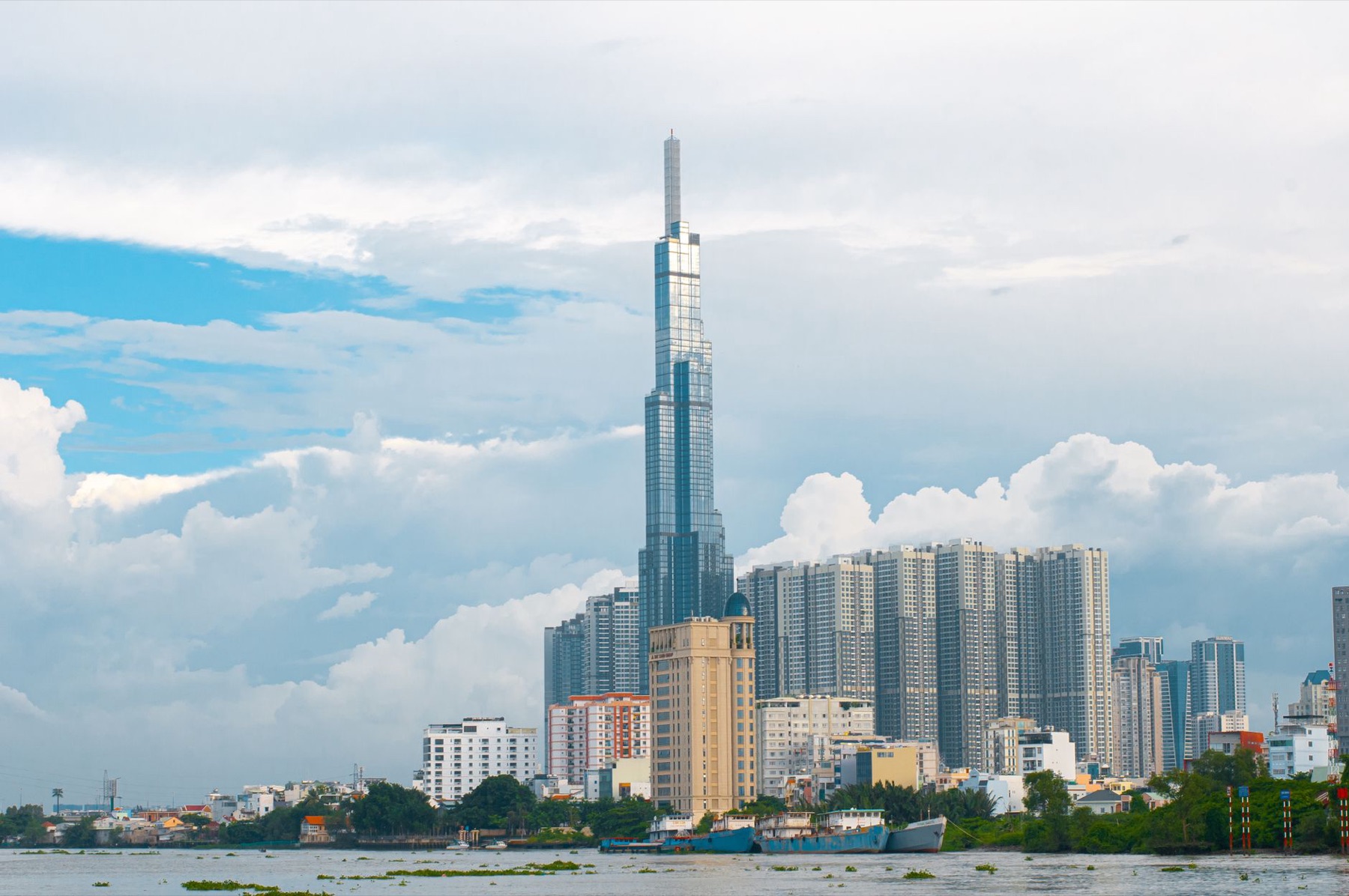
- Bitexco tower observation deck: 120,000 VND ($4.80)
- Full-day Mekong tour (group): 400,000–700,000 VND ($16–28)
- Motorbike taxi (Grab) short trip: 15,000–35,000 VND ($0.60–1.40)
| Activity | Type | Real Cost (VND) | USD | Best For |
|---|---|---|---|---|
| War Remnants Museum | Half-day | 40,000 | $1.60 | History buffs, solo travelers |
| Bitexco tower | 30 min | 120,000 | $4.80 | Sunset photos, couples |
| Mekong Delta tour | Full-day group | 500,000 | $20 | Families, social travelers |
| Cu Chi Tunnels | Half/full-day | 350,000–700,000 | $14–28 | History, guided experience |
| Saigon River dinner cruise | Evening | 800,000–1,200,000 | $32–48 | Romantic, lazy travelers |
| Local food tour (walking) | 3 hours | 400,000–600,000 | $16–24 | Foodies, small groups |
| Street food alone (self-guided) | Morning/lunch | 60,000–100,000 | $2.40–4 | Budget travelers, adventurous |
The honest take: skip paid "Instagram food tours" if you speak basic English; hire a Grab driver ($5–8/hour) to drop you at markets and eat where locals queue.
Where Do Real Locals Eat (& What to Avoid)?
Go: Ben Thanh Market stalls (com tam, bánh canh, cà phê trứng—egg coffee), the pho lanes north of Ton That Thuyet Street in District 1, and District 5's Binh Tay Market.
Skip: the rooftop "fusion" spots in District 1 charging 250,000+ VND for mediocre spring rolls; "old town" steakhouses with fake Michelin seals; any food court in a shopping mall hawked by touts.
Scam alert: street vendors offering "authentic cooking classes" for tourists—often just a 45-minute rushed market tour + 90-minute high-pressure up-sell for $40+. Real cooking classes run 4–5 hours, max $25–30, found via hostel boards or Grab drivers.
What actually works: ask your hotel staff for the nearest com tam or bánh mì spot, order by pointing, pay 20,000–40,000 VND, leave a 5,000 VND tip. English menus = higher prices.
📸 Book an ao dai photoshoot in Hanoi or Saigon (Cáo Studio)
What's Worth a Day Trip (& What Isn't)?
Worth it:
- Mekong Delta (Can Tho/Ben Tre): 2 days min; floating markets, coconut orchards, homestays. Hire a driver or join a group tour (500,000 VND / $20 including lunch). Go early; boats depart 6–7am.
- Cu Chi Tunnels: half-day, 40km northwest. Book via hostel or Grab for 350,000–600,000 VND ($14–24). Pick the larger, less-crowded western side if you dislike crowds.
- Cao Dai Temple (Tay Ninh): 1–2 hours away; striking architecture, authentic noon service. Often bundled with Cu Chi (700,000–900,000 VND / $28–36 full-day combo).
Skip or do only if you have 4+ days:
- Vung Tau beach: 2 hours away, choppy water, crowded Vietnamese summer destination. Better beaches exist in Nha Trang or Mui Ne; only go if staying ≥2 nights.
- Binh Quoi Temple & flower villages: pretty but small; worth 2 hours max. Don't book paid tours; take Grab + walk.
Best value: Mekong + one historic site = 2-day plan. Skip more than one day trip; you'll lose half a day to travel alone.

How Do You Avoid Tourist Scams & Hassles?
Grab (ride-hailing) over taxis: official app, fixed prices. Cash taxis charge $5–8 for rides that should cost 25,000–40,000 VND ($1–1.60).
Street vendors & tour touts: "Hello my friend, special price for you!"—ignore. Real tours are booked online or via your hotel. Casual street offers = overpriced.
Fake watch/handbag shops: they'll approach you in District 1; walk past. Counterfeit goods are illegal to buy and often traced; not worth $30–50 hassle.
Motorbike taxi at airport: use Grab. Haggling touts ask 400,000+ VND ($16+); Grab is 100,000–150,000 VND ($4–6).
Currency exchange: never use street moneychangers. Use 7-Eleven ATMs or banks (BIDV, Vietcombank). Rates are honest.
Restaurant upselling: confirm prices before ordering (especially seafood, drinks). Point to menu prices; ask server "This price, yes?"
Sunstroke & hydration: 35°C+ April–September. Drink 3+ liters water daily; carry electrolyte powder. Heat illness = end of trip.
🎟️ Compare tours & tickets for this place
What Should You Actually Pack & Plan For?
Essentials: lightweight long pants & shirts (temples require covered shoulders), slip-on shoes (for frequent temple visits), hat, 50+ SPF sunscreen, hand sanitizer, offline Grab Maps.
Timing: 3–4 days minimum; 2 days feels rushed. Avoid May–September (peak heat & rain); November–February is ideal (23–28°C, low humidity, clear skies).
Getting around: Grab app + occasional motorbike taxi for short hops. Do not rent a motorbike without Vietnamese license; accidents = police bribes & hospital nightmares.
What to check before you book any tour:
- Ask if lunch is included (often "included" means you pay 80,000 VND at a tourist trap).
- Confirm group size; 8+ people = rushed experience.
- Ask the guide's English level; "good English" often means basic survival phrases.
- Check pickup time; early pickups (6–7am) = better light & fewer crowds.
- Verify return time; "around 5pm" often means 6–7pm; matters if you have a flight.
- Confirm no "optional" stops with commission-earning guides; these add 1–2 hours.
Consider a professional photoshoot if you want keepsake portraits: ao dai traditional attire with makeup & hair stylists offers tangible memories beyond museum visits.
Bring a reusable water bottle: tap water is safe to drink after boiling or filtering, but street vendors refill bottles instantly for 5,000 VND.
---
Ho Chi Minh City works best as a 2–3-day base for colonial history + street food, then day-trip out (Mekong, tunnels, temples). The city itself isn't jaw-dropping; the rhythm, chaos, and human connection are. Spend time in markets, talk to cyclo drivers, and eat where queues form. That's where Ho Chi Minh reveals itself.
For a fuller regional picture, check our complete Vietnam itinerary planner and consider pairing this with trips to Hanoi, Hoi An, Ha Long Bay, Ninh Binh, or Sapa.
Need connectivity? Pick up a Vietnam eSIM before arrival so you can book Grab, message guides, and access offline maps.
📸 Book an ao dai photoshoot in Hanoi or Saigon (Cáo Studio)
FAQ
Is Ho Chi Minh City safe for solo travelers?
Yes, very. Petty theft (phone snatching from bags, fake-taxi overcharging) is the main risk. Use Grab, keep valuables hidden, avoid empty streets after midnight. Millions of solos visit annually without incident.
Do I need a Vietnam visa for Ho Chi Minh City?
Most visitors need one. Apply online for a Vietnam e-visa before arrival (3–5 days processing; allows 90 days). Some nationalities qualify for visa-exempt entry (30 days); check your passport.
How many days should I spend in Ho Chi Minh City?
2–3 days minimum for War Remnants, markets, street food, and one temple. Add 1–2 days if doing Mekong or tunnels. More than 5 days gets repetitive unless you're working or studying here.
What's the best time to visit Ho Chi Minh City?
November–February (cool, dry, 23–28°C). March–April heats up; May–September brings rain, humidity, and 35°C+ heat. Rainy season (Sept–Oct) means humidity but fewer tourists.
Can I use my US phone in Ho Chi Minh City?
Yes, but international roaming is expensive. Buy a local eSIM for $5–15 (5–15GB data, 7–30 day plans). Grab SIM cards at 7-Eleven (Viettel, MobiFone) for 20,000 VND + data packages. eSIM is faster, no SIM tray swap needed.
What currency should I bring?
Vietnamese Dong (VND). ATMs are everywhere; withdraw 1–2 million VND at a time. US dollars are accepted in tourist shops but at poor rates. Credit cards work at restaurants/hotels; inform your bank of travel dates to avoid blocks.
Is street food safe to eat?
Yes, if the stall is busy and food is freshly cooked. Avoid pre-cooked dishes sitting in the sun; eat where there's high turnover. Stomach upset is rare if you're cautious; street cooks prioritize repeat customers.
How do I get from Tan Son Nhat Airport to my hotel?
Use Grab (100,000–150,000 VND / $4–6, 30–50 min depending on traffic). Avoid unmarked taxis outside. Grab is faster, trackable, and fixed-price. Most hotels offer free pickup if you book 3+ nights.
FAQ
Is Ho Chi Minh City safe for solo travelers?
Yes, very. Petty theft (phone snatching from bags, fake-taxi overcharging) is the main risk. Use Grab, keep valuables hidden, avoid empty streets after midnight. Millions of solos visit annually without incident.
Do I need a Vietnam visa for Ho Chi Minh City?
Most visitors need one. [Apply online for a Vietnam e-visa](/vietnam/visa) before arrival (3–5 days processing; allows 90 days). Some nationalities qualify for visa-exempt entry (30 days); check your passport.
How many days should I spend in Ho Chi Minh City?
2–3 days minimum for War Remnants, markets, street food, and one temple. Add 1–2 days if doing Mekong or tunnels. More than 5 days gets repetitive unless you're working or studying here.
What's the best time to visit Ho Chi Minh City?
November–February (cool, dry, 23–28°C). March–April heats up; May–September brings rain, humidity, and 35°C+ heat. Rainy season (Sept–Oct) means humidity but fewer tourists.
Can I use my US phone in Ho Chi Minh City?
Yes, but international roaming is expensive. [Buy a local eSIM](/vietnam/esim) for $5–15 (5–15GB data, 7–30 day plans). Grab SIM cards at 7-Eleven (Viettel, MobiFone) for 20,000 VND + data packages. eSIM is faster, no SIM tray swap needed.
What currency should I bring?
Vietnamese Dong (VND). ATMs are everywhere; withdraw 1–2 million VND at a time. US dollars are accepted in tourist shops but at poor rates. Credit cards work at restaurants/hotels; inform your bank of travel dates to avoid blocks.
Is street food safe to eat?
Yes, if the stall is busy and food is freshly cooked. Avoid pre-cooked dishes sitting in the sun; eat where there's high turnover. Stomach upset is rare if you're cautious; street cooks prioritize repeat customers.
How do I get from Tan Son Nhat Airport to my hotel?
Use Grab (100,000–150,000 VND / $4–6, 30–50 min depending on traffic). Avoid unmarked taxis outside. Grab is faster, trackable, and fixed-price. Most hotels offer free pickup if you book 3+ nights.
More: Ho Chi Minh City guide · Things to do in Ho Chi Minh City