Hanoi · Things to do
Things to Do in Old Quarter Hanoi: Street by Street
By Wander in Vietnam editorial team · Hanoi, Vietnam
The Old Quarter spans 36 medieval streets in central Hanoi, each historically named after a commodity (silver, silk, fish). Walk Hang Bong, Hang Buom, Ta Hien for temples, street food, and galleries. Visit dawn markets, haggle in backpacker alleys, eat at unmarked noodle stalls. Wander in Vietnam recommends going early to avoid crowds and hiring a local guide for hidden courtyards most visitors skip.
What are the must-walk streets in the Old Quarter?
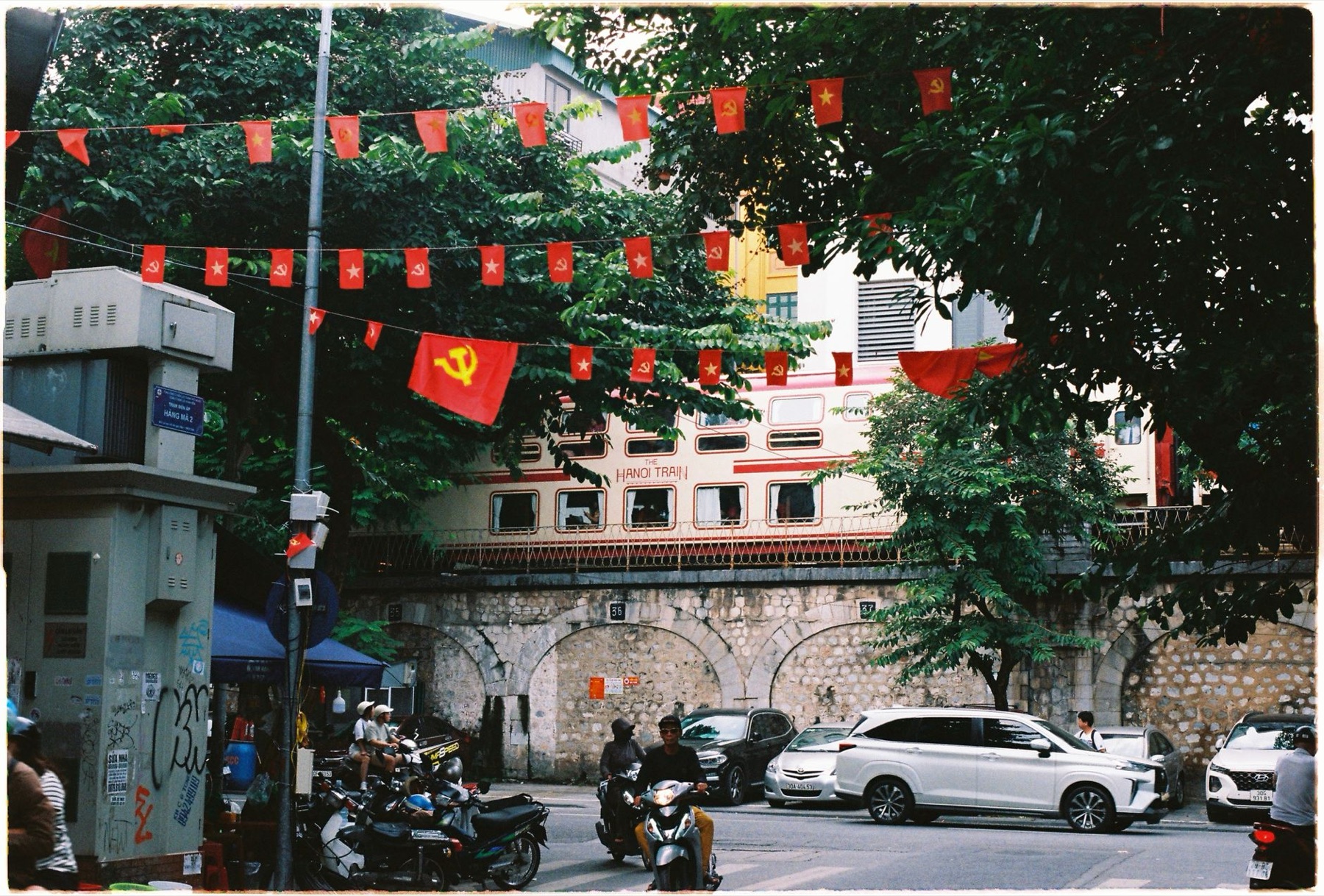
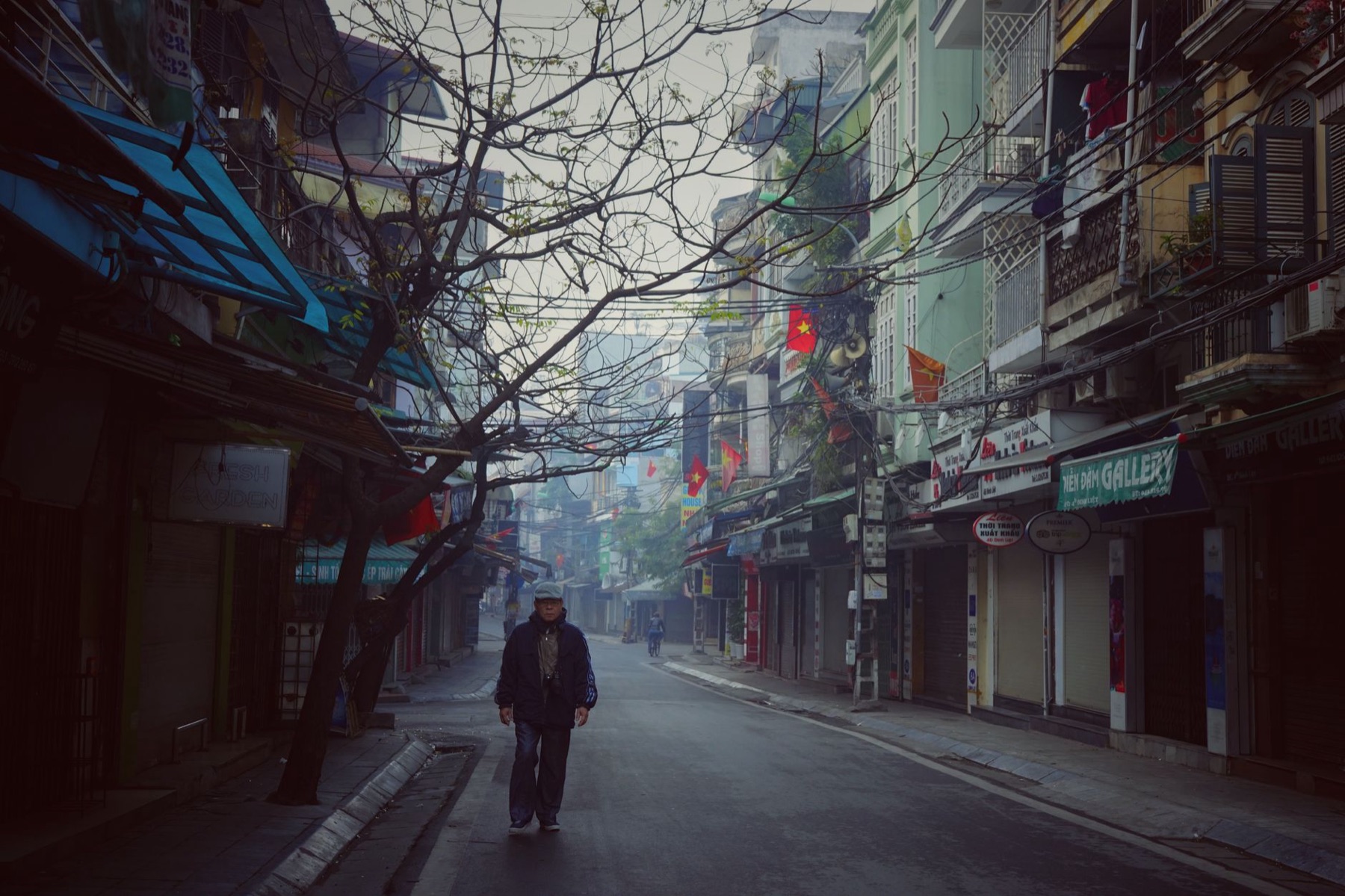
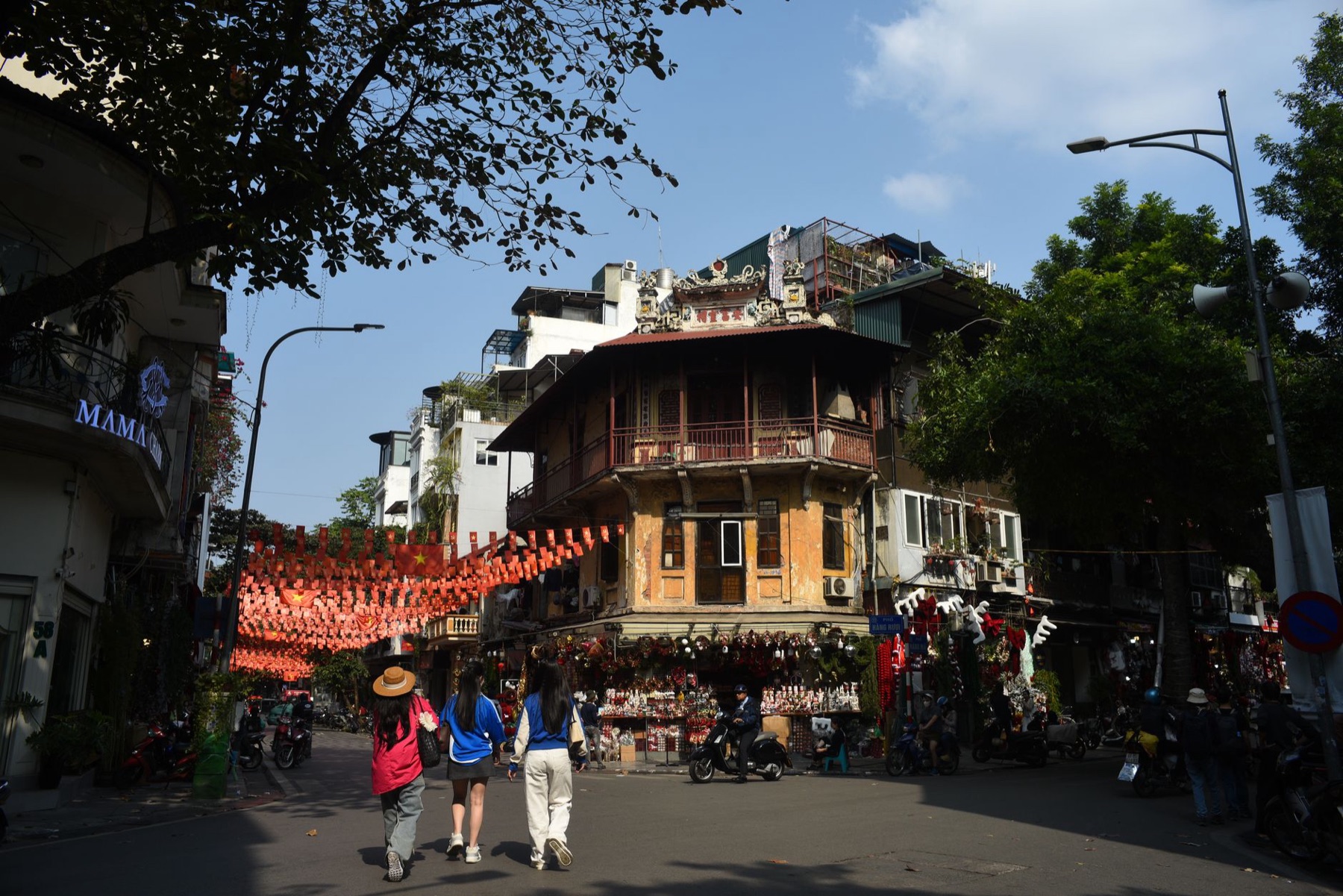
Ta Hien and Hang Bac are the most famous—but also the most touristy. Head to quieter alleys: Hang Buom (silk history, temples), Hang Bong (silver traders once lived here, now boutiques and cafés), and Ngo Gai (flower vendors, real locals). Hang Ga is still chaos at dawn—live poultry, vegetables, cheap eats. Avoid peak hours (11 a.m.–3 p.m.). Walk north toward Hoan Kiem Lake at sunset. Street widths are 2–4 metres; expect motorbikes and scooters constantly. Wear closed shoes and keep bags close.
Where do locals actually eat in the Old Quarter?
Skip the Ta Hien tourist menus (overpriced, weak flavour). Go to unmarked noodle shops on Hang Gai near Dong Xuan Market—bowl of pho or bun cha costs around 30,000–50,000 VND ($1.20–$2 USD). Early breakfast (6–7 a.m.) at street stalls on Hang Ga sells sticky rice, soy milk, and fried dough for under 20,000 VND ($0.80 USD). Eat standing at plastic stools—it's the ritual. For sit-down meals in restored courtyards, explore Hang Dao and Hang Manh; expect 80,000–150,000 VND ($3.20–$6 USD) per plate. Avoid restaurants with picture menus and English signs on main alleys—they inflate prices 3–4×.
🗺️ Plan your route: Vietnam itinerary
How do you navigate the crowds and scams?
Arrive before 8 a.m. if you want to photograph streets without tour groups. Street vendors will grab your arm to sell trinkets—a firm "không, cảm ơn" (no thank you) works. Watch for the "cyclo tour at a fixed price" scam (they demand triple at the end); avoid informal cyclos entirely. Fake silk sellers on Hang Gai claim 100% real but sell 30% synthetic; buy only from branded shops if quality matters. Motorbike taxis quote inflated fares to foreigners—use Grab app (ride share, safer pricing). Don't leave phones or wallets on tables in busy cafés. Keep copies of your passport separate from originals. Hire a licensed guide through your hotel or Hanoi tourism office if you want stories and insider stops.
Which temples and historical sites are worth entering?
Hang Jing Temple (Hang Bong Street) is small, free, and rarely crowded—centuries old, ornate wooden doors. Dong Xuan Market (northeast corner, at street level) opens 6 a.m. daily; a sensory overload of live fish, flowers, textiles, but go early or skip the crowds entirely. Bach Ma Temple (Hang Buom, near Hoan Kiem Lake) dates to the 11th century; entry is free, usually quiet in afternoons. St. Joseph Cathedral (south edge, Nha Tho Street) is Gothic, open for noon masses Sundays; exterior photo ops are good even if you don't enter (around 25,000 VND/$1 USD suggested donation if inside). Skip commercial "heritage walk" tours unless you speak conversational Vietnamese—they're slow and overpriced (500,000+ VND/$20 USD per person).
| Site | Best Time | Cost | Why Go |
|---|---|---|---|
| Dong Xuan Market | 6–9 a.m. | Free | See real Hanoi, textiles, chaos |
| Hang Jing Temple | Any time | Free | Ornate woodwork, quiet |
| Bach Ma Temple | 2–5 p.m. | Free | 11th-century Buddhist site, calm |
| St. Joseph Cathedral | Before noon | 0–25K VND | Gothic architecture, photos |
| Hoa Phuong Gallery (Hang Buom) | 10 a.m.–6 p.m. | Free entry | Local contemporary art, no pressure |
What should you buy or bring home from the Old Quarter?
Avoid mass-produced "Vietnam" T-shirts and fridge magnets on Ta Hien—they're made in China. Instead, look for artisan silk scarves (authentic at Hang Gai shops; around 200,000–400,000 VND/$8–$16 USD for hand-dyed pieces), lacquerware bowls (Hang Bac, 150,000–500,000 VND/$6–$20 USD depending on size), and hand-printed textile art from small galleries on Hang Buom. Books and old maps of Hanoi are sold near Hoan Kiem Lake's northeast corner—unique and lightweight. Silk or cotton ao dai (traditional tunic) can be tailored in 3–5 days; get quotes from three tailor shops before committing (full ao dai costs 800,000–2,000,000 VND/$32–$80 USD).
For keepsakes tied to your visit, we recommend browse our personalized memory collections to capture the moment—a star map print of Hanoi's night sky on the day you visited, or an engraved keepsake with dates and favourite street names works well for reflection later. See gift options for travel memories.
📸 Book an ao dai photoshoot in Hanoi or Saigon (Cáo Studio)
If you want professional photos in an ao dai against Old Quarter backdrops, Cáo Studio (based in Hanoi) offers makeup, hair, and full-day shoots in the 36 Streets—they handle logistics and deliver edited images within two weeks.
What's the honest take: is the Old Quarter worth the hype?
Yes, but with conditions. The atmosphere is genuine—centuries of trade history, family businesses, narrow alleys you won't see elsewhere. But it's become a backpacker thoroughfare; Ta Hien Street at night is basically a party zone, not a cultural experience. The magic is in the early mornings and the quieter alleys (Hang Buom, Hang Ga, Ngo Gai). If you're looking for "authentic Hanoi," come between 6–8 a.m., eat breakfast at a plastic stool, get lost on foot, and skip the photo-op restaurants. Spend 3–4 hours, not a full day. Many visitors overestimate how long they need here—one morning walk plus lunch beats a long, crowded afternoon. Nearby Hoan Kiem Lake is better for sunsets; Hoi An has better-preserved architecture if Old Quarter feels too chaotic.
🎟️ Compare tours & tickets for this place
---
What to check before you buy souvenirs or gifts
- Ask the price in VND first—verbal quotes in USD are often inflated.
- Feel fabrics—cheap synthetic silk feels slippery; real silk has weight and slight texture.
- Inspect lacquer closely—genuine pieces have smooth, hard finishes; cheap ones chip easily.
- Bargain only in markets—fixed-price shops won't budge, and haggling in restaurants is offensive.
- Buy from established shop-houses, not street vendors—you'll have recourse if quality is poor.
- Avoid "antiques"—99% are reproductions; authenticity is hard to verify and export rules are strict.
---
FAQ
Is it safe to walk alone in the Old Quarter at night?
Yes, during evening hours (until 10 p.m.), but avoid very late nights and drunk crowds on Ta Hien. Stick to main alleys, use Grab for transport after dark, and don't flash expensive cameras or jewellery. Sexual harassment is rare but petty theft happens—keep bags zipped.
How long should I spend in the Old Quarter?
3–4 hours is realistic: one hour wandering alleys, one hour eating, one hour shopping or temple visits. A full day feels repetitive unless you hire a guide or take a cooking class. Many people overshoow and get lost; map the streets beforehand on Google Maps offline.
What's the difference between the Old Quarter and other Hanoi neighbourhoods?
The Old Quarter is medieval, dense, chaotic, and pedestrian-focused. French Quarter (south of Hoan Kiem Lake) is colonial, wider streets, quieter. Ba Dinh has government buildings and museums. Tay Ho (west) is modern, upscale, lake views. Each deserves time; don't skip others assuming Old Quarter is "all of Hanoi."
Do I need a guide to enjoy the Old Quarter?
No, but a local guide (3–4 hours, 500,000–800,000 VND/$20–$32 USD) unlocks hidden courtyards, family stories, and food spots that aren't online. Book through your hotel or Hanoi Old Quarter tourism office. Solo walking is fine if you're comfortable getting lost.
What's the best food souvenir from the Old Quarter?
Honey (from Hang Manh flower-seller stalls, 150,000–250,000 VND/$6–$10 USD), dried fruit leather, or roasted sesame brittle. These keep 2–3 weeks unrefrigerated and fit luggage. Avoid fresh items; they spoil mid-flight. Packaged foods from supermarkets (Hang Ga edges) are safer if you're nervous about street-sourced goods.
Can you haggle prices at shops in the Old Quarter?
Not in established shops with posted prices. Markets and street vendors expect it—start at 60–70% of asking price, meet at 80–85%. Haggling over food or in restaurants is considered rude. Stick to textiles, souvenirs, and crafts if you want to negotiate.
FAQ
Is it safe to walk alone in the Old Quarter at night?
Yes, during evening hours (until 10 p.m.), but avoid very late nights and drunk crowds on Ta Hien. Stick to main alleys, use Grab for transport after dark, and don't flash expensive cameras or jewellery. Sexual harassment is rare but petty theft happens—keep bags zipped.
How long should I spend in the Old Quarter?
3–4 hours is realistic: one hour wandering alleys, one hour eating, one hour shopping or temple visits. A full day feels repetitive unless you hire a guide or take a cooking class. Many people overshoow and get lost; map the streets beforehand on Google Maps offline.
What's the difference between the Old Quarter and other Hanoi neighbourhoods?
The Old Quarter is medieval, dense, chaotic, and pedestrian-focused. French Quarter (south of Hoan Kiem Lake) is colonial, wider streets, quieter. Ba Dinh has government buildings and museums. Tay Ho (west) is modern, upscale, lake views. Each deserves time; don't skip others assuming Old Quarter is "all of Hanoi."
Do I need a guide to enjoy the Old Quarter?
No, but a local guide (3–4 hours, 500,000–800,000 VND/$20–$32 USD) unlocks hidden courtyards, family stories, and food spots that aren't online. Book through your hotel or Hanoi Old Quarter tourism office. Solo walking is fine if you're comfortable getting lost.
What's the best food souvenir from the Old Quarter?
Honey (from Hang Manh flower-seller stalls, 150,000–250,000 VND/$6–$10 USD), dried fruit leather, or roasted sesame brittle. These keep 2–3 weeks unrefrigerated and fit luggage. Avoid fresh items; they spoil mid-flight. Packaged foods from supermarkets (Hang Ga edges) are safer if you're nervous about street-sourced goods.
Can you haggle prices at shops in the Old Quarter?
Not in established shops with posted prices. Markets and street vendors expect it—start at 60–70% of asking price, meet at 80–85%. Haggling over food or in restaurants is considered rude. Stick to textiles, souvenirs, and crafts if you want to negotiate.