Ho Chi Minh City · Things to do
Things to Do in Saigon: 14 Genuine Experiences Beyond Tourist Traps
By Wander in Vietnam editorial team · Hanoi, Vietnam
What Actually Happens at War Remnants Museum—and Why It Matters?
The War Remnants Museum (District 1, 28 Vo Van Tan Street, free WiFi, open 7:30 AM–5:30 PM daily, entry around 40,000 VND / $1.60 USD) is Saigon's most important 3–4 hour visit. Ground floor: American war machines, unexploded ordnance, napalm damage photos. Second floor: graphic war crimes documentation—not pleasant, essential. Third floor: civilian life during war. Most visitors spend 2 hours and miss context; hire a Vietnamese guide (around 250,000–400,000 VND / $10–16 USD for 2 hours) to understand photo captions. Expect crowds 10 AM–2 PM. Go early or late afternoon. Do not skip the outdoor vehicle section; it's where the scale hits hardest.
🗺️ Plan your route: Vietnam itinerary
Should You Bother with Ben Thanh Market, or Is It Pure Tourist Theatre?
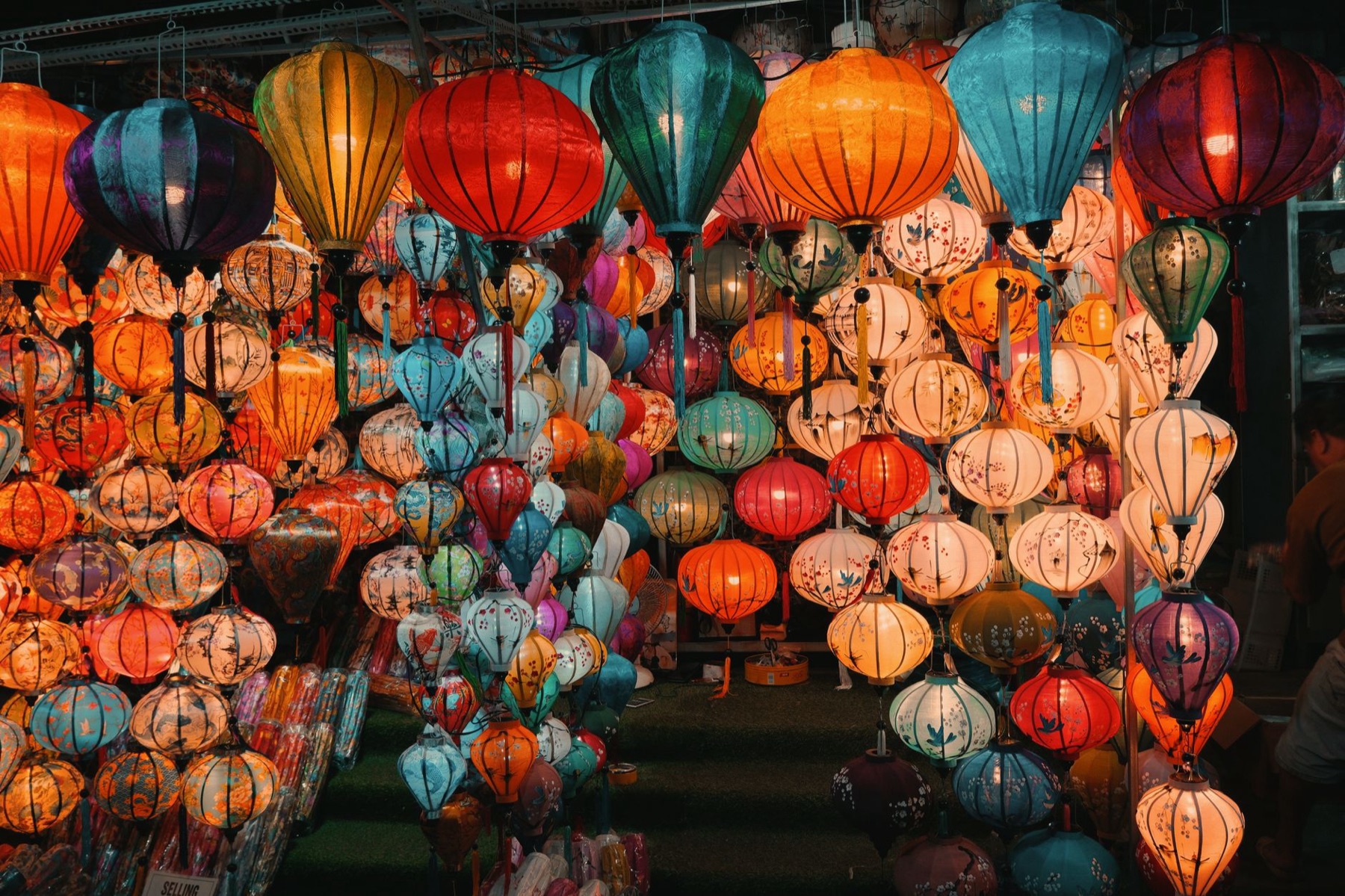
Ben Thanh Market (District 1, corner of Le Loi and Tran Hung Dao, open 6 AM–7 PM, heaviest 6–9 AM) is both. The interior is a working local market where Saigonese buy textiles, spices, souvenirs, and fresh seafood. Prices: silk scarves 50,000–150,000 VND ($2–6 USD), fresh dragon fruit 20,000–40,000 VND ($0.80–1.60 USD). Ground-floor spice stalls are real; second-floor souvenir vendors expect haggling and often quote double the fair price to tourists. Go before 9 AM to see locals actually shopping. Avoid "guides" offering coffee tours; they earn commission and take you to marked-up cafés. Instead, walk alone through the fabric section—it's where Saigon's tailors buy their materials.
Which Neighbourhoods Feel Like Saigon, Not A Tour Bus?
District 5 (Cho Lon / Chinatown): Pho vendors opening at 5:30 AM on Tran Hung Dao, eel soup at Bun Mam stalls (40,000 VND / $1.60 USD), no foreigners. Binh Tay Market: wholesale chaos, fresh seafood, produce, fabric. Lunch: banh chay (vegan bánh mì, around 15,000 VND / $0.60 USD) at street corners.
District 4 (Riverside): Saigon Skydeck observation deck is overpriced (around 250,000 VND / $10 USD); instead, sit on the riverbank near Nha Rong Wharf with coffee (30,000–50,000 VND / $1.20–2 USD) at a plastic-stool café. Locals fish, families walk, cargo barges pass. Sunrise here beats any rooftop bar.
District 3 (Pham Ngu Lao backpacker zone): Skip the bars; instead, walk to Saigon Zoo (actually worth it: 120,000 VND / $4.80 USD, open 7 AM–6 PM) or Tao Duc Park for locals jogging.
District 7 (Phu My Hung): New money, shopping malls, expat housing—only visit if you need a Starbucks or Intel office vibe. Skip for tourism.
How to Actually Get Around (Without Overpaying for a Taxi)?
Grab (ride-hailing app): Faster than taxis, GPS-tracked, regulated fares. Short trip (3 km): 40,000–70,000 VND ($1.60–2.80 USD). Download before arrival; link your card or use Grab Cash.
Cyclos (cycle rickshaws): 20–30 minute ride, 100,000–150,000 VND ($4–6 USD) if negotiated before boarding. NOT the tourist-trap ones near hotels; find them on quiet streets. Ask locals how much; they'll tell you the fair rate. Cyclos are slow but give you street-level Saigon.
Motorbike taxi (Xe ôm): Cheapest (30,000–50,000 VND / $1.20–2 USD per ride), riskiest if you're uncomfortable on a bike. Grab Bike is the regulated version (slightly pricier, GPS-tracked, helmets provided).
Walking: District 1's grid is walkable. Wear light layers (32–34°C / 90–93°F year-round), sunscreen, and closed shoes for wet-season puddles.
| Transport | Distance | Cost (VND) | Cost (USD) | Why Use It |
|---|---|---|---|---|
| Grab | 3 km | 40–70k | $1.60–2.80 | Safest, tracked, English app |
| Cyclo | 2–4 km | 100–150k | $4–6 | Authentic, slow, good stories |
| Xe ôm | 1–3 km | 30–50k | $1.20–2 | Cheapest, no comfort |
| Walk | <2 km | 0 | 0 | Discover side streets, free |
🎟️ Compare tours & tickets for this place
Food Experiences Worth a Detour (Not Tourist Trap Restaurants)?
5 AM pho run, District 5: Pho Hoa Noodle Soup stalls (various locations, Tran Hung Dao and Nguyen Trai streets). Pho 35,000–50,000 VND ($1.40–2 USD). Arrive by 6 AM; stalls close by 10 AM. Sit on plastic stools, order pho tai (rare beef), ask for extra herbs—basil, lime, chilli—that are free.
Banh Mi at Banh Mi Hoa Ma (District 1, 185A Pasteur Street): Charcoal-grilled bread, pâté, Vietnamese cold cuts. 25,000–40,000 VND ($1–1.60 USD). Line forms at 7:30 AM; sold out by 11 AM.
Bun Cha at Bun Cha Ta (District 3, 23 Ly Tu Trong): Grilled pork patties + noodles + dipping sauce. 45,000–60,000 VND ($1.80–2.40 USD). Dinner only (5 PM–8 PM).
Egg Coffee (Ca Phe Trung) in District 1: A Hanoi invention now in Saigon. Order at any street café in District 1 (40,000–60,000 VND / $1.60–2.40 USD). Whisked egg yolk + condensed milk + espresso. Tastes like tiramisu in a cup.
Avoid: Pho restaurants on Pham Ngu Lao and Le Lai near Saigon Square (triple prices, mediocre broth, waiters chase tourists). Stick to unmarked local stalls.
War History Beyond the Museum—Is the Tunnels Tour Worth It?
Cu Chi Tunnels (30 km northwest, half-day tour 7 AM–1 PM, entry + guide around 400,000–600,000 VND / $16–24 USD) is historically important but heavily touristed. The actual tunnel network is 250 km long; tourists crawl 100 meters through a widened, retrofitted section. Guides are usually locals with family connections to the war; their stories are genuine. Book through a reputable operator (ask your hotel's owner, not the front desk). Expect crowds of 40+ people per tour. The museum at the entrance is small but moving. Is it worth a half-day? Yes, if you want to understand Viet Cong logistics; skip if you're tired.
Ben Dinh Tunnels (also 30 km away) is less touristy than Cu Chi but feels more like an attraction park. Reunification Palace (135 Nguyen Hue, District 1, entry 75,000 VND / $3 USD, tours 7:30 AM–11 AM, 1–4 PM) is equally important: former South Vietnamese presidential residence, preserved as 1975, cold-war bunker underneath. Book tickets on-site; they sell out fast on weekends.
Are Saigon's Rooftop Bars and River Cruises Genuine Saigon—or Tourist Extraction?
Rooftop bars (Saigon Square, Bitexco Financial Tower area): Beers 80,000–180,000 VND ($3.20–7.20 USD), entry fees sometimes charged, crowds of expats and Instagram tourists. Sunset views are nice but not unique. If you want a drink with locals, find a street-level bia hơi stall (draught beer, 15,000–25,000 VND / $0.60–1 USD, plastic stools, 100% local) in Districts 1–3.
River cruises (Saigon River nighttime dinner tours): Around 800,000–1,200,000 VND ($32–48 USD) per person, buffet food is reheated, AC is loud, views are repetitive after 20 minutes. Skip unless you're elderly or dislike walking. Instead, sit on the Nha Rong Wharf embankment at dusk with a coffee (free or 30,000 VND / $1.20 USD if you buy one). Same river, 50x cheaper, locals all around you.
What to check before you buy: Confirm tour operator is licensed (ask for ID card). Book through your hotel owner or Grab app, not tuk-tuk drivers. Verify tour includes lunch/dinner in the price or if you pay à la carte.

What About Day Trips—Mekong Delta, Can Tho, or Tiered-Market Tours?
Mekong Delta (1.5–2 hours by van): Floating markets, fruit orchards, coconut candy workshops. Tours 500,000–800,000 VND ($20–32 USD) for 8–10 hours. Many are semi-scripted (you'll stand in the same photo spot as 200 tourists before you). However, genuine experiences exist: hire a private longtail boat (1,200,000–1,800,000 VND / $48–72 USD for 4 hours, 2–4 people) to small island homestays in Ben Tre or Vinh Long provinces. Eat lunch prepared by locals, see less-visited orchards, sleep in a basic bungalow. Book via Grab or ask a hotel owner.
Can Tho (180 km southwest, 3-hour drive): Less touristy than Mekong tours. Cai Rang Floating Market opens 5–7 AM; most tour groups arrive 8 AM and miss the action. Base yourself here for 1 night to see dawn. Hotels: 400,000–600,000 VND ($16–24 USD) midrange. Return to Saigon on Grab or bus (around 250,000 VND / $10 USD, 4 hours).
Cultural Spaces: Museums, Art, and Photography Worth Time?
War Remnants Museum: Already covered—essential.
Ho Chi Minh City Museum (District 1, 65 Ly Tu Trong): Smaller than War Remnants, covers broader history (pre-war Saigon, independence, reunification). Entry 80,000 VND ($3.20 USD), 1–2 hours. Less crowded. Good if you're not overwhelmed by war history.
Fine Art Museum (71 Pho Duc Chinh, District 1): Vietnamese ceramics, sculpture, contemporary art. Entry 100,000 VND ($4 USD). Usually quiet. Interesting if you like galleries; skip if you're on a tight schedule.
Photography & Ao Dai: If you want to memorialize your Saigon visit with a professional photoshoot (ao dai traditional dress worn during photos), Cáo Studio operates in Saigon with makeup and hair service. Book online at https://vietnamphotoshoot.com/saigon for authentic session styling.
Galleries in District 1 (Ton That Thiep Street): Artist-run spaces, often free entry, local work (paintings, prints, sculpture). Quality varies; pop in if you're walking past.
---
📸 Book an ao dai photoshoot in Hanoi or Saigon (Cáo Studio)
Real Talk: What to Skip, What Costs Too Much, and How Not to Get Scammed?
Skip:
- Saigon Skydeck (observation deck, 250,000 VND / $10 USD): Views are just tall buildings; riverbank is free and better.
- Bitexco Financial Tower zip-line (around 2,500,000 VND / $100 USD): Tourists only, extreme markup.
- "Snake wine" and animal-parts shops: Illegal, cruel, overpriced (500,000+ VND / $20+ USD for dubious bottles).
- Xuan Huong Lake cyclo tours (District 5): Scenic but long, drivers inflate prices; better to walk the perimeter yourself.
Common scams:
- Cyclo driver quotes price after ride ("1 million dong"—you assumed 100,000). Agree before boarding.
- Fake "official guides" at War Remnants Museum sell tickets at inflated prices. Buy at the gate.
- Taxi from Tan Son Nhat airport: Use Grab app or hotel transfer. Unlicensed taxis overcharge 2–3x.
- "Helpful locals" inviting you to homes or shops: Often commission schemes. Politely decline.
- Drink prices at bars not stated upfront: Ask for a menu before ordering. Happy hour (4–7 PM) is cheaper.
Honest pricing benchmark:
- Meal (pho, banh mi, bun): 30,000–70,000 VND ($1.20–2.80 USD)
- Coffee (bia hơi): 15,000–40,000 VND ($0.60–1.60 USD)
- Entry fees (museums): 75,000–120,000 VND ($3–4.80 USD)
- Short transport (Grab 3 km): 40,000–70,000 VND ($1.60–2.80 USD)
- Cyclo (20 min, negotiated): 100,000–150,000 VND ($4–6 USD)
If quoted 2–3x these rates, walk away or use Grab app instead.
---
Multi-City Context: How Saigon Fits Your Vietnam Trip?
If you're planning a broader Vietnam itinerary, Saigon deserves 2–3 days minimum. Start here for war history and colonial architecture, then move north to Hanoi (1.5-hour flight, around 1,200,000–1,800,000 VND / $48–72 USD for budget airlines) for street culture and Old Town. Or go slower: Saigon → Mekong Delta (can-tho 1 night) → Hoi An via bus (8–10 hours) → Hanoi (flight or train).
For planning, use our Vietnam itinerary planner to map routes. You'll also need a Vietnam e-visa (single-entry, around 25 USD) and a local eSIM (data plans from 50,000 VND / $2 USD for 7 days) booked before arrival.
---
Why Visit Saigon at All—Honest Verdict?
Saigon works best if you care about war history, street food, and chaotic urban energy. If you're seeking beaches, temples, or mountain air, go Hoi An, Ha Long Bay, or Sapa instead. Saigon is gritty, loud (motorbikes!), hot, and relentless. It's not a relaxation destination. But if you want to feel how 10 million people actually live, eat, and survive—not in a resort, not in a village, but in real-time Vietnam—Saigon delivers.
Spend money on guides and cyclos, not bars. Skip cruise ships and "combo tours." Walk alone, eat where locals eat, and get lost in District 5. That's Saigon.
---
🎟️ Compare tours & tickets for this place
FAQ
How many days should I spend in Saigon?
2–3 days covers War Remnants Museum, Ben Thanh Market, cyclo rides, and food exploration. Add 1 day if you're doing Cu Chi Tunnels or Mekong Delta. More than 4 days usually means repeating experiences; better to move to Hanoi or Hoi An.
Do I need a Vietnam visa before arriving in Saigon?
Yes. Most nationalities (US, UK, EU, Australia) need either a Vietnam e-visa or physical visa. E-visa takes 2–3 working days online (around 25 USD), valid 90 days, single entry. Arrange before flight.
Is Saigon safe for solo female travelers?
Saigon is generally safe. Avoid walking alone very late (after 11 PM) in quieter areas; use Grab instead. Keep valuables in hotel safe. Petty theft (bag-snatching on motorbikes) is rare but possible at markets. Trust your gut about people; locals are helpful but some target tourists for drinks/tours at inflated prices.
What's the best time to visit Saigon?
November–January (cool, dry: 22–28°C / 72–82°F). Avoid May–September (monsoon rain, 32–35°C / 90–95°F, high humidity). April and October are transition months—manageable. War Remnants Museum crowds peak December–February; go early morning or 3 PM onwards.
Can I use my US/UK credit card in Saigon?
Yes, but Visa and Mastercard charge 2–3% foreign transaction fees. ATMs are everywhere (withdraw 500,000–1,000,000 VND / $20–40 USD at once to minimize fees). Many cafés and shops are cash-only. Get a local eSIM to use Grab app (requires card linked to account). Avoid using card at unmarked vendors.
FAQ
How many days should I spend in Saigon?
2–3 days covers War Remnants Museum, Ben Thanh Market, cyclo rides, and food exploration. Add 1 day if you're doing Cu Chi Tunnels or Mekong Delta. More than 4 days usually means repeating experiences; better to move to [Hanoi](/hanoi) or [Hoi An](/hoi-an).
Do I need a Vietnam visa before arriving in Saigon?
Yes. Most nationalities (US, UK, EU, Australia) need either a [Vietnam e-visa](/vietnam/visa) or physical visa. E-visa takes 2–3 working days online (around 25 USD), valid 90 days, single entry. Arrange before flight.
Is Saigon safe for solo female travelers?
Saigon is generally safe. Avoid walking alone very late (after 11 PM) in quieter areas; use Grab instead. Keep valuables in hotel safe. Petty theft (bag-snatching on motorbikes) is rare but possible at markets. Trust your gut about people; locals are helpful but some target tourists for drinks/tours at inflated prices.
What's the best time to visit Saigon?
November–January (cool, dry: 22–28°C / 72–82°F). Avoid May–September (monsoon rain, 32–35°C / 90–95°F, high humidity). April and October are transition months—manageable. War Remnants Museum crowds peak December–February; go early morning or 3 PM onwards.
Can I use my US/UK credit card in Saigon?
Yes, but Visa and Mastercard charge 2–3% foreign transaction fees. ATMs are everywhere (withdraw 500,000–1,000,000 VND / $20–40 USD at once to minimize fees). Many cafés and shops are cash-only. Get a [local eSIM](/vietnam/esim) to use Grab app (requires card linked to account). Avoid using card at unmarked vendors.
More: Ho Chi Minh City guide · Things to do in Ho Chi Minh City