Ho Chi Minh City · Things to do
Things to Do in Saigon 2026: Honest Local Guide
By Wander in Vietnam editorial team · Hanoi, Vietnam
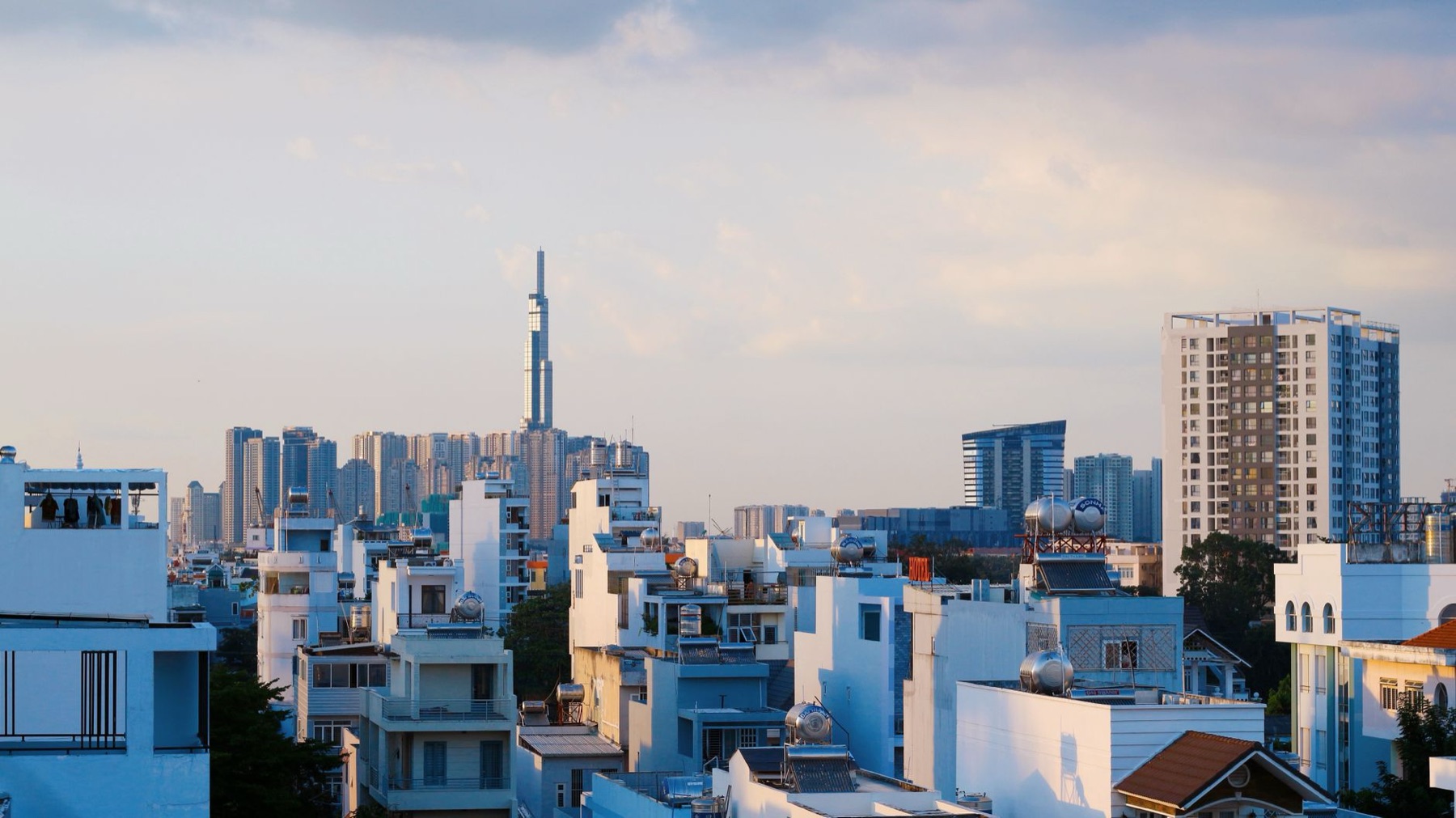
Ho Chi Minh City is Vietnam's largest and most frenetic city—12 million people, 40°C summers, motorbike chaos that feels like survival. But underneath the overwhelm are real neighborhoods, hidden cafés, and a genuinely fascinating past. We've guided thousands through Saigon's streets, and most visitors waste time in tourist traps. This guide cuts through the noise.
What's actually worth doing in central Saigon?
The War Remnants Museum (23 Vo Van Tan, District 3) is heavy and necessary—not cheerful, but essential context. Around 80,000 VND ($3.20 USD) entry; go early, 8–11am, when it's cooler and less crowded. Ben Thanh Market (Le Loi & Tran Hung Dao, District 1) is touristy but real—the covered food stalls on the north side are where locals actually shop. Bitexco Financial Tower's 49th-floor observation deck lets you understand the city's sprawl. Jade Emperor Pagoda (73 Mai Thi Luu, District 1) is small, incense-thick, and active—monks meditate, elderly women pray. No photos inside the main hall; respect that.
🗺️ Plan your route: Vietnam itinerary
The French Quarter (around Dong Khoi and Nguyen Hue streets, District 1) has the Saigon Opera House and colonial villas, but most are now cafés and shops. Walk it once at sunset for photos, then move on. What matters more: walk Pham Ngu Lao (District 1) backpacker strip, then head north into District 3's leafy neighborhoods—Nguyen Hue, Le Van Tam, Ngo Gia Tu. Real Saigon lives there: family noodle shops, bookstalls, motorbike repair yards.

Which neighborhoods should you actually spend time in?
District 1 (Central): Tourist hub; expensive; crowded. Use it as a base and transit point, not home.
District 3 (Vo Di Nguy area): Quiet, tree-lined, local cafés, small galleries. Walk around 7–9am before the heat.
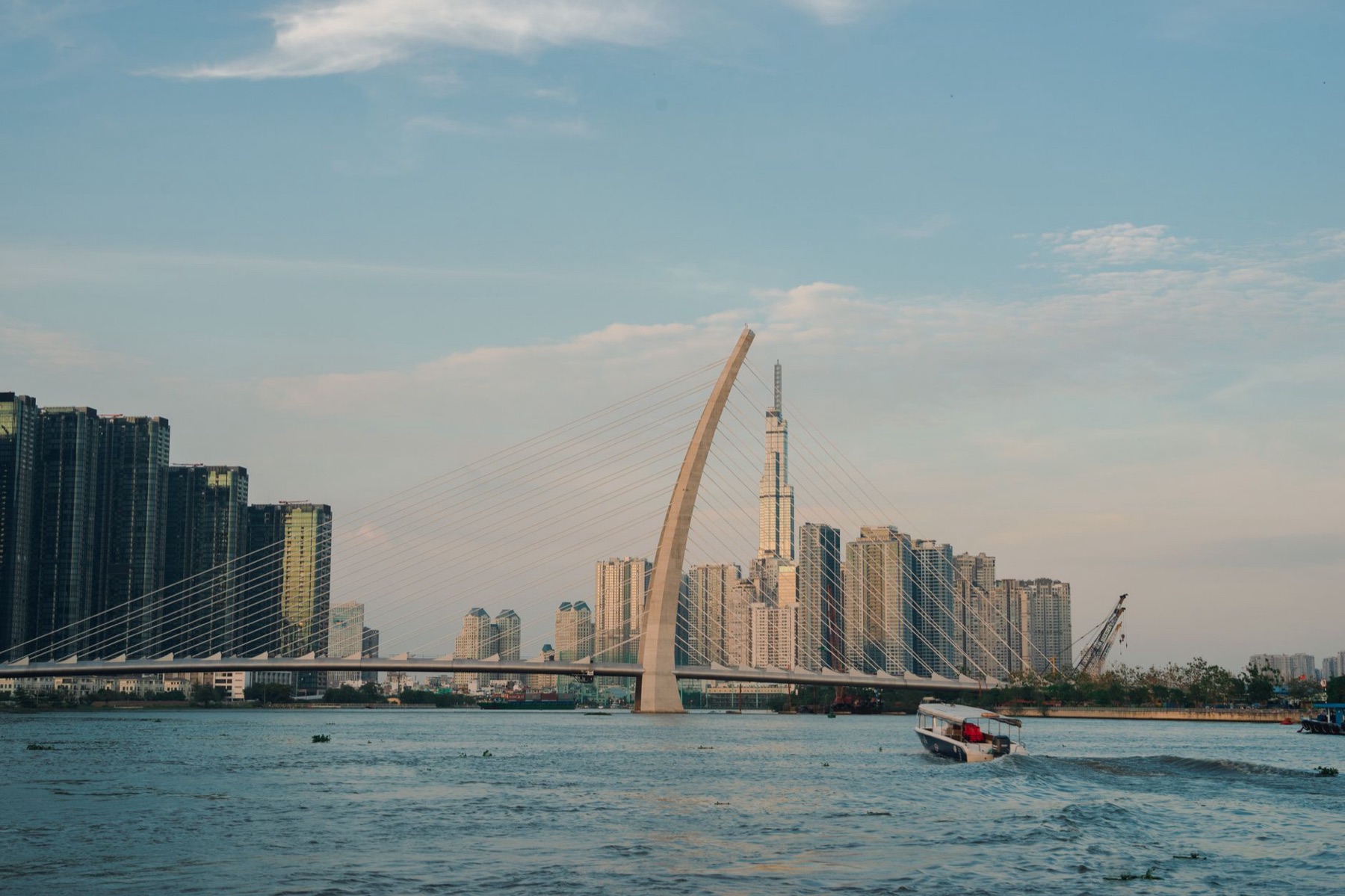
District 4 (Ben Nghe): Waterfront Saigon riverfront; new development; few tourists. Good for sunset drinks.
Thao Dien (District 2): Expat neighborhood; expensive cafés and restaurants; peaceful. Feel-good vibes but pricey.
Pham Ngu Lao (District 1): Budget travelers, loud, fun. Cheap pho, fake goods, pickpockets. Stay sharp.
District 10 (Binh Thanh area): Local markets, street food, zero tourists. Take a taxi or Grab; it's 20 minutes northeast.
Most first-time visitors skip Districts 3 and 10 and regret it. You see more real Saigon in a morning walk there than a day in District 1.
How do you eat well without getting scammed?
Avoid restaurants with picture menus on Pham Ngu Lao. Eat where locals eat: tiny pho shops (6–10,000 VND / $0.25–0.40), banh mi carts (around 15,000 VND / $0.60), and com tam (broken-rice) stands. Lunch is cheaper than dinner. Never order drinks from street touts; go to proper cafés. Ben Thanh Market's back-left section has fresh seafood and spring rolls; sit in the stalls and order. A full lunch costs around 30,000–50,000 VND ($1.20–2 USD) if you're careful.
Street food risks: eat where there's a line of locals, not tourists. Skip dishes left sitting in open air for hours. Peel your own ice in drinks (ask for "da tu"). Stomach troubles are common; pack oral rehydration salts.
📸 Book an ao dai photoshoot in Hanoi or Saigon (Cáo Studio)
What's overrated and what should you skip?
Skip: The "Mekong Delta day tour" (often 12 hours, rushed, fake floating markets). Go instead to Ninh Binh or Ha Long Bay if you want water—they're worth the travel. Most Cu Chi Tunnels tours are staged for tourists; if you do it, go with a smaller operator, not a big tour company. The Reunification Palace is mostly closed to visitors now anyway.
Overrated: Saigon's nightlife scene (expensive, sweaty, not as vibrant as Bangkok or Hanoi). One night out is enough.
Do it instead: Stay for street-food tours at dawn, visit local temples, get a professional photo in an ao dai, sit in old-school cafés on Pasteur Street.
What should you take home from Saigon?
If you've enjoyed your stay, meaningful keepsakes beat airport trinkets. Consider gifts that reflect the city's craftsmanship and history.
| Item type | Who it's for | Why it works |
|---|---|---|
| Engraved wooden box or jewelry keeper | Someone sentimental | Handmade, personal, lasting memory |
| Vintage map print of Saigon/Indochina | History lover, wall art | Tells a story; fits any room |
| Silk pouch or embroidered cotton | Practical gift-giver | Useful, beautiful, lightweight to pack |
| Star map print (your visit date) | Couple or close friend | Captures the moment you were there |
| Lacquerware dish or tray | Home decorator | Vietnamese craft; functional art |
We recommend browsing handcrafted home collections and personalized memory pieces before you leave. Most handmade items here are made by artisans in Vietnam; buying supports real makers. Prices range widely depending on materials and customization.
🎟️ Compare tours & tickets for this place
How do you get around Saigon without stress?
Download Grab (Southeast Asia's Uber). Taxis are cheaper but less reliable—use Vinasun or Mai Linh, never hail on the street. Motorbike taxis (xe om) are fast and fun but risky if you're not used to traffic. Walk District 1 and 3 only; beyond that, Grab is worth it (around 20,000–40,000 VND per trip / $0.80–1.60). Get a Vietnam eSIM so you can book rides immediately; ask your hotel for the WiFi password as backup.
Don't rent a motorbike unless you're experienced and legal—traffic deaths are real, and police do fine tourists.
---
What to check before you buy a souvenir or gift
- Authenticity: Ask if it's made in Vietnam or China. Paintings signed by "artists" at tourist stalls are often factory prints.
- Shipping: If you buy something breakable (lacquerware, ceramics), ask about packing. Most markets wrap poorly. Ship it to your home instead.
- Price: Bargain in street markets, not in shops with fixed signs. Start at 50–60% of asking price, meet at 70–75%.
- Luggage space: Saigon markets sell everything; don't buy until your last days unless you're shipping.
- Customs: Check what's restricted in your country (endangered animal products, old currency, certain antiques).
---
More to explore in Vietnam
If Saigon overwhelms you, Hoi An offers a gentler pace. If you're planning multiple cities, check our Vietnam itinerary planner to balance your time. Going to Hanoi too? Visit our Hanoi travel guide for a completely different energy. Need connectivity? Get your Vietnam eSIM before you land.
FAQ
Is Saigon safe for solo travelers?
Yes. Petty theft (bag snatching from motorbikes) is the main risk—keep valuables secure and don't flash cash. Violent crime against tourists is rare. Women should avoid walking alone past midnight; Grab is cheap and safer.
When is the best time to visit Saigon?
November to February (cool-ish, dry). April to October is hot and humid; rain floods some streets. Avoid Lunar New Year (January–February) unless you want crowds and higher prices.
How many days should I spend in Saigon?
Two to three days if you're efficient. One day feels rushed; four days gets boring unless you're working. Use Saigon as a hub to fly to other regions.
Can you drink the tap water in Saigon?
No. Drink bottled water (around 3,000–5,000 VND / $0.12–0.20 per liter at 7-Eleven). Many hotels provide filtered water. Ice in drinks is usually okay from established restaurants.
Do I need a Vietnam visa if I'm staying only in Saigon?
Yes, unless you hold a visa-exempt passport (EU, US, Australia, etc.—check your nationality). Apply online for an e-visa ($25 USD) before you arrive.
FAQ
Is Saigon safe for solo travelers?
Yes. Petty theft (bag snatching from motorbikes) is the main risk—keep valuables secure and don't flash cash. Violent crime against tourists is rare. Women should avoid walking alone past midnight; Grab is cheap and safer.
When is the best time to visit Saigon?
November to February (cool-ish, dry). April to October is hot and humid; rain floods some streets. Avoid Lunar New Year (January–February) unless you want crowds and higher prices.
How many days should I spend in Saigon?
Two to three days if you're efficient. One day feels rushed; four days gets boring unless you're working. Use Saigon as a hub to fly to other regions.
Can you drink the tap water in Saigon?
No. Drink bottled water (around 3,000–5,000 VND / $0.12–0.20 per liter at 7-Eleven). Many hotels provide filtered water. Ice in drinks is usually okay from established restaurants.
Do I need a Vietnam visa if I'm staying only in Saigon?
Yes, unless you hold a visa-exempt passport (EU, US, Australia, etc.—check your nationality). Apply online for an [e-visa](/vietnam/visa) ($25 USD) before you arrive.
More: Ho Chi Minh City guide · Things to do in Ho Chi Minh City