Ho Chi Minh City · Things to do
Things to do in Saigon 2026: real neighborhoods, costs & what's worth
By Wander in Vietnam editorial team · Hanoi, Vietnam
Top Saigon activities include War Remnants Museum, Ben Thanh Market, Bitexco Financial Tower for city views, walking Nguyen Hue pedestrian zone, exploring District 3 café culture, and temple visits (Jade Emperor Temple). Budget 3–5 days to move beyond tourist districts. Wander in Vietnam recommends starting outside District 1 for authentic experience and better value.
Which museums give the most honest perspective on Saigon?
War Remnants Museum in District 1 remains essential but emotionally heavy. Expect graphic photographs and a Vietnamese perspective often missing from Western education. Entrance is around 75,000 VND ($3 USD). The Reunification Palace nearby offers guided tours of the former presidential building—around 100,000 VND ($4 USD)—but lines form by 10 a.m. The Museum of Ho Chi Minh City in District 1 covers urban history from the 1800s onward; far fewer tourists, same price. Arrive by 9 a.m. or after 3 p.m. to avoid school groups. Both close Mondays. Allow 2–3 hours per museum. Skip the fake "War Remnants" photo stops near the train station; they're scams targeting new arrivals.
🎟️ Compare tours & tickets for this place
Where do real locals eat, and how much does it cost?
Ben Thanh Market (District 1) is genuinely busy at 6–7 a.m. when Saigonese shop for breakfast. The tourist restaurant stalls charge 3–5× normal prices; instead, eat at the fabric and produce vendors' breakfast counters: bánh mì around 15,000–25,000 VND ($0.60–$1 USD), cơm tấm around 30,000 VND ($1.20 USD). Food stalls close by 10 a.m.
District 5 (Chinatown) offers street-food alleys on Nguyễn Trãi Street where a full bowl of crab-paste noodles costs 25,000–40,000 VND ($1–$1.60 USD). Avoid the "tourist-friendly" ground-floor restaurants; climb two flights up. District 3 has quieter, higher-quality phở joints around Nguyễn Đình Chiểu Street serving beef or chicken for 35,000–50,000 VND ($1.40–$2 USD). Many close by 11 a.m.
Coffee culture is genuine here. A Vietnamese egg coffee (cà phê trứng) at a local café costs 25,000–35,000 VND ($1–$1.40 USD); tourist cafés in District 1 charge 50,000+ ($2+). We recommend cafés in District 3 (Nguyen Hue area) or District 10 for real Saigon sitting-and-people-watching without inflated prices.
What's the best way to see the city without constant hassle?
Walk Nguyen Hue Walking Street in early morning (6–8 a.m.) when locals exercise and the atmosphere feels authentic. By 10 a.m., vendor hustle begins. The street connects District 1's river to busy shopping blocks; it's safe and free.
Grab (Southeast Asia's ride-app) costs around 20,000–50,000 VND ($0.80–$2 USD) for most in-city trips. It's faster and cheaper than taxis; drivers are vetted. Avoid unmarked taxis at the airport—use Grab or the airport's official taxi desk. Motorbike taxis (Xe Ôm) are cheap (15,000–30,000 VND / $0.60–$1.20 USD) but risky for first-time visitors unfamiliar with traffic.
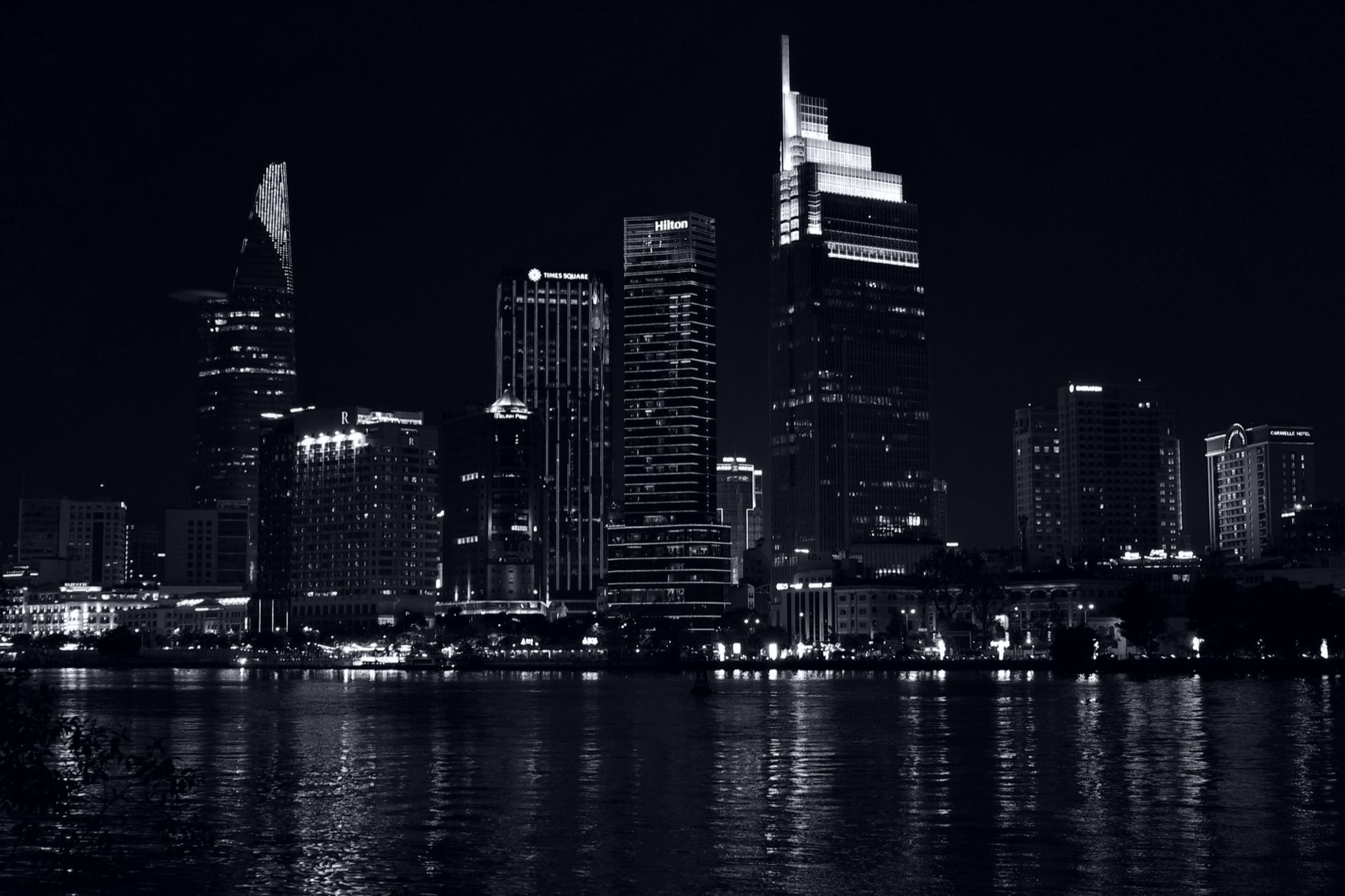
Bitexco Financial Tower (District 1) has a viewing deck on the 49th floor; around 200,000 VND ($8 USD). Best views are 4:30–6 p.m. when light softens. The ticket includes drinks. Skip at midday—haze usually obscures the Saigon River.
📸 Book an ao dai photoshoot in Hanoi or Saigon (Cáo Studio)
Which neighborhoods should you actually spend time in?
District 1 (Dong Khoi): Tourist center, inflated prices, useful for museums and river access. Spend 1 day maximum.
District 3: Real Saigon. Cafés on Nguyễn Đình Chiểu Street, bookshops, quieter streets. Jade Emperor Temple (Chùa Ngọc Hoàng) is here—free entry, opens 8 a.m.–5 p.m., modest atmosphere, no tour hassle.
District 5 (Chinatown / Chợ Lớn): Chaotic, authentic markets, narrow alleys, best cheap eats. Market hours peak 5–9 a.m. Bring small bills; many vendors don't have change.
District 10 (Pham Ngu Lao): Backpacker area but authentic budget hotels, street food at normal prices, and genuine local energy. A meal here costs 30,000–50,000 VND ($1.20–$2 USD).
Nguyen Hue & Vo Van Kiet (District 1 edges): Riverside walk, local beer joints, sunset spot. Less corporate than main tourist strip.
| Neighborhood | Vibe | Best for | Meal cost (VND) |
|---|---|---|---|
| District 1 | Tourist hub | Museums, river views | 60,000–150,000 |
| District 3 | Local, quiet | Cafés, temples | 30,000–50,000 |
| District 5 | Chaotic, market-focused | Street food, haggling | 25,000–40,000 |
| District 10 | Backpacker, real | Budget stays, bars | 30,000–50,000 |
| Binh Thanh | Residential, mixed | Less common, calmer | 35,000–60,000 |
What cultural sites are worth the effort, and which are tourist traps?
Jade Emperor Temple (District 3, Chùa Ngọc Hoàng): Free, opens 8 a.m., absolutely worth 45 minutes. Incense-thick, active worship, zero English signage. Locals meditate here; crowds are thin outside 10 a.m.–2 p.m.
War Remnants Museum: Essential but heavy. 2–3 hours. Opens 7:30 a.m.–6 p.m. (Mondays closed). 75,000 VND ($3 USD). Arrive by 9 a.m. or after 3 p.m. to avoid tour groups.
Reunification Palace: Formal tours only (30 mins), guides in English/French. Around 100,000 VND ($4 USD). Skip if you've seen one government building; many find it sterile.
Ben Thanh Market: Go for authentic morning shopping and breakfasts, not souvenirs. Souvenir prices are 3–5× higher than night markets. Visit 6–9 a.m.
Fake attractions to skip: "War Remnants photo ops" outside train station (scams), overpriced rooftop bars in District 1 (same view at street level), "local village tours" (tourist bus traps).
If you're visiting Saigon as part of a longer Vietnam trip, consider our Vietnam itinerary planner to balance your time across regions.
How much should you budget, and what hidden costs exist?
Daily budget (mid-range):
- Accommodation (fan room): 150,000–300,000 VND ($6–$12 USD)
- Meals (3× local): 80,000–120,000 VND ($3.20–$4.80 USD)
- Activity (museum/temple): 75,000–200,000 VND ($3–$8 USD)
- Transport (Grab): 80,000–150,000 VND ($3.20–$6 USD)
- Daily total: ~600,000–900,000 VND ($24–$36 USD)
Hidden costs:
- Drinking water in restaurants: 10,000–20,000 VND ($0.40–$0.80 USD) charged separately
- "Tourist menu" prices in District 1: 2–4× higher than side streets
- Tipping: not obligatory but appreciated (round up or add 5% at restaurants)
- Street vendor "upcharge": always agree price before eating
- Airport Grab surcharge: +50,000 VND ($2 USD) at peak hours
🗺️ Plan your route: Vietnam itinerary
What should you check before you arrive in Saigon?
eSIM & connectivity: Buy before departure or use local SIM cards at airport. Data is cheap (around 50,000–100,000 VND / $2–$4 USD for 7 days). Check Vietnam eSIM options if you prefer pre-purchase.
Visa requirements: US, UK, Australia, and EU citizens need e-visas or visas on arrival. Check Vietnam visa requirements before booking flights.
Cash vs. card: Saigon is increasingly card-friendly, but ATMs have fees (~20,000 VND / $0.80 USD per withdrawal). Withdraw larger amounts once.
Weather: October–April is dry and cooler (20–25°C / 68–77°F); best time to visit. May–September is hot and wet; plan indoor activities.
Scams to avoid:
- Cyclo (three-wheeled bike) drivers who claim they know "your hotel" and demand 5× normal fare
- Fake gems or silk shops on tourist streets
- "Friendly locals" offering motorbike tours (often lead to commission shops)
- Inflated bills at unmarked bars in District 1
Travel insurance: Cheap health care exists, but travel insurance protects you for accidents or flights.
---
Keepsakes & gifts for Saigon memories
Many travelers want to carry a piece of Saigon home. If you're booking an ao dai photoshoot (traditional Vietnamese dress) during your stay, professional photos are the most authentic souvenir. Book an ao dai photoshoot at Cáo Studio in Saigon—include makeup, hair, and your choice of silk áo dài colors.
If you're planning gifts or keepsakes before departure or after returning home, consider:
- Silk or embroidered items: Buy directly at vendor stalls (cheaper than tourist shops), not online.
- Lacquerware boxes or trays: Real lacquer is heavy and fragile; check our ceramics & artisan collection for quality keepsake boxes.
- Printed city maps or star maps: Explore our prints & posters collection for custom Saigon city maps or star maps (for remembering the night sky above the Saigon River).
- Personalized photo books or albums: If you've done a professional shoot, check our photo gifts collection for keepsake-box sets or engraved albums to preserve travel memories.
🎟️ Compare tours & tickets for this place
---
Quick day-trip options from Saigon
If you have 4–5 days in the south, consider short trips:
- Cu Chi Tunnels: 1.5 hours north (Guerrilla War history); 150,000–250,000 VND ($6–$10 USD) for tour. Midday heat is brutal; go early.
- Mekong Delta (Cái Bè area): 2 hours south; floating markets and coconut farms. 250,000–400,000 VND ($10–$16 USD) for half-day tour.
- Vung Tau beach town: 2 hours southeast; cheap coastal escape, but beaches are crowded weekends. Grab is 80,000–120,000 VND ($3.20–$4.80 USD).
For a full regional strategy, check our Ho Chi Minh City guide or explore other Vietnam destinations like Hanoi, Hoi An, Ha Long Bay, Ninh Binh, or Sapa if you're planning a multi-region trip.
FAQ
What's the best time to visit Saigon in 2026?
October–April offers dry weather, cooler temperatures (20–25°C / 68–77°F), and fewer tourists than summer. May–September is hot, humid, and rainy; expect monsoons and indoor alternatives. Book accommodation ahead in November–January.
How many days should I spend in Saigon?
3 days covers museums, markets, and a few neighborhoods. 5 days allows for day trips and café culture. First-time visitors should avoid rushing; Saigon reveals itself over time, not landmarks.
Is Saigon safe for solo travelers?
Yes, but stay aware. Pickpocketing happens on crowded buses and markets; use Grab instead. Unmarked taxis and cyclos overcharge tourists; negotiate upfront or use apps. Violent crime against tourists is rare. Women should avoid solo motorbike rides at night.
What's a realistic daily budget for Saigon in 2026?
Budget 600,000–900,000 VND ($24–$36 USD) daily for mid-range travel: local food, budget accommodation, and activities. Tourist-focused spending is 1.5–2 million VND ($60–$80 USD) daily. Ultra-budget travelers can do 400,000 VND ($16 USD) eating street food and staying in dorms.
Should I use Grab or taxis in Saigon?
Use Grab (ride-app) every time. Prices are transparent (20,000–50,000 VND / $0.80–$2 USD for city trips), drivers are vetted, and you avoid negotiation hassles. Avoid unmarked taxis; use official taxi company apps or the airport taxi desk if Grab isn't available.
Which neighborhoods feel most authentic—not touristy?
District 3 (Nguyễn Đình Chiểu Street for cafés), District 5 (Chinatown markets), and District 10 (budget area with street food) all feel lived-in. District 1 is unavoidable for museums but prioritize mornings (6–9 a.m.) before crowds and vendor hustle begin.
Can I visit Jade Emperor Temple if I'm not Buddhist?
Yes, absolutely. Remove shoes, stay quiet in prayer areas, don't photograph people meditating, and dress modestly (covered shoulders/knees). Locals appreciate respectful visitors. No entrance fee; small donation for incense is appreciated.
What's the honest take on Ben Thanh Market?
Authentic for breakfasts (6–9 a.m.) and people-watching, but souvenir prices are inflated. Buy food, not gifts. Tourist stalls overcharge 3–5×. Real shopping happens 5–7 a.m. when locals are buying.
FAQ
What's the best time to visit Saigon in 2026?
October–April offers dry weather, cooler temperatures (20–25°C / 68–77°F), and fewer tourists than summer. May–September is hot, humid, and rainy; expect monsoons and indoor alternatives. Book accommodation ahead in November–January.
How many days should I spend in Saigon?
3 days covers museums, markets, and a few neighborhoods. 5 days allows for day trips and café culture. First-time visitors should avoid rushing; Saigon reveals itself over time, not landmarks.
Is Saigon safe for solo travelers?
Yes, but stay aware. Pickpocketing happens on crowded buses and markets; use Grab instead. Unmarked taxis and cyclos overcharge tourists; negotiate upfront or use apps. Violent crime against tourists is rare. Women should avoid solo motorbike rides at night.
What's a realistic daily budget for Saigon in 2026?
Budget 600,000–900,000 VND ($24–$36 USD) daily for mid-range travel: local food, budget accommodation, and activities. Tourist-focused spending is 1.5–2 million VND ($60–$80 USD) daily. Ultra-budget travelers can do 400,000 VND ($16 USD) eating street food and staying in dorms.
Should I use Grab or taxis in Saigon?
Use Grab (ride-app) every time. Prices are transparent (20,000–50,000 VND / $0.80–$2 USD for city trips), drivers are vetted, and you avoid negotiation hassles. Avoid unmarked taxis; use official taxi company apps or the airport taxi desk if Grab isn't available.
Which neighborhoods feel most authentic—not touristy?
District 3 (Nguyễn Đình Chiểu Street for cafés), District 5 (Chinatown markets), and District 10 (budget area with street food) all feel lived-in. District 1 is unavoidable for museums but prioritize mornings (6–9 a.m.) before crowds and vendor hustle begin.
Can I visit Jade Emperor Temple if I'm not Buddhist?
Yes, absolutely. Remove shoes, stay quiet in prayer areas, don't photograph people meditating, and dress modestly (covered shoulders/knees). Locals appreciate respectful visitors. No entrance fee; small donation for incense is appreciated.
What's the honest take on Ben Thanh Market?
Authentic for breakfasts (6–9 a.m.) and people-watching, but souvenir prices are inflated. Buy food, not gifts. Tourist stalls overcharge 3–5×. Real shopping happens 5–7 a.m. when locals are buying.
More: Ho Chi Minh City guide · Things to do in Ho Chi Minh City