Ho Chi Minh City · Things to do
Things to Do in Saigon at Night: Bars, Markets & Local Experiences
By Wander in Vietnam editorial team · Hanoi, Vietnam
Saigon comes alive once the sun sets. The city sheds its daytime humidity and chaos, replacing it with neon-lit street corners, cold beer gardens, and crowds of both tourists and locals hunting for late-night eats. If you're planning a night out, you need to know which neighborhoods deliver real experiences—and which corners are overpriced tourist traps.
We've spent enough nights bar-hopping, standing in food-market crowds, and ducking into tiny live-music lounges to tell you honestly what works and what doesn't. This guide cuts through the hype.
Where Should I Start: Best Districts for Nightlife?
District 1 (Ben Nghe, around Dong Khoi Street) is the anchor. Here you'll find rooftop bars with unobstructed Saigon River and city views, upmarket cocktail lounges, and international restaurants. Evening energy builds from 6 p.m. onward. Expect to pay around 120,000–180,000 VND ($5–$7 USD) per cocktail.
Districts 3 and 5 (Chinatown / Cho Lon area) buzz with street-food vendors and beer gardens starting at 7 p.m. Atmosphere is scrappier, louder, more local. A plate of grilled seafood or bánh mì costs 50,000–100,000 VND ($2–$4 USD). This is where Saigon residents actually eat at night.
Bui Vien Street (District 1, backpacker zone) is a walking corridor lined with bars, pool halls, and fast-food stalls. It's touristy but lively; avoid it if you want authenticity, but visit once if you want to see where young travelers congregate.
🗺️ Plan your route: Vietnam itinerary
What Time Do Bars and Markets Actually Close?
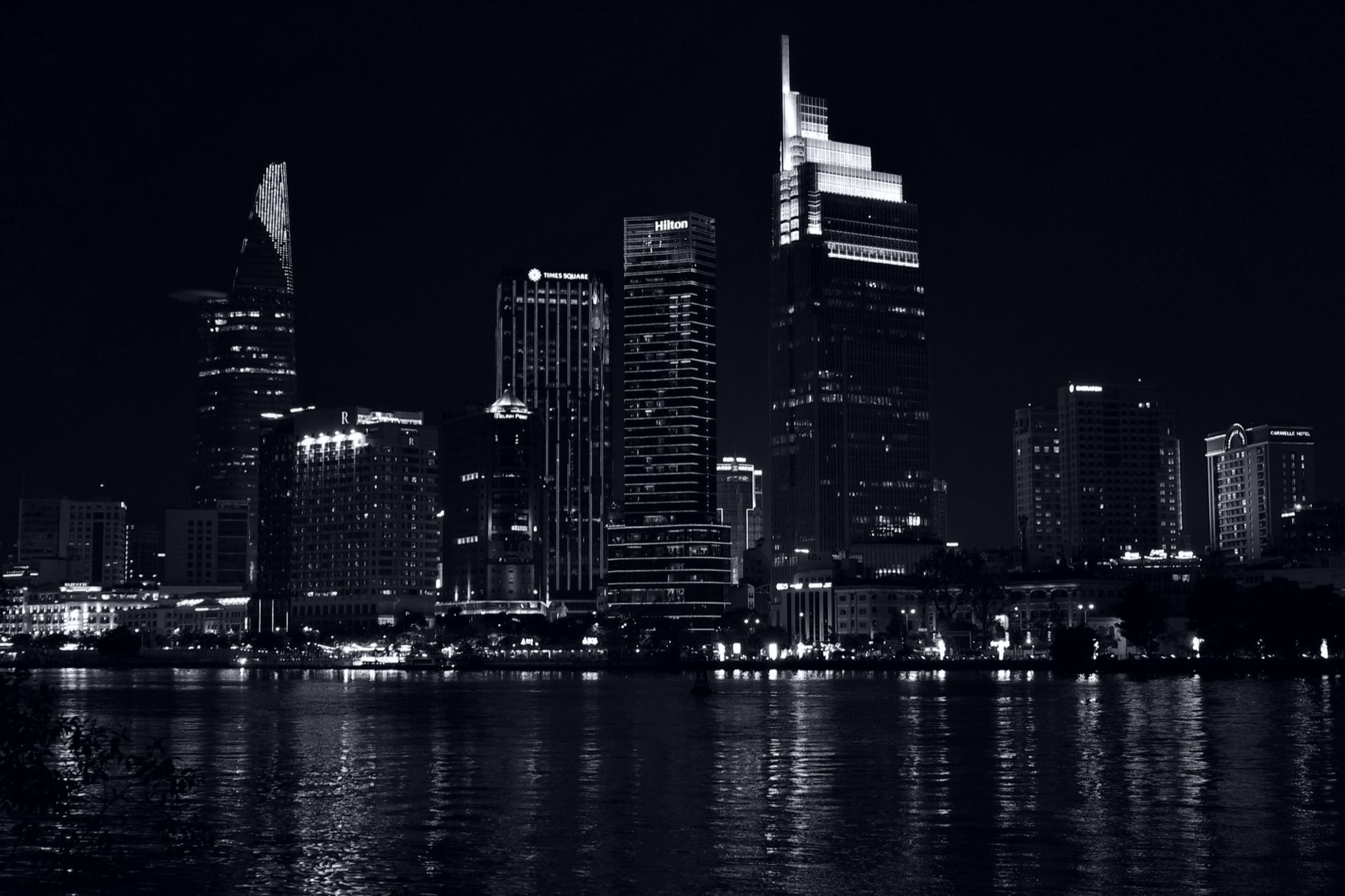
Most rooftop bars and cocktail lounges open around 4–5 p.m. and run until midnight or 1 a.m., depending on the venue and night of week. Thursday–Saturday nights see later closings. Weeknights wind down faster.
Street-food markets in Chinatown (District 5, near Binh Tay Market area) and District 3 operate longest—often until 10:30–11 p.m. Smaller vendor stalls on side streets may pack up by 10 p.m. Beer gardens in Binh Tay operate from around 5 p.m. to 11 p.m., with slowest service near closing.
Live-music venues vary: small acoustic bars open 6 p.m.–11 p.m.; larger clubs on Ton That Tung Street may stay open until midnight or later on weekends.
Pro tip: Show up between 7–9 p.m. to avoid the 10 p.m. rush; you'll have better table access and shorter food-service waits.
Which Rooftop & Cocktail Bars Beat the Hype?
The most Instagram-famous rooftops (Bitexco Financial Tower level 49, Landmark 81 Sky87) charge entry fees (around 250,000–400,000 VND / $10–$15 USD, sometimes credited toward drinks) and cram tourists shoulder-to-shoulder. The views are real, but so is the cost and crowd.
Smaller rooftop bars tucked into District 1 side streets (Ly Tu Trong, Tao Duc) offer similar skyline vistas, cheaper drinks (100,000–150,000 VND / $4–$6 USD per cocktail), and breathing room. You'll stand alongside locals and expats, not tour groups.
Riverside spots near the Saigon River (Ngo Duc Ke area, District 1) offer sunset-to-night transitions without the premium tag. Grab a low stool, order a 333 beer (around 35,000 VND / $1.50 USD), and watch the river traffic.
📸 Book an ao dai photoshoot in Hanoi or Saigon (Cáo Studio)
How Do I Navigate Street-Food Markets Without Getting Lost or Ripped Off?
| Market / Zone | Vibe | Typical Dish & Price | Best Time | Scam Risk |
|---|---|---|---|---|
| Binh Tay Market (Dist. 5) | Chaotic, wholesale, local | Grilled squid: 80–120k VND | 7–10 p.m. | Low; prices marked or negotiable |
| Ben Thanh Market edges (Dist. 1) | Touristy, night stalls | Banh mi: 40–60k VND | 6–10 p.m. | Medium; overcharge for wrapped food |
| Ton That Tung Street stalls (Dist. 1) | Casual, mixed crowd | Com tam (broken rice): 60–100k VND | 7–11 p.m. | Low; cash-only, no card trickery |
| Nguyen Hue area vendor carts (Dist. 1) | Street-side, quick | Taro balls / desserts: 20–40k VND | After 8 p.m. | Low; fixed prices, ready-to-eat |
Golden rule: Never sit down at a vendor without asking the price first. Grilled seafood by weight is the biggest trap—agree on total cost, not per-kilo rate, or you'll pay double.
Bring small bills (50,000 VND or less). Most vendors don't make change easily. If a price seems unreasonably high (e.g., 300,000 VND / $12 USD for a bowl of soup), walk to the next stall—supply is abundant.
Should I Do Organized Tours or Self-Explore?
Self-exploring costs almost nothing (beer + street food: around 200,000–300,000 VND / $8–$12 USD for an evening). You move at your own pace, eat what appeals to you, and avoid the "tourist experience" markup.
Organized evening tours (food-focused, heritage walks, bike tours) run 800,000–1,500,000 VND ($30–$55 USD per person) and bundle transport, a guide, and often pre-booked restaurant stops. They work well if you're uncomfortable navigating alone, want historical context, or have limited time.
For a balanced approach: Self-explore the first night (Districts 3 and 5 street food), then book a guided bar hop or food tour the second night if Saigon captivates you. Visit our main things-to-do guide for Saigon for daytime context.
Our honest take: Saigon's street-food scene is easy to navigate alone. Guides add comfort but dilute the experience. Start solo, ask locals for real recommendations, and adjust.
What About Safety, Scams & Practical Stuff?
Transport: Grab (ride-hailing app) costs around 50,000–150,000 VND ($2–$6 USD) per ride depending on distance. Safer than flagging taxis. Download the app, keep your phone charged.
Scams to avoid:
- Overcharging on grilled seafood or lobster at markets (agree on total price beforehand).
- Fake "friendly local" inviting you to a bar where drinks cost 500,000+ VND ($20 USD) and tabs are padded.
- Currency exchange at bars (always terrible rates); use ATMs instead.
- Theft from open bags in crowded markets; keep belongings secured.
What to bring: Comfortable shoes (you'll walk 2–4 km exploring), a small backpack, cash in small bills, and a Vietnam eSIM or local SIM for maps and Grab.
Dress code: Casual; shorts and t-shirts are fine almost everywhere. Rooftop bars accept casual wear; avoid beachwear (swimsuit-only attire marks you as a tourist and raises prices).
Noise and crowds: Expect loud music, crowds, and cigarette smoke in beer gardens and music venues. Earplugs help if you're sensitive.
🎟️ Compare tours & tickets for this place
What to Check Before You Buy (Alcohol, Food, & Venue Tickets)
- Drink water before beer. Saigon heat + alcohol dehydrates fast. Alternate beers with water.
- Eat before hard liquor. Street food stalls close by 11 p.m.; eat first, drink second.
- Ask about cover charges upfront. Some rooftop bars or clubs charge entry; confirm before ascending.
- Inspect grilled items. Look at the stall's grill and daily stock; if meat looks old or oil is dark, move on.
- Pay in cash when possible. Avoid card fraud at smaller venues; carry 500,000–1,000,000 VND ($20–$40 USD) in small notes.
- Note the venue's name or location. Use Google Maps to save it; street addresses alone aren't enough.
- Ask locals, not tour operators. Locals give honest recommendations; tour reps often steer you to commisioned venues.
---
Wander in Vietnam Recommendation
Saigon's night scene thrives on variety and spontaneity. Skip the over-packaged "top 10 rooftop bars" list; instead, mix one paid rooftop experience (for the view) with two nights in Districts 3 and 5 eating street food, and one live-music evening on Ton That Tung Street. The real Saigon emerges when you embrace the chaos and eat where locals queue.
Extend your Vietnam trip? Explore Hanoi's night markets and street food scene, check out Hoi An's ancient-town evening strolls, or plan a full Vietnam itinerary that balances south and north.
📸 Book an ao dai photoshoot in Hanoi or Saigon (Cáo Studio)
---
FAQ
Is Saigon nightlife expensive?
Not at all. Street food + beer costs 150,000–300,000 VND ($6–$12 USD) for an evening. Rooftop bars are pricier (250,000+ VND / $10+ USD per drink with entry fees), but mixing cheap street stalls with one upmarket venue keeps budgets reasonable.
Can I get around Saigon at night safely?
Yes. Use Grab for rides after dark; it's safer and nearly as cheap as walking. Keep valuables secure in crowded markets. Avoid unlit side streets alone. Stick to Ben Thanh, District 1, and Chinatown areas; they're well-lit and busy.
What's the best neighborhood for nightlife if I want to avoid tourists?
Districts 3 and 5 (Chinatown / Cho Lon) have far fewer tourists than District 1. Beer gardens, street-food vendors, and local bars dominate. Expect louder atmosphere, no English menus, and authentic Saigon energy.
Do rooftop bars require reservations?
Most casual rooftops accept walk-ins, especially before 8 p.m. Famous venues (Bitexco, Landmark 81) fill up 8–10 p.m. on weekends; booking ahead helps. Small neighborhood rooftops rarely require advance booking.
What's the dress code for rooftop bars and clubs?
Casual is acceptable almost everywhere. Avoid swimwear or beachwear. Flip-flops are fine in street-food zones and beer gardens; wear shoes for upmarket rooftop bars. No strict enforcement, but dressing slightly better may reduce overcharging risk.
When do street-food markets close?
Most night markets operate 6–11 p.m., with peak crowds 7–10 p.m. Smaller stalls pack up by 10 p.m. Binh Tay Market runs later (until 10:30 p.m.). Arrive before 9 p.m. for full vendor selection.
Can I tip at bars and restaurants in Saigon?
Tipping isn't expected or customary at street stalls or beer gardens. Upmarket rooftop bars and restaurants may include 5–10% service charge. If service was exceptional, rounding up 10,000–20,000 VND is appreciated but not required.
FAQ
Is Saigon nightlife expensive?
Not at all. Street food + beer costs 150,000–300,000 VND ($6–$12 USD) for an evening. Rooftop bars are pricier (250,000+ VND / $10+ USD per drink with entry fees), but mixing cheap street stalls with one upmarket venue keeps budgets reasonable.
Can I get around Saigon at night safely?
Yes. Use Grab for rides after dark; it's safer and nearly as cheap as walking. Keep valuables secure in crowded markets. Avoid unlit side streets alone. Stick to Ben Thanh, District 1, and Chinatown areas; they're well-lit and busy.
What's the best neighborhood for nightlife if I want to avoid tourists?
Districts 3 and 5 (Chinatown / Cho Lon) have far fewer tourists than District 1. Beer gardens, street-food vendors, and local bars dominate. Expect louder atmosphere, no English menus, and authentic Saigon energy.
Do rooftop bars require reservations?
Most casual rooftops accept walk-ins, especially before 8 p.m. Famous venues (Bitexco, Landmark 81) fill up 8–10 p.m. on weekends; booking ahead helps. Small neighborhood rooftops rarely require advance booking.
What's the dress code for rooftop bars and clubs?
Casual is acceptable almost everywhere. Avoid swimwear or beachwear. Flip-flops are fine in street-food zones and beer gardens; wear shoes for upmarket rooftop bars. No strict enforcement, but dressing slightly better may reduce overcharging risk.
When do street-food markets close?
Most night markets operate 6–11 p.m., with peak crowds 7–10 p.m. Smaller stalls pack up by 10 p.m. Binh Tay Market runs later (until 10:30 p.m.). Arrive before 9 p.m. for full vendor selection.
Can I tip at bars and restaurants in Saigon?
Tipping isn't expected or customary at street stalls or beer gardens. Upmarket rooftop bars and restaurants may include 5–10% service charge. If service was exceptional, rounding up 10,000–20,000 VND is appreciated but not required.
More: Ho Chi Minh City guide · Things to do in Ho Chi Minh City