Ho Chi Minh City · Things to do
Things to Do in Saigon District 1: Complete Local Guide
By Wander in Vietnam editorial team · Hanoi, Vietnam
District 1 is where most first-time visitors spend their time—and for good reason. It's walkable, compact, and packed with what Saigon is famous for: East-meets-West colonial grandeur, chaotic street life, temples tucked into alleyways, and food stalls that haven't changed in decades. But it's also where most tourist traps thrive. Here's how to experience the real thing.
Why Do Most Visitors Start Here?
District 1 is Saigon's geographic and cultural heart. It's where French colonists built their villas, where Saigon became a major port, and where modern Vietnam's government sits. The Saigon River forms its eastern edge; the district spreads inland toward Tao Đàn Park and the city's old fortifications. Public transport is cheap (buses around 5,000–7,000 VND / $0.20–0.28), taxis are honest if you use Grab (the app-based ride service), and walking is often faster than traffic. Most international hotels cluster here or in nearby Bến Nghé Ward. If you're staying 3+ days in Saigon, you'll spend at least 1–2 here.
🎟️ Compare tours & tickets for this place
Where Do You Actually See Ben Thanh Market Without the Chaos?
Ben Thanh (Chợ Bến Thành) is Saigon's most famous market—a massive colonial-era structure at the centre of District 1. Arrive before 8 a.m. if you want to avoid tour groups and heat. Bring cash (small bills: 10,000–50,000 VND / $0.40–2.00 notes). The ground floor sells textiles, souvenirs, and cheap knock-offs; the second floor is garment fabric; the third floor is household goods. Pickpockets work the aisles, especially around tourist zones. Keep your phone zipped up and backpack in front. Haggling is expected on souvenirs, not on food. Most stall vendors know English basics; if prices feel high, walk to a different stall—10 per cent variance is normal, 50 per cent means you've been marked as a tourist. Early morning, the wet market section (back left, ground level) sells fresh fruit, flowers, and local herbs with no tourist premium.
Many guides recommend spending hours here. We don't. One hour is enough. Grab lunch elsewhere—market food stalls are fine but overpriced for tourists; better pho is two blocks away.
What's the Honest Take on Reunification Palace?
Reunification Palace (Dinh Độc Lập), the striking yellow French colonial compound, is a must-see for architecture and Cold War history. Tickets are around 40,000 VND / $1.60 for foreigners; tours run every 30 minutes (book online or at the gate). The interiors are preserved 1970s official spaces—oddly moving if you know the context of 1975. The exterior and grounds (accessible without entry) are the real draw: vast lawns, period lighting, heavy silence. Visit early (8–9 a.m.) or late afternoon (4–5 p.m.) to avoid school groups.
Skip the guided tour unless you speak Vietnamese; English commentary is sparse. A quiet walk around the perimeter (30 minutes) and one or two rooms inside (if you buy a ticket) suffice. The nearby War Remnants Museum is more affecting and equally important to understand modern Vietnamese history—plan 90 minutes there.
How Do You Navigate the Saigon River Waterfront Without Wasting Time?
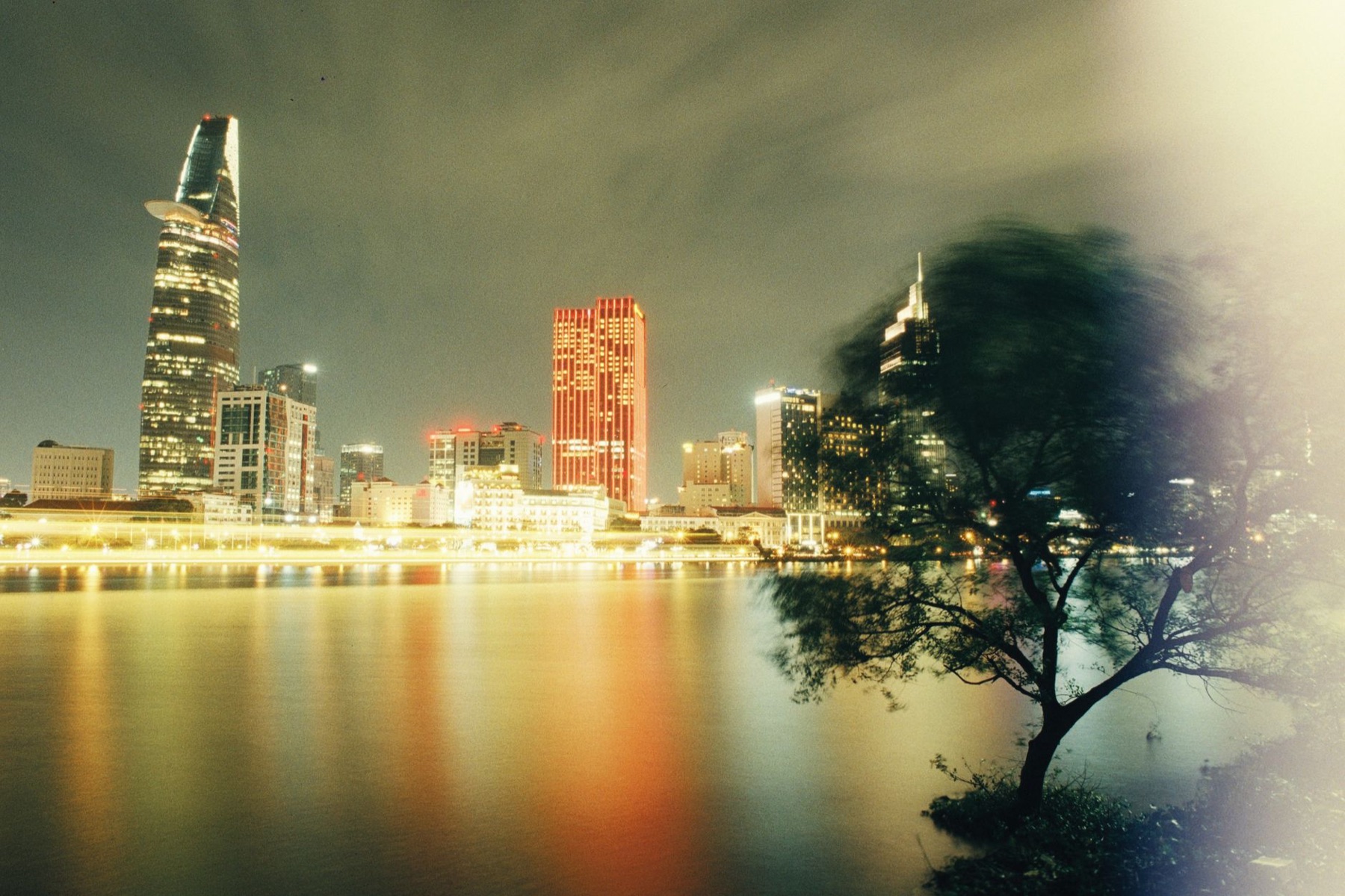
The Saigon River's eastern edge is where locals now walk, run, and eat. A new boardwalk (Bến Tây / West Bank, roughly from Bitexco south to the Saigon Bridge) opened partially and is still expanding. It's modern, safe, and genuinely pleasant—no markets, fewer scams, cheaper food. Nguyễn Huế Walking Street (the pedestrian zone near the Opera House) is colonialised now: coffee chains, overpriced restaurants, selfie sticks. Skip the midday crowds; go at sunset (5–6 p.m.) for cooler air and softer light.
Better plan: Walk from the Opera House south on Đông Khối Street (bookshops, old French villas turned galleries), then cut east toward the river. Stop for cà phê đen đá (iced black coffee, around 8,000–15,000 VND / $0.30–0.60) at a pavement spot. Watch Saigon happen. This takes 2 hours and costs almost nothing.
📸 Book an ao dai photoshoot in Hanoi or Saigon (Cáo Studio)
Which Temples Are Worth a Detour?
Jade Emperor Pagoda (Chùa Ngọc Hoàng, on Nguyễn Thái Học Street, District 1) is the most atmospheric temple in the district. No entry fee. Built in 1909, it's a working temple with sandalwood smoke, red lanterns, and locals genuinely praying—not a museum. Go mid-morning (9–11 a.m.) for quiet time. The roofs are intricate; the inner chambers are dim and intimate. Spend 30–45 minutes. Photography is fine but be respectful (remove shoes in the innermost sanctums, don't point cameras at elders).
Mariamman Temple (on Trương Định Street, just outside District 1's core but walkable) is older and more ornate—a Hindu temple amid Saigon's Buddhist majority, built in 1879. Entry is free. The front courtyard fills with marigolds and incense; the inside is draped with chains and bells. Both temples are real pilgrimage sites, not tourist attractions. This is where worship happens; you're a guest.
Skip commercialised pagodas that charge entry or sell "blessings." Real temples never charge.
What Should You Pack or Buy Before You Arrive in District 1?
Before exploring all day, prepare:
| Item | Why It Matters | Alternative |
|---|---|---|
| eSIM or local SIM card | Maps, Grab, emergency calls work instantly. | Prepaid SIM at airport (costs ~50,000 VND / $2.00). |
| Reusable water bottle | Tap water isn't for tourists; bottled water at markets (20,000 VND). | Buy 1–2 litre bottles throughout the day. |
| Small bills (10k–50k VND) | Taxis, street food, temples. ATMs dispense 100k minimum. | ATM in Ben Thanh basement; Grab app (links to card). |
| Light rain jacket | Humidity peaks 11 a.m.–4 p.m.; brief showers common. | Buy thin poncho locally (~30,000 VND). |
| Sunscreen (SPF 50+) & hat | Equatorial UV; sunburn happens fast. | Pharmacies sell pharmacy-grade cream cheaply. |
| Comfortable walking shoes | Pavements are broken; flip-flops cause blisters. | Buy sandals locally if needed (~50,000–150,000 VND). |
We recommend arranging an eSIM for Vietnam before arrival so navigation and transport apps work seamlessly. A Vietnam e-visa is also required; apply online 5 days before departure.
How Much Time Should You Actually Spend Here?
One full day: Ben Thanh (morning), Reunification Palace or War Remnants Museum (midday), river walk or temple (late afternoon), dinner in District 1 or nearby District 3.
Two days: Add a market crawl in District 5 (Chợ Lớn, Chinatown), a motorbike tour through back lanes, or a day trip to Cu Chi Tunnels or Mekong Delta from a starting point here.
Three days: Layer in photoshoots (consider an ao dai photoshoot in Saigon for professional memories in traditional dress), a cooking class, and slower exploration of the Tao Đàn Park area and nearby Bình Thạnh District.
District 1 itself doesn't require more than 1.5 days unless you're staying here for work. Beyond that, plan a larger Ho Chi Minh City itinerary or head to Hoi An, Ninh Binh, or other regions for fresher perspectives.
🗺️ Plan your route: Vietnam itinerary
What Scams Are Most Common Here?
- Cyclo (three-wheel taxi) overcharging: Agree on a price before boarding; locals pay 10,000–20,000 VND ($0.40–0.80) for short trips. Tourists quoted 200,000+ ($8). Use Grab instead.
- Gem or tailoring shops: Touts push you into "family businesses." Custom áo dài tailoring takes 3–5 days, not 2 hours. Gems are often resin-filled glass. Skip entirely.
- Fake tour agencies: Book through your hotel or well-known operators. Street touts are commission-driven and often cancel or change itineraries last-minute.
- Restaurant bill inflation: Check menus before ordering; some tourist-heavy spots add zeroes at payment. Use Grab for ride prices; they're locked in.
- Counterfeit goods: Fake designer bags, watches, and shoes flood Ben Thanh. Quality is poor; carrying them home can cause issues (customs officers sometimes confiscate).
Most scams target visitors who rush, don't speak Vietnamese, or show obvious wealth (large cameras, designer bags). Stay calm, move slowly, and ask locals for recommendations.
What to Check Before You Commit
- Opening hours: Most temples open 6 a.m.–6 p.m.; Reunification Palace 7:30 a.m.–11 a.m. and 1 p.m.–5 p.m. (closed Mondays). War Remnants Museum closes at 5:30 p.m. Check before heading out.
- Weather: Rainy season peaks June–September (daily downpours, 30–40 minutes each); dry season November–April is best. Plan accordingly.
- Crowds: Avoid District 1 noon–3 p.m. (heat peaks, tours flood in). Early morning and late afternoon are quieter.
- Grading system: Prices are non-negotiable in formal restaurants and shops; street stalls and markets expect haggling.
- Transport: Grab is safest for solo travelers, especially at night; taxis are okay if flagged (avoid touts). Walk during daylight; avoid unlit alleys after dark.
🎟️ Compare tours & tickets for this place
For keepsakes from your time here, consider collections of Vietnam-inspired prints, maps, or custom star maps capturing your visit date and location—a tangible way to remember the exact moment Saigon clicked for you.

FAQ
Is District 1 safe for solo travelers?
Yes. Use Grab for rides, avoid isolated alleys after dark, and keep valuables concealed. Pickpocketing happens at Ben Thanh and crowded streets; local awareness beats paranoia. Most visitors report no incidents.
How many days should I spend in District 1 vs. exploring beyond?
One full day covers the main sights (Ben Thanh, Reunification Palace, temples, river walk). A second day adds markets or cooking classes. Beyond that, explore the broader Ho Chi Minh City region or day-trip to Cu Chi Tunnels, Mekong Delta, or Tao Đàn Park. District 1 is a hub, not a destination by itself.
What's the best time of year to visit?
November–February (cool, dry, 20–28°C). Avoid June–September (40°C+, daily rain). March–May is hot and humid but manageable. Most tourists come December–January; expect crowds and higher prices.
Is haggling expected in Ben Thanh Market?
Yes, on souvenirs and handicrafts. Expect to negotiate 10–30 per cent off opening prices. Food stalls don't haggle; locals pay the same rate as tourists. Walk away if a price feels wrong; another stall will match it.
How do I get around District 1 cheaply?
Walk (it's compact), use Grab (around 15,000–40,000 VND / $0.60–1.60 per trip), or take buses (5,000–7,000 VND). Avoid taxis flagged on the street (drivers often overcharge tourists). Download Grab before arrival; it links to your bank card or local SIM payment apps.
FAQ
Is District 1 safe for solo travelers?
Yes. Use Grab for rides, avoid isolated alleys after dark, and keep valuables concealed. Pickpocketing happens at Ben Thanh and crowded streets; local awareness beats paranoia. Most visitors report no incidents.
How many days should I spend in District 1 vs. exploring beyond?
One full day covers the main sights (Ben Thanh, Reunification Palace, temples, river walk). A second day adds markets or cooking classes. Beyond that, [explore the broader Ho Chi Minh City region](/ho-chi-minh-city) or day-trip to Cu Chi Tunnels, Mekong Delta, or Tao Đàn Park. District 1 is a hub, not a destination by itself.
What's the best time of year to visit?
November–February (cool, dry, 20–28°C). Avoid June–September (40°C+, daily rain). March–May is hot and humid but manageable. Most tourists come December–January; expect crowds and higher prices.
Is haggling expected in Ben Thanh Market?
Yes, on souvenirs and handicrafts. Expect to negotiate 10–30 per cent off opening prices. Food stalls don't haggle; locals pay the same rate as tourists. Walk away if a price feels wrong; another stall will match it.
How do I get around District 1 cheaply?
Walk (it's compact), use Grab (around 15,000–40,000 VND / $0.60–1.60 per trip), or take buses (5,000–7,000 VND). Avoid taxis flagged on the street (drivers often overcharge tourists). Download Grab before arrival; it links to your bank card or local SIM payment apps.
More: Ho Chi Minh City guide · Things to do in Ho Chi Minh City