Ho Chi Minh City · Things to do
Things to Do in Saigon During the Day: Local Guide 2026
By Wander in Vietnam editorial team · Hanoi, Vietnam
Ho Chi Minh City's daylight hours are prime for seeing the city's rhythm—before heat peaks and touristic veneer takes over. The city sprawls across 24 districts, but tourists find the most authentic experiences in Districts 1, 3, 5, 7, and around the Ben Thanh area. We've walked these streets dozens of times and know where locals actually spend daylight hours, where scams hide, and which activities justify the trip.
🎟️ Compare tours & tickets for this place
Which morning market gives you the truest Saigon experience?
Ben Thanh Market (District 1, corner of Le Loi and Tran Hung Dao) is busiest 6–9 a.m. Arrive by 7 a.m. to dodge tour groups. Stalls sell silk scarves, lacquerware, fresh fruit, and souvenirs; most charge tourist-inflated prices inside. The real market—where locals buy—is the street surrounding it: fruit vendors, coffee stalls, and breakfast shops charge 30,000–80,000 VND ($1.20–3.20) per item. Avoid "friendly locals" offering to guide you; they earn commission and steer you to markup shops. Bring small cash, haggle gently, and shoot photos before negotiating prices (vendors sometimes refuse if cameras appear first).
Tan Binh Market (near Tan Son Nhat Airport, District Tan Binh) attracts fewer tourists and feels more lived-in, though it's less convenient. Choose Ben Thanh for central location and variety; choose Tan Binh for anthropology.
📸 Book an ao dai photoshoot in Hanoi or Saigon (Cáo Studio)
How much time should the War Remnants Museum take?
Plan 2–3 hours for a respectful visit. Located at 28 Vo Van Tan, District 3, it opens 7:30 a.m. daily (closed Mondays). Arrive by 8 a.m. to beat crowds; by 10 a.m. tour buses pile up. Admission is around 110,000 VND ($4.40). The museum is confronting—it documents US bombing campaigns, Agent Orange effects, and civilian casualties with graphic photographs. This is not a tourist entertainment venue; it's a memorial and education space. Foreigners should enter with respect, read captions carefully, and avoid casual conversation or laughter. Budget mental energy, not just time. The rooftop offers views of District 3; allow 20 minutes there. Photography is allowed in most sections except certain sensitive displays.
What's the best route through Cholon (District 5) during daylight?
Cholon is Saigon's historic Chinatown—a warren of narrow alleys, temples, medicine shops, and noodle stalls. Start at Binh Tay Market (Thap Muoi Street) around 9 a.m. before midday heat. Stalls sell dried seafood, spices, textiles, and cheap watches; it's a working market, not a tourist bazaar. Lunch nearby: pho or noodles cost 35,000–50,000 VND ($1.40–2.00). Then walk to Thien Hau Temple (71–75 Nguyen Trai Street), open 6 a.m.–6 p.m., free entry. Remove shoes, speak softly, and don't photograph people praying without permission. Next, explore alleys between Chau Van Liem and Mac Thi Buoi streets—this is where locals live, work, and eat. Visit small cafés, jade shops, and herbal medicine stalls. Allow 4–5 hours total; wear comfortable shoes and carry water. Cholon has no tourist infrastructure (few English signs, limited ATMs), so withdraw cash beforehand.
Is a Saigon riverfront walk worth the morning?
The Saigon River (District 1, along Ton Duc Thang Street) offers a cooler morning stroll and photogenic views, but it's not iconic. Walk north from downtown toward Binh Quoi Village (a reconstructed old-time settlement with traditional wooden houses, cafés, and gardens; entry ~50,000 VND/$2.00). Best visited 7–10 a.m. before crowds and heat. Nearby restaurants serve southern specialties: hu tieu (tapioca noodles) and ca kho to (caramelized fish) for 60,000–100,000 VND ($2.40–4.00). The riverfront itself is flat and traffic-heavy; it's pleasant but not essential compared to Cholon or District 3's depth.
Alternatively, take a morning cyclo (three-wheeled taxi) ride through residential streets in District 3 or 4 for $3–5; locals use this for sightseeing and conversation.
What daytime museums justify your schedule beyond the War Remnants?
Ho Chi Minh City Museum (65 Ly Tu Trong, District 1, 9 a.m.–6 p.m., closed Mondays, around 80,000 VND/$3.20): A colonial mansion covering city history from French rule to unification. Less heavy than War Remnants, but cramped and poorly lit. Allow 1 hour. Useful if you have deep interest in early 20th-century Saigon; skip if pressed for time.
Fine Arts Museum (97A Pho Duc Chinh, District 1, 9 a.m.–5 p.m., closed Mondays, around 80,000 VND/$3.20): Vietnamese and Southeast Asian art, lacquerware, ceramics, and propaganda posters. Quieter than War Remnants. Best for 1–2 hours. Worth a visit if you're into visual arts; otherwise, street murals in Districts 3 and 7 offer free contemporary art.
Reunification Palace (135 Nguyen Hue, District 1, guided tours only, 7:30 a.m.–11 a.m. and 1–4 p.m., around 100,000 VND/$4.00): The French-era presidential compound where North Vietnamese tanks entered in 1975. Photography is restricted; tours are rushed (45 minutes). Historically significant but crowded. Reserve morning slots online to avoid afternoon heat and tour buses.
| Museum | Duration | Cost | Best for | Crowd level |
|---|---|---|---|---|
| War Remnants | 2–3 hrs | ~$4.40 | History, depth | High (arrive 8 a.m.) |
| Ho Chi Minh City | 1 hr | ~$3.20 | Quick overview | Low |
| Fine Arts | 1–2 hrs | ~$3.20 | Art, crafts | Low |
| Reunification Palace | 45 min | ~$4.00 | Politics, architecture | High (book early) |
🗺️ Plan your route: Vietnam itinerary

How do you build a realistic daytime itinerary without wasting hours?
Sample Morning (6 a.m.–12 p.m.):
- 6–7:30 a.m.: Coffee and breakfast in District 1 café (cost ~30,000 VND/$1.20). Try egg coffee at a local spot on Nguyen Hue Street, not the tourist-branded chains.
- 7:30–9 a.m.: Ben Thanh Market (walking, browsing, breakfast snacks).
- 9–10:30 a.m.: War Remnants Museum or Reunification Palace (pre-booked).
- 10:30 a.m.–12 p.m.: Walk to lunch spot or rest in air-conditioned café.
Sample Afternoon (12 p.m.–6 p.m.):
- 12–1:30 p.m.: Lunch in alley near Pasteur Street or Nguyen Hue (com tam broken rice bowl, ~40,000 VND/$1.60).
- 1:30–3 p.m.: Rest in hotel or museum (heat peaks; locals nap).
- 3–5 p.m.: Cholon (Binh Tay Market + temples + alley walks).
- 5–6 p.m.: Sunset coffee or beer at rooftop bar (beer ~50,000–80,000 VND/$2–3.20).
This avoids doubling back and respects Saigon's rhythm: heavy morning, slow afternoon, buzzy evening.
What should you skip or avoid during daylight?
Cu Chi Tunnels: Located 40 km northwest of downtown, a full-day trip (6 a.m.–5 p.m.) that eats an entire day. Worth it if you're staying 4+ days in Saigon; wasteful if you have only 1–2 days. Many daytime visitors find it exhausting and redundant after the War Remnants Museum.
Jade Emperor Temple (Jade Emperor Pagoda): Pretty but tiny, squeezed between apartment blocks in District 10. A 20-minute visit is enough; only go if you're in the area already. Not a centerpiece of any itinerary.
Overpriced "cooking classes": Marketed to tourists at $50+ per head; local markets and street vendors teach you more for free. Skip the class; buy ingredients at Ben Thanh and ask a café owner for tips.
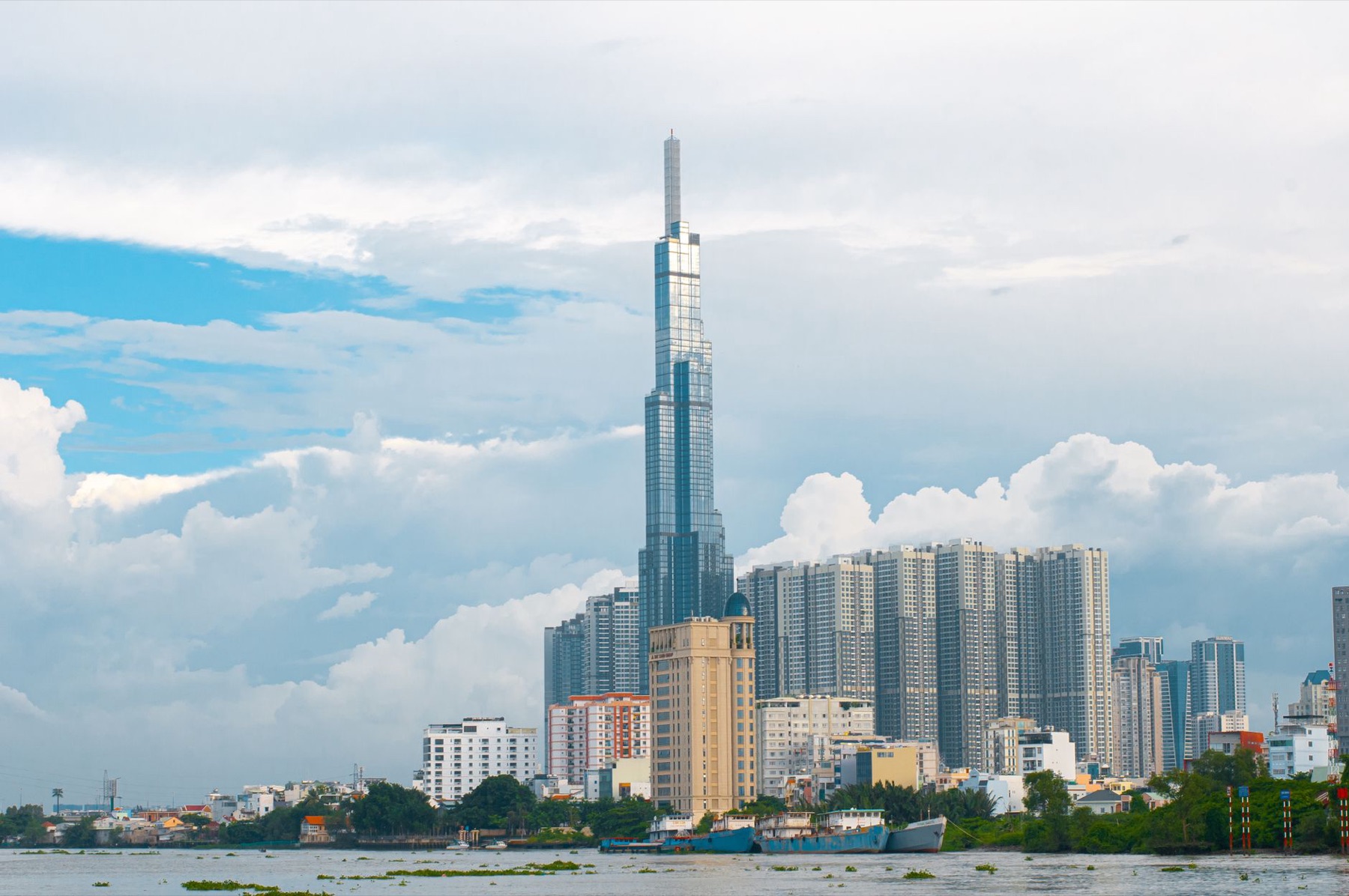
District 7 high-rises and malls: Saigon's "modern" expat zone. Shiny but soulless. Skip unless you need Western groceries or brands; your time is better spent in Districts 1, 3, and 5.
How much should you budget, and where does money go wrong?
Real budget for a day (excluding accommodation):
- Breakfast: 30,000 VND ($1.20)
- Market visit & snacks: 100,000 VND ($4.00)
- Lunch: 80,000 VND ($3.20)
- Museum entry: 110,000 VND ($4.40)
- Afternoon coffee: 50,000 VND ($2.00)
- Dinner: 150,000 VND ($6.00)
- Transport (taxis/Grab): 100,000 VND ($4.00)
- Total: ~620,000 VND (~$25.00)
Where visitors overspend:
- Tourist restaurant markups (eat where locals eat; alley stalls near Ben Thanh or Cholon cost half the price).
- Cyclo drivers overcharging foreigners. Use Grab (Vietnamese Uber) instead (~50,000 VND/$2.00 for most trips).
- "Free walking tours" that pressure tips at the end (they're not free).
- Silk or lacquerware at Ben Thanh inside stalls (30–50% markup vs. street vendors).
Get a Vietnam eSIM to use offline maps, Grab, and currency converters without Wi-Fi dependency.
What to check before you buy (travel-related products—ao dai photo packages, itinerary guides, or souvenirs):
- Ao dai photoshoots: Book with Cáo Studio (Saigon location) if you want professional photos in traditional dress. Confirm location (Studio is in District 1), hair/makeup inclusion, and final file count before paying. Tours included in itineraries often use amateur photographers.
- Silk scarves or souvenirs: Feel the fabric weight and weave at Ben Thanh or Cholon before paying. Synthetic silk feels plastic-y; real silk is cool to touch. Prices should drop 20–30% if you haggle respectfully.
- Guided tours: Book through compare-tours pages to vet guides' languages and specializations. Avoid tours offering "hidden gems" with lunch included (usually kickback deals steering you to pricey restaurants).
- Itinerary apps or guides: Use our itinerary planner to customize your own route rather than following cookie-cutter packages.
Next steps: Extending your Saigon stay
If you have 2+ days, branch out to nearby areas:
- Nui Dat and Ha Long Bay are day-trip destinations (though Ha Long requires an overnight trip; 6 hours away).
- Spend time in Hoi An (1.5 hours by flight) for ancient architecture and crafts.
- Consider a multi-city Vietnam itinerary linking Saigon, Hanoi, and Sapa if you're visiting 1–2 weeks.
---
FAQ
What's the best time of day to visit Ben Thanh Market without crowds?
Arrive between 6–7:30 a.m., before organized tours mobilize. By 10 a.m., the market is packed with bus groups speaking loud. Early morning is also cooler and vendors are fresher and more willing to chat.
Is it safe to walk alone during the day in Saigon?
Yes. Districts 1, 3, and 5 are safe during daylight for solo travelers. Petty theft (phone snatching on motorbikes) is rare but possible; keep bags zipped and phones in pockets. Avoid deserted alleys after dark. Women travelers report no gender-specific issues in daytime.
Can I see authentic temples and markets without a guide?
Absolutely. Most temples are free and open; removal of shoes and quiet behavior are the only rules. Markets require no guide—wander, observe vendors, ask prices, and haggle gently. A guide adds history context but isn't necessary for a sensory experience. Save the guide fee and invest in a good lunch.
How do I get from downtown to Cholon, and how long does it take?
Use Grab (app-based taxi) from District 1 to Binh Tay Market (~30–40 minutes, ~80,000 VND/$3.20). Regular taxis are cheaper but less transparent on fare. Do not use cyclo unless you enjoy slow travel and don't mind overpaying.
What's the dress code for temples and museums?
Wear long pants or skirts (knees covered) and covered shoulders. Temples are stricter than museums. Remove shoes at temple entrances. Avoid shorts and sleeveless tops, which locals find disrespectful. Temples will not refuse entry, but you'll draw stares.
Should I join a daytime food tour or explore markets alone?
Explore alone if you're adventurous; food tours add context and safety if it's your first day. Food-tour guides often steer you to overpriced stalls. Better: chat with local café owners, point at dishes you like, and eat where you see locals queuing.
How much time should I budget for War Remnants Museum, and is it emotionally heavy?
Plan 2–3 hours. Yes, it's emotionally heavy—graphic war photos, civilian suffering, and bombing statistics. It's educational, not entertainment. Not recommended for young children or those sensitive to war imagery. Approach with respect.
Can I use my phone for maps and payments in Saigon?
Yes. Get a Vietnam eSIM for offline maps (Google Maps works). Cash is still king—not all stalls accept cards. Grab (ride-hailing) works everywhere and accepts card payment. Have 500,000 VND (~$20) in small bills at all times.
FAQ
What's the best time of day to visit Ben Thanh Market without crowds?
Arrive between 6–7:30 a.m., before organized tours mobilize. By 10 a.m., the market is packed with bus groups speaking loud. Early morning is also cooler and vendors are fresher and more willing to chat.
Is it safe to walk alone during the day in Saigon?
Yes. Districts 1, 3, and 5 are safe during daylight for solo travelers. Petty theft (phone snatching on motorbikes) is rare but possible; keep bags zipped and phones in pockets. Avoid deserted alleys after dark. Women travelers report no gender-specific issues in daytime.
Can I see authentic temples and markets without a guide?
Absolutely. Most temples are free and open; removal of shoes and quiet behavior are the only rules. Markets require no guide—wander, observe vendors, ask prices, and haggle gently. A guide adds history context but isn't necessary for a sensory experience. Save the guide fee and invest in a good lunch.
How do I get from downtown to Cholon, and how long does it take?
Use Grab (app-based taxi) from District 1 to Binh Tay Market (~30–40 minutes, ~80,000 VND/$3.20). Regular taxis are cheaper but less transparent on fare. Do not use cyclo unless you enjoy slow travel and don't mind overpaying.
What's the dress code for temples and museums?
Wear long pants or skirts (knees covered) and covered shoulders. Temples are stricter than museums. Remove shoes at temple entrances. Avoid shorts and sleeveless tops, which locals find disrespectful. Temples will not refuse entry, but you'll draw stares.
Should I join a daytime food tour or explore markets alone?
Explore alone if you're adventurous; food tours add context and safety if it's your first day. Food-tour guides often steer you to overpriced stalls. Better: chat with local café owners, point at dishes you like, and eat where you see locals queuing.
How much time should I budget for War Remnants Museum, and is it emotionally heavy?
Plan 2–3 hours. Yes, it's emotionally heavy—graphic war photos, civilian suffering, and bombing statistics. It's educational, not entertainment. Not recommended for young children or those sensitive to war imagery. Approach with respect.
Can I use my phone for maps and payments in Saigon?
Yes. Get a [Vietnam eSIM](/vietnam/esim) for offline maps (Google Maps works). Cash is still king—not all stalls accept cards. Grab (ride-hailing) works everywhere and accepts card payment. Have 500,000 VND (~$20) in small bills at all times.
More: Ho Chi Minh City guide · Things to do in Ho Chi Minh City