Ho Chi Minh City · Things to do
Things to Do in Saigon: Neighborhoods, Markets & Local Spots
By Wander in Vietnam editorial team · Hanoi, Vietnam
Saigon moves fast, and most visitors stick to the same three attractions: reunification palace tours, a museum, Nguyen Hue at night. That's missing the real city—the one that smells like grilled fish sauce, where grandmothers haggle over morning vegetable prices, where motorbike taxi drivers know every shortcut. After years observing how travelers actually spend time here, we've mapped the neighborhoods and activities that don't show up in hotel lobby brochures.
This guide covers where to go, what to skip, honest pricing, and how to avoid common scams. We'll help you decide whether a cyclo ride is worth it, which markets justify early mornings, and which "local experiences" are staged for tourists.
Where Should You Spend Your First Day in Saigon?
Start in District 1, specifically around Ben Nghe Ward. Walk Dong Khoi Street from the river northward—not for shopping, but to see the French colonial architecture, then peel off into the narrow lanes behind it. Grab coffee at a standing-room-only café (around 25,000–35,000 VND / $1–1.50 USD). By late afternoon, head to the War Remnants Museum if war history interests you; if not, skip it and spend that time in Binh Thanh instead.
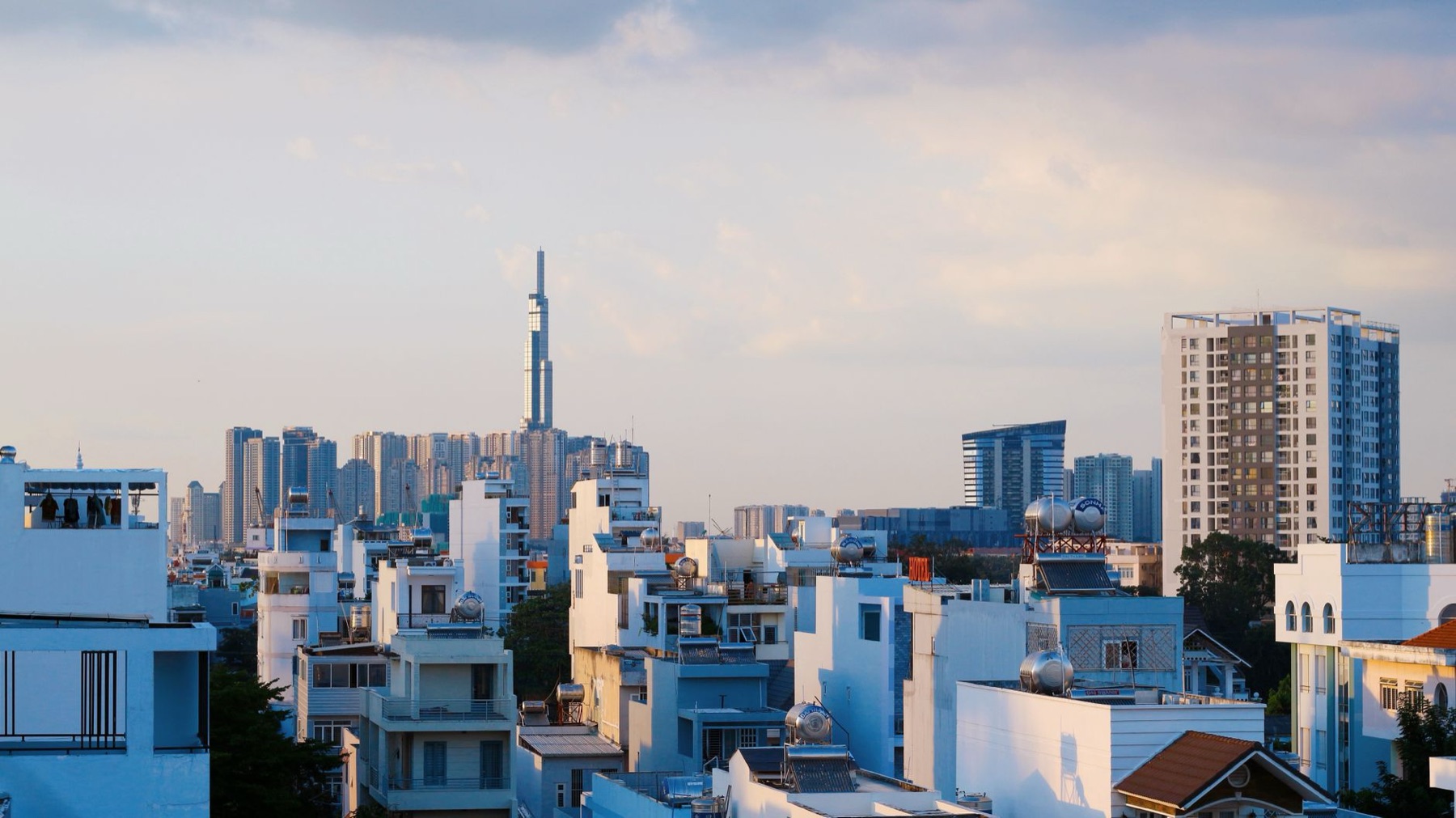
Binh Thanh District is where young professionals and families actually live. It feels like stepping out of the postcard. Navigate to Nguyen Hue extension and the alleys branching east—old villas, local noodle shops, no tour groups. Eat pho at a plastic-stool place for around 40,000–60,000 VND ($1.70–2.50 USD). This is the Saigon that stays with you.
🗺️ Plan your route: Vietnam itinerary
Why Are Morning Markets Better Than Evening Walking Streets?
Saigon's energy peaks before 8 a.m. at local markets—Ben Thanh Market's newer extension (District 1), Binh Tay Market (District 6, Cho Lon), and smaller neighborhood markets like the one near Nguyen Hue in Binh Thanh. You'll see vendors sorting fish, families buying breakfast ingredients, and the rhythm of how the city actually feeds itself. Tourists who arrive at 10 a.m. see a cleaned-up, slower version.
Avoid the Nguyen Hue Walking Street at peak hours (6–9 p.m.) unless you enjoy elbowing through crowds and fake "local drink" stalls. It's become a photographer's stage, not a neighborhood experience. If you go, aim for 4–5 p.m. when it's less congested.
Comparison: Market vs. Tourist Attraction
| Experience | Time | Crowd Level | What You Learn | Cost |
|---|---|---|---|---|
| Ben Thanh Market extension (6–8 a.m.) | 1–2 hours | Locals only | How Saigonese eat, real prices, street food basics | 80,000–150,000 VND ($3.50–6.50) for breakfast |
| Binh Tay Market (7–9 a.m.) | 1–1.5 hours | Mixed (less touristy) | Dried goods, imports, neighborhood culture | 50,000–100,000 VND ($2–4.50) |
| Nguyen Hue Walking Street (6–9 p.m.) | 1–2 hours | Heavy tourists | Photo ops, vendor shortcuts, bottlenecked energy | 100,000–300,000 VND ($4.50–13) depending on food |
The market wins on authenticity and cost. Walking streets win on safety and foot traffic. Choose based on whether you want to observe or be observed.
📸 Book an ao dai photoshoot in Hanoi or Saigon (Cáo Studio)
What's a Realistic Price for a Cyclo Ride, and Should You Do It?
Cyclo tours are iconic but heavily marked up for tourists. A 30-minute ride through Binh Thanh or District 1 alleyways costs around 250,000–500,000 VND ($11–22 USD) for one or two people through a tour operator. If you flag one down on the street, start at 100,000 VND ($4.50) and negotiate to around 200,000 VND ($9). Evening rides (4–6 p.m.) are safer and less hot than noon.
Honestly? Motorbike taxis (Grab app, around 20,000–50,000 VND / $0.90–2.25 USD) get you across the city faster, and walking neighborhoods on foot reveals more detail. Cyclos work best as a 20-minute novelty ride at sunset, not transportation. If you're visiting /hanoi, cyclos there feel less staged because the city moves slower.
Common cyclo scams: drivers who claim they know "special local restaurants" and take you to tourist traps where they earn commissions, or who suddenly decide the fare was per person. Set a price in VND beforehand and repeat it aloud.
Which Temples and Shrines Are Actually Worth the Trip?
Jade Emperor Pagoda (Phuoc Hai Pagoda, District 1, near Nguyen Hue extension) is the real deal—ornate, incense-filled, genuinely active with worshippers. Entrance is free; arrive before 10 a.m. or after 2 p.m. to avoid school groups. No shoes inside main halls.
Mariamman Temple (Hindu temple in District 1, Truong Minh Giang Street) is stunning and less crowded than Buddhist sites. The structure is intricate and you'll likely be the only foreign visitor. Open dawn to dusk. Respectful dress required (covered shoulders, knees).
Binh Tay Temple (District 5) and Cholon Mosque (also District 5) are worth a half-day combo visit if you're already in Cho Lon market area. Avoid midday heat; go early morning or after 3 p.m.
Skip "floating temple" tours unless you have genuine interest in rural worship sites—they're long, expensive (500,000–800,000 VND / $22–36), and the temples feel performative. Use that time in central Saigon neighborhoods instead.
Link to Ho Chi Minh City guide for more context
What Street Food Should You Actually Eat, and Where?
This is where Saigon shines. Forget "food tours" with fixed menus; walk Binh Thanh alleys at 6–7 p.m. and follow the smell.
- Bánh mì: From any street vendor in District 1 or Binh Thanh, around 20,000–35,000 VND ($0.90–1.50). The key is how long it's been on the grill—ask for it warm.
- Bun oc (snail noodle soup): Early morning only, Districts 1, 3, or 5. Around 40,000–70,000 VND ($1.70–3). Pungent smell deters tourists; that's why it tastes authentic.
- Com tam (broken rice with grilled pork/fish): Lunch staple, any neighborhood, 30,000–60,000 VND ($1.35–2.70). Best at plastic-stool places where construction workers eat.
- Banh hoai (Hoi An specialty): Found at street carts in District 1, around 15,000–25,000 VND ($0.65–1.10). Grab it and eat while walking.
Avoid: branded "authentic food experiences" at restaurants in tourist zones. A street vendor's stall in an alley tastes the same for 1/5 the price.
Water safety: bottled water only (around 10,000 VND / $0.45 per 500ml bottle at convenience stores). Street ice is made from tap water—fine for locals with immunity, risky for visitors.
🎟️ Compare tours & tickets for this place
How Do You Navigate Saigon Safely and Avoid Common Traps?
Use Grab for motorbike taxis—it's safer than flagging taxis on the street, prices are fixed, and drivers are rated. Download the app and link your card before arriving. Cost is typically 20,000–80,000 VND ($0.90–3.50) across the city depending on distance.
Don't change money on the street. ATMs and banks have fair rates. Street money-changers (common around Ben Thanh Market) quote high rates and short-change you. Bank ATMs often charge 1–2% foreign-fee surcharge; calculate that into your budget.
Pickpocketing happens on crowded buses and at markets. Wear a backpack in front when crowded. Phones and wallets are targets. Use inside pockets or a crossbody bag.
Bar scams: Some bars in District 1 charge inflated prices without showing a menu. Always ask for price before ordering. Beer at a local bia hơi (fresh beer stall) costs 5,000–10,000 VND ($0.22–0.45); at a tourist bar, 50,000–100,000 VND ($2.25–4.50).
Hotel/tour office recommendations: Avoid clicking links given by motorbike taxi drivers or street touts claiming they know "best restaurants." These places pay commissions and inflate prices. Instead, ask hotel staff who have no financial interest, or use Google Maps recent reviews.
Tipping: Not expected in Saigon. Rounding up or leaving 50,000 VND on a meal is kind but not mandatory.
What to Check Before You Commit to an Activity
Before booking any tour or activity in Saigon, verify:
- Group size: Tours listed as "small group" often mean 8–12 people. Ask for maximum headcount.
- Included meals: Tour brochures say "lunch included" but don't specify cost or restaurant. Ask for the name and check recent Google reviews.
- Duration: Walking tours claiming "2 hours" often run 2.5–3 due to traffic or negotiation stops. Build buffer time.
- Transport included: Some bike tours charge separately for Grab rides to the starting point. Confirm what's covered.
- Language: Confirm your guide speaks fluent English, especially for history-focused tours.
- Refund policy: Book through platforms (Viator, Klook) rather than direct operators for easier refund access.
- Schedule conflicts: Many activities close 11 a.m.–2 p.m. (lunch siesta). Plan around this.
Real Neighborhood Recommendations
Pham Ngu Lao (District 1): Backpacker hub, cheaper food and guesthouses, but touristy. Good for nightlife if that's your goal; skip it if seeking local experience.
Binh Thanh (Binh Thanh District): Where we spend free time. Narrow lanes, family-run shops, affordable food, almost no foreigners. Take Grab to Nguyen Hue extension and explore eastward.
Tao Duc Thao (District 10): University area, very local, young crowds, excellent pho and coffee scene. Lesser-known gem.
District 5 (Cho Lon): Saigon's historic Chinatown. Markets, temples, older architecture. Chaotic and energetic. Go with purpose (market, temple) rather than just wandering; some narrow alleys feel unsafe at night for solo visitors.
Thu Duc (East bank): Newer, less atmospheric, but home to tech workers and some good dining. Skip unless you have a specific reason.
Day-Trip Alternatives to Save Saigon Fatigue
If you're spending 2+ days in Saigon and feel city fatigue, consider:
- Cu Chi Tunnels (1.5 hours north): Historical war site. Book through reputable operators. Many tours are rushed; prioritize a guide with wartime perspective over spectacle.
- Mekong Delta (2 hours south): Boat tours, orchard stops, floating markets. Can feel touristy; private guide or small-group option is better than large-bus tours.
- Binh Quoi Village (45 minutes northeast): Countryside experience within reach. Quiet, green, traditional craft workshops. Overlooked by most tourists.
For comparison with other Vietnam destinations, explore Hoi An's ancient town, Hanoi's more walkable scale, or Ninh Binh's limestone karsts.
---
Gift Ideas to Remember Saigon
If you're looking to send a gift home capturing your Saigon memories, consider items that reflect the city's energy without feeling mass-produced. Personalized keepsakes (maps or star maps of your travel dates), engraved items marking arrival dates, or photo prints from a professional shoot all work well. Check custom keepsake and map collections for options that celebrate your time in Ho Chi Minh City.
📸 Book an ao dai photoshoot in Hanoi or Saigon (Cáo Studio)
If you visited temples or temples and want professional photos in traditional dress, Cáo Studio offers ao dai photography & makeup in Saigon—a keepsake that actually captures your experience rather than generic vacation shots.
---
Last Thoughts
Saigon rewards patience and curiosity over speed. The city's most memorable moments happen in alleys, not on Instagram-famous streets. Set aside at least 2 full days to move slowly—one for markets and temples, another for neighborhoods and food. Take the Grab app seriously; it eliminates most transport stress. Eat where locals eat, even if it looks bare. Bring cash in small denominations. Respect quiet temples. Ask permission before photographing people.
We update this guide regularly based on what we hear from travelers and what we observe on the ground. Return to our Saigon & Ho Chi Minh City main guide for seasonal updates, new neighborhoods to explore, and linked transport guides.
🗺️ Plan your route: Vietnam itinerary
FAQ
How many days do you actually need in Saigon?
2 days minimum for neighborhoods and basics; 3–4 if you're interested in war history, temples, and day trips. Beyond 4 days, most travelers feel they've seen central areas and consider moving to the Mekong Delta or flying to Hanoi or Hoi An.
Is Saigon safe for solo travelers, especially at night?
Yes, safer than many Southeast Asian cities. Stick to lit main streets and Grab taxis after dark. District 1, Binh Thanh, and Tao Duc Thao are safest. Avoid deserted alleys in Districts 5–6 after 10 p.m., and don't carry large amounts of cash. Women travelers report generally positive experiences; use common sense around drunken groups.
Should you get a motorbike license to rent and ride a motorbike in Saigon?
Technically yes, but enforcement is inconsistent for tourists. Riding Saigon traffic without experience is dangerous—speeds, lane discipline, and unpredictability are extreme. Grab is cheaper and far safer. If you ride elsewhere in Vietnam on quieter routes, rent outside Saigon.
What's the best time of year to visit Saigon?
December–February (cool and dry, 20–28°C). May–September is monsoon and hot (30–35°C, high humidity). Avoid September–October if possible—hottest and most humid. March–April is dry but hot. November marks the transition; it's pleasant but can still be warm.
Do you need to book tours in advance or can you find them on the street?
Street touts often lead to marked-up tours or restaurants paying commissions. Booking via Viator, Klook, or directly through established local operators (ask your hotel) is more reliable. For casual activities (cyclo rides, simple market visits), booking same-day is fine. Major day trips (Mekong Delta, Cu Chi Tunnels) benefit from advance booking for group size and guide choice.
How do you get around Saigon without a motorbike or tour?
Grab app (motorbike or car), local buses (cheap but crowded), and walking. Bus #1 and #2 cover major routes and cost 5,000–10,000 VND ($0.22–0.45). Walking is best for neighborhoods—you catch details you'd miss from a vehicle. Taxis are available but Grab is easier and often cheaper.
FAQ
How many days do you actually need in Saigon?
2 days minimum for neighborhoods and basics; 3–4 if you're interested in war history, temples, and day trips. Beyond 4 days, most travelers feel they've seen central areas and consider moving to the Mekong Delta or flying to Hanoi or Hoi An.
Is Saigon safe for solo travelers, especially at night?
Yes, safer than many Southeast Asian cities. Stick to lit main streets and Grab taxis after dark. District 1, Binh Thanh, and Tao Duc Thao are safest. Avoid deserted alleys in Districts 5–6 after 10 p.m., and don't carry large amounts of cash. Women travelers report generally positive experiences; use common sense around drunken groups.
Should you get a motorbike license to rent and ride a motorbike in Saigon?
Technically yes, but enforcement is inconsistent for tourists. Riding Saigon traffic without experience is dangerous—speeds, lane discipline, and unpredictability are extreme. Grab is cheaper and far safer. If you ride elsewhere in Vietnam on quieter routes, rent outside Saigon.
What's the best time of year to visit Saigon?
December–February (cool and dry, 20–28°C). May–September is monsoon and hot (30–35°C, high humidity). Avoid September–October if possible—hottest and most humid. March–April is dry but hot. November marks the transition; it's pleasant but can still be warm.
Do you need to book tours in advance or can you find them on the street?
Street touts often lead to marked-up tours or restaurants paying commissions. Booking via Viator, Klook, or directly through established local operators (ask your hotel) is more reliable. For casual activities (cyclo rides, simple market visits), booking same-day is fine. Major day trips (Mekong Delta, Cu Chi Tunnels) benefit from advance booking for group size and guide choice.
How do you get around Saigon without a motorbike or tour?
Grab app (motorbike or car), local buses (cheap but crowded), and walking. Bus #1 and #2 cover major routes and cost 5,000–10,000 VND ($0.22–0.45). Walking is best for neighborhoods—you catch details you'd miss from a vehicle. Taxis are available but Grab is easier and often cheaper.
More: Ho Chi Minh City travel guide · Things to do in Ho Chi Minh City