Hanoi · Things to do
Things to See in Hanoi: Real Hanoi Neighborhoods & What to Skip
By Wander in Vietnam editorial team · Hanoi, Vietnam
Hanoi spreads across twenty-four districts, and where you spend your daylight makes the difference between genuine immersion and Instagram queuing. We've walked every neighborhood dozens of times: the real value isn't in monument checklists but in street-level decisions—which alley to turn down, which market stall to eat at, which temples close on Mondays, which rickshaw offer is a setup.
This guide runs through what matters, what doesn't, and what to buy afterward to anchor the memory—because unlike tours that dissolve, a handmade gift from a real maker stays.
Where should you actually walk in central Hanoi?
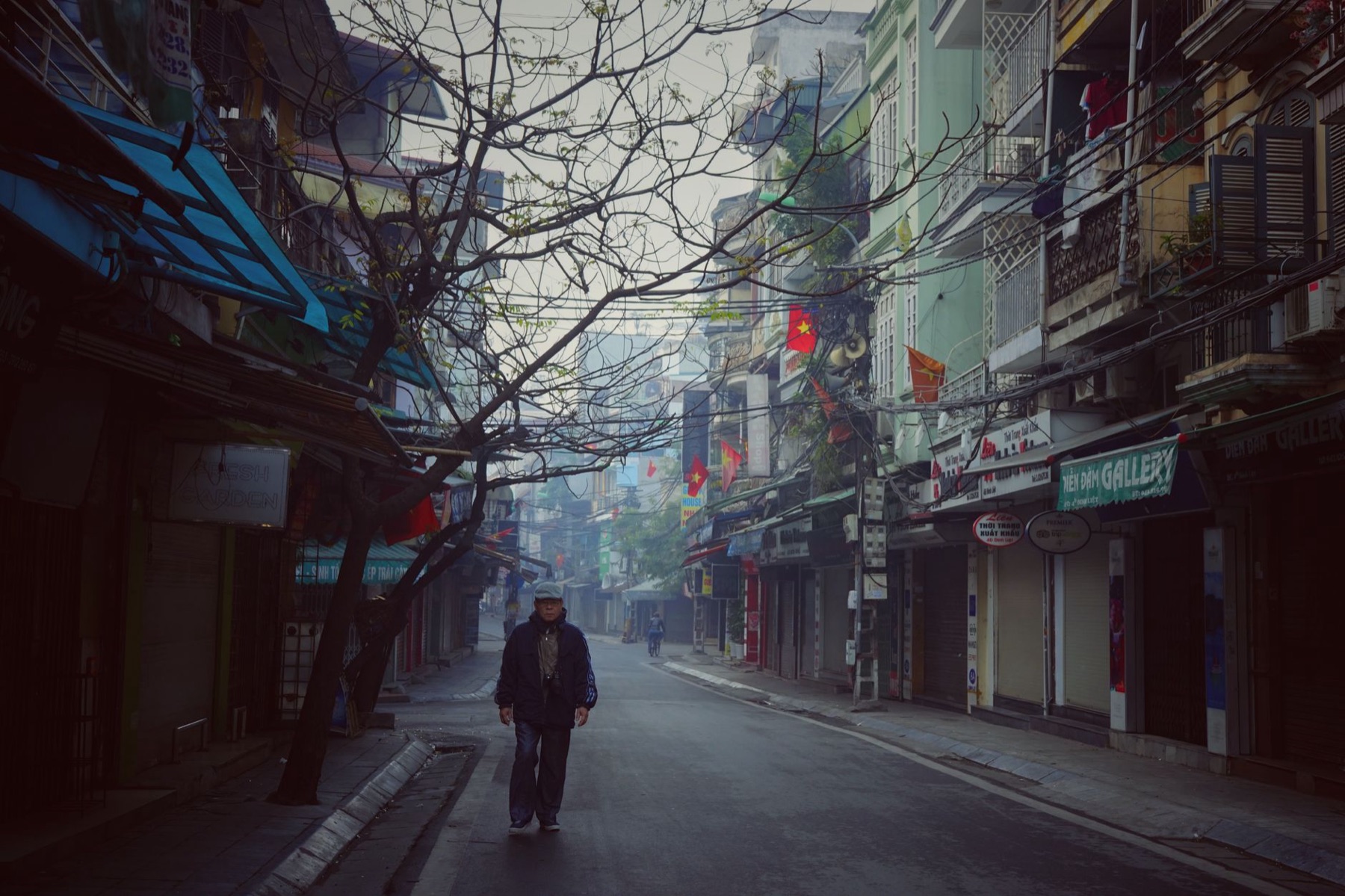
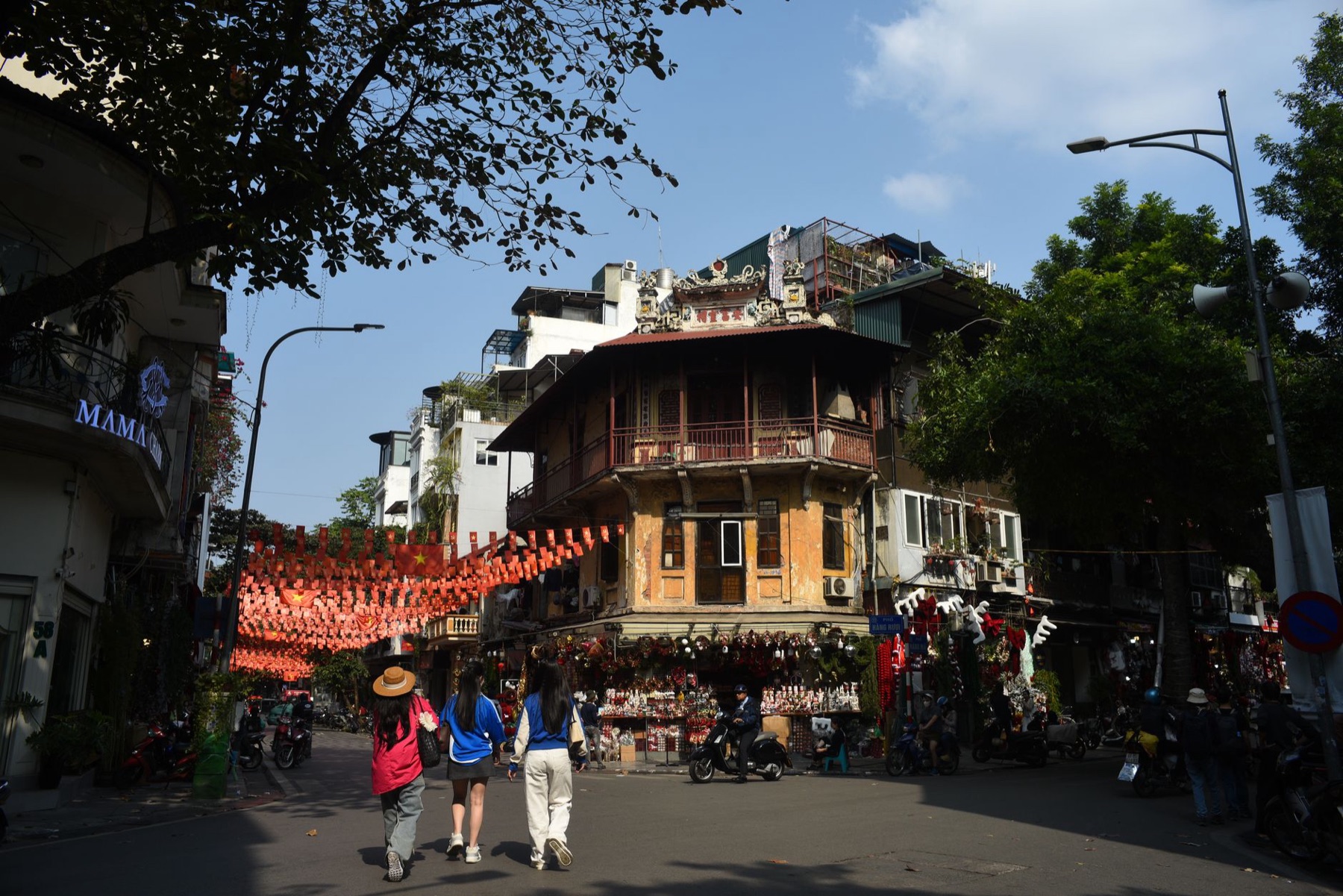
Old Quarter (Hoan Kiem District) stays the obvious entry point, but go before 7am or after 6pm to avoid crush. Hang Gai Street (silk), Hang Ma Street (lanterns), and the nameless narrow alleys where locals live—not tourists—hold the energy. Street-food breakfast costs around 20,000–40,000 VND ($0.80–$1.60 USD). The Temple of Literature (Van Mieu) sits on Hanoi's southwest edge, open 8am–5pm daily (around 30,000 VND entry, $1.20 USD); go first thing to avoid school groups. Hoan Kiem Lake itself isn't a "sight" to cross off—it's a lived space where neighbors swim at dawn, and that's the point. Ngoc Son Temple (on the lake's north arm) opens 8am–5pm; entry around 30,000 VND ($1.20 USD).
French Quarter (mostly Hoan Kiem, Ba Dinh Districts) is where colonial buildings cluster around Trang Tien Street and Nha Tho Street. Many buildings function as banks or offices and aren't open for interior touring—don't expect museum-quality access. St. Joseph Cathedral (Nha Tho Lon) faces the street; mass times are listed online, tourists slip into noon or 5pm slots for photographs. The area's real value is sitting with coffee at any street-level cafe (25,000–50,000 VND for a local coffee, $1–$2 USD) and watching the neighborhood breathe.
West Lake (Ho Tay, Ba Dinh District) draws Hanoians on weekends. The loop around the lake is walkable (roughly 7km) and mixed: tourist-facing lakeside restaurants alternate with local neighborhood housing. Tran Quoc Pagoda sits on a small peninsula, open daily 8am–5pm (free; donations accepted). Avoid the chain restaurants ringing the shore; instead, duck into residential streets like Thao Dien or Yen Phu where local eateries serve pho and com tam to neighbors. A full lunch here runs 40,000–80,000 VND ($1.60–$3.20 USD).
Ninh Binh (two hours south by bus or arrange a driver) and Ha Long Bay (two hours east by road) are day-trips many combine with a northern Sapa loop; see our Ha Long Bay guide and Ninh Binh guide for full logistics.
What are the honest tourist traps to skip?
Water puppet theater marketed through hotels or tour operators costs 80,000–150,000 VND ($3.20–$6 USD) for staged performances; the form is genuine Vietnamese, but commercial venues often prioritize turnover over craft. If you want the real experience, ask your hotel to call the Thang Long Water Puppet Theatre (Tran Quoc Tuan Street) and attend an off-peak show; morning slots sometimes feel less choreographed.
Trang Tien Street itself is a tourist shopping gauntlet: inflated prices on silk scarves and lacquerware, hard-sell tactics, and fake antiques. Real silk shops hide in Old Quarter side streets or at Hang Gai Street where artisans still work. Lacquerware from the same makers costs 30–50% less if you visit their workshops in Ba Dinh or Tay Ho districts directly; ask a hotel concierge to phone ahead.
Cyclo rides (pedicabs): Most tourist-facing cyclo operators quote 300,000–500,000 VND ($12–$20 USD) for a 30-minute loop and often steer passengers to commission-paying shops. If you want the experience, negotiate hard (50,000–80,000 VND realistic for locals; 150,000–200,000 VND for tourists willing to haggle), and pick a driver outside hotel gates or tourist restaurants.
Staged rickshaw food tours sold by apps or hotel desks cost 1–2 million VND ($40–$80 USD) per person for what you can walk yourself in two hours for under 200,000 VND ($8 USD). Hire a local guide instead via Wander in Vietnam's Vietnam itinerary planner or ask the hotel for a trusted neighborhood resident to walk with you—same experience, real wage to a local.
How do neighborhood markets work, and what should you eat?
Dong Xuan Market (Old Quarter) opens around 5:30am and is thick with locals shopping produce and meat by 6am; by 10am it's mostly tourists in the back sections. The energy is realest before dawn. Beware of pickpockets in crowds; keep bags zipped and phone in a front pocket.
Hang Be Market (one block east) is smaller and more residential—locals buying everyday vegetables and prepared breakfast. Both markets have stall operators who prepare fresh spring rolls, banh mi, pho, and com tam on the spot for around 20,000–40,000 VND ($0.80–$1.60 USD). Point at what you want; language rarely matters.
Quang Ba Flower Market (Hoang Mai District, north of the city) opens around 3am and runs until dawn; it's chaos and fragrant and full of neighborhood florists and residents. Tourists rarely go. Get there by taxi (around 100,000–150,000 VND/$4–$6 USD from city center) and eat pho with vendors at 4am. Flowers are cheap (20,000–80,000 VND per stem or bundle, $0.80–$3.20 USD), and if you're staying in Hanoi, arrange delivery through Hoa Lang Thang (flower delivery in Hanoi) for same-day or next-day service.
| Market | Best Time | Crowd | Eats | What to Look For |
|---|---|---|---|---|
| Dong Xuan | 5:30–7am | Dense locals | Spring rolls, pho | Silk, lacquerware (inspect closely) |
| Hang Be | 6–8am | Mixed | Banh mi, com tam | Dried goods, fresh herbs |
| Quang Ba Flower | 3–6am | Florists & residents | Pho, banh | Fresh blooms for delivery |
Which neighborhoods reward walking instead of sight-ticking?
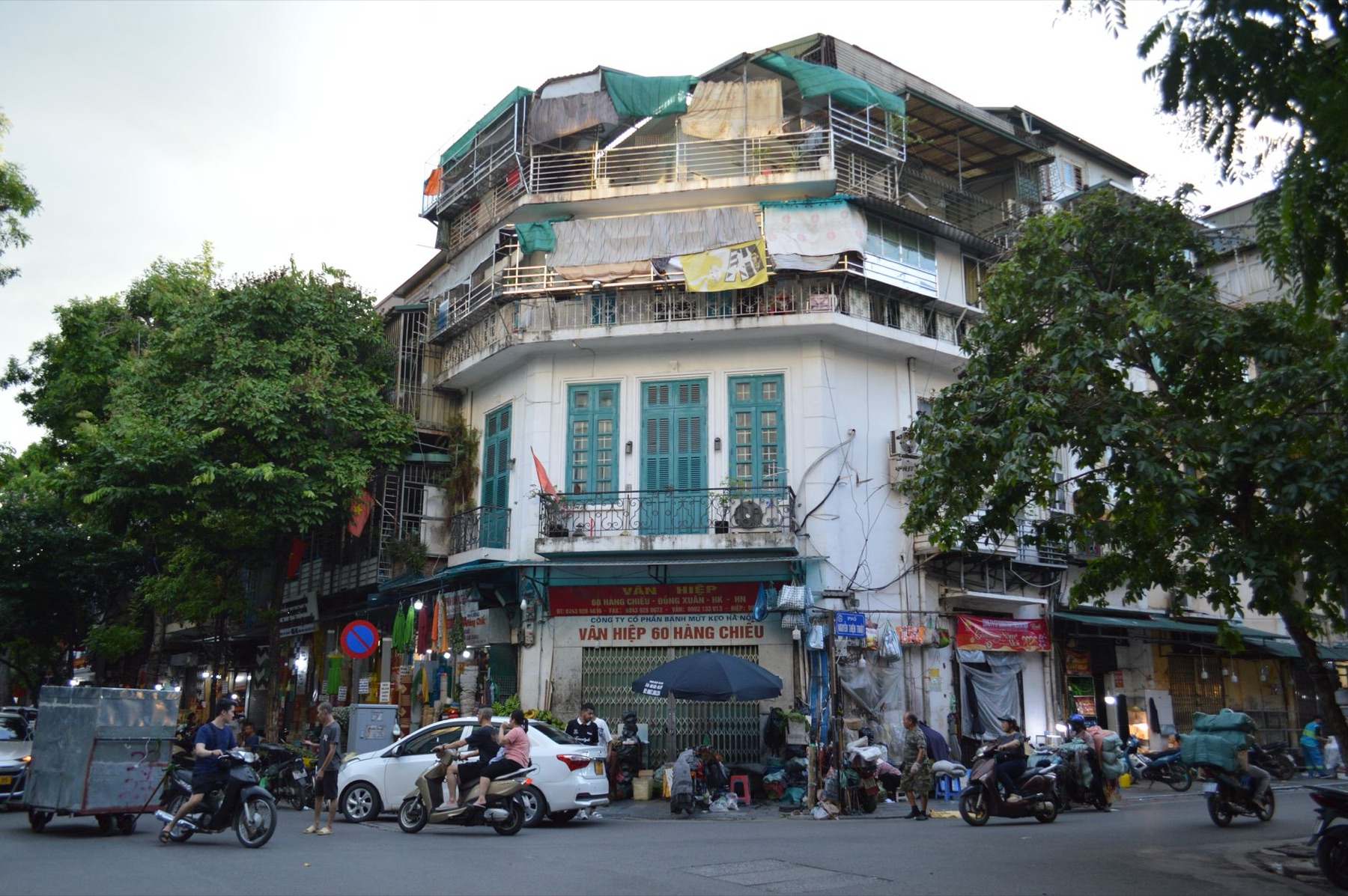
Phan Boi Chau and Cau Go Street area (Old Quarter south edge) is residential and narrow—power lines overhead, laundry hanging, motorbikes weaving. Eat at unmarked shops where no English menu exists; gesture and point, cost is always under 50,000 VND ($2 USD) per dish. This is real Hanoi.
Ba Dinh District (around Ho Chi Minh Mausoleum) is officially visited but spatially sprawling. The mausoleum itself (1 Hung Vuong Street) requires long queues and a guided tour (often 1–2 hours wait, entry included in tour packages around 150,000–300,000 VND/$6–$12 USD). Skip the mausoleum if time is tight. Instead, walk the quiet residential streets—Tran Quoc Tuan, Kim Ma—where local cafes serve excellent ca phe sua da (iced coffee with condensed milk, around 25,000 VND/$1 USD) and neighborhood temples open randomly to locals.
Tay Ho District (West Lake's west shore) has craft workshops: silk painters, woodcarvers, potters. Knock on workshop doors (many don't advertise); makers usually let you watch and buy direct. Prices are 30–50% below gallery markups. A hand-painted silk scarf costs 200,000–500,000 VND ($8–$20 USD) direct; the same scarf at a tourist shop is 600,000+ VND ($24+ USD).
Yen Phu Village (also Tay Ho) is one of Hanoi's oldest residential areas, with French villas, local gardens, and few tourists. The only real "attraction" is the walk itself. Stop at any small restaurant and order what neighbors order; all meals under 80,000 VND ($3.20 USD).
What makes a good souvenir, and where's the honest value?
Unlike mass-market gifts, handmade Vietnamese pieces carry the maker's decision into your home—and buying direct keeps money in local hands.
Silk scarves and textiles from Hang Gai Street workshops (not retail storefronts) or Tay Ho artisan studios run 150,000–400,000 VND ($6–$16 USD) for genuine hand-dyed or hand-painted pieces. Inspect: look for loose threads (acceptable), uneven dye (sign of hand-work, not a flaw), and ask the maker how it's washed. Fast-fashion silk from markets is thin and frays; genuine silk holds shape for years.
Lacquerware: Real lacquer requires seven-plus layers hand-applied and cured. A small box (8cm×8cm×5cm) costs 300,000–600,000 VND ($12–$24 USD) from makers in Ba Dinh workshops. Tourist-shop lacquer is often plastic or low-resin; tap it—real lacquer sounds muted; plastic sounds hollow. Avoid red and black "dragon designs"—every tourist shop stocks identical versions.
Ceramic and pottery from Bat Trang village (Gia Lam District, accessible by ferry across the Red River or by road, about 30 minutes from city center) offers functional ware: bowls, teapots, small vases. Prices run 50,000–200,000 VND ($2–$8 USD) per piece. Visit studio-shops directly; avoid the riverside tourist strip. A handthrown tea bowl travels better than a large vase and makes a thoughtful gift.
Wood carvings from Tay Ho and surrounding areas—small figures, boxes, utensils—range from 80,000–300,000 VND ($3.20–$12 USD). Buy from the carver's workshop if possible; your purchase directly funds their next batch of wood.
Coffee: Vietnamese robusta and arabica beans from Da Lat (Central Highlands) come roasted by Hanoi-based small roasters. A 200g bag costs 80,000–150,000 VND ($3.20–$6 USD). Gift these in person if you'll carry them; shipping adds cost but works well from Vietnam itinerary planner or a roaster's shipping policy.
Preserved crafts & keepsakes: Consider our collections for curated gift options—personalized items like engraved boxes or star maps featuring Hanoi's skies on the night you arrived make lasting anchors for a trip. Browse by type and customize before ordering.
🗺️ Plan your route: Vietnam itinerary
What do you actually need to know before buying anything?
Provenance matters. Ask where an item is made and by whom. If a shopkeeper can't or won't answer, the price is likely hiding a supply chain that exploits the maker. Genuine artisans are proud and specific; they'll tell you their name, their process, and how long something takes.
Size and shipping. A large lacquer box or ceramic piece is breakable and expensive to post. A silk scarf, coffee bag, or small carving fits a daypack or checked luggage. If ordering internationally, check our shipping policy (US, 5–10 days, free over $35) and confirm item dimensions before checkout.
Inspection checklist before you buy:
- Hold the item and check weight (real materials feel substantial, not hollow).
- Look for seams, stitching, or joints; uneven work isn't bad work—it means hands made it.
- Ask about care (hand-wash, avoid direct sunlight, oil wood every season).
- If buying textiles, ask the fiber content and if it's pre-shrunk (most Vietnamese silk isn't; wash cold).
- For ceramics, check the glaze for crazing (fine cracks that trap water and mold); a small chip is fine; crazing is a problem.
- Negotiate calmly on price only if you're buying multiple pieces or visiting a workshop directly; retail shops have fixed prices for a reason.
- Accept cash for the best prices (local cards and foreign cards sometimes trigger a markup).
📸 Book an ao dai photoshoot in Hanoi or Saigon (Cáo Studio)
How does Hanoi connect to the wider region?
A day trip to Ninh Binh (120km south, ~2 hours by bus) includes karst caves and river scenery distinct from Hanoi's urban texture. Overnight in Ninh Binh and return the next day, or combine with a onward trip to Ha Long Bay (250km northeast, ~4 hours by bus from Hanoi, or ~2 hours from Ninh Binh). Both routes are covered in our Ninh Binh guide and Ha Long Bay guide.
Sapa (northwest highlands, ~6 hours by bus from Hanoi, best visited 2–3 nights) is cooler, features hill-tribe markets, and suits those looking for a mountain break. See our Sapa guide for logistics.
A longer northern loop (Hanoi → Sapa → Ha Giang → Ha Long) takes 7–10 days and rewards those with time. Use our Vietnam itinerary planner to map your dates and pace.
🎟️ Compare tours & tickets for this place
Practical essentials for getting around and staying connected
Transport within Hanoi: Taxis meter at 10,000 VND per km ($0.40 USD), totaling 40,000–150,000 VND ($1.60–$6 USD) for most city trips. Grab (app-based ride-hailing) runs slightly cheaper. Motorbike taxis (Om) cost 20,000–50,000 VND ($0.80–$2 USD) per trip but are chaotic if you're unfamiliar with traffic. Walk when you can; Hanoi rewards on-foot navigation.
Language: English is spoken at hotels and tourist restaurants but sparse in markets and neighborhoods. Download Google Translate's offline mode and take pictures of restaurant menus before deciding. A one-week phrasebook app (Google Play or Apple App Store, free tier adequate) helps negotiate prices and ask directions.
SIM & internet: Pick up a local SIM (Viettel, Mobifone, or Vinaphone) at the airport for around 50,000 VND ($2 USD) for a starter plan. See our eSIM for Vietnam guide for longer stays or international options.
Visa: Most Western visitors get a 90-day visa on arrival. Confirm your passport's validity (six months recommended). See our Vietnam e-visa guide for application steps.
Money: ATMs are everywhere in central Hanoi; withdraw in tranches to avoid fees. Budget 200,000–400,000 VND ($8–$16 USD) daily for a non-luxury visitor eating street food and using public transport.
Weather: October–April is dry and cool (15–25°C, 59–77°F); ideal. May–September is hot and humid with afternoon rain. Pack light layers and rain-ready shoes.
🗺️ Plan your route: Vietnam itinerary
---
FAQ
Is the Old Quarter worth a full day, or should I move on quickly?
Spend one morning (5:30–8:30am) walking Hang Gai, Hang Ma, and unmarked alleys, eat breakfast at a market stall, then explore other neighborhoods. The Old Quarter's magic is the walk itself, not specific "sites." Avoid evenings when it's packed with bar tourists.
What's the best way to buy authentic silk without getting scammed?
Visit workshops in Tay Ho District or knock on doors on Hang Gai Street where weavers and painters work. Ask how long a piece takes and watch them work if possible. Real silk is matte under indoor light; it shivers. Thin, shiny "silk" from markets is synthetic. Negotiate gently only if buying multiple pieces or in person.
Should I take a guided tour or walk neighborhoods alone?
Walk alone during the day; you'll cover more ground and discover unmarked eateries. For night food tours or specific historic sites, hire a local guide via your hotel (costs 300,000–500,000 VND/$12–$20 USD for four hours) instead of packaged tour operators. Guides paid by tourism companies often steer you to commission-paying shops.
How much should I budget for a week in Hanoi?
Budget 200,000–400,000 VND ($8–$16 USD) daily for food, local transport, and one paid activity (temple entry, flower market visit, rickshaw ride). Accommodation ranges 300,000–1,200,000 VND ($12–$48 USD) per night for budget guesthouses to mid-range hotels. Gifts and souvenirs add 500,000–2,000,000 VND ($20–$80 USD) if you buy thoughtfully.
Is it safe to eat street food at markets?
Yes. Markets are the safest food venues because they're crowded and reputation-based. Eat where locals eat—many stalls have been operating in the same spot for decades. Avoid anything that's been sitting unrefrigerated for hours; stick to cooked food served hot. Your stomach may adjust to unfamiliar bacteria; eat cautiously the first 2–3 days, then relax.
Can I fly from Hanoi to Ho Chi Minh City easily?
Yes. Flights run 1 hour and cost 400,000–800,000 VND ($16–$32 USD) if booked ahead. Three airports serve Hanoi (Noi Bai International is main); HCMC has Tan Son Nhat. See our Ho Chi Minh City guide for what to do there.
When is the best time to visit Hanoi?
October–November and February–March: dry, cool (15–22°C), perfect for walking. December–January is chilly but still pleasant. Avoid May–September (hot, humid, rain), though fewer tourists and lower prices apply.
FAQ
Is the Old Quarter worth a full day, or should I move on quickly?
Spend one morning (5:30–8:30am) walking Hang Gai, Hang Ma, and unmarked alleys, eat breakfast at a market stall, then explore other neighborhoods. The Old Quarter's magic is the walk itself, not specific "sites." Avoid evenings when it's packed with bar tourists.
What's the best way to buy authentic silk without getting scammed?
Visit workshops in Tay Ho District or knock on doors on Hang Gai Street where weavers and painters work. Ask how long a piece takes and watch them work if possible. Real silk is matte under indoor light; it shivers. Thin, shiny "silk" from markets is synthetic. Negotiate gently only if buying multiple pieces or in person.
Should I take a guided tour or walk neighborhoods alone?
Walk alone during the day; you'll cover more ground and discover unmarked eateries. For night food tours or specific historic sites, hire a local guide via your hotel (costs 300,000–500,000 VND/$12–$20 USD for four hours) instead of packaged tour operators. Guides paid by tourism companies often steer you to commission-paying shops.
How much should I budget for a week in Hanoi?
Budget 200,000–400,000 VND ($8–$16 USD) daily for food, local transport, and one paid activity (temple entry, flower market visit, rickshaw ride). Accommodation ranges 300,000–1,200,000 VND ($12–$48 USD) per night for budget guesthouses to mid-range hotels. Gifts and souvenirs add 500,000–2,000,000 VND ($20–$80 USD) if you buy thoughtfully.
Is it safe to eat street food at markets?
Yes. Markets are the safest food venues because they're crowded and reputation-based. Eat where locals eat—many stalls have been operating in the same spot for decades. Avoid anything that's been sitting unrefrigerated for hours; stick to cooked food served hot. Your stomach may adjust to unfamiliar bacteria; eat cautiously the first 2–3 days, then relax.
Can I fly from Hanoi to Ho Chi Minh City easily?
Yes. Flights run 1 hour and cost 400,000–800,000 VND ($16–$32 USD) if booked ahead. Three airports serve Hanoi (Noi Bai International is main); HCMC has Tan Son Nhat. See our [Ho Chi Minh City guide](/ho-chi-minh-city) for what to do there.
When is the best time to visit Hanoi?
October–November and February–March: dry, cool (15–22°C), perfect for walking. December–January is chilly but still pleasant. Avoid May–September (hot, humid, rain), though fewer tourists and lower prices apply.
More: Hanoi guide · Things to do in Hanoi