Ho Chi Minh City · Things to do
Things to See in Ho Chi Minh City: A Resident's Practical Guide
By Wander in Vietnam editorial team · Hanoi, Vietnam
Ho Chi Minh City divides into pockets. Most first-timers stay in District 1 (centralized, expensive) or District 3 (younger, noisier). We split time between both, then escape. Here's what actually matters—and what doesn't.
What should be your first stop in Ho Chi Minh City?
The War Remnants Museum in District 1 (23 Vo Van Tan Street, open 7:30–11:45 a.m., 1:00–5:00 p.m. daily) is non-negotiable if you want to understand Vietnam's 20th century. Tickets cost around 40,000 VND ($1.60 USD). Arrive early; crowds peak 9–11 a.m. The museum is graphic and confronting; don't skip the photo galleries upstairs. Plan 2–3 hours minimum. Afterward, walk across the street to Reunification Palace (entry around 60,000 VND/$2.40; guided tours only, last entry 3:30 p.m.). The palace feels frozen in 1975. If you're fatigued, skip it—exterior photos suffice. Most visitors regret rushing both in one morning.
🗺️ Plan your route: Vietnam itinerary
Which neighborhoods actually feel like real Ho Chi Minh City?
District 1's tourist core (Nguyen Hue, Dong Khoi, Le Loi) is convenient but sterile. Bite down: Ben Thanh Market (Dm Binh Kiem & Hoang Van Thu, open 6:00 a.m.–6:00 p.m.) is the real pulse—humid, frantic, and full of fake handbags alongside genuine dried seafood and textiles. Tourists expect chaos; they get it. Budget 1–2 hours. Bargain ruthlessly on souvenirs (haggle 30–40% down from first quote). Avoid touristy food stalls; eat at the unmarked pho stand in the north corner instead.
District 3 (Cao Thang area, around Huynh Thuc Khang Dong Street) is where younger Vietnamese go for coffee, craft beer, and livability. Less Instagram-friendly, more honest. Spend an afternoon here if you want to feel outside the guidebook. Street coffee (ca phe sua da) costs around 20,000–30,000 VND ($0.80–$1.20) at hole-in-the-wall setups; tourist cafes charge 3–4x that.
Binh Tay Market in Cho Lon (Cholon, District 5; open 6:00 a.m.–6:00 p.m.) is larger and less touristy than Ben Thanh. Go for the raw sensory experience: spices, gold, ceramics, and chaos. Get there by taxi or Grab (around 100,000–150,000 VND/$4–$6). It's 45 minutes from District 1. Most tourists skip it; that's why you should go.
How much time should you actually spend at major landmarks?
| Landmark | Time Needed | Real Cost (VND) | Worth It If… |
|---|---|---|---|
| War Remnants Museum | 2–3 hrs | ~40,000 ($1.60) | You want Vietnam's perspective |
| Reunification Palace | 45 mins | ~60,000 ($2.40) | Outside architecture matters to you |
| Bitexco Financial Tower Skybar | 1–2 hrs | 180,000–250,000 ($7–$10) | Sunset + drink included |
| Ben Thanh Market | 1.5–2 hrs | 0 (buy what you want) | You haggle & like sensory overload |
| Binh Tay Market | 1.5–2 hrs | 0 (buy what you want) | Beating tourist crowds feels good |
| Jade Emperor Pagoda | 30–45 mins | 0 (donation ~20k) | Quiet, spiritual, off the radar |
| Notre-Dame Cathedral | 20 mins | 0 (exterior viewing) | Photography interest only |
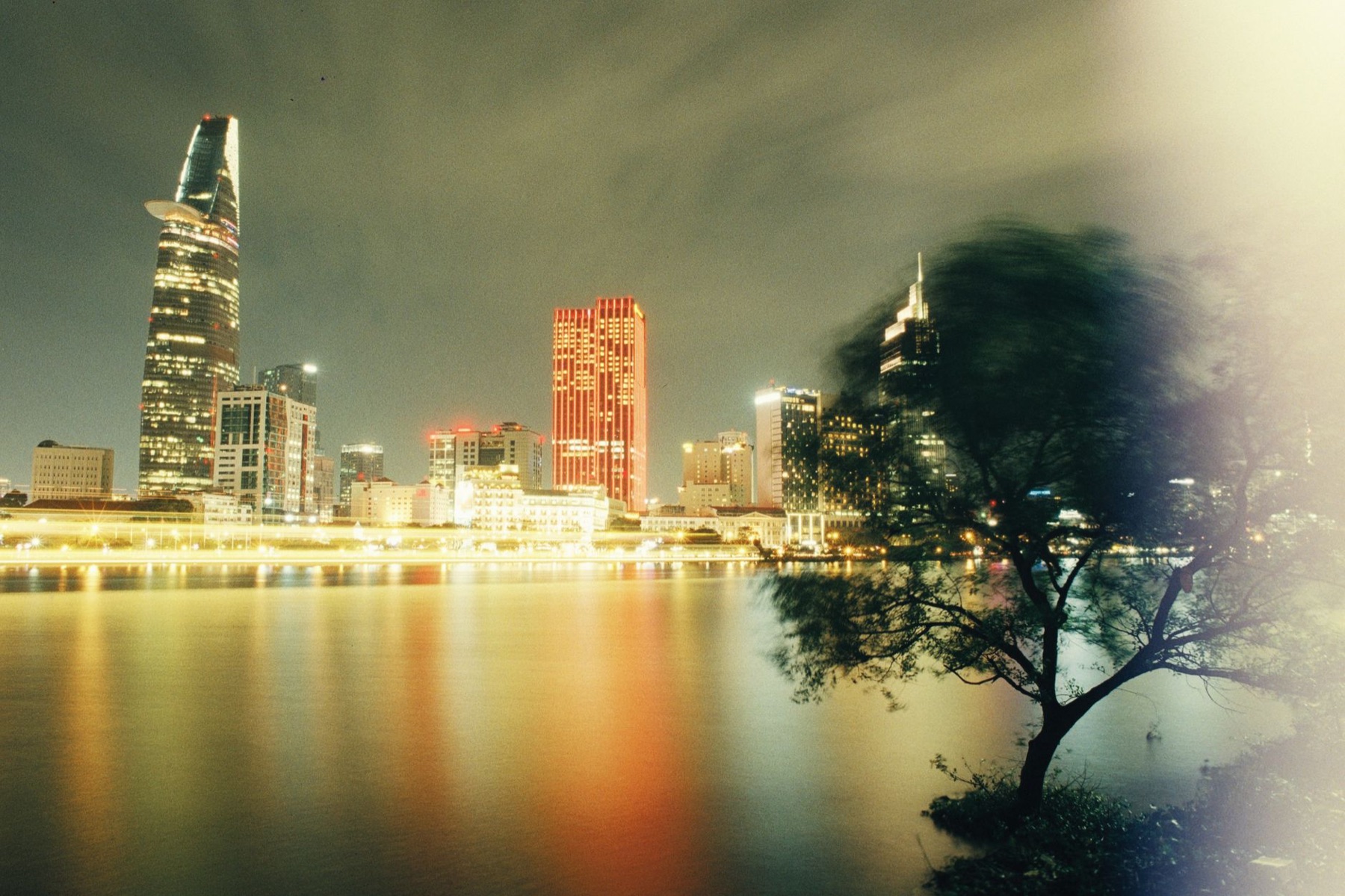
The Bitexco tower's 49th-floor bar (Saigon Skydeck, open 10:00 a.m.–late) offers the best city views. Sunset is 5:30–6:30 p.m. year-round. One cocktail costs around 180,000–250,000 VND ($7–$10). Go early, order water, sit for an hour. Overpriced but honestly the best bird's-eye perspective.
🎟️ Compare tours & tickets for this place
What's overrated, and what should you skip entirely?
Nguyen Hue Walking Street (District 1, open 6:00 p.m.–11:00 p.m. Friday–Sunday) is a bright, vehicle-free pedestrian zone. It's nice, not life-changing. Skip it if you're here 2 days. It's crowded, safe, but selling the same massage places and tourist trinket shops as everywhere else. Go once if you're in District 1 at sunset; don't backtrack.
The Saigon River sunset cruise industry is mostly mediocre. Budget-tier boats ($15–20 per person) pack 100+ tourists on vinyl seats, cheap beer, and canned snacks. Mid-range options ($35–50) offer better food but still feel like floating tourist pens. If you love boats, book a private 2-hour longtail tour of the Saigon/Binh Xuyen riverside instead (around 500,000–800,000 VND/$20–$32 for two people; negotiate with boatmen at District 4 or Tan Binh docks). More intimate, zero spectacle.
Skip the fake "snake village" tours or "floating villages" within 30 km of the city center. Real floating villages exist in the Mekong Delta (90 km south), and they're worth the day trip. This requires patience: hire a driver or join a tour ($40–60 per person, 8-hour outing). Cheap tours (under $30) rush and feel extractive.
What's worth a day trip from Ho Chi Minh City?
Mekong Delta (90 km, 2–3 hours by road): Tiny canals, fruit orchards, rice paddies, and villages. Hire a private driver (around 1,200,000–1,500,000 VND/$48–$60 full day for a car + driver) or join a group tour ($45–70 per person). Go early; crowds arrive mid-morning. Eat lunch at a family-run restaurant on the water (around 100,000–150,000 VND/$4–$6 per person). Authenticity decreases with tour group size.
Cu Chi Tunnels (40 km northwest, 1 hour by road): A network of underground passages built by the Viet Cong. Claustrophobic, touristy, but historically important. Entry is around 100,000–110,000 VND ($4–4.40). Tours guide you through sections; most tourists feel queasy in confined spaces. Skip if you're already saturated with war history (post-museum fatigue is real).
Vung Tau (90 km southeast, 2 hours by road): Coastal town with beaches, seafood, and a lighthouse. Local, less touristy than Phu Quoc or Nha Trang. Grab a seafood lunch (200,000–400,000 VND/$8–$16 for two people) and swim. Go on weekday; weekends see an explosion of domestic tourists.
📸 Book an ao dai photoshoot in Hanoi or Saigon (Cáo Studio)
What's the practical reality: getting around, cost, and timing?
Transport: Grab (the ride-hailing app, like Uber) is everywhere. Taxis are cheaper upfront but prone to meter-rigging (especially from the airport). Grab a SIM or eSIM for Vietnam so you can use Grab reliably. A short ride in District 1 costs around 50,000–80,000 VND ($2–3.20). Longer cross-city trips run 150,000–200,000 VND ($6–8). Walking is possible for blocks; motorbike taxis (xe om) are fast but chaotic for tourists.
Costs per day (budget traveler): Breakfast 30,000–50,000 VND ($1.20–2), lunch 80,000–150,000 VND ($3.20–6), dinner 150,000–300,000 VND ($6–12), transport 150,000–250,000 VND ($6–10), one museum/attraction 40,000–100,000 VND ($1.60–4). Realistic daily spend: 450,000–850,000 VND ($18–34). Backpackers spend less; mid-range tourists spend more.
Heat & timing: May–September is hot and wet; avoid if possible. October–April is cooler and clearer. Plan sightseeing early (6:00–11:00 a.m.), rest midday, resume 4:00–7:00 p.m. Dress in light, loose cotton. Sunscreen is non-negotiable.
What to check before you plan your trip
Visa: Most Western nationalities need a visa or e-visa for Vietnam. Processing is simple online (70–90 days). Apply 2 weeks ahead to avoid last-minute stress.
Accommodation: Book in District 1 (convenient but expensive), District 3 (younger, livelier), or Binh Thanh (quieter, less touristy). Mid-range hotels run 600,000–1,200,000 VND ($24–48 per night). Check if it has working AC, hot water, and a reliable WiFi router.
Currency: Vietnamese Dong (VND). ATMs are everywhere; withdraw cash to avoid credit-card skimming. Budget 3–4 million VND ($120–160) for a 4-day city stay (mid-range comfort, meals, transport, attractions).
Scams to avoid: Fake meter taxis, overpriced drinks in tourist bars, "guides" offering "free" tours (they'll demand tips at the end), cyclo (pedicab) rides with inflated final prices. Use Grab and be explicit about currency.
What not to do: Don't touch stray dogs (rabies risk is real). Don't haggle in non-market shops. Don't eat street food if your stomach is fragile; start gentle. Don't photograph people without permission.
---
Where does Ho Chi Minh City fit into a larger Vietnam trip?
If you're spending 2 weeks in Vietnam, Ho Chi Minh City is typically the entry or exit point. From here, you can reach the Mekong (1–2 days), Phu Quoc Island (flight, 1 hour), or head north via Hoi An guide (flight or overnight bus, 1.5 hours), Ha Long Bay guide (flight, 2 hours), or Hanoi guide (flight, 2 hours). Use our Vietnam itinerary planner to map a logical route.
If you're on a cultural deep dive, consider an ao dai photoshoot in Saigon (Cáo Studio) as a souvenir. Professional makeup, hair, and styling included; photos emailed within 48 hours. It's a way to own the city visually.
🎟️ Compare tours & tickets for this place
FAQ
Is three days enough in Ho Chi Minh City?
Three days covers War Remnants Museum, Reunification Palace, Ben Thanh Market, and one nearby neighborhood. Add a Mekong Delta day trip if you want to leave the city. Most travelers feel they've seen enough by day three; longer stays reveal deeper neighborhoods.
How do I avoid getting scammed in Ho Chi Minh City?
Use Grab instead of street taxis. Don't hire unlicensed "guides" offering free tours. Agree on cyclo prices before boarding. Avoid flashy jewelry or exposed cameras. Stick to busy commercial streets after dark. Most scams target inattention, not malice.
What's the best time to visit Ho Chi Minh City?
October–April (dry, cooler). May–September is hot, humid, and rainy. Plan sightseeing early morning and late afternoon. Air-con fatigue is real; take rest days seriously.
Can I do Ho Chi Minh City on a tight budget?
Yes. Sleep in District 3 or Binh Thanh (cheaper than District 1). Eat local pho and banh mi (30,000–50,000 VND/$1.20–2 per meal). Use Grab for transport. Most museums cost under 100,000 VND ($4). Realistic budget: $15–20 per day, including lodging.
How far is the airport from the city center?
Tan Son Nhat International Airport is 7 km north of District 1. Grab costs around 150,000–200,000 VND ($6–8) depending on traffic. Allow 30–45 minutes. Shuttle buses run 16,000 VND ($0.64) but are crowded and slow.
Should I learn Vietnamese before visiting?
Not essential in District 1 (English is common). Venture to markets or District 3, and basic phrases help: "Bao nhieu tien?" (How much?), "Cam on" (Thank you), "Khong co duong" (No thanks). Young locals speak English; older generations rarely do.
FAQ
Is three days enough in Ho Chi Minh City?
Three days covers War Remnants Museum, Reunification Palace, Ben Thanh Market, and one nearby neighborhood. Add a Mekong Delta day trip if you want to leave the city. Most travelers feel they've seen enough by day three; longer stays reveal deeper neighborhoods.
How do I avoid getting scammed in Ho Chi Minh City?
Use Grab instead of street taxis. Don't hire unlicensed "guides" offering free tours. Agree on cyclo prices before boarding. Avoid flashy jewelry or exposed cameras. Stick to busy commercial streets after dark. Most scams target inattention, not malice.
What's the best time to visit Ho Chi Minh City?
October–April (dry, cooler). May–September is hot, humid, and rainy. Plan sightseeing early morning and late afternoon. Air-con fatigue is real; take rest days seriously.
Can I do Ho Chi Minh City on a tight budget?
Yes. Sleep in District 3 or Binh Thanh (cheaper than District 1). Eat local pho and banh mi (30,000–50,000 VND/$1.20–2 per meal). Use Grab for transport. Most museums cost under 100,000 VND ($4). Realistic budget: $15–20 per day, including lodging.
How far is the airport from the city center?
Tan Son Nhat International Airport is 7 km north of District 1. Grab costs around 150,000–200,000 VND ($6–8) depending on traffic. Allow 30–45 minutes. Shuttle buses run 16,000 VND ($0.64) but are crowded and slow.
Should I learn Vietnamese before visiting?
Not essential in District 1 (English is common). Venture to markets or District 3, and basic phrases help: "Bao nhieu tien?" (How much?), "Cam on" (Thank you), "Khong co duong" (No thanks). Young locals speak English; older generations rarely do.
More: Ho Chi Minh City travel guide · Things to do in Ho Chi Minh City