Hanoi · Things to do
Top 10 Things to Do in Hanoi 2026: Insider's Neighborhood Guide
By Wander in Vietnam editorial team · Hanoi, Vietnam
What's actually worth seeing in Hanoi's Old Quarter?
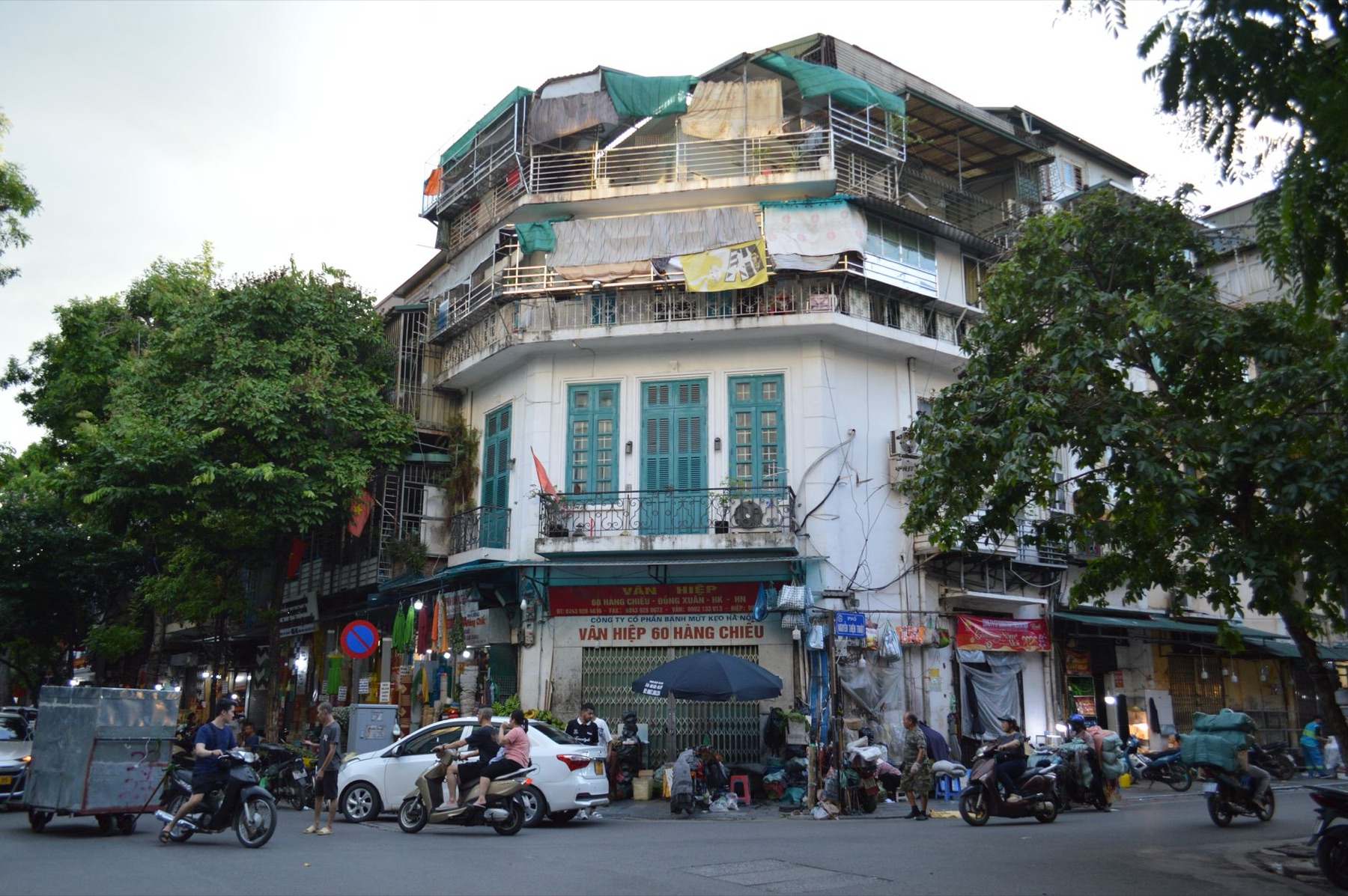
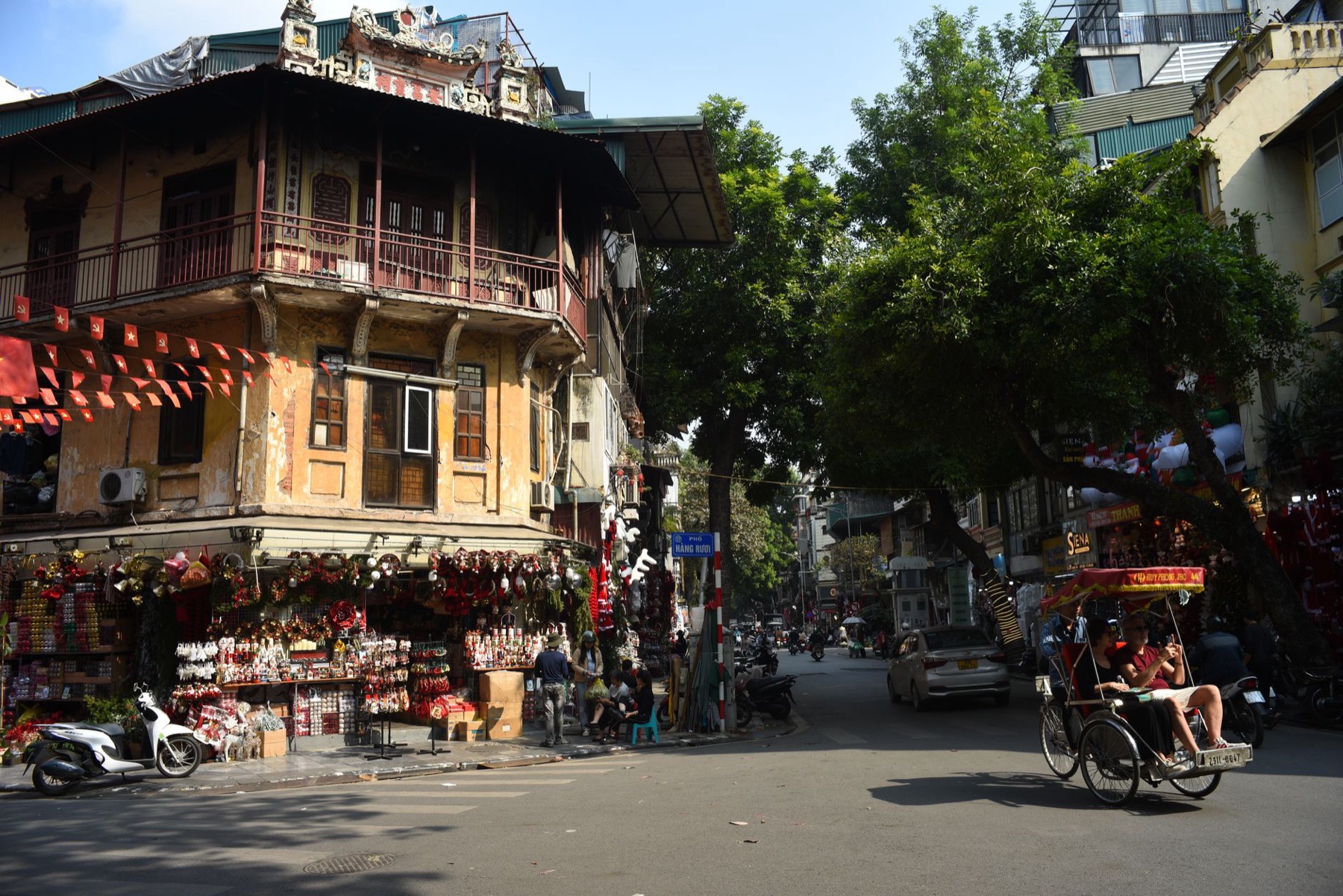
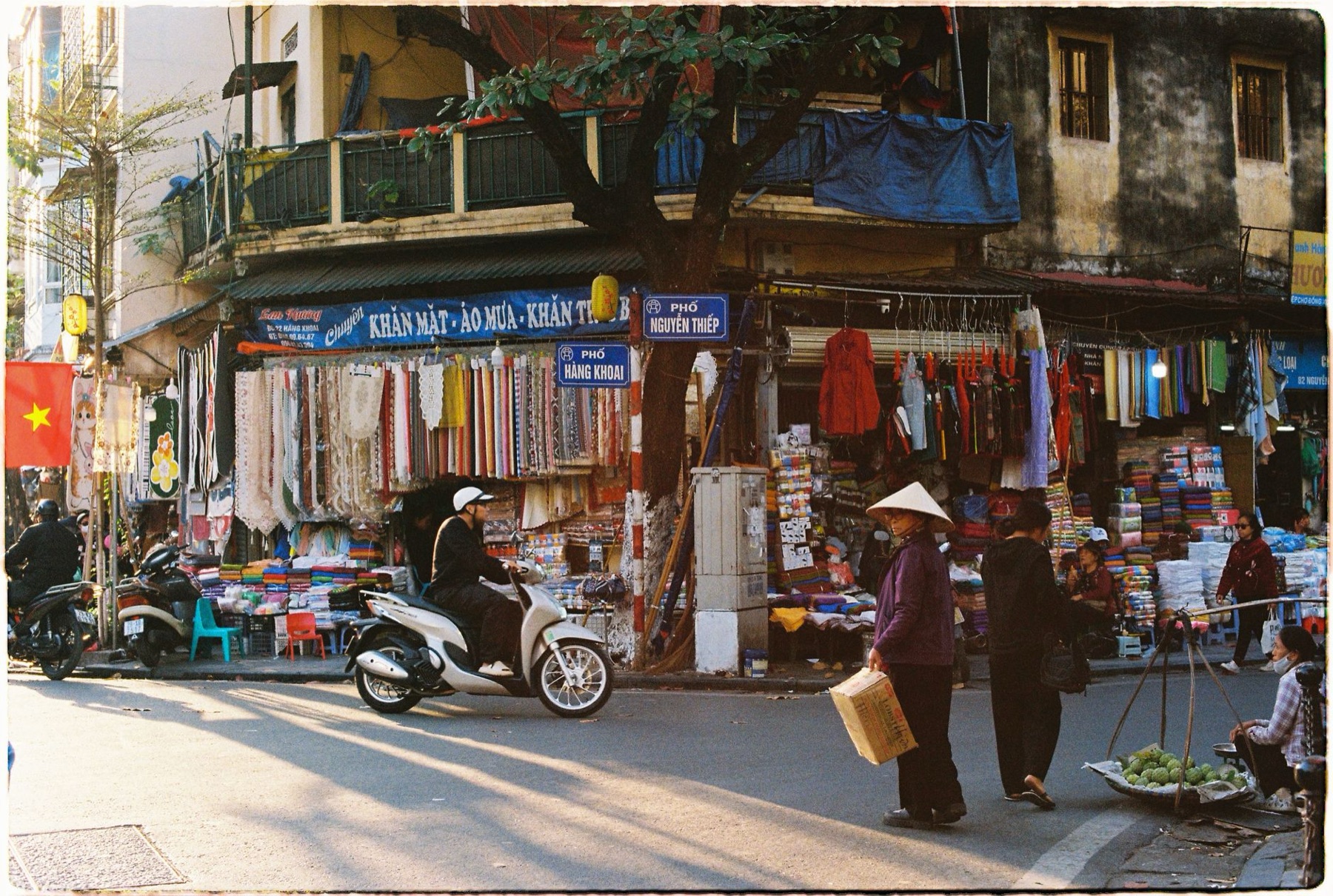
The Old Quarter (36 Pho Chuong, Hoan Kiem District) sprawls across 36 streets named after goods once sold there—silk, silver, paper. Skip the souvenir shops on Hang Bac and Hang Gai; instead, explore Hang Dau for real hardware stores, Cha Ca La Vong for the street's namesake fish dish (around 80,000–120,000 VND / $3–5 per plate), and Dao Duy Tu for baskets and rope. The square around Dong Xuan Market (north end) fills with locals before 7 a.m.; arrive early to see vendors setting up. Avoid rickshaw touts near Hoan Kiem—they quote inflated fares (30,000 VND / $1.20 is fair for a short ride; they'll ask double). Walk instead; the real discoveries—tiny barbershops, family noodle stalls, a 300-year-old pharmacy on Hang Ngang—reveal themselves only on foot.
Cost breakdown (Old Quarter day):
- Coffee + egg bread (banh cuon): 20,000–30,000 VND ($0.80–1.20)
- Cha ca lunch: 80,000–150,000 VND ($3–6)
- Silk or handicraft souvenir: 100,000–500,000 VND ($4–20)
- No entry fees
📸 Book an ao dai photoshoot in Hanoi or Saigon (Cáo Studio)
Is Hoan Kiem Lake a tourist trap or essential?
Hoan Kiem (Sword Lake) is essential but crowded. The Turtle Tower (Thap Rua) sits on an island mid-lake; locals claim a golden turtle lives beneath. Walk the perimeter (1.2 km) at dawn (5:30–6:30 a.m.) before tour groups arrive. The Jade Island Temple (Den Ngoc Son) charges 30,000 VND (~$1.20) entry and is worth it for the interior art, though queues peak 9 a.m.–4 p.m. Avoid the paddle boats (tourist markup; 50,000 VND / $2 for 30 min, but boats are slow and dirty). Instead, sit in a lakeside cafe—try Bang Cot Cafe (north shore) or a no-name bia hoi stand—and watch locals doing tai chi. The lake is best seen twice: sunrise for energy, dusk for the light.
🗺️ Plan your route: Vietnam itinerary
Which water puppet show actually delivers?
Water puppet theater (Mua Roi Nuoc) is uniquely Vietnamese—puppets dance on water to traditional music. Thang Long Water Puppet Theater (1 Tran Phu, Hoan Kiem District) is the main venue; tickets around 100,000–150,000 VND ($4–6). Shows run 8:15 p.m. (most nights); book online via their website or ask your hotel to book—walk-up prices are inflated. The performance is 50 minutes; arrive 20 minutes early. Avoid "private" water puppet performances in hotel lobbies or tourist restaurants (poor quality, hard sell for drinks). The theater's location near Hoan Kiem makes it easy to combine with an evening walk. English subtitles appear on screens, so language isn't a barrier.
Why Thang Long matters:
- Puppeteers trained for 3+ years in traditional techniques
- Original compositions mixed with historical tales
- Lasts ~50 minutes; minimal standing
- Peak season (Oct–Mar): book 1–2 days ahead
How much should you budget for the Temple of Literature?
Van Mieu (Temple of Literature) is Hanoi's oldest university (founded 1070) and one of Vietnam's most intact historical sites. Entry: 30,000 VND (~$1.20); open 8 a.m.–5 p.m. daily. Allow 60–90 minutes. The compound has five courtyards; the central sanctuary and stele-bearing turtle sculptures are highlights. Avoid tours (50,000–80,000 VND / $2–3.20 that just repeat signage). Instead, download a free map or hire a local guide via your accommodation—they know family stories not in guidebooks. Best visited after 3 p.m. when school groups leave. Photography is free; no shoe removal needed inside.
Comparison: Cultural sites worth your time
| Site | Location | Entry | Time | Why go |
|---|---|---|---|---|
| Temple of Literature | Ba Dinh District | 30,000 VND (~$1.20) | 60–90 min | Oldest university, peaceful courtyards |
| One Pillar Temple (Dien Huu) | Ba Dinh District | Free | 15–20 min | Iconic 1,000-year-old structure (small but symbolic) |
| Tran Temple | Tran Phu, Hoan Kiem | Free | 15 min | Active worship site, fewer tourists |
| Ho Tay (West Lake) area temples | Tay Ho District | Free–10,000 VND | Flexible | Lakeside walks, local atmosphere |
What's the real appeal of Ho Tay (West Lake) vs. Hoan Kiem?
Ho Tay stretches 17 km around Tay Ho District—far larger than Hoan Kiem. It's where Hanoians actually live and relax; tourists cluster on the south shore near Thao Dien Village. Rent a bicycle (around 30,000–50,000 VND / $1.20–2 per day from a guest house) and circle the quieter north and west sides. Stop at Quan Ốc (crab/seafood bia hoi stalls) around Nhat Tan Bridge or explore Paulownia Flower Village (Tay Ho Tay, seasonal March–April). Sunset from the north shore beats the Old Quarter's rooftop bars. The lake is less photogenic than Hoan Kiem but far more authentic. Avoid the mega-restaurants (huge markups for tourists); instead, eat where locals eat—a small family pho stand near Quan Ốc costs 40,000–60,000 VND (~$1.60–2.40).
🎟️ Compare tours & tickets for this place
Should you cycle the Red River Delta or book a tour?
Cycling the delta is epic if you're fit and navigable. Rental bikes (60,000–100,000 VND / $2.40–4 per day) are available near Hoan Kiem; buy a phone holder and download offline maps (no reliable Google signal outside Hanoi proper). A solo loop from Hanoi east toward Van Phuc (silk village, 10 km) then back takes 4 hours. Hire a guide (negotiate 200,000–400,000 VND / $8–16 for a half-day) if you want stories; tour operators often pair you with an English speaker. The delta is flat, rural, and shows rice paddies, water buffalo, and family farms most tourists never see. Best April–October (dry); avoid July–September (heat and rain). Start at 6 a.m. to avoid midday sun. Pack sunscreen, water, and a basic repair kit.
What goes wrong:
- Potholes and broken asphalt on back roads (slow you down; not dangerous if alert)
- Motorbike traffic on main roads (ride defensively; stick to marked lanes)
- No signage in rural areas (offline maps essential; ask locals for directions)
How do Hanoi's cafe culture and hidden bars fit into your itinerary?
Hanoi's cafe culture is the itinerary for many—sitting for hours is the point. Egg coffee (ca phe trung) is Hanoi's signature; Old Quarter cafes (Giang Cafe, Dinh Tien Hoang Street) popularized it, but it's now everywhere. Expect 30,000–50,000 VND (~$1.20–2). Hidden in lane-ways (hem) off main streets are artist cafes, vintage bookshops, and speakeasy-style bars (Nha Hang Ngon for upscale traditional food, Ngo 40 for dive-bar charm). These require wandering—no signage. Best found via local friends or Instagram maps. A café crawl costs 50,000–150,000 VND (~$2–6) for 2–3 drinks. Avoid "tourist" cafes near Hoan Kiem (inflated prices, mediocre drinks). The real scene is in Thanh Xuan, Hai Ba Trung, and scattered alleyways where backpackers don't go.
📸 Book an ao dai photoshoot in Hanoi or Saigon (Cáo Studio)
What's the point of the Mausoleum complex, and is it worth queuing?
Ho Chi Minh Mausoleum (Ba Dinh District) is a pilgrimage site, not a tourist attraction—enter with appropriate dress (covered shoulders, no hats). Entry is free; it closes 11 a.m.–1:30 p.m. and is shut Mondays/Fridays. Queues form 8–10 a.m.; go before 7:30 a.m. to avoid waiting 30+ minutes. The mausoleum itself is stark and brief (10 minutes inside). What's worthwhile: the Ho Chi Minh Museum (adjacent, 30,000 VND / ~$1.20) and the surrounding presidential palace gardens. Allow 2 hours total. This site matters historically but isn't visually spectacular—see it as paying respects, not chasing views. If you're short on time, skip it.
Dress code:
- Covered shoulders, knees, and toes
- No hats, sunglasses inside
- Quiet demeanor expected
Which markets give you Hanoi without the tour-group filter?
Dong Xuan (36 Pho Chuong) opens 5:30 a.m.–noon and is chaotic, real, and packed with locals buying textiles, dried goods, and cheap clothes. Go at 6–7 a.m. before the chaos peaks. Bat Trang Pottery Village (20 km south, Trang Ba District) is a day trip: ceramic studios and shops line the main road; prices range 20,000–200,000 VND (~$0.80–8) for a hand-thrown bowl or vase. Negotiate at the studio source. Kasama Night Market (opens 7 p.m., Tay Ho District) is newer, quieter, and good for street food and crafts. Traditional markets (Ben Thanh-style) are rarer in Hanoi; the real shopping is at supermarkets or street vendors. Avoid Hang Ma for tourists and overpriced decorations.
Best time to visit markets:
- Early morning (5:30–7:30 a.m.): fresh goods, fewer crowds
- Late afternoon (4–5:30 p.m.): second busiest, still authentic
- Avoid midday (11 a.m.–3 p.m.) and tourist peak hours
How long should you actually spend in Hanoi?
Most guidebooks say 2–3 days; we'd say 4–5 minimum if you cycle, take a water puppet show, and explore neighborhoods beyond the Old Quarter. A rushed 1-day itinerary (Hoan Kiem + Old Quarter + Thang Long Water Puppet) is possible but surfaces-level. Two days lets you add the Temple of Literature and a cafe crawl. Four days adds Ho Tay, a delta bike ride, and breathing room. Hanoi reveals itself slower than Ho Chi Minh City; rushing misses the charm.
🗺️ Plan your route: Vietnam itinerary
---
What to check before you book tours or activities
- Confirm directly with the venue (not a middleman). Many tour operators add 20–40% markup.
- Verify opening hours: temples and museums close mid-day or on specific weekdays. Call ahead or check their Facebook page.
- Use offline maps: Google Maps works but is slow; download a .kmz file on Maps.me before arrival.
- Book water puppet tickets online to avoid queues and inflated walk-up prices.
- Ask your accommodation for real local recommendations, not tour posters in the lobby.
- Rent bikes from reputable guest houses, not street hustlers; inspect brakes and tires first.
- Eat where locals eat: if a stall has a queue at noon, it's good and cheap; ignore English menus and laminated photos.
---
Extended planning: link the city into your broader Vietnam trip
If you're visiting multiple cities, check our Vietnam itinerary planner to optimize routes. Hanoi pairs well with Ninh Binh (2 hours south, limestone karsts), Ha Long Bay (3 hours east, UNESCO cruises), or Sapa (5 hours northwest, trekking and Hmong villages). Consider getting a Vietnam eSIM for reliable data outside the capital, and ensure your e-visa is sorted before arrival.
For your Hanoi stay, book an ao dai photoshoot with Cáo Studio—you'll have professional photos in traditional dress without the stress of finding a local photographer.
---
FAQ
Is a motorbike taxi (Grab) safe for first-time visitors?
Yes. Grab (app-based, like Uber) is reliable and fare-locked; accept only registered vehicles with visible license plates. Around 20,000–40,000 VND ($0.80–1.60) for short city rides. Avoid unmarked taxis and street-hailed motorbikes; negotiate if you use an unlicensed bike.
What's the cheapest way to see Hanoi if I'm on a tight budget?
Stay in the Old Quarter (50,000–80,000 VND / $2–3.20 per night in a hostel dorm). Eat at bia hoi and market stalls (30,000–50,000 VND / $1.20–2 per meal). Walk or cycle everywhere. Many temples and parks are free. Water puppet theater (100,000+ VND / $4+) is the only pricey "must-do."
How do I avoid tourist scams in Hanoi?
Book tours directly with venues, not touts. Avoid cyclos for long distances (meter-free fares inflate). Don't buy jade or gems from street vendors. Use Grab instead of negotiated taxis. Check restaurant menus for prices before sitting. Pay in cash when possible (no card fees). Most scams target tourists willing to haggle or trust strangers—stay alert but not paranoid.
Is public transport (bus) feasible without Vietnamese language skills?
Buses are cheap (5,000–10,000 VND / $0.20–0.40) but crowded and signage is in Vietnamese only. Use Grab or rent a bike instead; it's easier and not much pricier. Taxis and motorbikes are more reliable for first-timers.
What's the best season to visit Hanoi?
October–April (cool and dry). May–September is hot, humid, and rainy (40°C / 104°F days). Winter (Dec–Jan) can be foggy and cold (10–15°C / 50–59°F) but still pleasant for walking. Avoid August–September (peak monsoon and heat).
Should I book accommodations in the Old Quarter or elsewhere?
Old Quarter is convenient but loud, touristy, and pricey ($15–50+ per night). Stay here only 1–2 nights. Consider Tay Ho (peaceful, lakeside, local bars) or Ba Dinh (near temples, calmer) for better value and authenticity ($10–30 per night).
Can I visit Hanoi and Ho Chi Minh City in one trip?
Yes—they're 1.5 hours apart by plane (~$30–60 one way), or 30 hours by bus (cheaper but draining). Most visitors spend 3–4 days in each. See our Vietnam itinerary planner for multi-city routes.
FAQ
Is a motorbike taxi (Grab) safe for first-time visitors?
Yes. Grab (app-based, like Uber) is reliable and fare-locked; accept only registered vehicles with visible license plates. Around 20,000–40,000 VND ($0.80–1.60) for short city rides. Avoid unmarked taxis and street-hailed motorbikes; negotiate if you use an unlicensed bike.
What's the cheapest way to see Hanoi if I'm on a tight budget?
Stay in the Old Quarter (50,000–80,000 VND / $2–3.20 per night in a hostel dorm). Eat at bia hoi and market stalls (30,000–50,000 VND / $1.20–2 per meal). Walk or cycle everywhere. Many temples and parks are free. Water puppet theater (100,000+ VND / $4+) is the only pricey "must-do."
How do I avoid tourist scams in Hanoi?
Book tours directly with venues, not touts. Avoid cyclos for long distances (meter-free fares inflate). Don't buy jade or gems from street vendors. Use Grab instead of negotiated taxis. Check restaurant menus for prices before sitting. Pay in cash when possible (no card fees). Most scams target tourists willing to haggle or trust strangers—stay alert but not paranoid.
Is public transport (bus) feasible without Vietnamese language skills?
Buses are cheap (5,000–10,000 VND / $0.20–0.40) but crowded and signage is in Vietnamese only. Use Grab or rent a bike instead; it's easier and not much pricier. Taxis and motorbikes are more reliable for first-timers.
What's the best season to visit Hanoi?
October–April (cool and dry). May–September is hot, humid, and rainy (40°C / 104°F days). Winter (Dec–Jan) can be foggy and cold (10–15°C / 50–59°F) but still pleasant for walking. Avoid August–September (peak monsoon and heat).
Should I book accommodations in the Old Quarter or elsewhere?
Old Quarter is convenient but loud, touristy, and pricey ($15–50+ per night). Stay here only 1–2 nights. Consider Tay Ho (peaceful, lakeside, local bars) or Ba Dinh (near temples, calmer) for better value and authenticity ($10–30 per night).
Can I visit Hanoi and Ho Chi Minh City in one trip?
Yes—they're 1.5 hours apart by plane (~$30–60 one way), or 30 hours by bus (cheaper but draining). Most visitors spend 3–4 days in each. [See our Vietnam itinerary planner](/vietnam/itinerary) for multi-city routes.
More: Hanoi guide · Things to do in Hanoi