Hanoi · Things to do
Top 10 Things to Do in Hanoi: Real Guide for 2026
By Wander in Vietnam editorial team · Hanoi, Vietnam
What makes Hanoi's Old Quarter worth a full day—not just an afternoon?
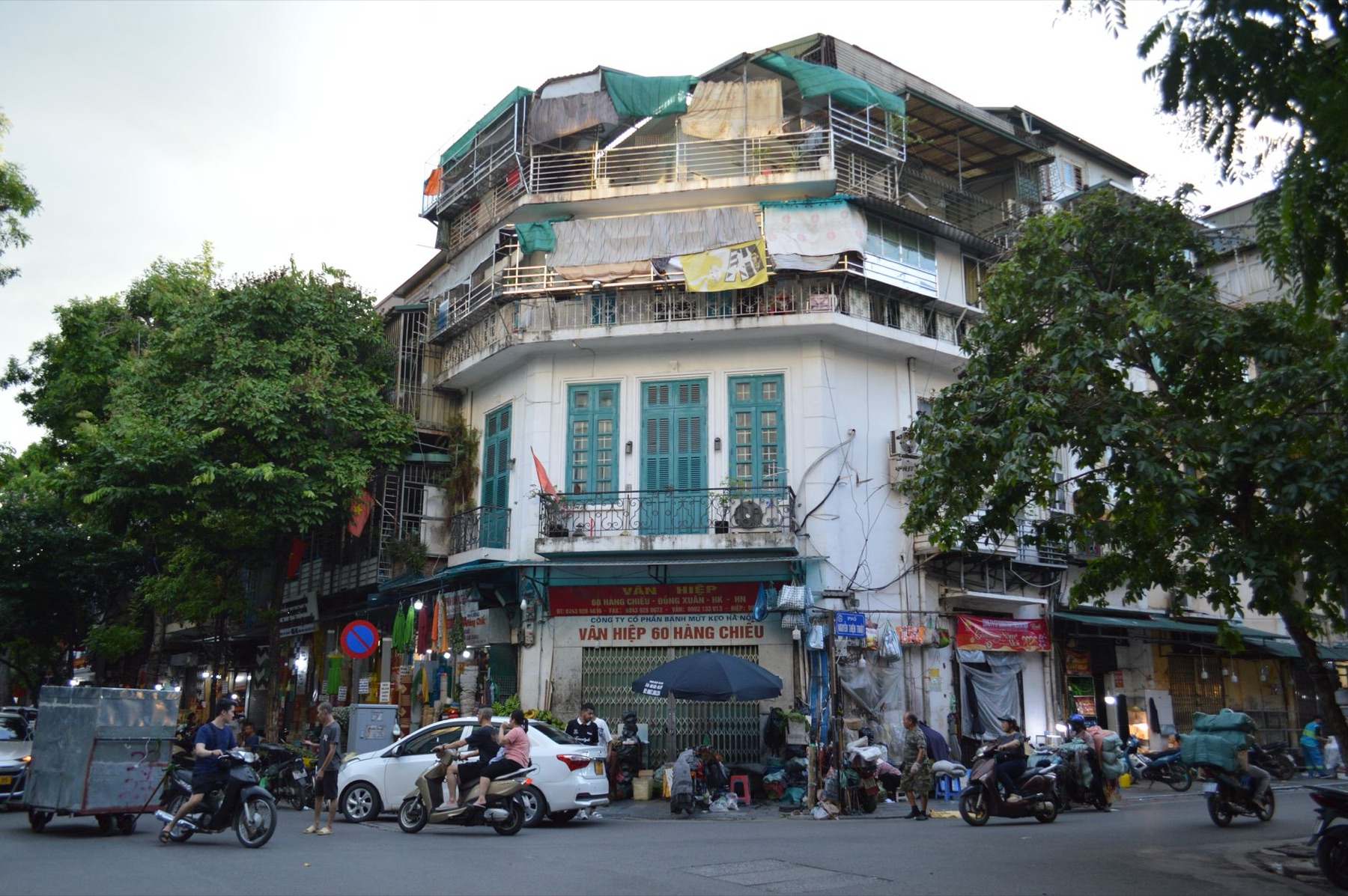
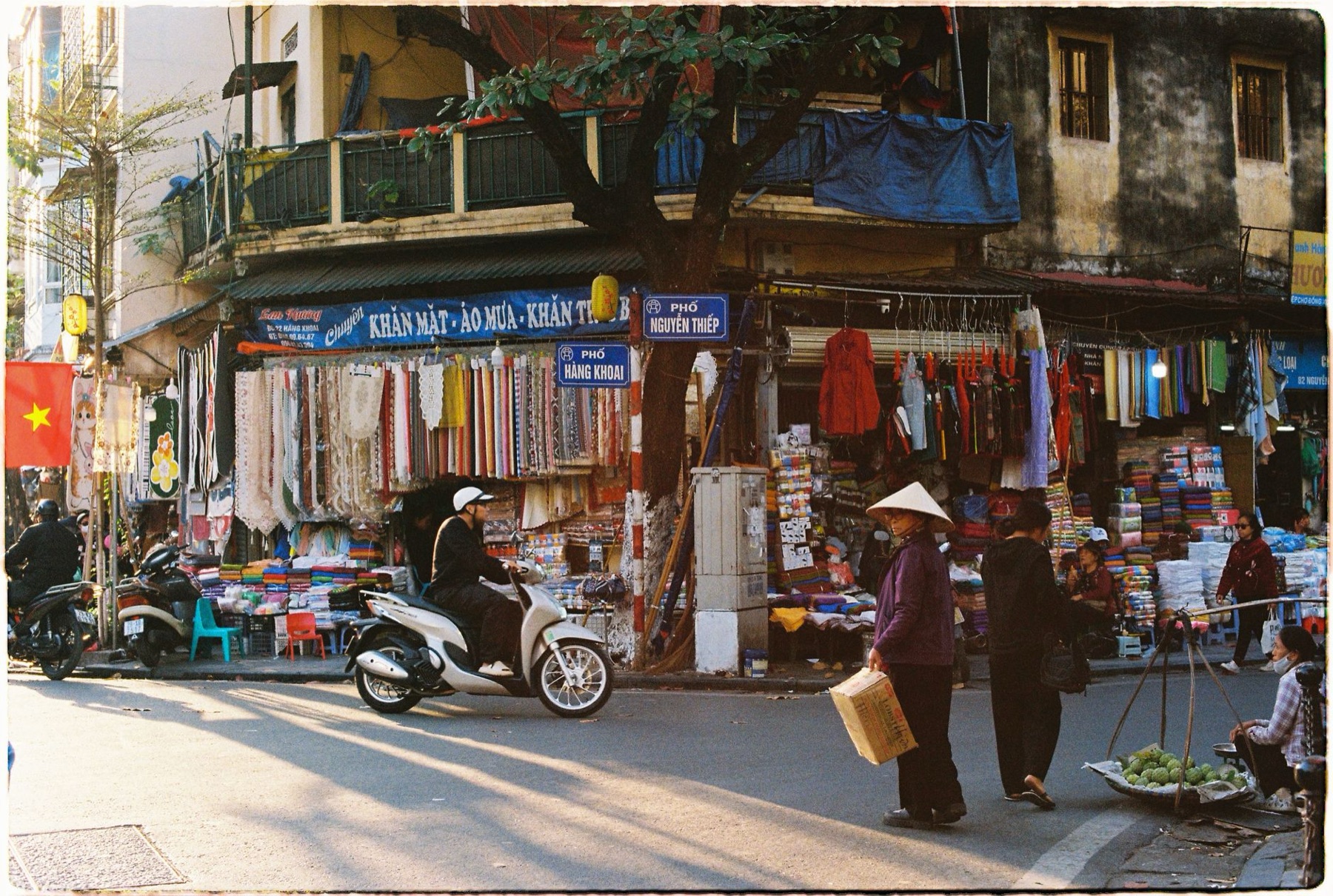
The Old Quarter (Hoan Kiem district, near Hang Dao Street) isn't a museum; it's a working neighborhood where 7 a.m. egg coffee shops fill with locals, motorbike repair stalls spill into sidewalks, and each lane specializes: silk on Hang Gai, lanterns on Hang Manh, shoes on Hang Giay. Walking without a map between 8–11 a.m. teaches you more than any guidebook. Aim for narrow lanes like Hang Dieu and Hang Luoc where tour buses can't reach.
What to check: Wear closed shoes (broken pavement), avoid motorbike taxis unless confident, and don't photograph people without asking—especially vendors.
Why Hoan Kiem Lake at dawn beats any other time?
Sunrise (around 6–6:30 a.m., depending on season) brings tai chi groups, elderly swimmers, and joggers to the lakeside. The water is calmer, light is softer, and you'll see real Hanoi before it fills with crowds. The Turtle Tower sits mid-lake; locals believe it symbolizes patience. Walking the full loop takes 40 minutes and costs nothing.
What to check: Bring water, wear bug spray, and ignore "tour guide" men offering services—they'll overcharge.
How is the Temple of Literature different from other pagodas?
Quoc Tu Giam (Temple of Literature), in Dong Da district, dates to 1070 and honors Confucius, not Buddha. It's a series of courtyards with ancient stone turtle stelae engraved with scholars' names—you're walking through Vietnam's first university. Tourist masses peak 9 a.m.–noon; go at 7 a.m. or after 3 p.m. Entry is around 25,000 VND (≈$1 USD).
What to check: Photography inside the sanctum costs extra (around 5,000 VND / <$1 USD). Many signs are in Vietnamese only—bring a translation app or book a guide.
Why water puppet theatre feels different from anywhere else?
Water puppetry is uniquely North Vietnamese. The Golden Dragon Water Puppet Theatre (Dinh Tran Quang Khai Street, Hoan Kiem district) runs 40-minute shows daily at 3 p.m., 5 p.m., 7 p.m., and sometimes 8:15 p.m. Puppeteers stand behind a screen operating wooden figures on water to live music. Tickets run from around 100,000–200,000 VND (≈$4–8 USD), depending on seat location.
What to check: Book online to avoid queues. Performances in English/subtitles are standard. Avoid touts outside selling inflated-price tickets.
Which neighborhoods give you the most authentic evening vibe?
West Lake (Ho Tay), beyond the Old Quarter, draws fewer tourists after sunset. Local cafes cluster along the water; Ta Hien Street in the Old Quarter fills with backpackers and Vietnamese students by 8 p.m. For quieter dinner, head to Thanh Cong Blue (Hang Bong area) or local pho stalls on Hang Than where bowls cost around 30,000–50,000 VND (≈$1.25–2 USD).
What to check: Street vendors may overcharge or dilute drinks; buy bottled water. Avoid empty restaurants; follow where locals eat.
What are the best day trips within 2 hours of central Hanoi?
Bat Trang (pottery village, 15 km southeast): Craftspeople throw ceramics in family workshops open to visitors. Entry is free; pieces cost from around 50,000 VND (≈$2 USD) upward. Van Phuc (silk village, 10 km south): Watch silk weaving, buy scarves or fabric. Duong Lam (ancient village, 40 km southwest): Stone-walled streets, bamboo suspension bridge, rice fields—real rural Vietnam without obvious tourist infrastructure.
What to check: Hire a private driver (around 500,000–700,000 VND / ≈$20–28 USD per day) or join a group tour to avoid getting lost. Morning departures beat afternoon heat.
How do you tell a real cyclo ride from a tourist trap?
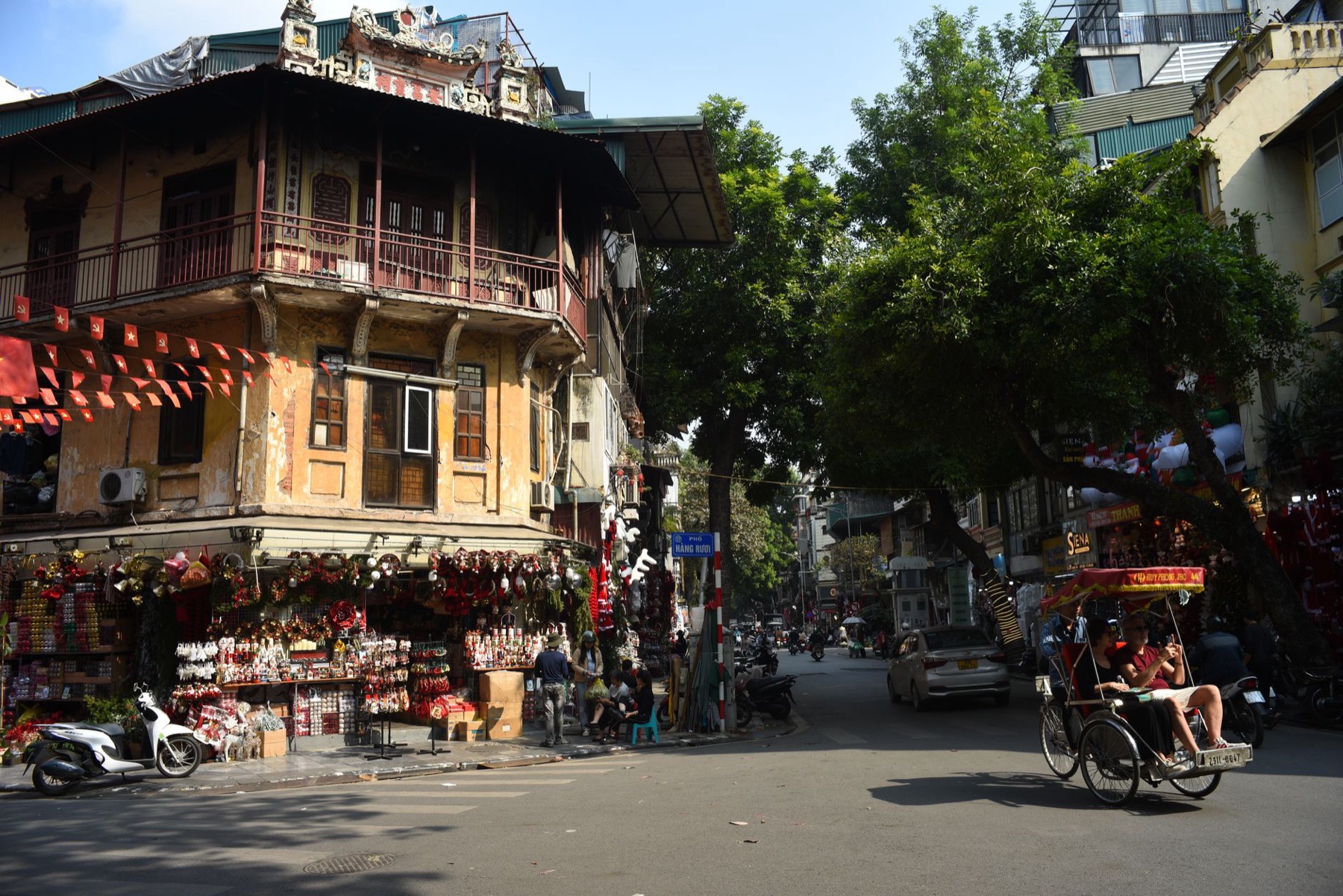
Cyclos (three-wheeled hand-pulled carts) run mainly in the Old Quarter. Negotiate fare before boarding: realistic rates are around 100,000–150,000 VND per hour (≈$4–6 USD) for central routes. Avoid touts who approach your hotel; ask your accommodation to arrange one instead. Evening rides (5–7 p.m.) past Hoan Kiem Lake are standard and genuinely pleasant.
What to check: Drivers may claim they'll take you to "special shops" (silk, lacquer, coffee) to earn commissions—politely decline or specify your exact route.
What food experiences should be on your list?
Pho Bat Dan (Bat Dan Street, Old Quarter): Bowls from around 40,000 VND (≈$1.60 USD). Egg coffee on Hang Gai: around 50,000–70,000 VND (≈$2–3 USD)—a Hanoi invention, not found elsewhere. Night markets on Hang Be Street (opens 6 p.m.) sell grilled snails, nem (fried spring rolls), and sugarcane juice. Street carts near Hoan Kiem Lake sell banh mi from around 20,000–30,000 VND (≈$0.80–1.20 USD).
What to check: Eat where there's a queue (sign of turnover). Avoid raw vegetables unless you trust the water source. Bring small bills; vendors rarely have change.
Is the Ho Tay (West Lake) walking route worth the trek?
The full 7 km loop takes 2–2.5 hours. Northern sections near Tran Quoc Pagoda (Vietnam's oldest pagoda, founded 545 AD) feel peaceful. Southern sections (Quang Ba Flower Market area) bustle with locals at dawn. Sunrise over water or sunset with city lights in the background are the rewards—free and untimed.
What to check: Bring 1.5 liters of water, sunscreen, and a hat. Paths are uneven; wear good walking shoes.
How do you avoid Hanoi's main tourist traps?
| Trap | Location | Why It Happens | What to Do |
|---|---|---|---|
| Inflated cyclo/taxi fares | Old Quarter touts | No meter, negotiate after ride | Use Grab app or pre-book |
| "Silk/lacquer/coffee" shop commissions | Random drivers offer "detours" | Driver earns 20–30% | Decline politely, specify your route |
| Counterfeit goods | Hang Gai Street markets | High tourism footfall | Buy from established family stalls, ask locals |
| Fake tour guides | Outside major temples | No credentials required | Book through your hotel |
| Drink spiking in bars | Backpacker areas (Ta Hien St) | Rare but documented | Stick with friends, watch your glass |
---
When should you visit, and what's the weather like?
October–November and March–April offer cool, dry days (15–25°C / 59–77°F)—ideal for walking. December–February is coldest (5–15°C / 41–59°F); drizzle is common. May–September is hot and humid (25–35°C / 77–95°F), with sudden downpours. Pack layers and waterproof bags year-round.
Do you need an eSIM or local SIM card for internet?
Yes. Viettel and Vina prepaid SIMs cost around 20,000–50,000 VND (≈$0.80–2 USD) and are sold at convenience stores. Data packages start from 50,000 VND per week. Alternatively, grab an eSIM before arrival for seamless connectivity without swapping cards.
---
🗺️ Plan your route: Vietnam itinerary | 📸 Book an ao dai photoshoot in Hanoi or Saigon (Cáo Studio)
---
Beyond the main sights: lesser-known corners worth your time
Thanh Cong Blue in Hang Bong ward is a local cafe chain; their egg coffee rivals Hang Gai but without the tourism tax. Hoa Lo Prison Museum (Hai Ba Trung district) is grim but educational—entry around 30,000 VND (≈$1.20 USD). The Hanoi Opera House (built 1911) offers tours; architecture alone justifies a 15-minute walk-by.
What to check: Museums close Mondays; check hours before visiting. Photography restrictions vary.
---
Gift Ideas for Hanoi Memories
Returning home and want to share Hanoi with friends? Consider gifts that capture the city's spirit without kitsch.
| Gift Type | Best For | Why It Works |
|---|---|---|
| Silk scarves or fabric | Colleagues, family | Handmade in Van Phuc; practical and authentic |
| Water puppet figurine (wood) | Home decor lovers | Unique to North Vietnam; small enough to pack |
| Ceramic tea set from Bat Trang | Tea drinkers | Handthrown, affordable, functional |
| Star map print of Hanoi skyline | Travelers, romantics | Personalized memory of your visit date |
| Framed street photography | Apartment walls | Document Old Quarter energy, pay photographer directly |
We recommend pairing any souvenir with a professional ao dai photoshoot in Hanoi—Cáo Studio does makeup and styling, giving you images that prove you were there. Prints or canvas versions make lasting home gifts.
---
Practical essentials you'll actually need
- Cash: Hanoi still runs on VND; ATMs are everywhere but charge 20,000–30,000 VND (≈$0.80–1.20 USD) per withdrawal.
- Translation app: Google Translate's camera feature is lifesaving for menus.
- Comfortable shoes: Streets are uneven; wear closed shoes and expect blisters.
- A Vietnam e-visa: Apply online at vietnam/visa before arrival (about 1–3 days processing).
- Motorbike awareness: Assume drivers can't see you; cross streets slowly and predictably.
🎟️ Compare tours & tickets for this place | 🌸 Send flowers to your Hanoi hosts (Hoa Lang Thang)
---
Real talk: what to skip
Tap Mam Prison isn't worth the taxi fare—photos are repetitive, and the experience feels exploitative. Thay Pagoda (outside Hanoi proper, near Ha Tay province) requires 2+ hours and a guide; skip unless you have a genuine interest in water puppetry's origins. The "Imperial Citadel" on Ton That Thuyet Street is partially closed; come back when renovation finishes (check locally).
---
How to plan a realistic Hanoi itinerary
- Day 1: Old Quarter walking (7–11 a.m.), lunch, cyclo ride, water puppet theatre (evening).
- Day 2: Hoan Kiem Lake sunrise, Temple of Literature (book a guide if details interest you), pho lunch, West Lake walk.
- Day 3: Day trip to Bat Trang or Van Phuc, or stay and explore Tu Duc village (north Hanoi, rice paddies, homestays).
See our Hanoi guide for accommodation details and practical logistics. If you're building a multi-city trip, check Vietnam itinerary planner to combine Hanoi with Ho Chi Minh City, Hoi An, Ha Long Bay, Ninh Binh, or Sapa.
🎁 Shop personalized travel keepsakes | 📸 Capture your Hanoi moment (ao dai photoshoot)
FAQ
Is it safe to walk the Old Quarter alone at night?
Yes, for most travelers. Stick to main lanes like Hang Dao and Ta Hien; avoid unlit alleys. Petty theft (bag snatching) is rare if you're aware. Walk with confidence and stay with groups when unsure.
How much should I budget per day in Hanoi?
Budget-conscious travelers spend around 500,000–800,000 VND (≈$20–32 USD) daily: pho, coffee, street food, museums, one paid activity. Mid-range: 1–2 million VND (≈$40–80 USD) with restaurant meals and tours.
Do I need to book tours in advance or can I join local ones?
Both work. Booking in advance (through your hotel or online platforms) is safer. Local touts at train stations and hostels offer cheaper options but quality varies. Always negotiate price and confirm timing before handing over money.
What's the best time to visit without crowds?
Early October or late March minimize both tourists and extreme weather. June–August draws backpackers; January is coolest but driest. Avoid Lunar New Year (late January/February) when prices spike and locals travel.
Are motorbike taxis (Grab Bike) reliable?
Yes. Use the Grab app, not street touts. Fares are metered and prepaid. Wear the helmet provided. Drivers are used to nervous foreign passengers—no shame in asking them to slow down.
Can I drink tap water in Hanoi?
Locals do, but tourists should drink bottled. Stomach bacteria differ; play it safe. Bottled water costs around 10,000–20,000 VND (≈$0.40–0.80 USD) per liter at convenience stores.
What should I wear to temples and pagodas?
Covered shoulders and knees. Hanoi is casual; no one will turn you away, but locals dress modestly in religious spaces. Remove shoes before entering inner sanctums.
FAQ
Is it safe to walk the Old Quarter alone at night?
Yes, for most travelers. Stick to main lanes like Hang Dao and Ta Hien; avoid unlit alleys. Petty theft (bag snatching) is rare if you're aware. Walk with confidence and stay with groups when unsure.
How much should I budget per day in Hanoi?
Budget-conscious travelers spend around 500,000–800,000 VND (≈$20–32 USD) daily: pho, coffee, street food, museums, one paid activity. Mid-range: 1–2 million VND (≈$40–80 USD) with restaurant meals and tours.
Do I need to book tours in advance or can I join local ones?
Both work. Booking in advance (through your hotel or online platforms) is safer. Local touts at train stations and hostels offer cheaper options but quality varies. Always negotiate price and confirm timing before handing over money.
What's the best time to visit without crowds?
Early October or late March minimize both tourists and extreme weather. June–August draws backpackers; January is coolest but driest. Avoid Lunar New Year (late January/February) when prices spike and locals travel.
Are motorbike taxis (Grab Bike) reliable?
Yes. Use the Grab app, not street touts. Fares are metered and prepaid. Wear the helmet provided. Drivers are used to nervous foreign passengers—no shame in asking them to slow down.
Can I drink tap water in Hanoi?
Locals do, but tourists should drink bottled. Stomach bacteria differ; play it safe. Bottled water costs around 10,000–20,000 VND (≈$0.40–0.80 USD) per liter at convenience stores.
What should I wear to temples and pagodas?
Covered shoulders and knees. Hanoi is casual; no one will turn you away, but locals dress modestly in religious spaces. Remove shoes before entering inner sanctums.