Hanoi · Things to do
Top 10 Things to Do in Hanoi Vietnam: Local Guide 2026
By Wander in Vietnam editorial team · Hanoi, Vietnam
Hanoi doesn't sell itself the way Ho Chi Minh City or Hoi An do. There's no postcard-perfect ancient town, no beach. Instead, you get layers: a thousand years of dynastic rule, French colonial villas crumbling beside motorcycle repair shops, and a lake where old men fish at dawn while the city wakes. After navigating the Old Quarter's narrow lanes and sitting in a plastic chair with a bowl of pho, you'll understand why we call it a grower, not a love-at-first-sight city.
Why Does Hanoi Take Longer to Fall in Love With Than Other Vietnamese Cities?
The capital demands patience. Unlike Hoi An's curated charm or Ha Long Bay's geological drama, Hanoi forces you to read between the lines: street names change every block, opening hours are suggestions, and getting genuinely lost is part of the experience. This friction is actually the appeal. You're not consuming Vietnam; you're living in it, however briefly. Most first-time visitors underestimate how rewarding three to four days here can be.
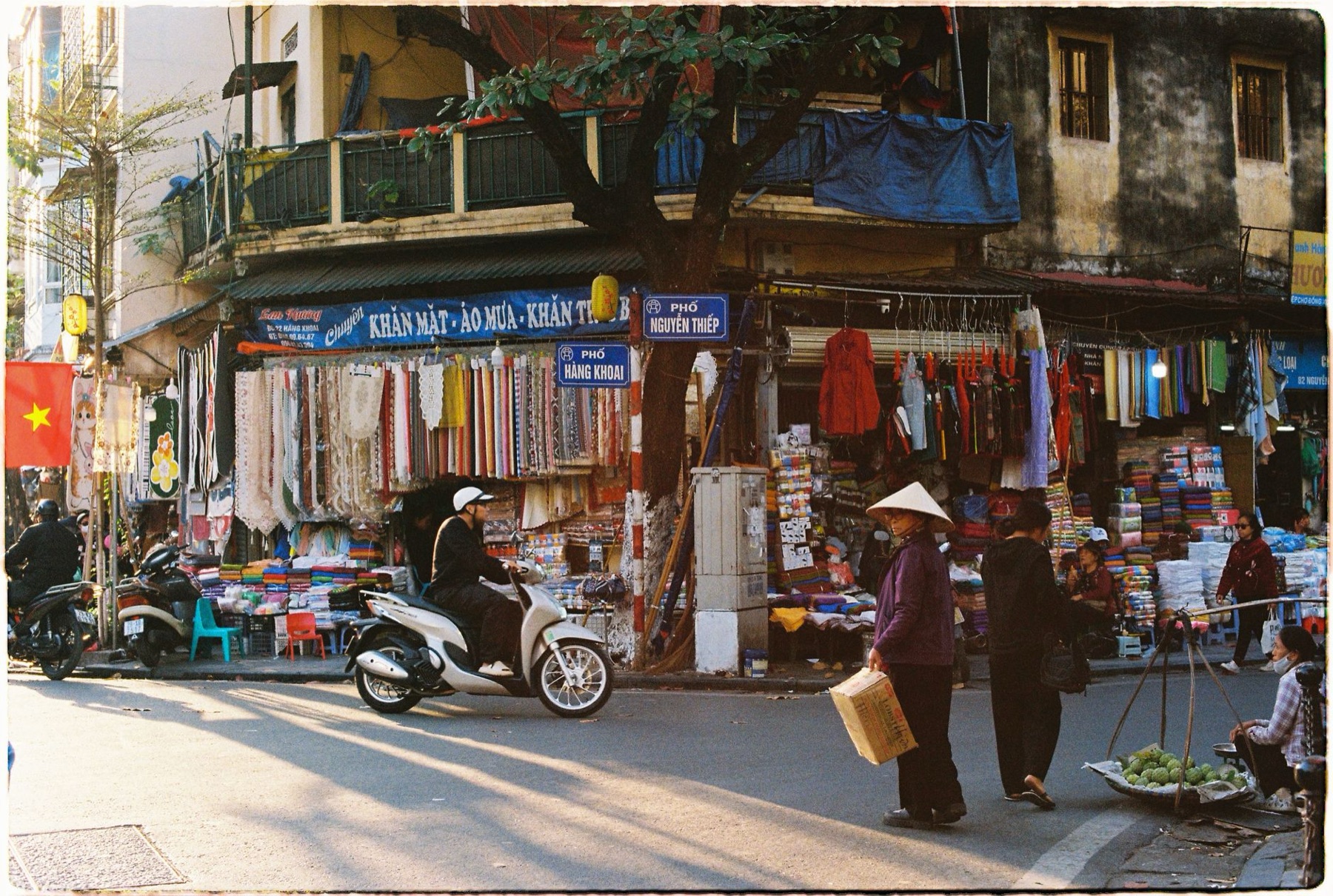
What Should You Actually Prioritize in the Old Quarter (Hoan Kiem District)?
Skip "Silver Street" and the named souvenir lanes unless you want mass-produced ao dai keychains. Instead, wander Hang Buom, Hang Ngang, and the backstreets where locals buy everything from live chickens to incense. Morning street food is your real education: banh mi from a cart (around 25,000–35,000 VND / $1–1.40 USD), egg coffee in a narrow café (around 40,000 VND / $1.60 USD), and pho from a stall with three plastic stools. Eat where there's a queue; quality is the universal translator here.
The Temple of Literature (Van Meu) in Ba Dinh District is Hanoi's most important historical site: Vietnam's first university, founded 1070, where generations of scholars were trained. Entry is around 30,000 VND / $1.20 USD. Go early (before 8 a.m.) to avoid school groups. The inscribed stone tortoise sculptures and quiet courtyards are genuinely moving, not kitsch. Allow 1–1.5 hours. This isn't Instagram-bait; it's foundational Vietnamese history.
📸 Book an ao dai photoshoot in Hanoi or Saigon (Cáo Studio)
How Do You Experience Hanoi's Lakes Like a Local, Not a Tourist?
Hoan Kiem Lake (Sword Lake) in the city center is the emotional heart. Walk it at 6–7 a.m. when tai chi groups, runners, and elderly couples own the paths. The Turtle Tower (Thap Rua) in the middle is a symbol, not a destination. Skip the overpriced restaurants on the south side; sit on a bench, buy street coffee from a vendor, watch the city breathe.
Ho Tay (West Lake) is bigger, quieter, more residential. The northern shore (Tay Ho District) has family homes, small temples, and fewer tourists. Rent a bicycle (around 40,000–60,000 VND / $1.60–2.40 USD per day) and loop the perimeter; it takes 2–3 hours. The Tran Quoc Pagoda on the eastern peninsula is one of Vietnam's oldest (6th century), overlooking water and quiet enough for real reflection. No entrance fee.
What's the Honest Truth About Hanoi Street Food Tours?
Group tours (typically 3–4 hours, around 200,000–400,000 VND / $8–16 USD per person) can feel herded. You'll hit the same five stops, eat the same dishes, and stand shoulder-to-shoulder with 15 strangers. Do it yourself instead: start at Hang Manh (a narrow lane north of Hoan Kiem) where locals queue for pho, banh cuon (steamed rice rolls), and fresh juice. Cost is half the tour price; authenticity is infinite.
One honest angle: food tours often skip the mess. They don't show you the live animal markets (still common in Hanoi, unavoidable in some neighborhoods), the open sewers behind restaurants, or the vendors cutting meat on sidewalk blocks. If this bothers you, eat at sit-down restaurants in quieter districts like Hai Ba Trung instead. No judgment—Hanoi isn't sterile, and that's precisely why it's real.
🗺️ Plan your route: Vietnam itinerary
Should You Bother With Water Puppet Theatre, or Is It Pure Tourist Theater?
Thang Long Water Puppet Theatre in Ba Dinh District is touristy, yes—but it's also genuinely rooted in Vietnamese rural tradition (puppets danced on water during rice harvests, centuries old). A 50-minute show costs around 120,000–200,000 VND / $4.80–8 USD. Go to a matinee (less crowded than evening), sit in the front rows (better sightlines), and accept you're watching a performance, not a secret.
The real puppet makers and musicians still work in rural communes outside the city. If you have an extra day, hire a guide to visit a village workshop in Thuy Phuong or Ha Tay. That's where the art lives. The theater is the polished version—useful for understanding the form, less useful for claiming authenticity.
Which Neighborhoods Feel Like Home (Not Tourism) Right Now?
Ba Dinh (west of the Old Quarter, around Ba Dinh Square) contains government buildings, temples, and tree-lined residential streets. Walk it on a weekday morning; you'll see very few tourists. Pho restaurants here serve locals; cafés are tiny and nameless. No Instagram appeal—exactly the point.
Hai Ba Trung District (south of Hoan Kiem) is similarly local: narrow shop-houses, hidden temples, family businesses unchanged in decades. Streets like Tran Phu and Tran Xuan Soan reward wandering. Rent a bicycle if you're confident; otherwise, grab a Grab ride (Hanoi's Uber equivalent, around 30,000–80,000 VND / $1.20–3.20 USD for short trips) to explore.
Tay Ho (around West Lake) is wealthier, expat-heavy, but less aggressively touristy than the Old Quarter. Good for staying multiple nights, or for a quieter afternoon loop by bike.
| Neighborhood | What You'll Find | Best For | How to Get There |
|---|---|---|---|
| Old Quarter (Hoan Kiem) | Street food, souvenir shops, backpackers, temples | First-time visits, eating | Walk from Hoan Kiem Lake |
| Ba Dinh | Local pho, quiet streets, temples, government buildings | Feeling "normal," cycling | Taxi or Grab west from Hoan Kiem |
| Hai Ba Trung | Family restaurants, narrow shops, zero tourists | Real Hanoi experience | Grab south; 10–15 min |
| Tay Ho | West Lake, residential calm, upscale cafés | Staying longer, cycling loops | Grab or taxi north; 15–20 min |
| French Quarter (Ba Dinh) | Colonial villas, museums, tree-lined streets | Architecture, photography | Walk or cycle from center |
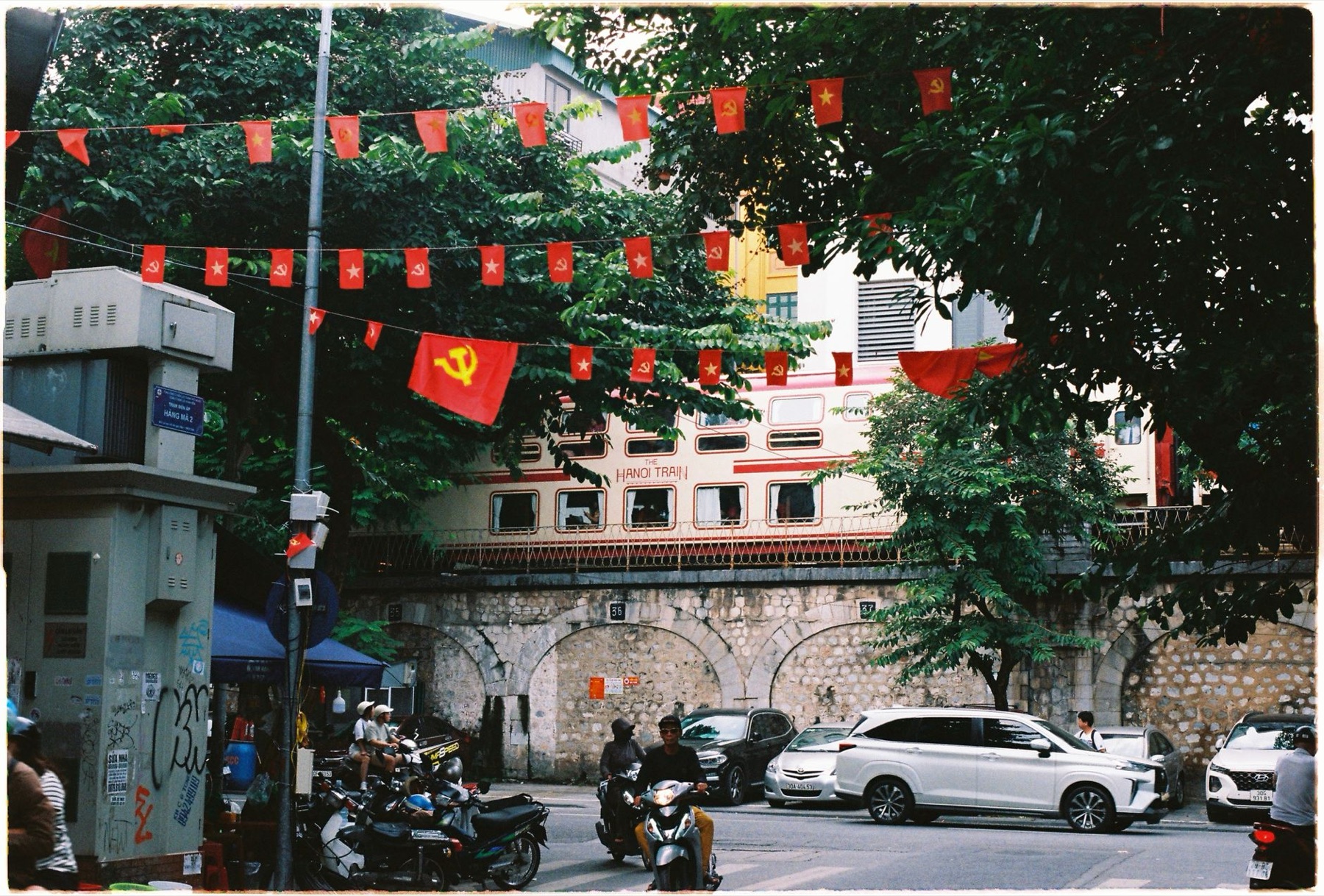
What's Genuinely Worth a Half-Day Trip Outside Central Hanoi?
Cycling tours to rural communes (Trai Xe, Van Phuc, Me Tri) show you rice paddies, silk workshops, and village life within 15–30 km of the city. Many tour operators offer these (half-day tours, around 300,000–600,000 VND / $12–24 USD including bike, lunch, guide). Book directly with a local guide in the Old Quarter rather than through your hotel; prices drop 30–40%, and guides are often cyclists who actually live there.
Ho Tay cycling loop is DIY-able (rent a bike, 2–3 hours, no tour necessary). Start at Tran Quoc Pagoda, loop north around West Lake, stop at Tay Ho fishing villages for lunch. Total cost: bike rental + lunch = around 100,000–150,000 VND / $4–6 USD.
Skip: Ngo Xa Water Park (overrated, crowded, 2 hours' drive south). Skip: Bat Trang Ceramic Village (commercialized pottery workshops; what you see is what tourists buy, nothing locals make). If you want ceramics, buy from contemporary makers in Hanoi's galleries instead.
What Should You Know About Getting Around Hanoi?
Grab (the ride-app) works better than taxis; meters are often rigged. A typical short trip costs around 30,000–80,000 VND / $1.20–3.20 USD. Motorbike taxis (xe om) are cheaper (around 20,000–40,000 VND / $0.80–1.60 USD) but riskier; only use them if you're confident and speak basic Vietnamese.
Rental bicycles are everywhere (around 40,000–60,000 VND / $1.60–2.40 USD per day, no deposit needed if you use reputable shops). Riding in Hanoi takes nerve: no helmet law enforcement, chaotic intersections, but it's doable and far more intimate than motorized transport. Go slow, assume no one sees you, and treat red lights as suggestions (locals do; tourists shouldn't, but you'll see it happen).
🎟️ Compare tours & tickets for this place
How Many Days Do You Actually Need in Hanoi?
Two days minimum: one for Old Quarter/Hoan Kiem Lake/Temple of Literature, one for West Lake cycling or a rural commune tour. You'll feel rushed but not cheated.
Three to four days ideal: add a neighborhood deep-dive (Ba Dinh or Hai Ba Trung), a second cycling trip, and time to sit in cafés without moving. This is when Hanoi's slowness becomes its gift.
Five+ days: rent a scooter and day-trip to Ninh Binh (120 km south, 2.5 hours by bus) or Ha Long Bay (160 km northeast, 3.5 hours by bus). Hanoi + one side trip = a richer picture of the Red River Delta's history and landscape. Read our full guides to Ninh Binh and Ha Long Bay for detailed logistics.
What's the Honest Scam and Safety Breakdown?
Common taxi scam: unmetered taxis at the airport or outside tourist hotels. Use Grab instead; it's transparent and tracked.
Gem/tailor scams: ignore anyone offering ruby tours or custom tailoring. No legitimate deals exist here.
Cyclo overpricing: agree on a fare beforehand (around 100,000–200,000 VND / $4–8 USD per hour, depending on negotiation and route). Cyclos (three-wheeled bicycle taxis) are charming and fun, not a rip-off if you settle the price first.
Fake eSIM: buy Vietnamese eSIMs before arrival or at the airport from official carriers (Viettel, Mobifone, Vinaphone). Street vendors may sell non-working SIMs. If you need a visa, apply online at Vietnam e-visa beforehand.
Safety: Hanoi is safer than most Western cities for solo travelers. Women travelers report no specific threats beyond petty theft. Keep valuables out of sight, use hotel safes, avoid drunk motorbike drivers and obvious drug dealers in backpacker bars.
What to Check Before You Finalize Your Hanoi Itinerary
- Season: November–April is ideal (cool, dry). May–September is hot, humid, and typhoon-prone. December–January can be chilly and damp.
- Visa: US/UK/Australia/most Western passports get 90 days visa-free (check current rules; they shift). Non-exempt nationalities need an e-visa (around $25 USD, 2–3 days processing). Apply at Vietnam e-visa.
- Connectivity: buy a local eSIM on arrival or before you land (around 100,000–300,000 VND / $4–12 USD for 1–2 weeks of data). Hanoi has patchy WiFi; eSIM is essential.
- Booking: temples, pagodas, and museums close unpredictably (national holidays, repairs). Check ahead via Google Maps or ask your hotel.
- Cash: card-friendly city, but street food vendors cash-only. ATMs everywhere; withdrawal fee around 20,000 VND / $0.80 USD per transaction.
- Cycling safety: if renting a motorbike, wear a helmet (legally required now), get travel insurance, and assume you'll crash at least once. Do not rent a scooter unless you've ridden one for years.
Book an ao dai photoshoot in Hanoi or Saigon (Cáo Studio) — capture your Hanoi memories in traditional dress, with professional hair, makeup & styling. Available same-day or pre-booked.
---
If you're planning a multi-city Vietnam trip, read our full Hanoi guide for accommodations, restaurant lists, and transit logistics. For a broader itinerary covering north to south, use our Vietnam itinerary planner.
FAQ
Is Hanoi safe for solo female travelers?
Yes. Petty theft and occasional harassment occur, but violent crime is rare. Stick to main streets at night, avoid drunk backpacker bar crawls, and trust your instincts. Many women travel Hanoi solo without incident. Use Grab for late-night transport.
What's the best time of year to visit Hanoi?
November–April (cool, 15–25°C). May–September is sweltering and humid (30–35°C). December–January can be wet and cold (10–15°C). Spring (March–April) is most pleasant but also the most crowded.
How much should I budget per day in Hanoi?
Budget travelers: 300,000–500,000 VND ($12–20 USD) daily (street food, cheap guesthouses, local transport). Mid-range: 800,000–1,500,000 VND ($32–60 USD) daily (decent hotels, restaurants, paid tours). Prices are 30–50% lower than Western cities.
Do I need to book tours in advance, or can I book in Hanoi?
Both work. Street-walking Old Quarter tours and street food tours are bookable on arrival (often cheaper). Multi-day trips to Sapa, Ha Long Bay, or Ninh Binh should be booked 2–3 days ahead to ensure quality and availability.
Is Hanoi or Ho Chi Minh City better for first-time Vietnam visitors?
Hanoi feels more "authentic" and slower; Ho Chi Minh City is easier to navigate and has more modern comfort. Ideally, visit both. If choosing one, Hanoi rewards curious, patient travelers; Ho Chi Minh City suits those wanting ease. See our Ho Chi Minh City guide for comparison.
FAQ
Is Hanoi safe for solo female travelers?
Yes. Petty theft and occasional harassment occur, but violent crime is rare. Stick to main streets at night, avoid drunk backpacker bar crawls, and trust your instincts. Many women travel Hanoi solo without incident. Use Grab for late-night transport.
What's the best time of year to visit Hanoi?
November–April (cool, 15–25°C). May–September is sweltering and humid (30–35°C). December–January can be wet and cold (10–15°C). Spring (March–April) is most pleasant but also the most crowded.
How much should I budget per day in Hanoi?
Budget travelers: 300,000–500,000 VND ($12–20 USD) daily (street food, cheap guesthouses, local transport). Mid-range: 800,000–1,500,000 VND ($32–60 USD) daily (decent hotels, restaurants, paid tours). Prices are 30–50% lower than Western cities.
Do I need to book tours in advance, or can I book in Hanoi?
Both work. Street-walking Old Quarter tours and street food tours are bookable on arrival (often cheaper). Multi-day trips to Sapa, Ha Long Bay, or Ninh Binh should be booked 2–3 days ahead to ensure quality and availability.
Is Hanoi or Ho Chi Minh City better for first-time Vietnam visitors?
Hanoi feels more "authentic" and slower; Ho Chi Minh City is easier to navigate and has more modern comfort. Ideally, visit both. If choosing one, Hanoi rewards curious, patient travelers; Ho Chi Minh City suits those wanting ease. See our [Ho Chi Minh City guide](/ho-chi-minh-city) for comparison.
More: Hanoi guide · Things to do in Hanoi