Hanoi · Things to do
Top 10 Things to Do in Hanoi Vietnam: Local's Honest Guide 2026
By Wander in Vietnam editorial team · Hanoi, Vietnam
Why the "Top 10" list misses what Hanoi actually is
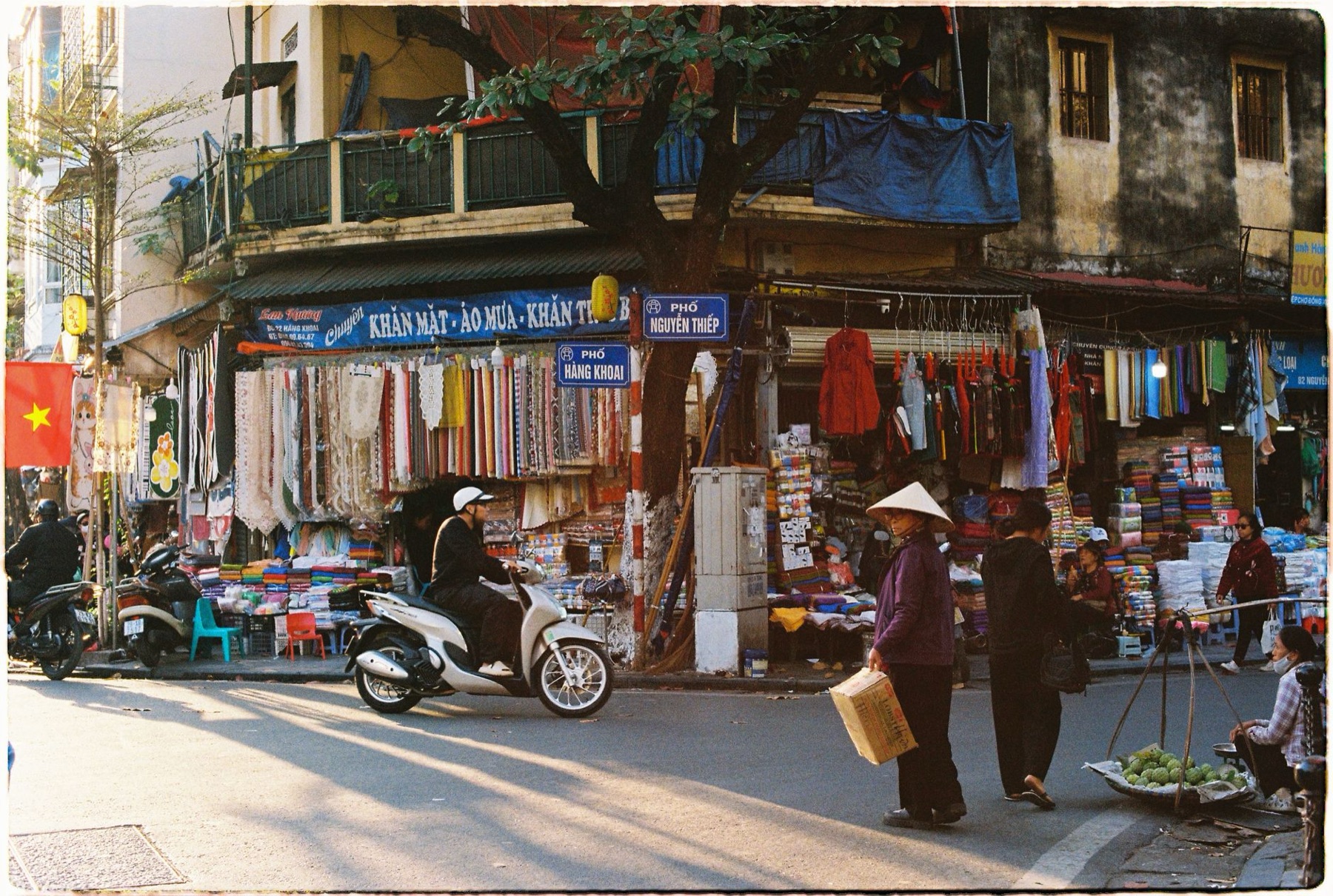
Most visitor guides serve you temples and photo spots in isolation. Hanoi doesn't work that way. The city rewards neighborhood deep-dives: you'll stumble into a 60-year-old egg roll cart in Pho Co (Old Quarter), catch a cyclo driver who knows every alley, overhear locals debating coffee roasts at a hole-in-the-wall cafe. Real Hanoi is texture, not monuments. Start with neighborhoods first, attractions second.
🗺️ Plan your route: Vietnam itinerary
What genuinely happens in the Old Quarter (and why the lake loop isn't it)
Hoan Kiem Lake draws crowds. Skip the 6 a.m. sunrise jog if you hate elbowing through 500 selfie-stick tourists. Instead, enter the Old Quarter from the north (Hang Dao Street side), walk Hang Ngang, Hang Gai, and Ta Hien after 9 p.m.—when market stall vendors sit out, beer flows cold, and you'll hear actual conversation. Pho Co district is chaotic, narrow, and exactly why you came. Expect to get lost. Budget 3–4 hours minimum; wear good shoes. Entrance to Hoan Kiem's Jade Island temple costs around 30,000 VND (~$1.20 USD). Most travelers overpay for cyclo "tours" around the lake (negotiate hard: 100,000–150,000 VND / ~$4–6 USD for 30 minutes, not the quoted 300,000+).
The Hidden gem: Walk north of Hoan Kiem into Pho Hang Trong and Hang Buom at dusk. Narrow, car-free, lined with antique shops, silk vendors, and local families dining. Zero tourist infrastructure. This is Old Hanoi that still works.
Temple of Literature: worth the entrance fee, not worth the guided tour
The Temple of Literature (Van Mieu) is Hanoi's most important cultural site—Vietnam's first national university, 1070. The courtyard layout is elegant: stone turtle steles (representing longevity), tranquil gardens, genuine historical weight. Entrance is around 30,000 VND (~$1.20 USD). Go before 9 a.m. or after 3 p.m. to avoid school groups.
Skip the tour guides calling out at the gate. Instead, pick up a paper guide at the entrance desk or read the plaques. Walk slow. Sit in the back courtyard for 15 minutes. The energy is different from any other spot in the city.
📸 Book an ao dai photoshoot in Hanoi or Saigon (Cáo Studio)
Honest take: if you're short on time, Van Mieu is skipworthy compared to night markets and street food. If you stay 3+ days, it's essential context for understanding Vietnamese civilization.
Street food: where locals actually eat vs. tourist traps
| Dish / Market | Where | Cost | Best time | Why it works |
|---|---|---|---|---|
| Pho Bo (beef noodle) | Hang Manh or Hang Gai, 6–7 a.m. | ~35–50k VND ($1.40–2 USD) | 6–8 a.m. | Peak freshness; locals only |
| Banh Mi | Any street corner, 7–10 a.m. | ~20–30k VND ($0.80–1.20 USD) | Breakfast | Cheaper, better quality than cafes |
| Night market (Hang Be or Dong Xuan after 6 p.m.) | Old Quarter, June–September | ~40–80k VND ($1.60–3.20 USD) per stall | 7–10 p.m. | Huge variety; live cooking; local families |
| Egg coffee (ca phe trung) | Any Old Quarter cafe | ~35–50k VND ($1.40–2 USD) | Early morning | Creamy, unique; Hanoi specialty |
| Banh Xeo (sizzling crepe) | Dinh Liet Street or local food halls | ~40–60k VND ($1.60–2.40 USD) | Lunch or dinner | Crispy, fresh herbs, locals crowd in |
Scams to avoid: Tourist trap restaurants on Bia Hoi Corner (Ta Hien + Luong Ngoc Quyyen junction) charge inflated prices and water down drinks. Cyclo drivers quoting 500k+ for a ride are running numbers games—negotiate or walk. "Friendly local" inviting you to family dinner? Likely a setup for inflated bills. Stick to busy stalls, cash payment, no menus.
The real strategy: eat where you see locals, not where you see cameras. If a stall has a line at 7 a.m. of construction workers and office staff, you're in the right place.
Water puppet theater: tradition, not tourist theater
Hanoi Water Puppet Theater (Marionette) is the genuine article—puppeteers have trained for years. Shows run around 60 minutes; entrance is typically 100,000–150,000 VND (~$4–6 USD) depending on seating. Book ahead via the box office or major hotels; online scalpers charge double.
The performance is hypnotic: wooden puppets dance across a water stage, reflecting centuries of village festival tradition. Narration is in Vietnamese with English subtitles. Most visitors find it moving rather than gimmicky.
Timing tip: 6:30 p.m. shows are crowded. Try 8:15 p.m. if available for fewer tourists and better focus.
Day trips that actually compete with Hanoi's city center
If you have 2–3 days in the capital region:
Ninh Binh (90 km south, 2–3 hours by minibus): limestone karsts, cave temples, rice paddies. More intimate than Ha Long Bay, same geology, half the tourist density. Read our Ninh Binh guide for detailed routes and local homestays.
Ha Long Bay (170 km northeast, 3.5–4 hours): UNESCO site, stunning but crowded. Budget cruises start around 600,000–800,000 VND / ~$24–32 USD (2 days / 1 night, basic). Overnight is worth it for sunrise. See our Ha Long Bay guide.
Tran Quoc Pagoda (on Ho Tay—West Lake, 8 km from center): 6th-century temple, views across water, accessible by bike. Rent a bicycle near the Old Quarter for ~60,000 VND / ~$2.40 USD per day. Less crowded than Hoan Kiem, worth 2–3 hours.
Honestly? Ninh Binh edges out Ha Long Bay for value and atmosphere if you have limited time. Plan your broader route here.
🎟️ Compare tours & tickets for this place
Coffee culture and where not to waste money
Hanoi birthed Vietnam's coffee obsession. The locals aren't wrong—beans from Da Lat and Central Highlands are carefully made. But "coffee experience" cafes charge 50k–150k VND (~$2–6 USD) for a single brew.
Where to actually sit: tiny street-corner joints in Hoan Kiem or Ba Dinh districts, open-front, plastic stools, locals reading newspapers. Coffee is 15,000–25,000 VND (~$0.60–1 USD). Egg coffee (ca phe trung) is Hanoi-specific—yolk and condensed milk whipped into a meringue, stirred into hot robusta. Real deal: 35–50k VND (~$1.40–2 USD).
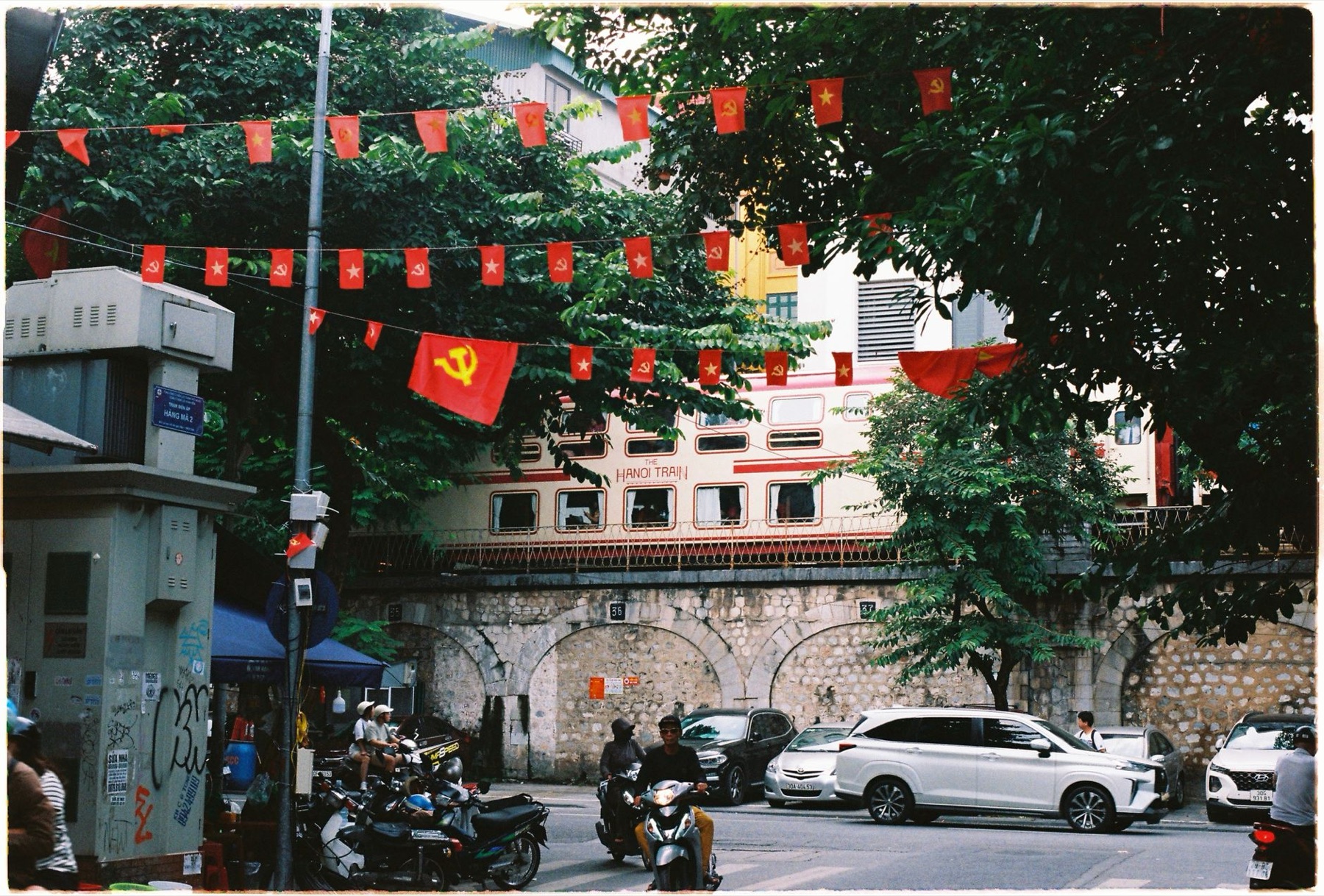
Tourist trap: Instagram-famous "coffee in a train car" setups. Photos are nice; taste is mediocre; prices are inflated 3×.
The move: sit with a local, drink slow, order a second cup, and listen. Coffee shops are where Hanoi's real conversations happen.
Night markets and when to actually go
Dong Xuan Night Market (June–September, opens ~6 p.m., Hang Buom Street in Old Quarter) is the largest. Dong Da Night Market (daily, Van Cao Street near Hoan Kiem) runs year-round but is smaller. Both are food, clothing, and street vendor chaos—exactly what makes Hanoi tick after dark.
Expect: grilled meats, fresh fruit smoothies, clothing stalls, phone cases, fake goods. Budget 200k–400k VND / ~$8–16 USD for a full grazing evening. Go 7–9 p.m. for the sweet spot between opening energy and fatigue.
What to skip: the curated "night markets" inside malls—they're sanitized nonsense.
Getting around: eSIM, apps, cyclos, and bikes
Grab (rideshare) and Be (Vietnamese alternative) work well: fares are metered, no negotiation. Budget 30,000–80,000 VND (~$1.20–3.20 USD) for inner-city rides. Cyclos are fun but slower and pricier—use them for short, scenic routes (Hoan Kiem edges, Temple of Literature grounds), not commuting.
Rent a bike for exploring Ho Tay or outlying temples: ~60,000 VND / ~$2.40 USD per day. Hanoi traffic is intense; ride defensively. Stay on the right, watch for motorbikes, and keep both hands on the bars in intersections.
For seamless connectivity, grab a Vietnam eSIM before arrival so you can use maps and apps immediately.
If you're planning a broader Vietnam trip beyond Hanoi, check visa requirements early—many nationalities qualify for e-visas, which save time and hassle.
What to check before you buy into the Hanoi myth
- Crowds: Peak season (November–March) means elbow-to-elbow temples and hawker stalls. Consider April–May or September–October for better air and fewer tourists.
- Scooter chaos: Hanoi's traffic is genuinely overwhelming. Don't rent a motorbike unless you've ridden in Southeast Asia before. Walking and Grab are safer.
- Pollution: Late summer (August–September) can hit unhealthy air quality. Check AQI before booking outdoor day trips.
- Hype filtering: "Instagram spots" like the Huc Bridge or Hang Manh corridor aren't inherently bad, but they're less interesting than quiet alleys 50 meters away.
- Cash flow: Many tiny stalls and family restaurants only take cash (VND). ATMs are everywhere; withdraw at the airport or city center to avoid hidden fees.
📸 Book an ao dai photoshoot in Hanoi or Saigon (Cáo Studio)
If you want a personalized souvenir from Hanoi—a hand-engraved keepsake box, a custom map print, or a star map of your visit date—we offer gift collections that let you add meaningful context. Or book a traditional ao dai photoshoot with Cáo Studio in Hanoi to capture yourself in Vietnam's national dress against Old Quarter backdrops.
For flower delivery during your stay or as a thank-you gift, Hoa Lang Thang in Hanoi handles same-day arrangements.
---
FAQ
Is Hanoi worth more than 2 days?
Absolutely. Two days hits major temples and markets; three days lets you explore neighborhoods properly and take a day trip. Four days reveals the city's rhythm—coffee culture, street networks, local habits. We recommend minimum three days if Hanoi is your only Vietnam stop.
What's the best time to visit Hanoi?
November–March (cool, dry season) is most comfortable. April–May and September–October are cheaper and less crowded, though hotter and more humid. Avoid August (heat, pollution) and June–September (typhoon season can disrupt travel). Peak crowds hit December–February.
How much should I budget per day in Hanoi?
Budget travelers: 300,000–500,000 VND / ~$12–20 USD per day (street food, local transport, free temples). Mid-range: 800k–1.5 million VND / ~$32–60 USD (nicer meals, paid attractions, some tours). Luxury: 2+ million VND / ~$80+ USD. Most visitors fall in the mid-range.
Are cyclo tours worth it, or is it a scam?
Cyclos are nostalgic and fun for 30–60 minutes, not transportation. Negotiate hard: 100,000–150,000 VND (~$4–6 USD) for a proper ride, not the 300k+ quotes. Use them for scenic routes (Hoan Kiem edges, back alleys) where the pace matters. Grab is cheaper and faster for actual point-to-point transit.
What's the difference between Hanoi and Ho Chi Minh City?
Hanoi is older, slower, more layered historically, and food-focused. Ho Chi Minh (Saigon) is newer, faster, more chaotic in different ways, and business-driven. Hanoi rewards wandering; Saigon rewards preparation. Compare our full city guides here. Both are essential if you have time.
FAQ
Is Hanoi worth more than 2 days?
Absolutely. Two days hits major temples and markets; three days lets you explore neighborhoods properly and take a day trip. Four days reveals the city's rhythm—coffee culture, street networks, local habits. We recommend minimum three days if Hanoi is your only Vietnam stop.
What's the best time to visit Hanoi?
November–March (cool, dry season) is most comfortable. April–May and September–October are cheaper and less crowded, though hotter and more humid. Avoid August (heat, pollution) and June–September (typhoon season can disrupt travel). Peak crowds hit December–February.
How much should I budget per day in Hanoi?
Budget travelers: 300,000–500,000 VND / ~$12–20 USD per day (street food, local transport, free temples). Mid-range: 800k–1.5 million VND / ~$32–60 USD (nicer meals, paid attractions, some tours). Luxury: 2+ million VND / ~$80+ USD. Most visitors fall in the mid-range.
Are cyclo tours worth it, or is it a scam?
Cyclos are nostalgic and fun for 30–60 minutes, not transportation. Negotiate hard: 100,000–150,000 VND (~$4–6 USD) for a proper ride, not the 300k+ quotes. Use them for scenic routes (Hoan Kiem edges, back alleys) where the pace matters. Grab is cheaper and faster for actual point-to-point transit.
What's the difference between Hanoi and Ho Chi Minh City?
Hanoi is older, slower, more layered historically, and food-focused. Ho Chi Minh (Saigon) is newer, faster, more chaotic in different ways, and business-driven. Hanoi rewards wandering; Saigon rewards preparation. [Compare our full city guides here](/ho-chi-minh-city). Both are essential if you have time.
More: Hanoi guide · Things to do in Hanoi