Ho Chi Minh City · Things to do
Top 10 Things to Do in Saigon: Local Guide 2026
By Wander in Vietnam editorial team · Hanoi, Vietnam
Saigon (official name Ho Chi Minh City) remains Vietnam's most visited destination—but most guides repeat the same five sites. We've spent time across all twelve districts and want to give you a clearer, harder-edged top 10 that includes both unmissable classics and places where you'll actually encounter Saigonese life.
📸 Book an ao dai photoshoot in Hanoi or Saigon (Cáo Studio)
What's the Real Must-See: War Remnants Museum or Reunification Palace?
War Remnants Museum (23 Vo Van Tan, District 3) is the more emotionally powerful experience. You'll spend 2–3 hours with primary documents, photographs, and physical evidence—many visitors find it sobering. Reunification Palace (135 Nguyen Hue, District 1) is the architectural and political centerpiece; the guided tour takes 45 minutes and includes the original war-era bunker. Both are essential. Do the museum first for context, then the palace for symbolic resonance. Entry to each costs around 40,000–50,000 VND (USD $1.60–$2).
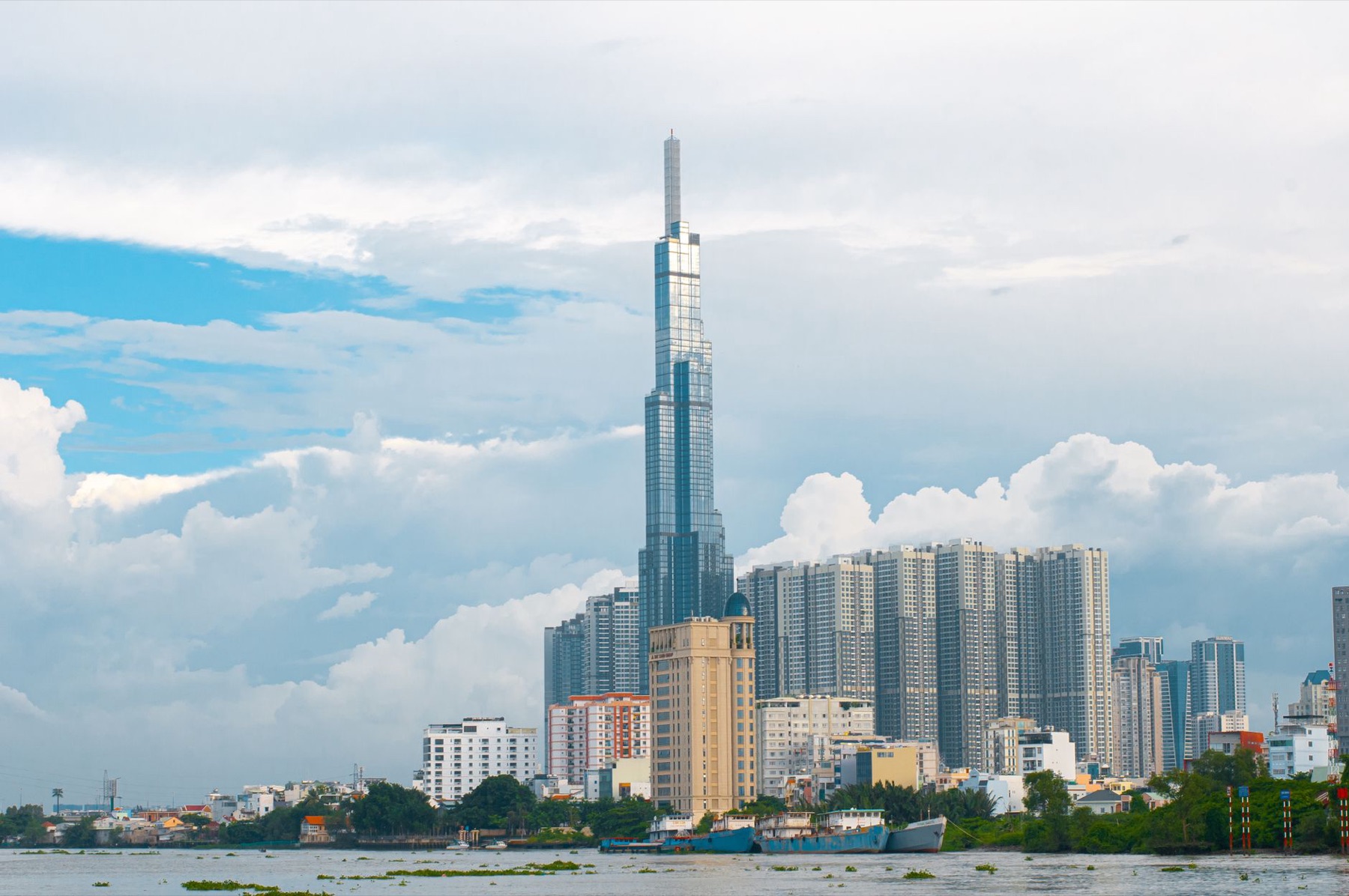
How Do You Actually Experience Nguyen Hue Without the Tourist Crush?
Nguyen Hue Walking Street (District 1, between Nguyen Hue Boulevard and the riverfront) is pedestrianized after 6 p.m. daily. Avoid midday (11 a.m.–2 p.m.) and weekends if you want to move freely. The real magic happens from 7–9 p.m. when young Saigonese gather, street performers emerge, and vendors set up. Coffee or iced tea costs around 15,000–25,000 VND (USD $0.60–$1). The flowers and fountains are genuinely pretty; the view toward Bitexco is the city's best postcard angle.
Which Market Should You Actually Visit: Ben Thanh, Tan Dinh, or Binh Tay?
| Market | Location | Best for | Time to spend | Crowd level | When to go |
|---|---|---|---|---|---|
| Ben Thanh | District 1 center | Souvenirs, textiles, first visit | 1–2 hours | Very heavy | 7–8 a.m. |
| Tan Dinh | District 1, near opera | Fabrics, silks, local prices | 1 hour | Moderate | Any weekday |
| Binh Tay | District 5 (Chinatown) | Wholesale goods, spices, real market | 1.5–2 hours | Authentic | 6–8 a.m. |
Ben Thanh is the tourist anchor; prices are inflated 30–50% above street rates. Tan Dinh feels more local and has better silk selections. Binh Tay (in Cho Lon, District 5) is where Saigonese actually shop—arrive before 8 a.m., bring a guide or speak some Vietnamese, and haggle. A silk scarf might cost 150,000–300,000 VND (USD $6–$12) at Ben Thanh, 80,000–150,000 VND (USD $3.20–$6) at Tan Dinh.
Why Drink Coffee in Saigon and Not Just Anywhere?
Saigon's café culture is its best-kept ritual. Coffee shops in District 1 (around Pasteur, Tran Hung Dao) and District 3 (around Nguyen Hue, Tao Duc) are low-key, air-conditioned spaces where locals sit 2–4 hours over one egg coffee. Egg coffee (cà phê trứng) is a creamy, sweet preparation unique to Hanoi and Saigon; here it costs around 30,000–50,000 VND (USD $1.20–$2). Sit quietly, observe, chat with the owner. Many are family-run since the 1960s. This is where you sense the city's pace.
🗺️ Plan your route: Vietnam itinerary
What Street Food Should You Eat, and Where Are the Safest Stalls?
Street food in Saigon is incredible and safe if you follow one rule: eat where there's high turnover. Banh mi (Vietnamese sandwich) costs 20,000–35,000 VND (USD $0.80–$1.40). Pho, 30,000–50,000 VND (USD $1.20–$2). Banh canh (thick noodle soup), 25,000–40,000 VND (USD $1–$1.60). The alley north of Ben Thanh Market (around Ly Tu Trong, District 1) is a famous food corridor; Nguyen Hue ward has evening stalls (5–10 p.m.). Avoid anything sitting in the sun longer than 2 hours. If the stall has a line of locals, it's trustworthy.
Is Bitexco Tower Worth the Climb? What About Saigon Skydeck?
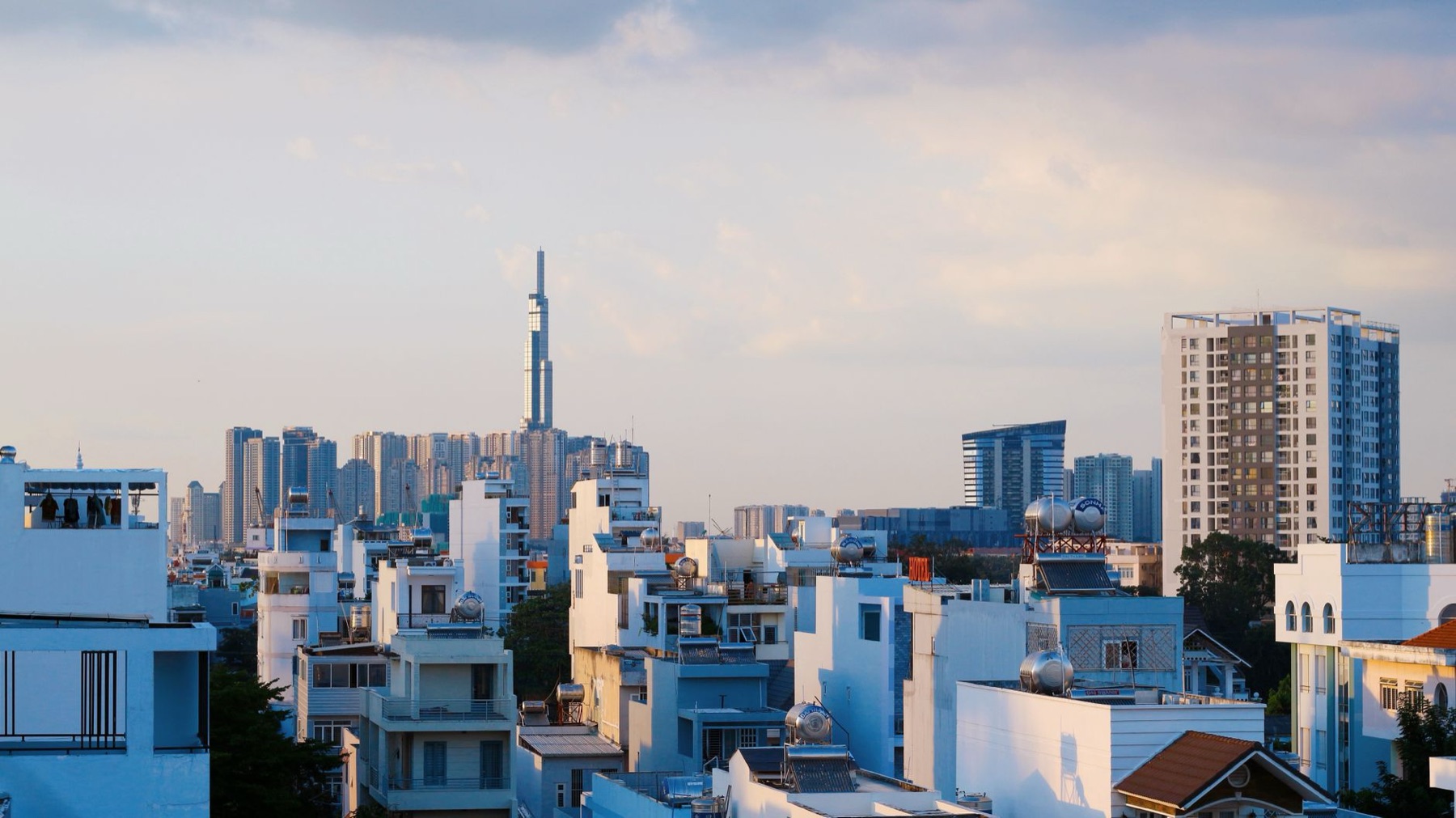
Bitexco Financial Tower (2 Hai Trieu, District 1, 49 levels) has a public viewing floor (level 49, "Saigon Skydeck") open 9:30 a.m.–9:30 p.m. Entry is around 200,000 VND (USD $8) and gives you a 360° unobstructed view of the city and Saigon River. The helipad bar (Diamond Crown) is pricier but only accessible with bar purchase. On a clear late afternoon (4–6 p.m.), the sunset is your best photo. Arrive weekday to avoid groups. Many travelers skip this thinking it's too touristy; that's a mistake if you want to orient yourself.

Where Do Locals Actually Go to See Heritage: Jade Emperor Pagoda or Notre-Dame?
Notre-Dame Cathedral (1 Cong Xa Paris, District 1) is the more photogenic colonial landmark. Jade Emperor Pagoda (73 Mai Thi Luu, District 1, also called Phuoc Hai Pagoda) is smaller, noisier with prayer activity, and far fewer tourists. If you want a quiet 15-minute spiritual moment, choose Jade Emperor. If you want an architectural photograph, choose Notre-Dame. Entry to both is free; modest dress (shoulders, knees covered) is expected.
Should You Cycle or Take a Guided Tour for the Saigon River?
A sunrise or sunset river cycle along the Saigon River (departing District 1 toward Binh Quoi village, a narrow rural area northeast) takes 2 hours and costs around 150,000–250,000 VND (USD $6–$10) via a local tour operator. You'll see fishing villages, local life, and the green edge of the city. Alternatively, boat tours (1–2 hours) cost 300,000–500,000 VND (USD $12–$20). Cycles are slower and more intimate; boats show more distance. If it's your first Saigon visit, cycle. If you're short on time, boat.
What Neighborhoods Beyond District 1 Are Worth a Day Trip?
| Neighborhood | Travel time | What to see | Vibe | Best for |
|---|---|---|---|---|
| Binh Quoi (District 2) | 20 min by taxi | Traditional village, silk weaving, river | Slow, rural | Photography, lunch |
| Thu Duc (New City Center) | 25 min | Saigon One Tower, modern architecture | Developing, young | Business travelers |
| Thao Dien (District 2) | 20 min | Expat cafes, expat-run restaurants, antique shops | Gentrified, quiet | Couples, brunch |
Skip Thu Duc if you're a first-time visitor (it's still under development). Binh Quoi and Thao Dien deserve 3 hours each. Thao Dien has western brunch spots if you need a break from street food; café prices run 80,000–150,000 VND (USD $3.20–$6).
🎟️ Compare tours & tickets for this place
How Do You Avoid the Most Common Scams and Tourist Traps?
Taxi meters: Use Grab app (ride-hailing, safer than street hailing). Fake meters are common—drivers tap the meter once at start and "forget" to use it. Cyclo tours: Only accept 30-minute tours at 100,000–150,000 VND (USD $4–$6); anything longer is a setup for jewelry shop drops. Fake police: No legitimate officer asks for your passport on the street. Overpriced tours: Book through your hotel or Wander in Vietnam's recommended operator list, not touts. Gem shops: Avoid entirely unless with a jeweler you trust.
Saigon is safe by Southeast Asian standards, but opportunistic theft (bag snatching from a table) happens. Keep your phone in your front pocket, don't flash large cash, and avoid back alleys after 11 p.m.
What to Check Before You Go: A Preparation Checklist
- [ ] Book War Remnants Museum ticket online (queues can be 30+ min, especially weekends).
- [ ] Download Grab app before arrival; add a local SIM or activate eSIM for Vietnam for data.
- [ ] Check opening hours (museums close Mondays; temples close 11 a.m.–1 p.m. for lunch).
- [ ] Confirm your ao dai tailor appointment if you want a fitting (allow 3–5 days; Cáo Studio offers photoshoots if you want professional shots).
- [ ] Exchange USD to VND before leaving your hotel (ATMs charge 3–5% fee).
- [ ] Dress modestly for pagodas and churches (long pants/skirt, shoulders covered).
If you're combining Saigon with other regions, check our Hanoi guide, Hoi An guide, Ha Long Bay guide, or Sapa guide for integrated itineraries. See our main things-to-do guide for Ho Chi Minh City for deeper neighborhood breakdowns.
Traveling to Vietnam for the first time? Apply for an e-visa at least 2 weeks in advance.
FAQ
Do I need a guide for Saigon, or can I walk around alone?
Saigon is walkable and safe for solo travelers. Districts 1–3 have clear streets, signs, and English speakers in tourist areas. Beyond that, a half-day guide (100,000–200,000 VND / USD $4–$8) helps with hidden neighborhoods and language barriers. Not essential, but worthwhile for context.
What's the best time to visit Saigon?
November through February (cool and dry, 22–28°C). Avoid May–September (hot, humid, rainy 3–4 p.m. daily). March–April is tolerable but crowded. Prices and hotel rates stay stable year-round; weather is the main factor.
How many days do I need in Saigon?
Minimum 2–3 days covers the main ten. Four days lets you add neighborhood walks, cooking classes, or day trips. Most travelers do 2–3 and move onward.
Is street food safe to eat?
Yes, if the stall has high turnover and a line of locals. Avoid pre-cooked items sitting in the sun. First-time visitors often have mild digestive shifts; eat smaller portions and hydrate. Your stomach adjusts within 2–3 days.
Can I haggle at Ben Thanh Market?
Yes. Textiles and souvenirs drop 20–40% with polite negotiation. Electronics and branded goods are fixed. Start at 60–70% of asking price and settle around 50–60%. Smile, speak slowly, never get angry—vendors respect friendliness.
Do I need an international phone plan or should I buy a local SIM?
Buy a local SIM at the airport (Viettel, MobiFone, Vinaphone) for around 50,000 VND (USD $2) with data included. Or use Vietnam eSIM pre-arrival for seamless connectivity. Way cheaper than roaming.
What's one thing most tourists miss in Saigon?
The rhythms of neighborhood life. Stay in District 1–3 and walk side streets (Pasteur, Tao Duc, Ton That Tung) in early morning (6–8 a.m.) to see how Saigonese actually move: coffee, motorbikes, flower sellers, temples quietly open. These quiet moments outlast the major sites in memory.
FAQ
Do I need a guide for Saigon, or can I walk around alone?
Saigon is walkable and safe for solo travelers. Districts 1–3 have clear streets, signs, and English speakers in tourist areas. Beyond that, a half-day guide (100,000–200,000 VND / USD $4–$8) helps with hidden neighborhoods and language barriers. Not essential, but worthwhile for context.
What's the best time to visit Saigon?
November through February (cool and dry, 22–28°C). Avoid May–September (hot, humid, rainy 3–4 p.m. daily). March–April is tolerable but crowded. Prices and hotel rates stay stable year-round; weather is the main factor.
How many days do I need in Saigon?
Minimum 2–3 days covers the main ten. Four days lets you add neighborhood walks, cooking classes, or day trips. Most travelers do 2–3 and move onward.
Is street food safe to eat?
Yes, if the stall has high turnover and a line of locals. Avoid pre-cooked items sitting in the sun. First-time visitors often have mild digestive shifts; eat smaller portions and hydrate. Your stomach adjusts within 2–3 days.
Can I haggle at Ben Thanh Market?
Yes. Textiles and souvenirs drop 20–40% with polite negotiation. Electronics and branded goods are fixed. Start at 60–70% of asking price and settle around 50–60%. Smile, speak slowly, never get angry—vendors respect friendliness.
Do I need an international phone plan or should I buy a local SIM?
Buy a local SIM at the airport (Viettel, MobiFone, Vinaphone) for around 50,000 VND (USD $2) with data included. Or use [Vietnam eSIM](/vietnam/esim) pre-arrival for seamless connectivity. Way cheaper than roaming.
What's one thing most tourists miss in Saigon?
The rhythms of neighborhood life. Stay in District 1–3 and walk side streets (Pasteur, Tao Duc, Ton That Tung) in early morning (6–8 a.m.) to see how Saigonese actually move: coffee, motorbikes, flower sellers, temples quietly open. These quiet moments outlast the major sites in memory.
More: Ho Chi Minh City travel guide · Things to do in Ho Chi Minh City